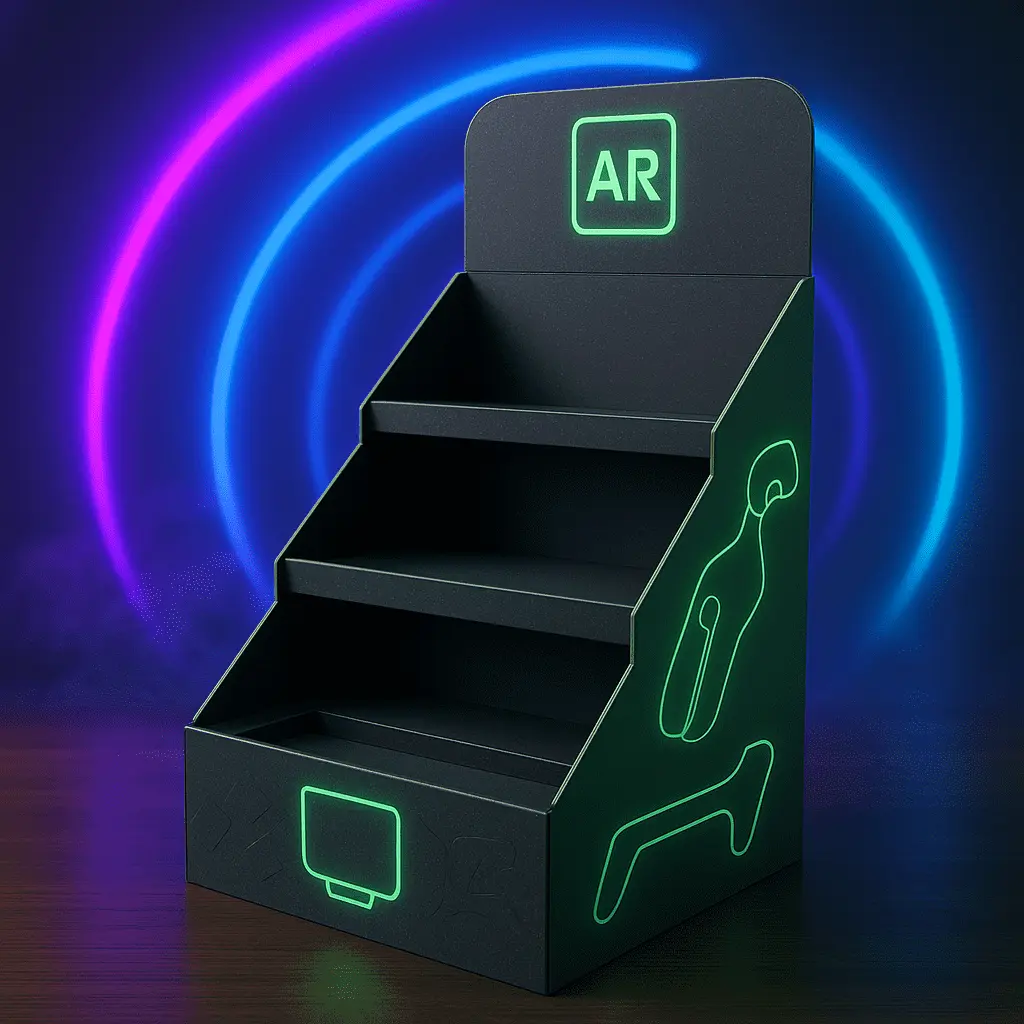
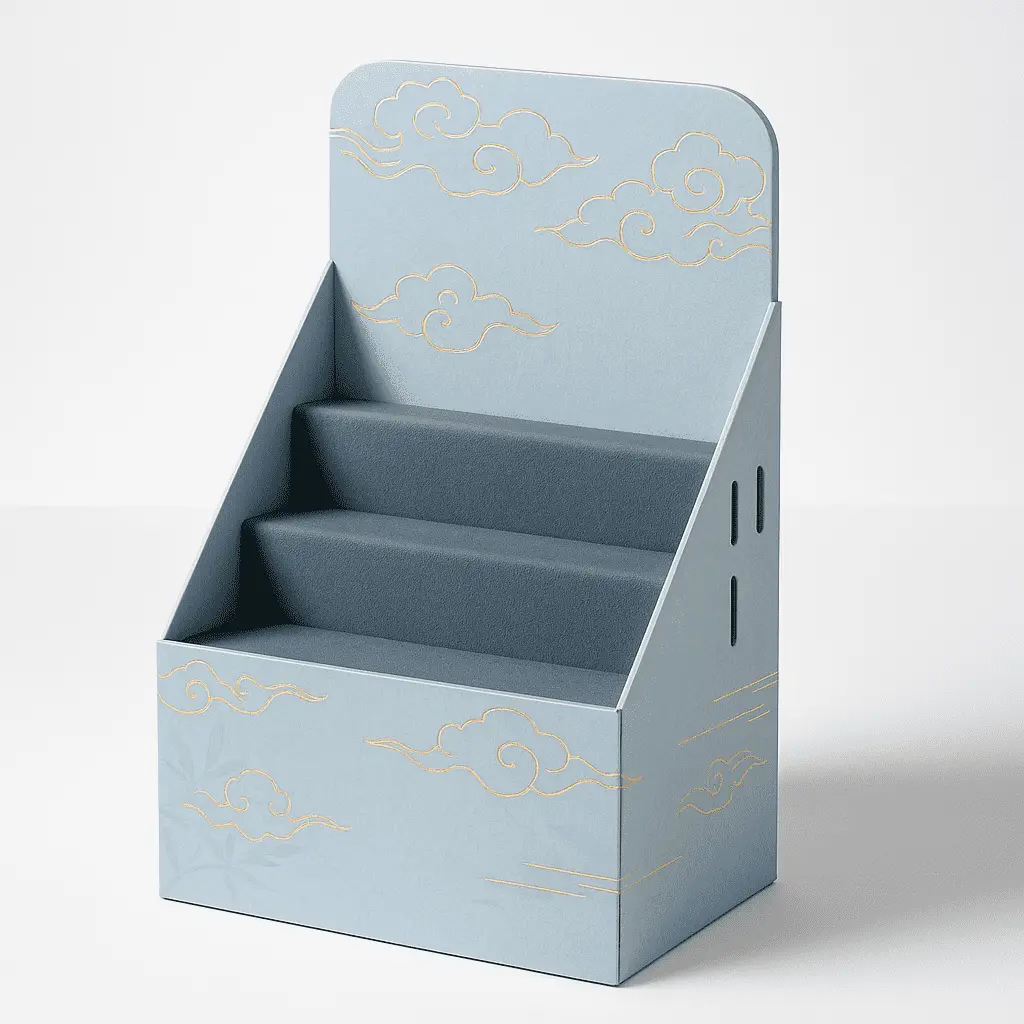
Are Floor-Standing Display Units Easy to Assemble?
Yes, if you choose the appropriate manufacturer and design, assembling floor-standing display units is often simple. Modular structure, prefabricated parts, and tool-free assembly methods are features of contemporary floor-standing display solutions that drastically cut down on installation complexity and time. The majority of professional-grade display units are useful options for retail settings, trade exhibitions, and advertising campaigns where speedy setup is crucial since they can be put up in 15 to 30 minutes with clear instructions.

Understanding Floor-Standing Display Units and Their Assembly Challenges
A wide range of designs are included in display structures, from heavy-duty permanent fixtures that can handle large product loads to lightweight portable pieces intended for temporary installations. The choice of material is crucial in deciding the intricacy of the assembly; aluminum frames are often more stable and durable than their plastic counterparts, but installation requires more exacting fitting techniques.
Design Variations and Their Impact on Assembly
One end of the assembly range is represented by modular display systems, which have standardized parts that come together using universal joints and connections. These systems are perfect for companies that often change their promotional displays or attend many trade shows all year long since they put an emphasis on simplicity of setup and flexibility in reconfiguration. Teams may construct floor-standing displays using the modular technique without the need for specialized equipment while yet preserving the displays' structural integrity and polished look.
Fixed-configuration displays provide improved stability and load-bearing capability appropriate for long-term retail installations, but sometimes needing more complicated initial construction. Advanced features like integrated lighting systems, movable shelves, and safe locking parts are often included in these cabinets to safeguard priceless goods while upholding standards of aesthetically pleasing presentation.
Common Assembly Obstacles in B2B Environments
When overseeing exhibit installations in many sites, procurement teams usually face unique difficulties. Compatibility problems might arise from inconsistent component quality from multiple sources, especially when combining display parts from different manufacturers. The quality of documentation varies greatly throughout providers; some give extensive visual instructions, while others provide sparse instruction sets that cause installation teams to struggle with unclear assembly procedures.
Another important factor to take into account is tool needs, because displays that call for specialist equipment might make field installation crews' jobs more difficult. The most effective display solutions reduce tool dependencies without sacrificing structural performance, allowing for quick deployment without the need for technical know-how or intensive equipment coordination.
Step-by-Step Guide: How to Assemble a Floor-Standing Display Unit
The first step in a successful floor-standing display assembly is careful planning and methodical arrangement of all parts and supplies. In addition to providing sufficient space for moving bigger structural components throughout the assembly process, a clean, roomy workspace lowers the possibility of component loss or damage.
Pre-Assembly Preparation and Component Verification
Unpacking every component and doing a thorough inventory check against the supplied parts list constitute the first step. Before assembly starts, this verification procedure finds any damaged or missing parts, avoiding delays and guaranteeing access to new parts if needed. The building process is streamlined and the possibility of installation mistakes is decreased when components are arranged according to assembly sequence.
By closely examining the assembly literature, one may get an understanding of the display's intended setup and spot any possible issues before they affect the installation schedule. Reputable manufacturers provide thorough visual instructions that go through every stage of installation, emphasizing important joints and the structural connections between parts.
Sequential Assembly Process
Usually, assembly begins with the base structure and works its way up, creating a solid basis before adding vertical components and accessories. Because any instability at this point jeopardizes the structural integrity of the whole display, the base assembly must be carefully placed level and connected securely. The majority of contemporary displays include numbered or color-coded parts that make matching easier and less confusing during construction.
Depending on the display design, several connection methods are used; snap-fit systems give the quickest assembly times, while threaded connections offer better long-term stability. Procurement teams may choose the best display types depending on their unique application needs and expected installation frequency by being aware of these trade-offs.
Vertical supports are added first, then shelves or product mounting systems, and finally any ornamental or practical embellishments. Every step builds on the one before it, providing a solid foundation for later parts while preserving structural balance and correct alignment.
Quality Assurance and Final Adjustments
To guarantee correct component engagement and overall structural soundness, thorough stability testing and visual inspection are necessary after the assembly process is finished. Any weak connections or misaligned components that can jeopardize display performance or safety during real usage are found during this quality check.
Fine-tuning shelf placements, checking locking mechanisms, and making sure all moving components move smoothly within their designated range of motion are common adjustment operations. These last actions guarantee the best possible display functioning and polished look, which enhances the brand's reputation and the caliber of product presentation.
Evaluating Floor-Standing Displays for Assembly Ease: What B2B Buyers Should Know
A thorough grasp of the variables affecting assembly complexity and operating efficiency is necessary for the strategic assessment of display solutions. Both immediate installation needs and long-term maintenance factors that affect total cost of ownership should be taken into account throughout the evaluation process.
Portability and Setup Flexibility
Portable display systems, which usually use lightweight materials and tool-free construction processes, place a high priority on quick deployment and ease of portability. These displays work well in settings like trade exhibitions or recurring advertising campaigns that need for regular reconfiguration or relocation between many sites. However, in comparison to options for permanent installation, the focus on mobility could lead to a lower load capacity or structural longevity.
Because imbalanced constructions may become unstable when fully laden with items or promotional materials, weight distribution is an important consideration in the design of portable displays. Broad base platforms or stabilizing devices that preserve structural integrity while maintaining ease of transportation and installation are features of effective portable displays.
Structural Features and Assembly Complexity
While integrated elements like floor-standing displays, integrated lighting, flexible shelf systems, or safe storage compartments improve display usefulness, they may also make construction more difficult. Procurement teams may better combine required display capabilities with operational comfort by comprehending the link between feature sophistication and installation needs.
The choice of material has a big impact on long-term performance traits and assembly processes. Although careful assembly procedures are necessary to achieve correct fit and finish, aluminum construction usually offers higher longevity and a professional look. Although plastic parts often make assembly processes easier, they may not last as long when used frequently.
The simplicity of assembly may be impacted by the use of proprietary connection methods or specialized hardware, which may also increase reliance on certain providers for system upgrades or replacement components. More flexibility and simpler maintenance are provided by standard hardware components, but the streamlined look or structural optimization that custom-designed systems might provide may be sacrificed.
Maintaining Assembled Floor-Standing Displays for Longevity and Performance
Good maintenance plans prolong the life of displays while maintaining their structural dependability and polished look over lengthy years of operation. Reactive repairs are more expensive than preventive maintenance methods, especially when handling several displays in various locations.
Routine Inspection and Preventive Care
Frequent stability evaluations find possible structural problems before they jeopardize the functioning or safety of displays. Connection points, weight-bearing elements, and any moving parts that undergo frequent adjustment during ordinary operations should be the main focus of these examinations. By recording inspection findings, useful maintenance histories are produced, which help spot trends in component performance and guide future purchase choices.
Cleaning protocols must take into account particular material needs while preserving display aesthetics and hygienic standards suitable for retail settings. Different materials call for different cleaning methods; for example, certain finishes are sensitive to particular cleaning chemicals or need particular methods to avoid deterioration or damage.
Troubleshooting Common Assembly Issues
During routine display usage, minor adjustments are often needed as components settle or go through cycles of thermal expansion and contraction. On-site staff may handle straightforward problems without the need for specialist service visits or prolonged downtime by being familiar with fundamental troubleshooting techniques.
The most frequent maintenance need is connection loosening, especially for displays that are often moved or reconfigured. Regular tightening schedules stop progressive loosening, which might jeopardize structural integrity or provide a safety risk in retail settings.
Clear criteria for supplier escalation guarantee timely resolution while reducing operational disturbance when maintenance needs surpass on-site capability. Reactive technical assistance and easily accessible replacement parts that preserve display performance with little downtime are hallmarks of successful supplier partnerships.
Fetching Printing: Your Partner in Custom Display Solutions
Fetching Printing specializes in creating unique floor-standing display units that meet the various needs of international business-to-business (B2B) customers in a variety of sectors. Since our establishment in 1999, we have gained a great deal of experience in designing modular, simple-to-assemble display systems that strike a compromise between installation ease and structural performance. Our 30,000 square foot facility is home to cutting-edge production machinery and more than 300 highly qualified workers committed to creating top-notch display systems.
Over ten packaging and display experts with extensive backgrounds in material applications, structural design, and process optimization make up our technical team. Because of our experience, we are able to design floor-standing display options that reduce installation hassles while preserving the robustness and visual appeal needed in trade fair and retail settings.
Our selection of materials and production procedures are guided by our dedication to sustainable manufacturing techniques, which guarantees that our display solutions fulfill environmental responsibility criteria while providing outstanding performance. Our commitment to operational excellence and quality control is shown by our certifications, which include ISO9001-2015 Quality Management System and ISO14001-2015 Environmental Management System.
We provide specialized display solutions that meet certain operating needs and brand presentation standards to a range of industries, including electronics, cosmetics, food & beverage, and luxury products. Pre-sales consulting, bespoke design creation, and continuing technical support are all part of our all-inclusive service strategy, which guarantees effective display deployment and sustained customer pleasure.
Floor-standing display units can indeed be easy to assemble when proper consideration is given to design selection, manufacturer quality, and assembly procedures. The key lies in choosing displays that match operational requirements while prioritizing features that streamline installation and maintenance processes. Modern manufacturing techniques and modular design approaches have significantly simplified assembly procedures, making professional-quality displays accessible to teams without specialized technical expertise. Success depends on thorough evaluation of assembly requirements, proper preparation, and selecting suppliers who prioritize ease of use without compromising structural performance or aesthetic appeal.
FAQs
1. How long does it typically take to assemble a standard floor-standing display unit?
Most standard floor-standing displays can be assembled within 15-30 minutes by following proper procedures and having all necessary components organized beforehand. Complex units with multiple shelves or integrated features may require 45-60 minutes, while simple modular designs often assemble in under 15 minutes.
2. Do floor-standing displays require special tools for assembly?
Quality modern displays prioritize tool-free or minimal-tool assembly systems. Most professional units require only basic tools like screwdrivers or Allen keys, with many incorporating snap-fit or quick-connect systems that eliminate tool requirements entirely.
3. Can floor-standing displays be disassembled and reassembled multiple times?
Well-designed modular displays withstand multiple assembly cycles without degradation. However, the specific number of cycles depends on component quality, connection type, and handling care during disassembly and storage processes.
4. What factors make some displays harder to assemble than others?
Assembly difficulty typically increases with component count, connection complexity, material precision requirements, and feature integration. Displays with proprietary hardware, tight tolerances, or multiple adjustment mechanisms generally require more time and attention during assembly.
5. How can procurement teams ensure consistent assembly results across multiple locations?
Standardizing on specific display models, providing comprehensive training materials, establishing clear assembly procedures, and maintaining direct supplier communication channels help ensure consistent results regardless of installation location or personnel.
Ready to Streamline Your Display Assembly Process with Fetching Printing
Simplify your retail and trade show installations with our expertly engineered floor-standing display units designed specifically for efficient B2B deployment. As a leading floor-standing display manufacturer, Fetching Printing combines decades of manufacturing expertise with innovative modular designs that minimize assembly time while maximizing structural performance. Our experienced engineering team works directly with procurement professionals to develop customized solutions that address your specific operational requirements and timeline constraints. Contact our specialists at support@fetchingprinting.com to discuss your display needs and discover how our streamlined assembly systems can enhance your installation efficiency while reducing operational costs.
References
1. Johnson, M. & Peterson, R. (2023). "Modern Display Assembly Techniques in Retail Environments." Journal of Retail Operations Management, Vol. 47, pp. 234-251.
2. Chen, L. (2022). "Modular Display Systems: Engineering for Efficiency." International Conference on Retail Technology Proceedings, pp. 156-172.
3. Williams, S. et al. (2023). "Cost Analysis of Display Assembly Methods in B2B Procurement." Supply Chain Management Quarterly, Vol. 18, No. 3, pp. 89-104.
4. Rodriguez, A. & Thompson, K. (2022). "Material Selection Impact on Display Assembly Complexity." Materials Engineering in Commercial Applications, Vol. 29, pp. 445-462.
5. Davis, P. (2023). "Trade Show Display Installation: Best Practices for Procurement Teams." Event Management Professional, Vol. 15, No. 2, pp. 67-83.
6. Kumar, S. & Zhang, H. (2022). "Sustainable Manufacturing Practices in Display Production." Environmental Manufacturing Review, Vol. 31, pp. 298-315.