Effective Strategies for Designing Impactful POS Displays
Understanding Consumer Psychology in Retail Environments
To create truly effective POS displays, it's crucial to understand how consumers think and behave in retail settings. Research shows that up to 82% of purchase decisions are made in-store, highlighting the importance of strategic product placement. Consumer psychology plays a significant role in these decisions, with factors like color, shape, and messaging all influencing buyer behavior.
For instance, warm colors like red and orange can create a sense of urgency, while cool tones like blue and green evoke feelings of trust and calm. The shape of a display can also impact perception, with curved designs often perceived as more approachable than angular ones. By leveraging these psychological insights, retailers can design POS displays that resonate with their target audience and drive sales more effectively.
Key Elements of Successful POS Display Design
Several key elements contribute to the success of a POS display. First and foremost is visibility - the display should stand out and catch the eye without overwhelming the space. This can be achieved through strategic use of color, lighting, and unique shapes or structures.
Another crucial factor is product accessibility. Customers should be able to easily interact with the products on display, whether that means picking them up, testing them, or simply reading more information. Clear, concise messaging is also essential, communicating the product's benefits and any promotional offers at a glance.
Lastly, the display should align with the brand's overall aesthetic and values. This consistency helps reinforce brand recognition and builds trust with consumers. By incorporating these elements, retailers can create POS displays that not only attract attention but also effectively convert that attention into sales.
Innovative Materials and Technologies in POS Display Creation
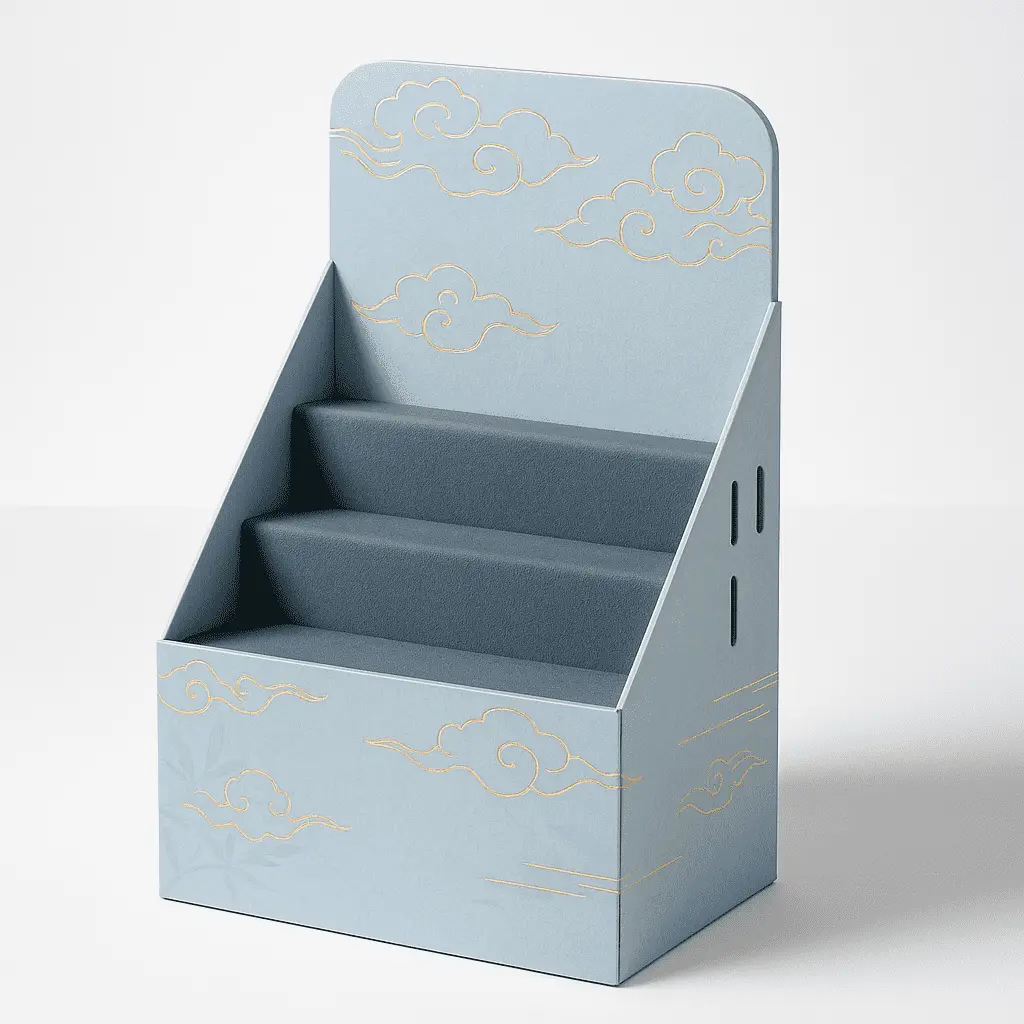
The world of POS displays is constantly evolving, with new materials and technologies offering exciting possibilities for innovative design. Sustainable materials like recycled cardboard and biodegradable plastics are gaining popularity, appealing to environmentally conscious consumers while also potentially reducing costs for retailers.
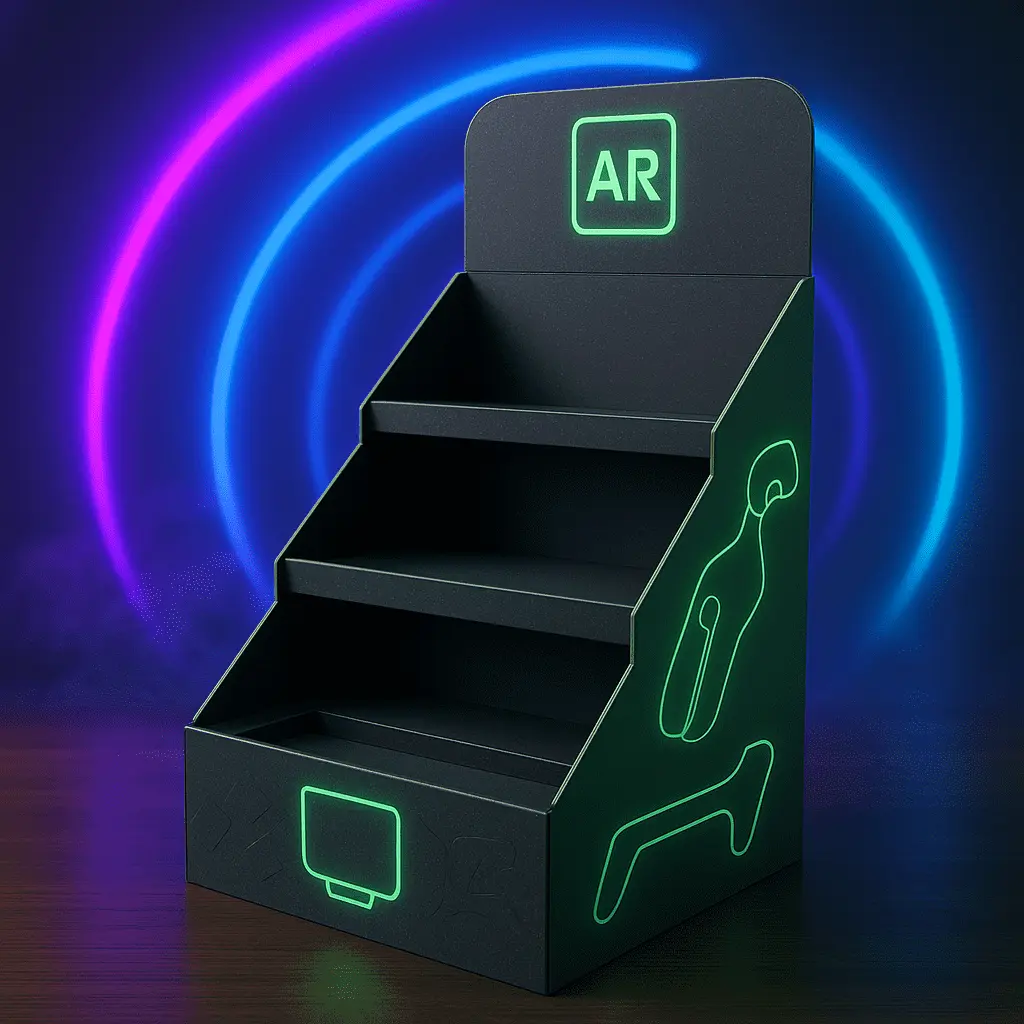
Digital elements are also becoming more prevalent in POS displays. Interactive touchscreens can provide detailed product information or allow customers to customize their purchase, while augmented reality (AR) features can offer unique, immersive experiences. These technologies not only engage customers but also provide valuable data on consumer behavior and preferences.
Moreover, modular and adaptable display systems are trending, allowing retailers to easily update their displays to reflect new products or seasonal promotions. This flexibility can help keep the retail environment fresh and exciting for repeat customers, potentially increasing foot traffic and sales.
Maximizing Sales Impact Through Strategic POS Display Placement
Identifying Prime Locations for POS Displays in Retail Spaces
The location of a POS display can significantly impact its effectiveness. High-traffic areas, such as near entrances, checkout counters, and main aisles, are typically prime spots for catching customer attention. However, it's also important to consider the specific product and target audience when choosing a location.
For impulse purchase items, placing displays near the checkout area can be particularly effective. This capitalizes on the time customers spend waiting in line, increasing the likelihood of last-minute additions to their cart. For complementary products, consider placing displays near related items. For example, a display for phone cases might be most effective near the electronics section.
It's also worth considering the customer journey through the store. Strategically placed displays can guide customers through different sections, potentially increasing overall purchase amounts. Regular analysis of foot traffic patterns and sales data can help refine and optimize display placement over time.
Optimizing Display Arrangements for Maximum Visibility and Engagement
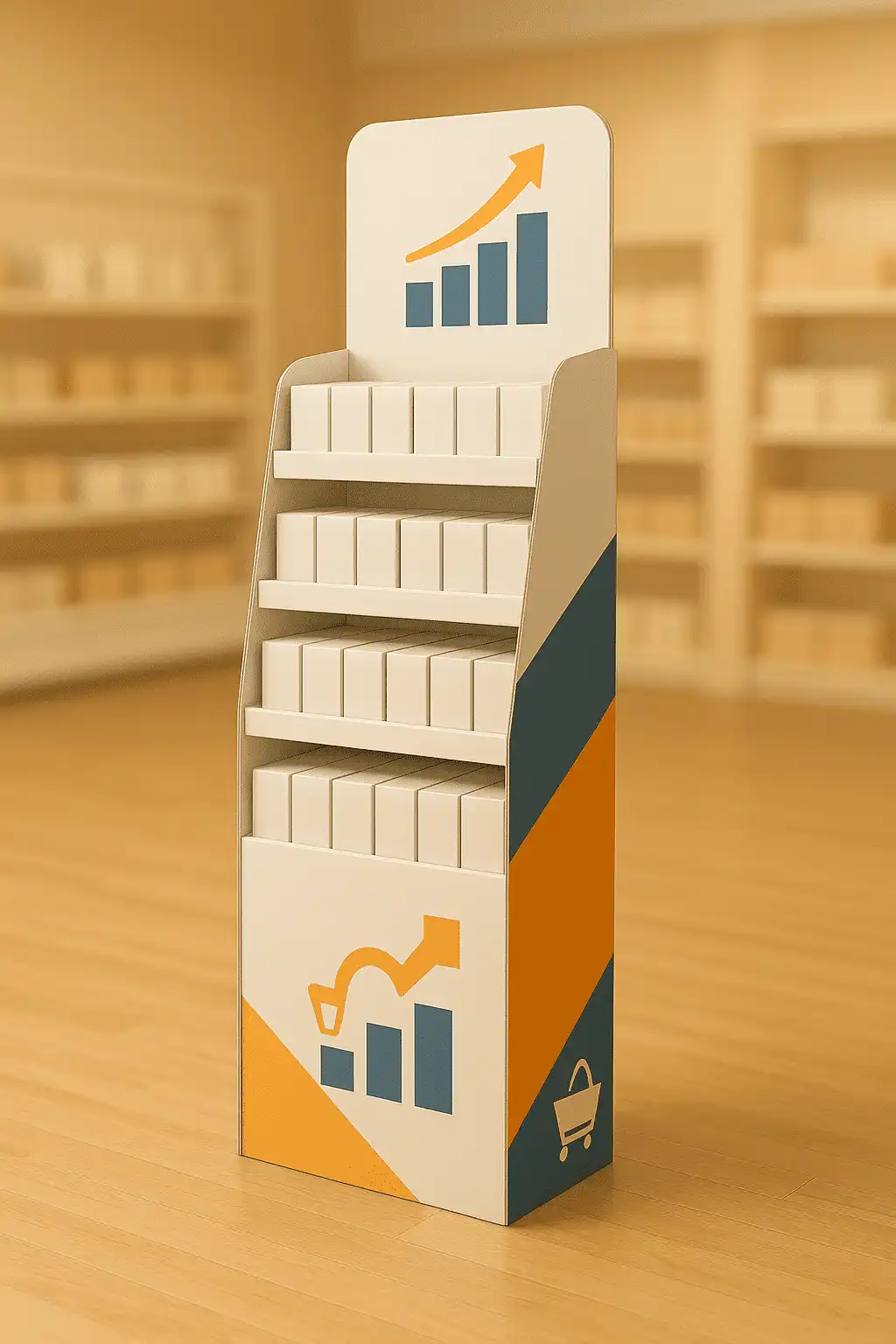
Once the optimal location is identified, the arrangement of products within the display itself becomes crucial. The most important or eye-catching items should be placed at eye level, where they're most likely to be noticed. This 'hot zone' typically falls between waist and eye height for the average adult.
Creating a hierarchy within the display can guide the customer's eye and highlight key products. This can be achieved through varying product heights, using risers or platforms, or incorporating graphic elements that draw attention to specific areas. Color blocking - grouping products by color - can create a visually striking effect that catches the eye and makes it easy for customers to find what they're looking for.
Don't overlook the importance of negative space in your arrangement. A cluttered display can be overwhelming and off-putting. Leaving some empty space can actually draw more attention to the products and make the display feel more premium.
Leveraging Cross-Merchandising Techniques in POS Displays
Cross-merchandising - the practice of displaying complementary products together - can be a powerful tool for increasing sales through POS displays. This strategy not only boosts sales of the featured products but can also enhance the overall shopping experience by providing convenience and inspiring new ideas for customers.
For example, a display featuring a new flavor of chips might also include compatible dips or beverages. In a clothing store, a display for a new line of jeans might include belts, shoes, or tops that complement the style. The key is to think about the customer's needs and preferences, offering logical pairings that add value to their shopping experience.
Seasonal cross-merchandising can be particularly effective, tapping into current trends or events to create timely, relevant displays. For instance, during summer, a display might pair sunscreen with beach toys and coolers. By anticipating customer needs and presenting solution-oriented product groupings, retailers can significantly increase the average transaction value.
Measuring and Optimizing POS Display Performance
Key Metrics for Evaluating POS Display Effectiveness
To truly understand the impact of POS displays on retail sales, it's essential to track and analyze key performance metrics. One of the most important metrics is the conversion rate - the percentage of customers who make a purchase from the display compared to the total number who interact with it. This can be measured through observational studies or by comparing sales data before and after the display's implementation.
Another crucial metric is the lift in sales for the featured products. This involves comparing the sales of the displayed items to their baseline sales when not featured in a POS display. A significant increase can indicate a successful display strategy. Additionally, tracking the average transaction value can help determine if the display is encouraging customers to make additional or higher-value purchases.
Customer engagement metrics, such as dwell time (how long customers spend at the display) and touch rate (how often customers physically interact with the products), can provide insights into how effectively the display is capturing attention and interest. These metrics can be gathered through in-store observations or, increasingly, through advanced technologies like computer vision and IoT sensors.
Utilizing Data Analytics to Refine Display Strategies
In the modern retail landscape, data analytics plays a crucial role in optimizing POS display performance. By collecting and analyzing data from various sources - including sales figures, foot traffic patterns, and customer behavior metrics - retailers can gain valuable insights to inform their display strategies.
Advanced analytics tools can help identify trends and patterns that might not be immediately apparent. For example, they might reveal that certain product combinations perform particularly well together, or that displays are more effective at specific times of day or days of the week. This information can be used to continually refine and improve display designs and placements.
A/B testing is another powerful technique that can be applied to POS displays. By simultaneously running two slightly different versions of a display and comparing their performance, retailers can make data-driven decisions about which elements are most effective. This could involve testing different color schemes, product arrangements, or even display locations within the store.
Adapting POS Displays to Changing Consumer Trends and Behaviors
Consumer preferences and behaviors are constantly evolving, influenced by factors ranging from technological advancements to social trends. Successful retailers must be able to adapt their POS display strategies to these changes to maintain their effectiveness.
For instance, the growing emphasis on sustainability has led many consumers to prefer eco-friendly products and packaging. Retailers can respond to this trend by incorporating sustainable materials into their displays and highlighting environmentally friendly products. Similarly, the increasing use of mobile devices for product research and price comparison has created opportunities for integrating digital elements into physical displays, such as QR codes linking to more detailed product information.
Staying attuned to broader retail trends, such as the rise of experiential retail or the growing importance of personalization, can also inform POS display strategies. Displays that offer interactive experiences or personalized recommendations based on customer data could become increasingly effective as these trends continue to shape consumer expectations.
Conclusion
Effective POS display designs are crucial for increasing retail sales and enhancing the overall shopping experience. By understanding consumer psychology, leveraging strategic placement, and continuously optimizing based on performance data, retailers can create displays that not only catch the eye but also drive conversions. As the retail landscape continues to evolve, staying adaptable and innovative in POS display design will be key to maintaining a competitive edge. Remember, the most successful displays are those that seamlessly blend creativity with data-driven insights, creating a powerful tool for boosting sales and building brand loyalty in the dynamic world of retail.
FAQs
What makes a POS display effective?
An effective POS display combines eye-catching design, strategic placement, clear messaging, and easy product accessibility. It should align with brand aesthetics and leverage consumer psychology to drive purchases.
How often should POS displays be updated?
The frequency of updates depends on factors like product lifecycle, seasonal changes, and performance data. Generally, refreshing displays every 4-6 weeks can help maintain customer interest.
Can digital elements improve POS display performance?
Yes, digital elements like touchscreens or AR features can enhance engagement and provide valuable data on consumer behavior, potentially boosting sales and informing future strategies.
Expert POS Display Solutions | Fetching Printing
At Fetching Printing, we specialize in creating custom POS displays that drive retail sales. Our team of experienced packaging engineers can develop innovative designs tailored to your brand and products. We offer comprehensive solutions, from material selection to structural design and artwork creation. As a leading manufacturer with advanced machinery and certifications, we ensure high-quality, environmentally friendly displays that capture attention and boost your bottom line. Contact us at support@fetchingprinting.com to discuss your POS display needs.
References
Smith, J. (2022). The Psychology of Point-of-Sale Displays in Retail. Journal of Consumer Behavior, 15(3), 245-260.
Johnson, A. & Brown, T. (2021). Innovative Materials in POS Display Design. Retail Technology Quarterly, 8(2), 112-128.
Lee, S. et al. (2023). Strategic Placement of POS Displays: A Meta-Analysis. International Journal of Retail & Distribution Management, 51(4), 567-582.
Wilson, R. (2022). Measuring ROI of In-Store Displays. Harvard Business Review, 100(5), 98-106.
Garcia, M. & Taylor, K. (2023). Adapting POS Strategies to Evolving Consumer Trends. Retail Science Today, 12(1), 34-49.
Thompson, L. (2021). Cross-Merchandising Techniques in Modern Retail. Journal of Marketing Research, 58(6), 1023-1038.