The Evolution and Impact of Retail-Ready Packaging in the FMCG Sector
Historical Development of RRP
Retail-ready packaging has come a long way since its inception. Initially introduced to reduce labor costs and improve efficiency in retail operations, RRP has evolved significantly over the years. Early designs focused primarily on functionality, often sacrificing aesthetics for practicality. However, as consumer preferences and retail environments changed, so did the approach to RRP design.
The turning point came when manufacturers and retailers recognized the potential of RRP not just as a logistical solution, but as a powerful marketing tool. This shift led to the development of more sophisticated packaging solutions that balanced operational efficiency with visual appeal. The integration of brand elements and product information directly onto the packaging became standard practice, transforming RRP from mere containers into powerful point-of-sale marketing assets.
Current Trends Shaping RRP Design
Today's retail-ready packaging is at the forefront of innovation in the FMCG sector. One of the most significant trends is the push towards sustainability. Manufacturers are increasingly using eco-friendly materials and designing packages for easy recycling or reuse. This not only appeals to environmentally conscious consumers but also helps retailers meet their sustainability goals.
Another key trend is the integration of technology into RRP. Smart packaging solutions, incorporating QR codes or NFC tags, provide consumers with additional product information and interactive experiences. This technology also enables better tracking and inventory management for retailers, further streamlining the supply chain process.
Economic and Operational Benefits for Retailers
The adoption of well-designed retail-ready packaging offers numerous benefits for retailers. Firstly, it significantly reduces the time and labor required to stock shelves. Products can be quickly and easily placed on display, often without the need for unpacking individual items. This efficiency translates into substantial cost savings for retailers, particularly in high-volume stores.
Moreover, RRP contributes to improved inventory management. The standardized sizes and shapes of retail-ready packages make it easier to plan shelf space and maintain optimal stock levels. This precision in inventory control leads to reduced wastage and more efficient use of storage space, both in the backroom and on the sales floor.
Key Features of Effective Retail-Ready Packaging for FMCG Products
Easy Identification and Brand Recognition
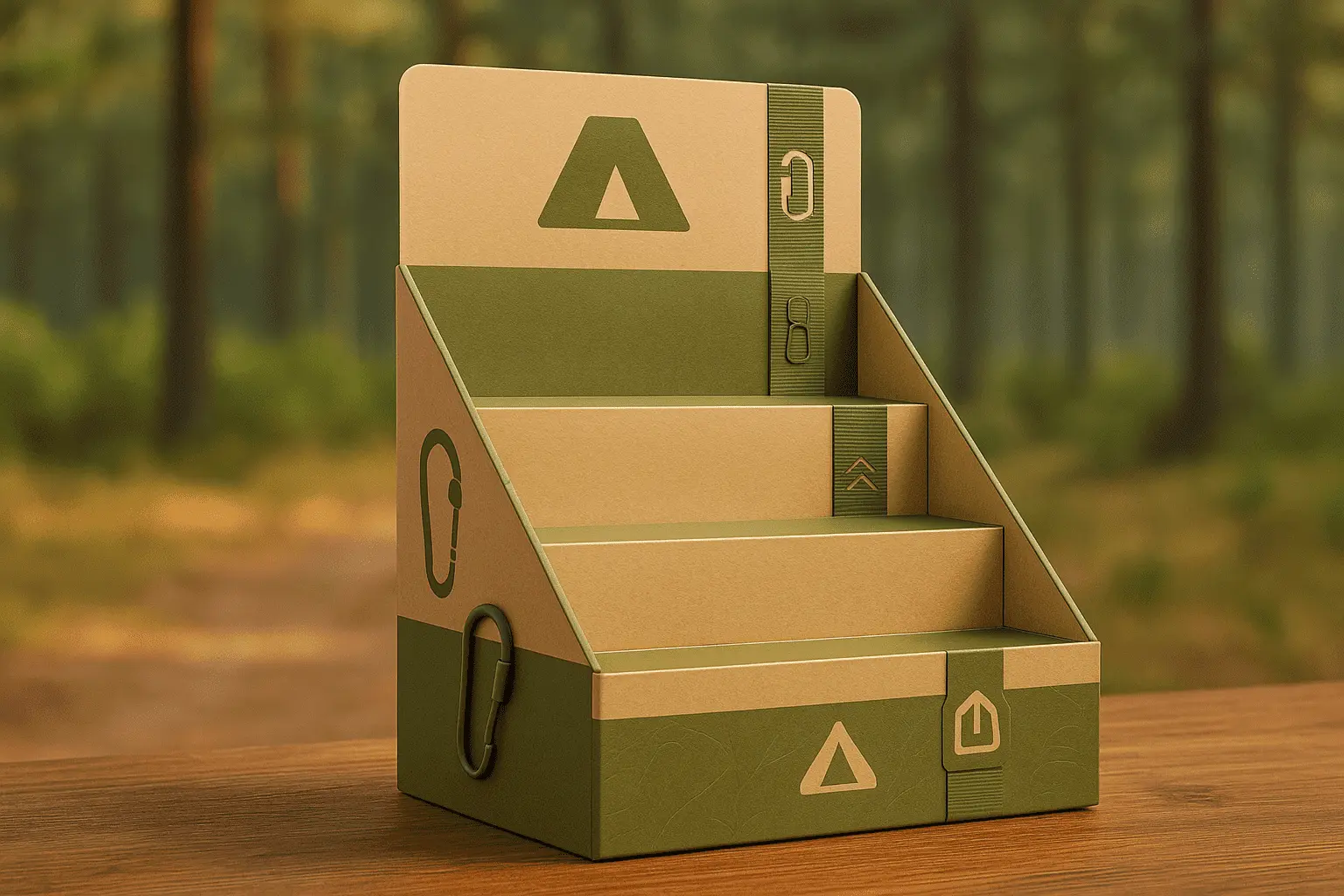
One of the cornerstones of effective retail-ready packaging is its ability to facilitate easy identification of products. In the fast-paced retail environment, both store staff and customers need to quickly locate specific items. Well-designed RRP achieves this through clear, bold branding and distinctive color schemes that stand out on the shelf.
Brand recognition plays a crucial role in consumer decision-making, especially in the FMCG sector where impulse purchases are common. RRP that effectively communicates brand identity not only aids in product recognition but also reinforces brand loyalty. Incorporating unique design elements, consistent with the brand's overall marketing strategy, helps create a cohesive and memorable brand experience at the point of sale.
Structural Design for Shelf Efficiency
The structural design of retail-ready packaging is pivotal in maximizing shelf efficiency. Effective RRP solutions are engineered to optimize shelf space utilization while ensuring product stability and visibility. This often involves creating packages that can be easily stacked, both during transportation and on store shelves.
Many successful RRP designs incorporate features like perforated sections or tear-away panels that allow for quick and easy conversion from shipping container to shelf-ready display. This dual functionality not only saves time for retail staff but also ensures that products are presented in an attractive and organized manner, enhancing the overall shopping experience.
Consumer-Friendly Access and Disposal
Consumer convenience is a key consideration in modern retail-ready packaging design. Effective RRP solutions provide easy access to products, allowing customers to retrieve items without difficulty. This might include features like large openings or dispensing mechanisms that facilitate smooth product removal.
Equally important is the consideration of disposal. As sustainability becomes increasingly important to consumers, RRP that is easy to recycle or dispose of responsibly is gaining favor. Designs that minimize waste and use recyclable materials not only appeal to environmentally conscious consumers but also help retailers manage their waste more efficiently.
Innovative Materials and Technologies in Retail-Ready Packaging
Sustainable Packaging Solutions
The drive towards sustainability has sparked a revolution in the materials used for retail-ready packaging. Eco-friendly options such as recycled cardboard, biodegradable plastics, and plant-based materials are becoming increasingly prevalent. These sustainable alternatives not only reduce environmental impact but often offer improved functionality and aesthetic appeal.
Advanced recycling technologies have enabled the creation of high-quality packaging materials from post-consumer waste, closing the loop in the packaging lifecycle. Some innovative companies are even experimenting with packaging made from agricultural by-products or ocean plastics, turning waste into valuable resources.
Smart Packaging Technologies
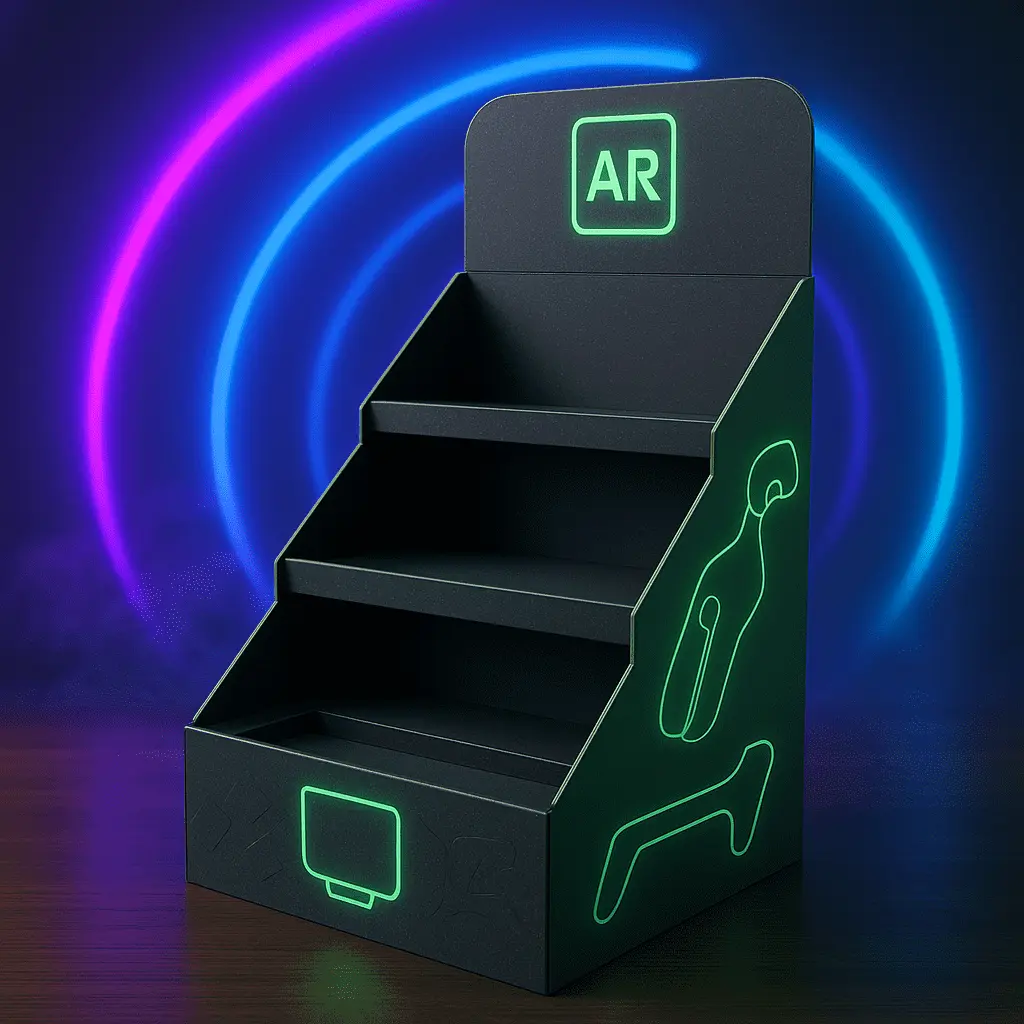
The integration of smart technologies into retail-ready packaging is opening up new possibilities for product interaction and supply chain management. QR codes and NFC tags embedded in packaging allow consumers to access detailed product information, usage instructions, or even augmented reality experiences with a simple smartphone scan.
For retailers and manufacturers, smart packaging offers enhanced traceability and inventory management. RFID tags can provide real-time data on product location and stock levels, enabling more efficient supply chain operations and reducing the likelihood of out-of-stock situations.
Advancements in Printing and Finishing Techniques
The visual appeal of retail-ready packaging has been greatly enhanced by advancements in printing and finishing technologies. High-definition digital printing now allows for photo-realistic images and intricate designs to be reproduced on packaging surfaces, creating eye-catching displays that draw consumer attention.
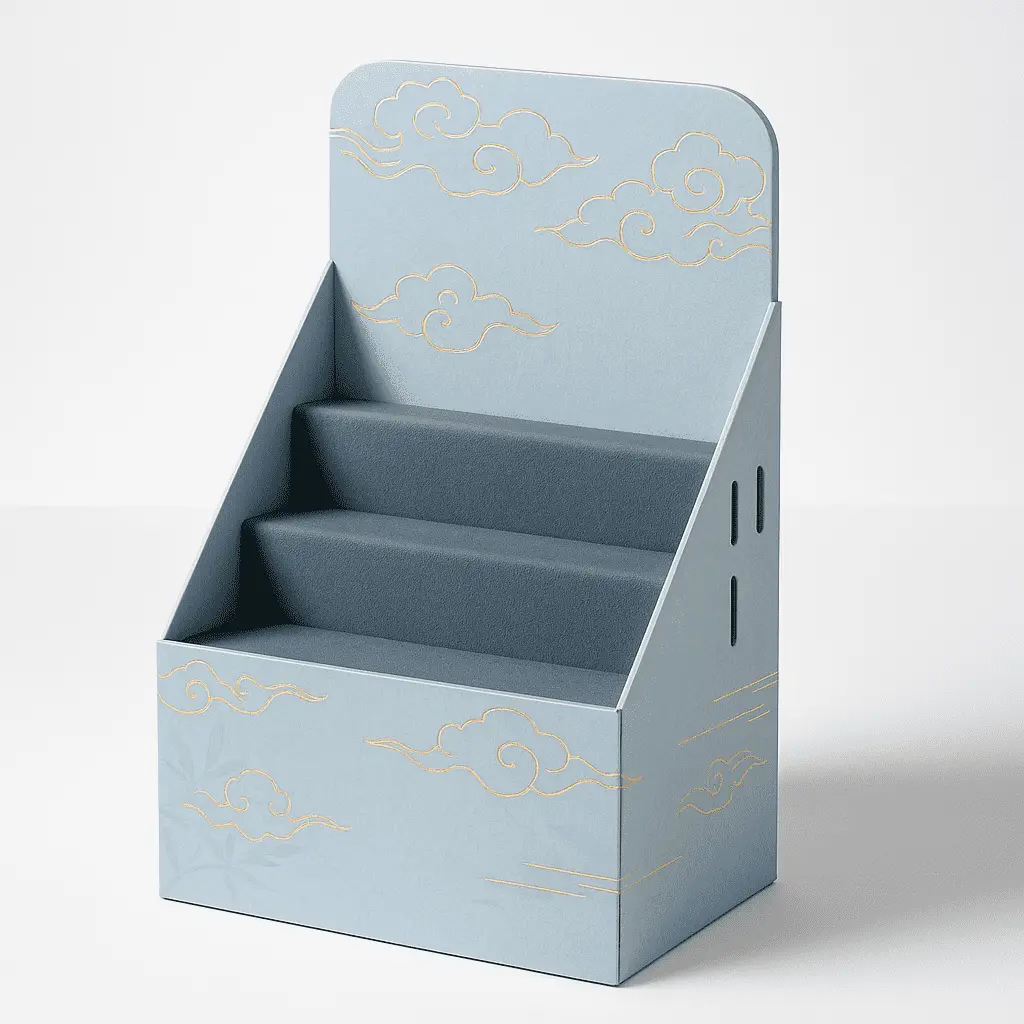
Innovative finishing techniques such as soft-touch coatings, embossing, and holographic effects add tactile and visual dimensions to packaging, elevating the perceived value of products. These enhancements not only make products more attractive on the shelf but can also contribute to a more premium unboxing experience for consumers.
Conclusion
The evolution of retail-ready packaging has transformed it from a mere logistical necessity to a powerful tool for brand communication and sales optimization in the FMCG sector. By combining efficient design, sustainable materials, and innovative technologies, RRP solutions are meeting the diverse needs of manufacturers, retailers, and consumers alike. As the retail landscape continues to evolve, we can expect further innovations in RRP, driving improvements in supply chain efficiency, sustainability, and customer engagement. For FMCG brands looking to stay competitive, investing in well-designed retail-ready packaging is not just a smart choice—it's becoming an essential strategy for success in the modern retail environment.
FAQs
What makes packaging "retail-ready"?
Retail-ready packaging is designed to be easily identified, opened, and displayed on store shelves with minimal handling. It typically features clear branding, easy-open mechanisms, and efficient shelf utilization.
How does retail-ready packaging benefit FMCG products?
RRP enhances shelf presence, reduces labor costs for retailers, improves product visibility, and can lead to increased sales for FMCG products.
Are there sustainable options for retail-ready packaging?
Yes, many manufacturers now offer eco-friendly RRP solutions using recyclable materials, biodegradable plastics, or plant-based alternatives to traditional packaging materials.
Expert Retail-Ready Packaging Solutions for FMCG Products | Fetching Printing
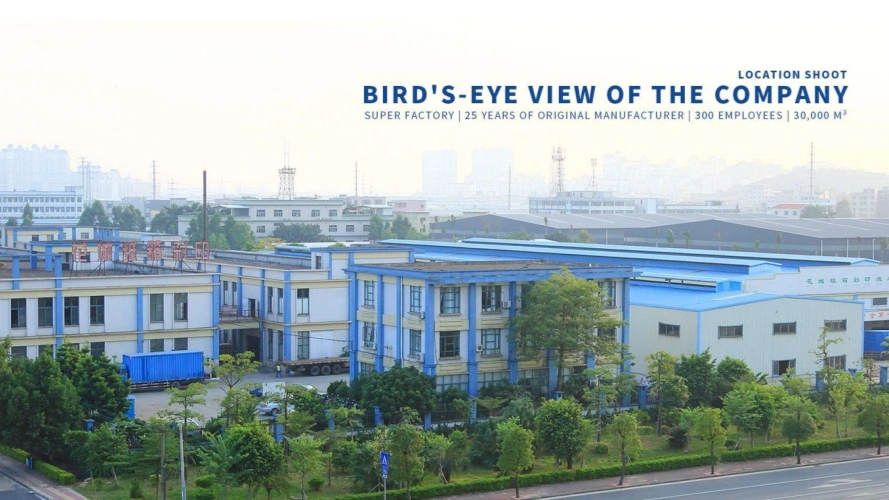
At Fetching Printing, we specialize in creating innovative retail-ready packaging solutions tailored to the unique needs of FMCG products. Our experienced team of packaging engineers combines cutting-edge design with sustainable materials to deliver RRP that maximizes shelf impact and operational efficiency. As a leading manufacturer and supplier in the industry, we offer customized solutions that help your products stand out in the competitive retail environment. Contact us at support@fetchingprinting.com to explore how our expertise can elevate your packaging strategy.
References
Johnson, M. (2022). The Evolution of Retail-Ready Packaging in the FMCG Sector. Journal of Packaging Innovation, 15(3), 78-92.
Smith, A., & Brown, B. (2023). Sustainable Solutions in Modern Retail Packaging. Environmental Packaging Quarterly, 8(2), 112-125.
Garcia, R. (2021). Smart Packaging Technologies: Revolutionizing the FMCG Supply Chain. International Journal of Retail Technology, 12(4), 201-215.
Taylor, S. (2023). Consumer Perceptions of Retail-Ready Packaging: A Global Survey. Retail Marketing Review, 18(1), 45-60.
Lee, H., & Park, J. (2022). The Economic Impact of Retail-Ready Packaging on FMCG Distribution. Supply Chain Management Journal, 29(3), 167-182.
Wilson, D. (2023). Innovations in Materials and Design for Next-Generation Retail Packaging. Packaging Science and Technology, 14(2), 89-103.