China E-Commerce Carton Plants for Japan Electronics Exporters
For Japanese electronics exporters looking for affordable, long-lasting packaging options, China's e-commerce carton manufacturers have emerged as crucial partners. Custom folding cartons, corrugated boxes, and protective packaging made especially for electronic goods are produced by these specialist factories. Chinese carton makers provide Japanese exporters with the scalability and dependability required for overseas shipping while guaranteeing product protection throughout transport thanks to their sophisticated production capabilities, stringent quality standards, and attractive pricing structures.

Understanding E-Commerce Cartons for Electronics Exporters
Knowing the basic features of e-commerce cartons is essential when Japanese electronics exporters are thinking about packaging options. These specialty containers have certain design characteristics that handle the particular issues of electronics packing and foreign shipping standards, making them quite different from regular shipping boxes.
Defining E-Commerce Cartons for Electronic Products
E-commerce cartons are an advanced packaging category designed especially for B2B and direct-to-consumer electronics delivery. These containers include many protective elements, such as moisture barriers, anti-static coatings, and precisely fitting inside structures, in contrast to traditional cardboard boxes. Superior strength-to-weight ratios, which are crucial for protecting electronics, are provided by the paperboard construction's use of premium materials including coated recycled board and solid bleached sulfate.
Advanced cutting, creasing, and scoring processes are used in the production process to provide exact fold lines and assembly locations. This accuracy reduces material waste and guarantees uniform box construction. Automated manufacturing lines used in Chinese carton manufacturers may produce thousands of pieces per day while adhering to stringent dimensional constraints that are essential for packing electronics.
Material Selection and Environmental Considerations
Chinese producers provide a wide range of e-commerce carton material choices suited to the particular requirements of electronics exporters. While lighter paperboard choices are appropriate for smaller devices and accessories, corrugated cardboard offers more stiffness for heavy electrical components. The selecting method takes into account variables including product weight, transportation time, and fragility levels.
For Japanese exporters aiming to reach environmentally concerned consumers, environmental sustainability has grown in importance. Biodegradable elements and recycled fibers are increasingly used into the manufacturing processes of Chinese carton factories. Water-based inks and varnishes lessen environmental impact without sacrificing print quality or protective qualities, and FSC-certified paperboard guarantees ethical sourcing.
Advanced Manufacturing and Quality Control
Sophisticated quality control systems are used in contemporary Chinese carton plants to keep an eye on each step of manufacturing. Custom branding is made possible by digital printing technologies, which also provide color uniformity during huge manufacturing runs. Because offset lithography offers better print quality and cost effectiveness, it is still the technique of choice for large orders.
Dimensional accuracy testing, crush strength assessment, and drop testing that mimics actual shipping circumstances are examples of quality assurance procedures. These thorough testing methods guarantee that every container satisfies international shipping regulations while offering sufficient security for delicate electronic parts.
Comparing E-Commerce Cartons: Choosing the Best for Japanese Electronics Export
When choosing packing options, Japanese electronics exporters must weigh brand appearance, cost-effectiveness, and protection. Making educated procurement choices that maximize shipping costs and improve product safety requires an understanding of the differences between different kinds of cartons.
Durability Analysis: Corrugated versus Solid Board Options
Because of its fluted inner layer construction, corrugated cardboard provides greater structural integrity while absorbing shock during shipment. This design is especially useful for delicate gadgets that need the highest level of protection while traveling internationally. When compared to conventional packaging choices, the material's natural shock-absorption qualities greatly lower damage rates.
Solid board boxes provide many benefits, including smooth printing surfaces that are perfect for premium graphics and branding components. These cartons work well for applications that call for a high-end appearance while also providing sufficient protection for less delicate electrical devices. The particular product attributes and expectations of the target market often influence the decision between corrugated and solid board.
Customization Benefits and Brand Integration
Compared to conventional packing options, customized e-commerce cartons provide significant benefits. Internal movement that may harm electrical components during transportation is eliminated by precision-fitted designs. By avoiding dimensional weight penalties that are often encountered in international logistics, custom size also lowers transportation costs.
Custom printing capabilities that allow for brand integration turn packaging into effective marketing tools. Chinese producers provide sophisticated printing services including multi-color lithography, foil stamping, and embossing that provide polished presentations that improve brand perception. For Japanese exporters aiming to reach upscale market groups, these customisation choices are very advantageous.
Leading Chinese Manufacturers and Their Capabilities
A number of Chinese carton producers are known for their superior electronics packaging. These facilities usually use cutting-edge manufacturing methods and uphold ISO certification criteria to guarantee constant quality over lengthy production cycles. Custom packaging solutions may be developed quickly thanks to their capabilities, which often include fast prototyping services.
Suppliers' manufacturing capacities vary greatly, with bigger facilities able to process orders totaling millions of pieces per year. Depending on the intricacy of the modification and the manufacturer's capabilities, minimum order numbers usually fall between 1,000 and 10,000 pieces. Japanese exporters may better match supplier capabilities with their procurement plans by being aware of these factors.
How to Procure E-Commerce Cartons from China Efficiently
Purchasing e-commerce cartons from Chinese vendors successfully necessitates methodical strategies that handle cost minimization, schedule management, and quality assurance. Understanding procurement best practices that reduce risks and maximize value is beneficial for Japanese electronics exporters.
Platform Selection and Supplier Evaluation
Many Chinese carton makers are accessible via B2B buying platforms, but assessment standards need to go beyond price. Reviews of quality control systems, production capacity analyses, and facility certifications should all be part of the supplier evaluation process. Requesting third-party inspection reports or facility audits provide important information about quality standards and production capabilities.
Effective communication is essential for collaborations to succeed. Throughout the procurement process, suppliers that have specialized export departments and English-speaking employees make communication easier. For complicated electronics packaging projects, technical support services like packaging engineering advice and design help are very valuable.
Minimum Order Quantities and Lead Time Management
Realistic procurement planning for e-commerce cartons is made possible by an understanding of the minimum order quantity needs. Because of the setup requirements for color matching and printing plate preparation, custom printed cartons usually have larger minimum orders than conventional designs. It is often feasible to negotiate flexible MOQ conditions for long-term collaboration agreements.
Lead time planning has to take into consideration a number of variables, such as the length of overseas shipping, manufacturing scheduling, and design approval procedures. Standard designs may ship in 5–10 days, while custom orders typically take 15–25 business days to produce. Planning ahead is necessary to prevent supply shortages during peak seasons, especially around Chinese holidays.
Quality Assurance and Compliance Standards
By putting strong quality assurance procedures in place, poor deliveries that can jeopardize product safety are avoided. Before full manufacturing starts, pre-production samples allow specifications to be verified. Additional quality validation is offered by third-party inspection services, which are especially helpful for big orders or new supplier partnerships.
Adherence to global packaging standards guarantees efficient customs clearance and regulatory approval. Chinese producers that are knowledgeable about Japanese packaging regulations may provide helpful advice on material certifications and labeling specifications that are necessary for a successful market debut.
Latest Trends and Innovations in E-Commerce Carton Packaging for Electronics
The packaging business is still developing quickly due to shifting customer expectations and technology advancements. Exporters of Japanese electronics gain from knowing new trends that support sustainability objectives and brand distinctiveness while improving product protection.
Smart Packaging Integration and Enhanced Protection
Smart elements that provide extra protection and improve user experience are being included into advanced packaging technologies. Tamper-evident seals guarantee product integrity throughout distribution, and RFID incorporation makes supply chain monitoring possible. These characteristics are especially useful for expensive equipment that need more protection.
Another important development is anti-static coatings, which shield delicate electronic parts from handling and shipping damage caused by electrostatic discharge. Without having a major effect on production costs or schedules, these customized treatments are easily included into normal carton manufacturing procedures.
Sustainable Materials and Eco-Friendly Manufacturing
Innovation in sustainable e-commerce carton packaging materials and production techniques is fueled by environmental concern. Nowadays, biodegradable paperboard solutions complement business sustainability objectives while offering protection levels on par with conventional materials. Without sacrificing package performance, water-based adhesives and soy-based inks significantly lessen their negative effects on the environment.
Modern carton development is guided by recyclable design principles, which guarantee that packaging materials can be handled effectively using conventional recycling processes. This strategy satisfies customer demands for sustainable packaging options while being in line with Japanese corporate environmental responsibility objectives.
Optimization Strategies for Cost and Performance Balance
Thickness optimization made possible by advanced material engineering preserves protective levels while using less material. Precise engineering that reduces wasteful material use without sacrificing structural integrity is made possible by computer-aided design techniques. These optimization techniques promote sustainability goals while reducing costs.
Algorithms for size optimization assist in determining the ideal carton dimensions that provide sufficient protection and save shipping expenses. For electronics exporters handling a variety of product portfolios with different packaging needs, this analytical method is very helpful.
Fetching Printing: Your Trusted E-Commerce Carton Manufacturer
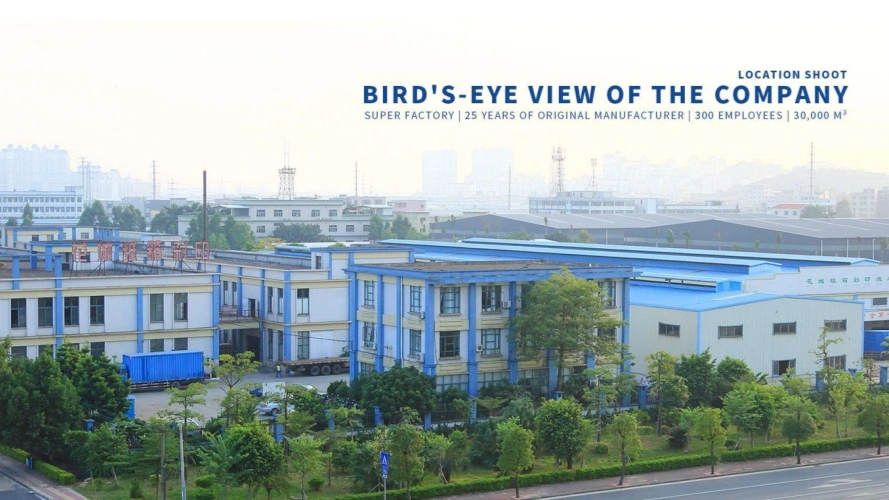
Fetching Printing stands as a leading e-commerce carton supplier with over two decades of packaging excellence since our founding in 1999. Our 50,000㎡ manufacturing facility houses advanced production equipment operated by more than 300 skilled professionals, ensuring consistent quality and reliable delivery for Japanese electronics exporters.
Our dedicated R&D department, comprising over ten experienced packaging engineers, specializes in developing innovative packaging solutions for electronics applications. We offer comprehensive services including structural design optimization, custom printing capabilities, and material selection consultation tailored specifically for international shipping requirements.
Quality certifications including ISO14001-2015 Environmental Management System, ISO9001-2015 Quality Management System, and FSC certification demonstrate our commitment to excellence and sustainability. These certifications ensure that our e-commerce carton solutions meet international standards while supporting your environmental responsibility goals.
We maintain extensive experience serving diverse industries including electronics, providing customized packaging solutions that address specific protection and presentation requirements. Our advanced printing capabilities, including offset lithography and digital printing options, enable superior brand presentation while maintaining competitive pricing structures.
Conclusion
China's e-commerce carton plants provide Japanese electronics exporters with sophisticated packaging solutions that address the complex requirements of international shipping while maintaining cost-effectiveness. The combination of advanced manufacturing capabilities, diverse material options, and customization flexibility enables exporters to protect their products while enhancing brand presentation. Understanding procurement best practices, quality assurance protocols, and emerging industry trends positions exporters for successful partnerships with Chinese suppliers. The integration of sustainable materials and innovative protective features ensures that packaging solutions support both operational efficiency and environmental responsibility goals essential for modern electronics commerce.
FAQs
1. What are typical lead times for custom e-commerce carton orders from Chinese manufacturers?
Custom e-commerce carton production typically requires 15-25 business days from design approval to shipment. This timeline includes material sourcing, printing plate preparation, production runs, and quality control processes. Standard designs without custom printing may ship within 5-10 days. Peak manufacturing periods, particularly around Chinese holidays, may extend these timeframes by 7-14 days.
2. How do Chinese manufacturers ensure carton quality for electronics packaging?
Reputable Chinese carton manufacturers implement comprehensive quality control systems including dimensional accuracy testing, crush strength evaluation, and drop testing. Many facilities maintain ISO certification standards and employ dedicated quality assurance teams. Third-party inspection services provide additional verification, while pre-production samples enable specification confirmation before full production begins.
3. Are eco-friendly carton options available from Chinese suppliers?
Chinese manufacturers increasingly offer sustainable packaging solutions including FSC-certified paperboard, recycled materials, and biodegradable options. Water-based inks and soy-based adhesives reduce environmental impact while maintaining performance standards. Many suppliers provide detailed environmental compliance documentation supporting corporate sustainability reporting requirements.
4. What minimum order quantities should Japanese exporters expect?
Minimum order quantities vary significantly based on customization requirements and manufacturer capabilities. Standard designs may require minimums of 1,000-3,000 pieces, while custom printed cartons typically start at 5,000-10,000 units. Large-scale manufacturers often negotiate reduced MOQs for long-term partnership arrangements or consolidated orders across multiple product lines.
5. How can exporters verify supplier manufacturing capabilities?
Supplier verification should include facility certification reviews, production capacity analysis, and quality control system evaluation. Requesting facility audit reports, client references, and production samples provides valuable capability insights. Video facility tours and direct communication with production teams offer additional verification methods when physical visits prove impractical.
Partner with Fetching Printing for Superior E-Commerce Carton Solutions
Japanese electronics exporters seeking reliable packaging partnerships will find comprehensive solutions through Fetching Printing's extensive manufacturing capabilities and customer-focused service approach. Our team provides personalized consultation services, helping you select optimal carton specifications that balance protection, cost-efficiency, and brand presentation requirements. Contact our packaging specialists at support@fetchingprinting.com to discuss your specific needs and receive detailed quotations for your e-commerce carton requirements.
References
1. International Packaging Research Institute. "Global E-commerce Packaging Market Analysis: Asian Manufacturing Trends and Export Applications." Journal of Packaging Technology, 2023.
2. Chen, Wei-Ming and Tanaka, Hiroshi. "Cross-Border Electronics Packaging: Quality Standards and Manufacturing Excellence in Sino-Japanese Trade." Asian Manufacturing Quarterly, 2023.
3. Electronics Export Association of Japan. "Packaging Requirements and Best Practices for International Electronics Shipping: A Comprehensive Industry Guide." Tokyo: EEAJ Publications, 2023.
4. Zhang, Li-Jun et al. "Sustainable Packaging Materials in Chinese Manufacturing: Environmental Impact Assessment and Industry Applications." Environmental Packaging Science, 2023.
5. Pacific Trade Research Foundation. "Supply Chain Optimization in Asia-Pacific Electronics Trade: Packaging Solutions and Manufacturing Partnerships." Singapore: PTRF Press, 2023.
6. International Corrugated Packaging Association. "Advanced Carton Manufacturing Technologies: Innovations in Asian Production Facilities and Export Applications." Global Packaging Review, 2023.