End Cap Display Cost: What Influences Pricing
Understanding how the prices of end cap display options change over time is important for procurement workers who want to keep costs low while increasing store exposure. The end price of these strategic store fixtures is affected by a number of interconnected factors, such as the quality of the materials, the amount of customization needed, the order volume, and the source relationships. Shipping, installation, and ongoing upkeep costs are all added to the initial buy price to get the total cost of ownership. The best buying teams look at all of these price factors together to find displays that give them the best return on investment while also meeting the image and functionality needs of their stores.
Understanding End Cap Displays and Their Pricing Fundamentals
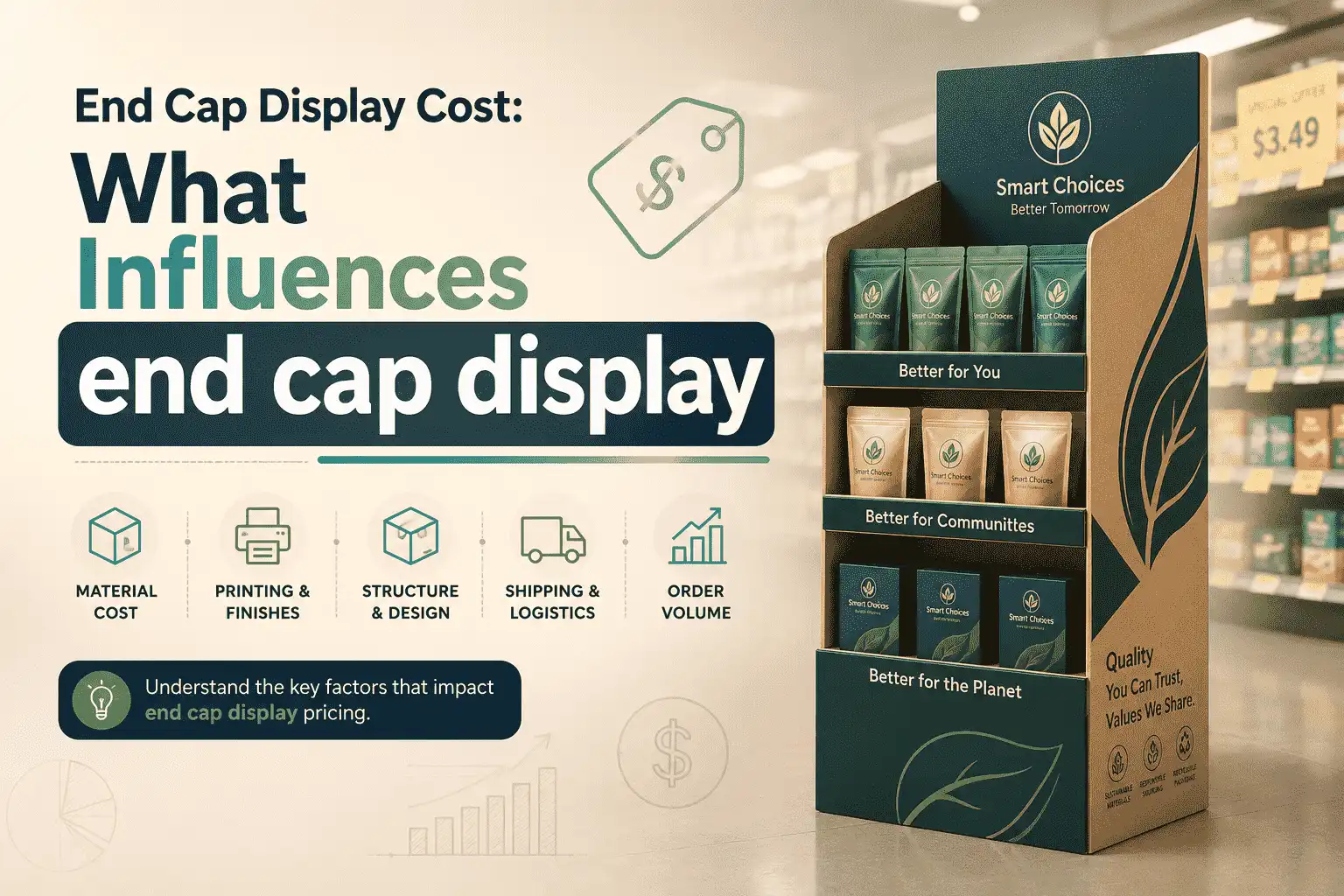
End cap display units are smart store features that are put at the ends of aisles to make products stand out and encourage people to buy things on the spot. These specialized screens come in a range of shapes and sizes, from simple metal frames to high-tech digital units with interactive features. More and more, stores are realizing that these areas are great for promoting products because studies show that they can get up to 30% higher conversion rates than regular shelf placement.
Material Selection and Base Pricing Structure
Display price starts with the choice of material, which has an effect on both how long it lasts and how nice it looks. Corrugated cardboard displays are a cheap way to run short-term sales. They come in a range of styles, from simple single-wall models to stronger triple-wall models that can be used for longer periods of time. Although they cost more at first, metal displays, especially those with aluminum or steel frames, last longer when they are permanently installed.
Sustainability materials have become very popular in recent years. Some examples of eco-friendly materials are bio-based plastics and recycled cardboard composites. These choices are usually more expensive because they are better for the environment, but they are in line with companies' efforts to be more environmentally friendly and with what customers want in terms of responsible packing.
Design Complexity and Customization Factors
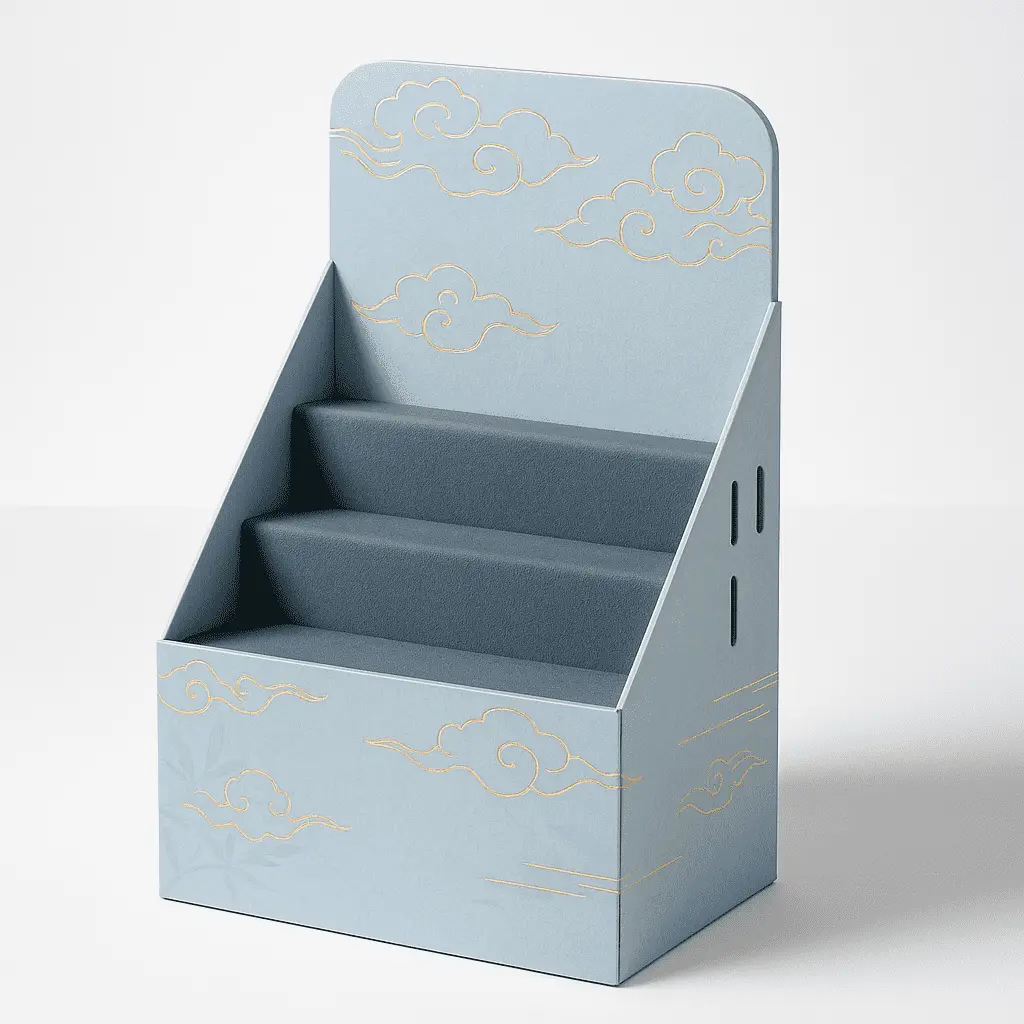
Display units that are simple have standard sizes and easy-to-use building methods. Display units that are more complicated have multiple levels, moving parts, or built-in lighting systems. Customization needs have a big effect on prices, with branded images, custom color matching, and structural changes that aren't common adding a lot to the base price.
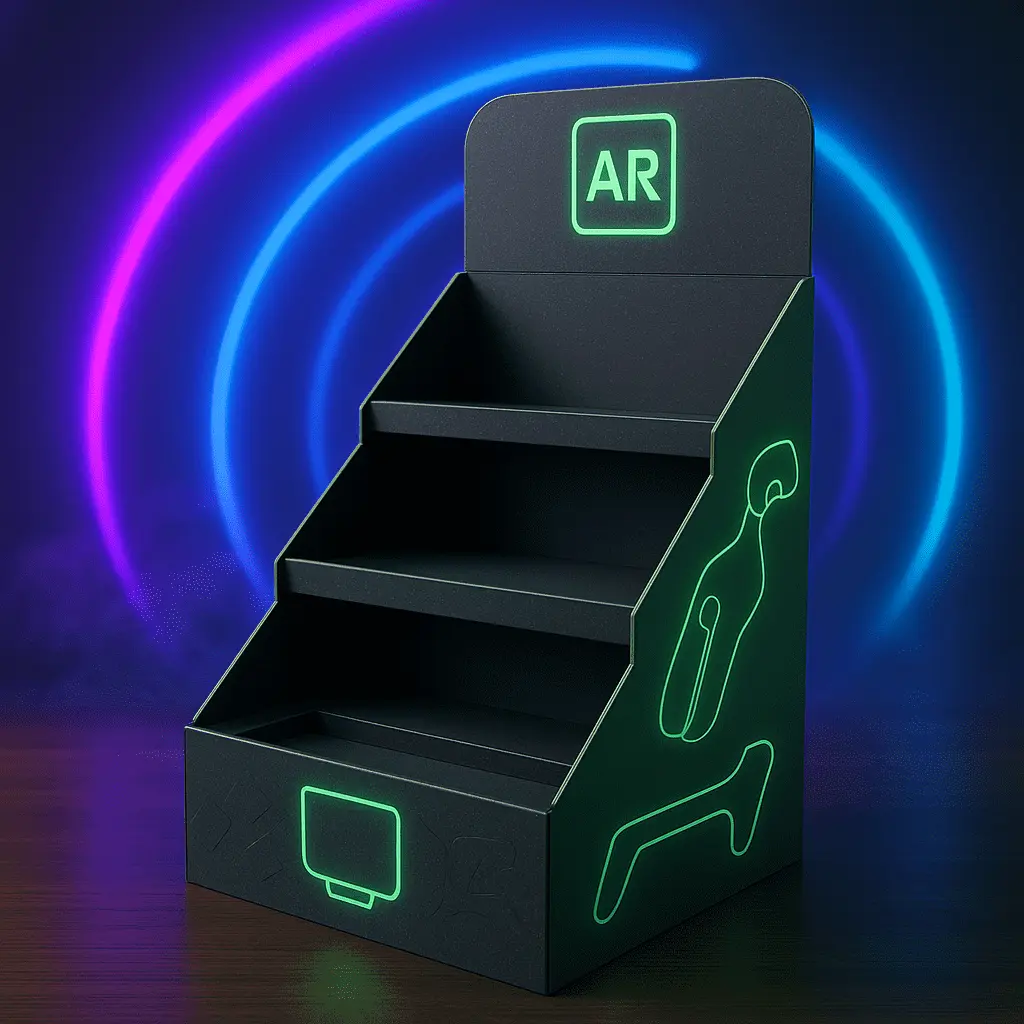
Digital integration, such as touchscreens, LED lights, or smart product tracking systems, is the most expensive type of display. These advanced features can make base prices go up, but they offer better ways to connect with customers and important data collection opportunities for brands that want to learn more about how customers interact with them.
Key Factors Influencing End Cap Display Cost
A lot of different factors come together to decide how much store display solutions cost in the end. Each factor adds to the overall cost. When procurement teams know about these things, they can make smart choices that balance price limits with useful needs.
Manufacturing Scale and Volume Considerations
One of the most important factors that affects prices for end cap display is the number of items you order. Manufacturers offer big savings for buying in bulk. Setup costs and inefficient production often make the cost per unit higher for small orders. On the other hand, orders over 1,000 units often get access to lower prices.
Cost structures are also affected by manufacturing agreements. For example, direct relationships with original equipment makers (OEMs) usually offer better prices than distributor arrangements. Long-term supply deals can save you even more money by guaranteeing volume promises and making it easier to plan production.
Geographic and Logistical Impact
The location of the supplier has a big impact on the total cost because of shipping costs, wait times, and possible visa issues for orders coming from other countries. Most of the time, domestic sellers can deliver faster and charge less for shipping, but their unit prices may represent higher labor costs. International providers may have lower production costs, but you need to carefully look at the total landed costs, which include taxes, freight, and any quality control issues that might come up.
Shipping methods also affect how much something costs. Standard road transportation is usually the cheapest option for orders that don't need to be delivered right away, but faster shipping or special handling needs for fragile displays can make the whole project much more expensive.
Quality Standards and Certification Requirements
Certifications and quality standards in an industry affect prices by making manufacturing processes better and making sure that products are safe. To get food-grade licenses for displays used in grocery stores, certain materials and testing methods are needed, which raises the cost of production. Similarly, treating displays in some stores with fire-resistant materials costs more in both materials and labor.
Some quality assurance programs, like third-party testing and certification, make prices go up, but they make sure that performance standards are met and that regulations are followed. These advances in quality usually lead to displays that last longer and cost less to update over time.
Comparing End Cap Display Pricing with Market Alternatives
End cap display options are one of a kind in the market for store fixtures, and they offer clear benefits over other ways to promote products. Standard shelf displays show off products in a basic way, but end cap units placed in the right places can make a bigger effect and be seen more clearly. Shelf displays usually cost 40–60% less than end cap options, but they get a lot fewer people to interact with them.
Value Proposition Analysis
When you look at success measures and sales effect, the higher price for end cap displays makes sense. Statistics from stores show that putting items on end cap displays makes them sell 23–35% more often than putting them on regular shelves. The extra money spent is usually returned within the first promotional run thanks to the better results.
Different types of advertising, like floor displays that stand alone or signs that hang from the ceiling, have different costs but might not have the same effect on sales. Floor displays take up important store room and can make it hard for customers to get around, and overhead signs don't let customers connect with the products like well-designed end cap solutions do.
Total Cost of Ownership Evaluation
Besides the initial purchase price, the total cost of ownership includes the time it takes to put something together, the cost of repairs, and how often it needs to be replaced. More expensive displays of higher quality usually last longer, which lowers the cost of replacement over time and keeps operations running smoothly.
Different types of displays are very different in how hard they are to install. Simple cardboard units only take a short time to set up, while complicated metal displays may need to be installed by a professional. These work issues become especially important for stores that have more than one location or change their displays often.
Best Practices for Procuring End Cap Displays to Optimize Cost Efficiency
Cost optimization, quality standards, and managing relationships with suppliers are all important parts of good buying strategies. Setting clear specifications and performance goals helps providers give accurate prices and keeps things from getting confusing during the buying process.
Supplier Evaluation and Selection Criteria
A good source evaluation looks at more than just the price at first. It also looks at things like production capacity, quality stability, and how quickly customer service responds. Even though they might cost more, suppliers with ISO licenses and well-established quality control systems are usually more reliable.
Communication skills and access to expert help are very important during the growth of a project and the solving of problems. Suppliers who offer specialized account management and engineering help can add a lot of value by suggesting ways to improve designs and cut costs.
Volume Planning and Timing Strategies
Strategic order planning can help you save a lot of money by letting you combine orders and make the best use of your production schedule. When you combine multiple display needs into one order, you can often get better prices and lower shipping costs per unit.
Flexible timing lets providers make the best use of their production plans and offer better prices for orders that fit into their production capacity well. Rush orders usually cost more because they need to be processed faster and can't wait for processing.
Long-term Partnership Development
One of the most important factors that affects prices for end cap display is the number of items you order. Manufacturers offer big savings for buying in bulk. Setup costs and inefficient production often make the cost per unit higher for small orders. On the other hand, orders over 1,000 units often get access to lower prices.
Regular performance reviews and feedback sessions help keep the level of service high and find ways to cut costs and improve processes. Working together in these ways often leads to new ideas that cut costs while making displays work better.
Installation Guide and Tutorial for End Cap Displays
Installation that is done correctly makes sure that end cap display units work as designed and last as long as possible. The process of installing a display depends a lot on how complicated it is. Simple cardboard units only need to be put together in a few steps, while complex metal structures need to be installed by a professional.
Pre-Installation Planning and Preparation
For installations to go well, the place must first be carefully evaluated and prepared. This includes measuring the room, figuring out what the structure needs, and figuring out what tools are needed. Most standard setups only need simple hand tools, but more complicated displays may need special tools or electrical links for lighting systems.
Before starting to put the parts together, inventory verification makes sure that all of them are there and not harmed. Finding missing or broken parts early on in the process keeps the building process from being held up and can help keep people safe.
Assembly Process and Quality Validation
The steps for putting something together should be carefully followed to make sure the structure is strong and that it works right. Each connection point needs to be checked to make sure it is securely attached, especially for displays that hold a lot of weight or have moving parts.
After installation, testing includes making sure the structure is stable, making sure any motorized parts work, and looking at how it looks to make sure the brand presentation meets standards. When you need to do upkeep or troubleshooting in the future, having proof that the process was completed is very helpful.
Maintenance and Lifecycle Management
Regular repair plans help stretch the life of displays while keeping them looking and working their best. Simple cleaning procedures keep the quality of the pictures, and regular structure checks find problems before they affect the display's performance.
Planning for a replacement takes into account the state of the show, changes to the promotional schedule, and changing brand needs. Active replacement plans keep failures from happening out of the blue and make the best use of marketing campaigns and yearly sales to time display refreshes.
Conclusion
The prices of end cap display options depend on many factors, including the quality of the materials, the complexity of the design, the size of the production run, and the ties between buyers and sellers. To be successful at buying, you need to look at the total cost of ownership as well as the original purchase price. Pricing is based on a number of factors, including volume, location, and quality standards. Good construction and care techniques ensure the highest return on investment. By knowing how prices change and using smart buying strategies, companies can get advertising solutions that work well and help their stores do better while keeping costs low.
FAQ
What determines the base price of retail display fixtures?
The main things that affect the base price are the materials chosen, the size of the show, and how complicated the structure is. Usually, cardboard displays are the least expensive way to start, while metal structures with unique features cost a lot more. The number of units made also has a big effect on unit prices, and bigger orders can get big discounts for buying in bulk.
How do customization requirements affect total project costs?
Depending on the amount of difficulty, customization raises the base price by 25 to 75 percent. Simple changes to colors and graphics can slightly raise prices, but changes to the structure, special finishes, or combined technology systems can greatly raise prices. Extra one-time costs come from the need for custom tools for unique designs.
What shipping considerations influence overall project budgets?
Shipping costs depend on the size, weight, and target distance of the display, as well as the shipping time frame that is needed. Large displays may need to be shipped by freight, and fragile structures need special care and packing. Customs fees and longer shipping times for international sales raise the overall cost of the job.
Partner with Fetching Printing for Your Display Solutions
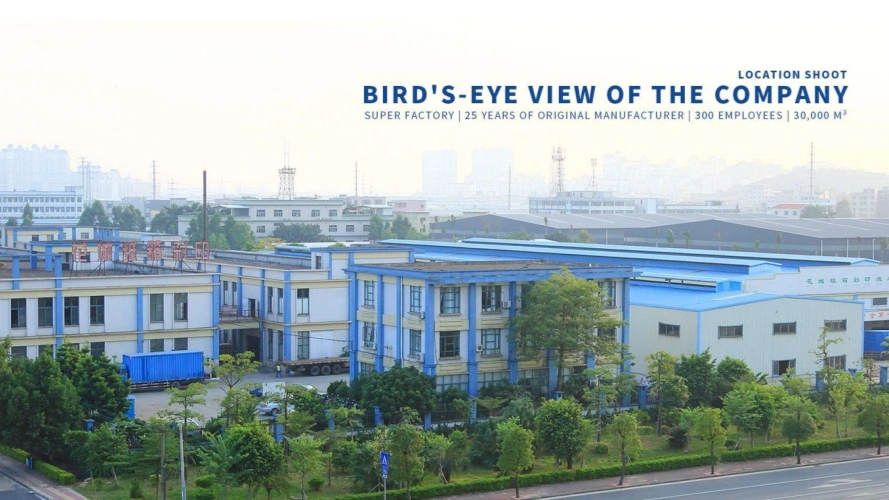
Use our many years of experience as a leading end cap display supplier to transform your retail presence with cost-effective, high-quality display solutions. Fetching Printing's 25-year manufacturing heritage combines advanced production capabilities with comprehensive customization options tailored to your specific brand requirements. Our team of packaging engineers specializes in developing innovative display designs that maximize visual impact while optimizing production costs through efficient material utilization and streamlined manufacturing processes.
Our ISO-certified facilities ensure consistent quality standards while offering competitive pricing through volume discounts and long-term partnership benefits. Contact our specialists at support@fetchingprinting.com to discuss your display requirements and discover how our expertise can deliver exceptional value for your retail marketing investments.
References
Johnson, Michael R. "Retail Display Effectiveness: A Comprehensive Analysis of Consumer Behavior and Sales Impact." Journal of Retail Marketing Strategy, 2023.
Thompson, Sarah L., and David Chen. "Cost Optimization in Point-of-Purchase Display Procurement: Best Practices for B2B Buyers." Industrial Procurement Quarterly, 2023.
Williams, Robert K. "Material Science Applications in Modern Retail Display Manufacturing." Packaging Technology Review, 2022.
Martinez, Elena P. "Sustainability Trends in Retail Fixture Design and Manufacturing." Environmental Packaging Solutions, 2023.
Anderson, James M., et al. "Supply Chain Management for Retail Display Systems: A Global Perspective." International Commerce and Logistics, 2022.
Lee, Catherine Y. "Digital Integration in Physical Retail Environments: Technology Adoption and Cost Analysis." Retail Innovation Studies, 2023.