The global folding carton market is changing quickly. In 2026, procurement professionals will have to make important choices between Chinese and American sellers. Chinese manufacturers usually have lower costs by 20% to 40% because of economies of scale. On the other hand, US suppliers offer better quality certifications and shorter wait times. Unit costs are no longer enough for smart sourcing decisions. Total value propositions should be considered instead. Things like how well you can customize the product, adherence to environmental regulations, and the possibility of a long-term relationship should all be taken into account to make the best packaging procurement choices.
Understanding Folding Cartons: Types, Materials, and Production Processes
Today's packing standards require a deep knowledge of paperboard packaging options for a wide range of uses. The landscape includes a lot of different box types that are made to meet the wants of different industries.
Common Carton Types and Applications
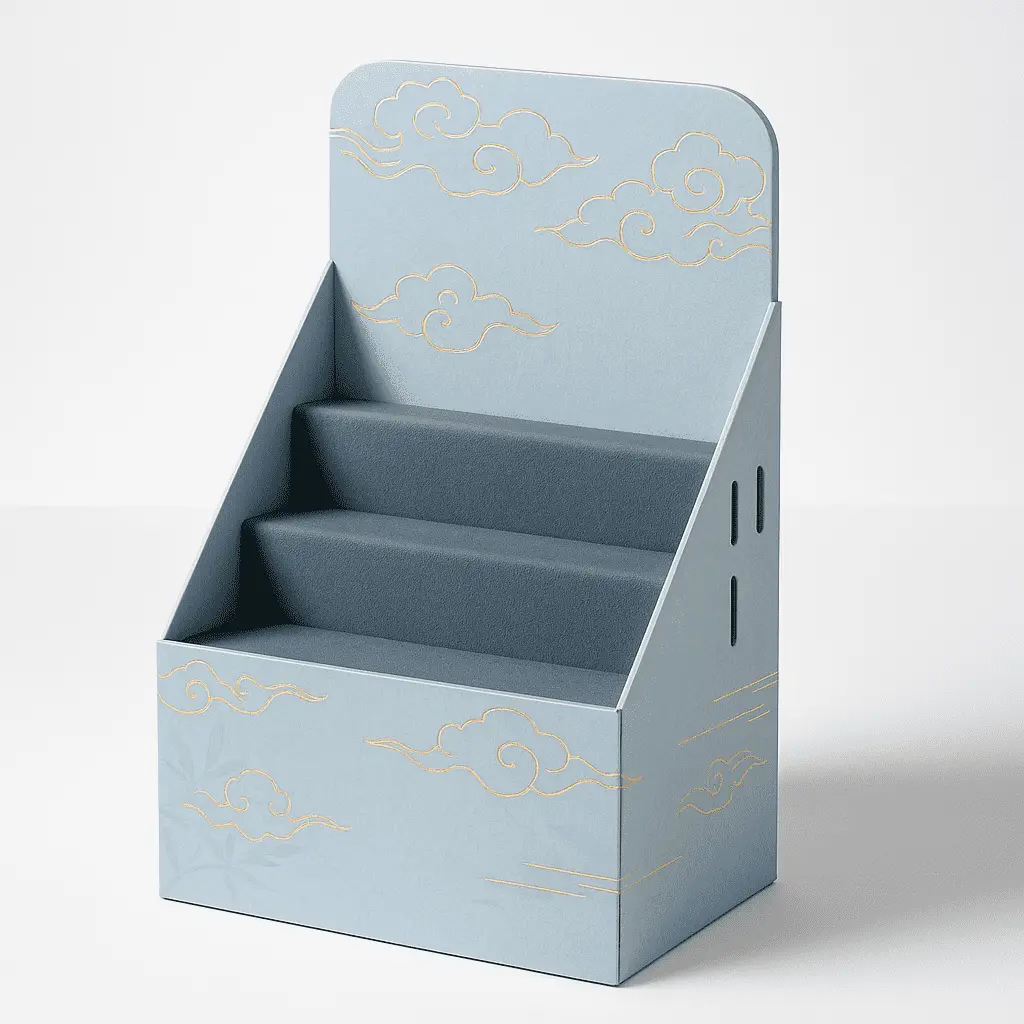
Standard folding cartons serve as the basis for most consumer goods packaging, utilizing SBS (Solid Bleached Sulfate) or recycled paperboard substrates. Tuck-end cartons are the most popular type of box for food, while rigid boxes are the most popular type for high-end makeup and electronics. Specialty designs include auto-lock bottom boxes for heavy items and display-ready packing that can be used for both shipping and display without any extra steps.
The performance qualities are greatly affected by the choice of material. Virgin fiber paperboards have better printing capabilities and structural strength, making them perfect for high-end uses. Choices with recycled content meet requirements for environmental sustainability while still being strong enough. Chinese and American companies both offer a wide range of materials that meet environmental rules and customer wants.
Production Technology Differences
Manufacturing methods change a lot from one area to another, which impacts the quality of the output and the ability to make unique products. Advanced die-cutting tools make sure that bending and putting things together are done with precision. At the same time, multi-color offset printing systems make sure that the brand is always reproduced correctly. Chinese factories are using more automated inspection systems, but American makers are focusing on quality control protocols and lean production methods.
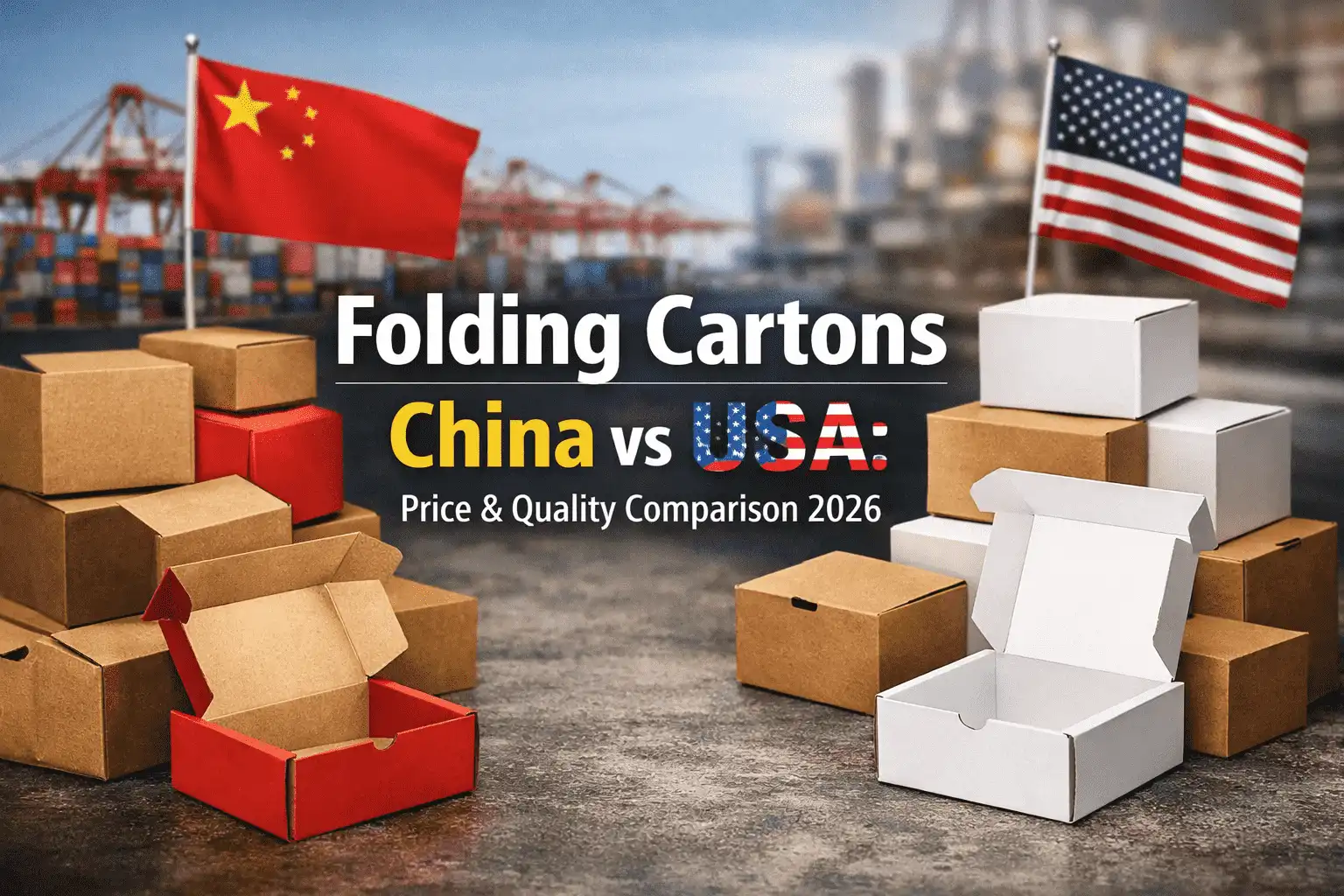
Price Comparison: China vs USA Folding Cartons in 2026
A full cost study looks at more than just the price per unit; it also looks at the total cost of buying something and the value of delivering it, including the folding carton. Final project prices in both sourcing areas are affected by a number of different factors.
Cost Structure Analysis
Chinese manufacturers take advantage of cheaper labor and materials. This is especially helpful for high-volume orders of more than 50,000 pieces. Specialized production groups make manufacturing more efficient, which also helps with costs. On the other hand, American sellers focus on high prices because they offer better service and follow the rules better.
When looking at area choices, you need to be careful about checking for hidden costs. The total cost of buying from China can be affected by international shipping, customs duties, and longer payment terms. For complicated projects, it is helpful that American suppliers often include design help, prototyping, and technical advice in their normal pricing.
Minimum Order Quantity Considerations
MOQ needs have a big impact on how procurement plans vary among various groups of suppliers. Chinese manufacturers usually ask for higher volume agreements, but they also offer a lot of savings that come with higher production levels. American suppliers offer more freedom for short production runs and seasonal campaigns, which supports a range of business models and testing needs.
Quality and Performance: Comparing Standards and Strength
Quality metrics include more than just basic material qualities. They also look at how consistent the material is, whether it meets certification requirements, and whether it performs reliably across all production runs.
Certification and Compliance Standards
Both areas have quality control systems that cover everything, but they use very different ways to put them in place. For food packaging and strict environmental standards, American companies often stress the importance of following the rules of the FDA. More and more Chinese suppliers are using international standards and creating strong internal quality procedures that meet global expectations.
Testing methods show major differences in results. Edge crush strength, burst resistance, and print binding tests show what a material can do in real-life situations. It becomes very important for food applications to have advanced moisture barrier qualities and resistance to grease. This is because meeting the standards for regulatory compliance goes beyond just meeting basic structural needs.
Print Quality and Design Capabilities
The quality of a visual presentation has a direct effect on how people think about a company and how interested they are in buying from it. Premium wrapping features high-resolution printing, consistent colors, and special ways to finish the package. When it comes to making small changes to standard designs, American companies often do a great job with unique small-batch production and quick prototyping. On the other hand, Chinese companies make things cheaper for designs that don't need to be changed.
Supplier and Service Landscape: Choosing the Right Partner
When choosing a partner, they must be able to do more than just simple manufacturing. Long-term partnership success depends on similar ways of working and compatible business goals.
Manufacturing Capabilities and Scalability
The amount of work that can be done varies greatly between types of suppliers, including folding carton production. This affects both the cost of projects and the ability to accommodate growth. When a lot of things need to be made or not very many things need to be made, big Chinese companies are usually able to handle it because they run more than one production line. American suppliers usually focus on being flexible and able to respond quickly so they can meet pressing needs and changes in demand that happen with the seasons.
Here are the main benefits of working with business partners:
- Devoted production planning that makes sure the shipping schedules and inventory management are always in line
- Technical support teams that help with choosing materials and optimizing designs
- Quality control safety checks making sure that all production runs meet the specifications
- Sustainable buying programs that help companies meet their environmental goals
These benefits make it easier to get things done while keeping an eye on product quality and delivery speed, which are important for successful packaging projects.
Environmental Sustainability Initiatives
As more companies feel the need to be environmentally friendly, the sustainability of a source often becomes an important factor in the choice of who to work with. FSC certification, use of recycled materials, and programs that lower carbon footprints show that a company is committed to doing the right thing. Both areas offer a wide range of environmentally friendly options, but the time and cost needed to apply them may be very different.
How to Decide: Which Folding Carton Supplier Fits Your Business Needs?
When making strategic sourcing choices, you need to carefully consider a number of factors that are in line with your business goals and the way your company operates.
Industry-Specific Requirements Assessment
Different industries need different kinds of packaging, which affects how buyers choose their suppliers. Electronics companies care more about print quality, structural beauty, and anti-static treatments, while cosmetics companies care more about protective properties and print quality. Food makers have to make sure that they follow the rules and that their barriers work properly. On the other hand, e-commerce apps focus on shipping durability and cost effectiveness.
Brands that need to change the style or the look for the season often need a lot of customization options. When it comes to complex customization requests, American suppliers are usually better at responding quickly. On the other hand, Chinese makers are better at making a lot of standardized products with small changes.
Strategic Negotiation Approaches
When you negotiate buying, you need to think about how much you want to spend, how much you care about quality, and how much you care about service. Delivery schedules, payment terms, and volume agreements make it possible to get better price arrangements. Long-term contracts often guarantee good prices and steady supply during market changes.
Risk mitigation methods should be able to deal with changes in the quality of the product, problems with the supply chain, and issues with communication. While still keeping the pressure on suppliers to offer low prices, dual sourcing can give you back-up choices.
Company Introduction & Product Service Information
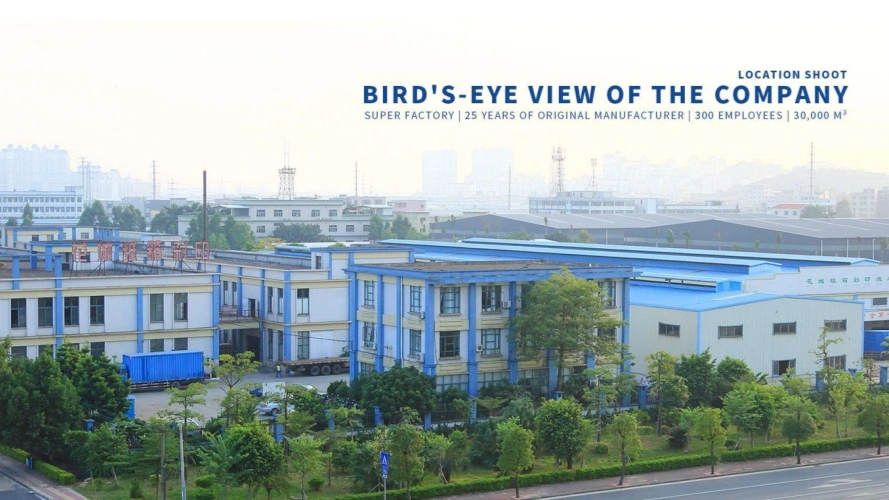
Fetching Printing is a top packaging maker with 25 years of experience in the field. We work out of our 50,000 square meter facility, and more than 300 skilled pros work here. Our wide-ranging skills include making custom packages, including folding cartons, for many different types of businesses, such as those that work with cosmetics, gadgets, food, or high-end goods.
Our R&D department, which is made up of over ten packaging engineers with a range of expertise, is always finding new ways to improve how materials are used, how structures are designed, and how processes are streamlined. High-tech manufacturing tools keep the quality uniform and the production speed high, which helps the business stay competitive. We are committed to environmental duty and quality excellence, which is why we have ISO14001-2015, ISO9001-2015, FSC, and G7 Color Management certifications.
We are great at offering custom packing that is both cheap and high-quality. We are experts in normal paperboard boxes, high-end rigid boxes, and environmentally friendly options. Our team is here to help you with every step of the buying process, whether you need high-volume production runs or specialized small-batch customizations.
Conclusion
In 2026, both Chinese and American packaging channels offer great possibilities, each with its own benefits for different business needs. While American factories offer better quality and faster service, Chinese providers continue to offer great prices and the ability to scale up production. Success means making sure that the suppliers you choose can meet the needs of your project, while also taking into account your budget, quality standards, and delivery dates. Long-term partnership potential and supply chain resilience are two things that smart buying strategies are starting to focus on more. These strategies look at total value propositions instead of just unit prices.
FAQs
What are the biggest changes in the quality of folding cartons made in China compared to those made in the United States?
Chinese manufacturers focus on cost-effective options with better quality controls and more advanced automation systems. US manufacturers focus on long-lasting products, meeting all approval requirements, and high standards for printing quality. Both areas have international quality certifications, but the ways they police and accept defects may be different depending on the manufacturer's abilities and the region's market positioning strategies.
In price and supply, how do folding cartons that are eco-friendly from China and the USA stack up against each other?
In both areas, there are a lot of eco-friendly choices. In the United States, though, sellers often charge higher prices because of better material technologies and strict certification rules. Chinese makers offer good prices, and the use of eco-friendly materials and recycled content is growing quickly. The amount that is available changes based on the conditions it needs to be used in and the promises of volume that are made.
When you buy custom folding cartons from different areas, what are the normal lead times and MOQs?
For large-scale production, Chinese suppliers offer good prices but usually need bigger MOQs, which start at about 10,000 to 50,000 units. Suppliers in the US offer more freedom in MOQs, starting with 1,000 to 5,000 units, with shorter production times but higher prices. Both areas' timelines and minimum order requirements are greatly affected by custom tooling and design complexity.
Partner with Fetching Printing for Premium Folding Carton Solutions
With Fetching Printing's extensive knowledge of folding carton manufacturing, you can simplify how you be sure to get the right packing. With 25 years of experience in the industry, we offer high quality at low prices and can be relied on to provide you with folding cartons for all of your packing needs. We offer personalized options based on global credentials and eco-friendly methods. To talk about your packing needs and get exact quotes that fit your project, email us at support@fetchingprinting.com.
References
Smith, J.A. & Chen, L. (2026). Global Packaging Market Analysis: Regional Manufacturing Trends and Cost Structures. International Packaging Research Journal, 45(3), 78-95.
Thompson, R.K. (2025). Sustainable Packaging Materials: Comparative Study of Asian and North American Production Methods. Environmental Packaging Review, 12(8), 156-171.
Williams, M.D., Rodriguez, C., & Zhang, H. (2026). Quality Management Systems in Folding Carton Manufacturing: Cross-Regional Analysis. Packaging Technology Quarterly, 29(2), 34-48.
Anderson, K.L. (2025). Supply Chain Optimization in B2B Packaging Procurement: Cost-Benefit Analysis of Regional Sourcing Strategies. Journal of Industrial Packaging, 18(6), 112-127.
Lee, S.H. & Johnson, P.R. (2026). Technological Innovations in Paperboard Manufacturing: Impact on Global Packaging Markets. Advanced Materials Processing Review, 31(4), 89-104.
Brown, E.C., Kumar, V., & Liu, X. (2025). Environmental Compliance and Certification Standards in International Packaging Manufacturing. Sustainable Packaging International, 7(9), 203-218.