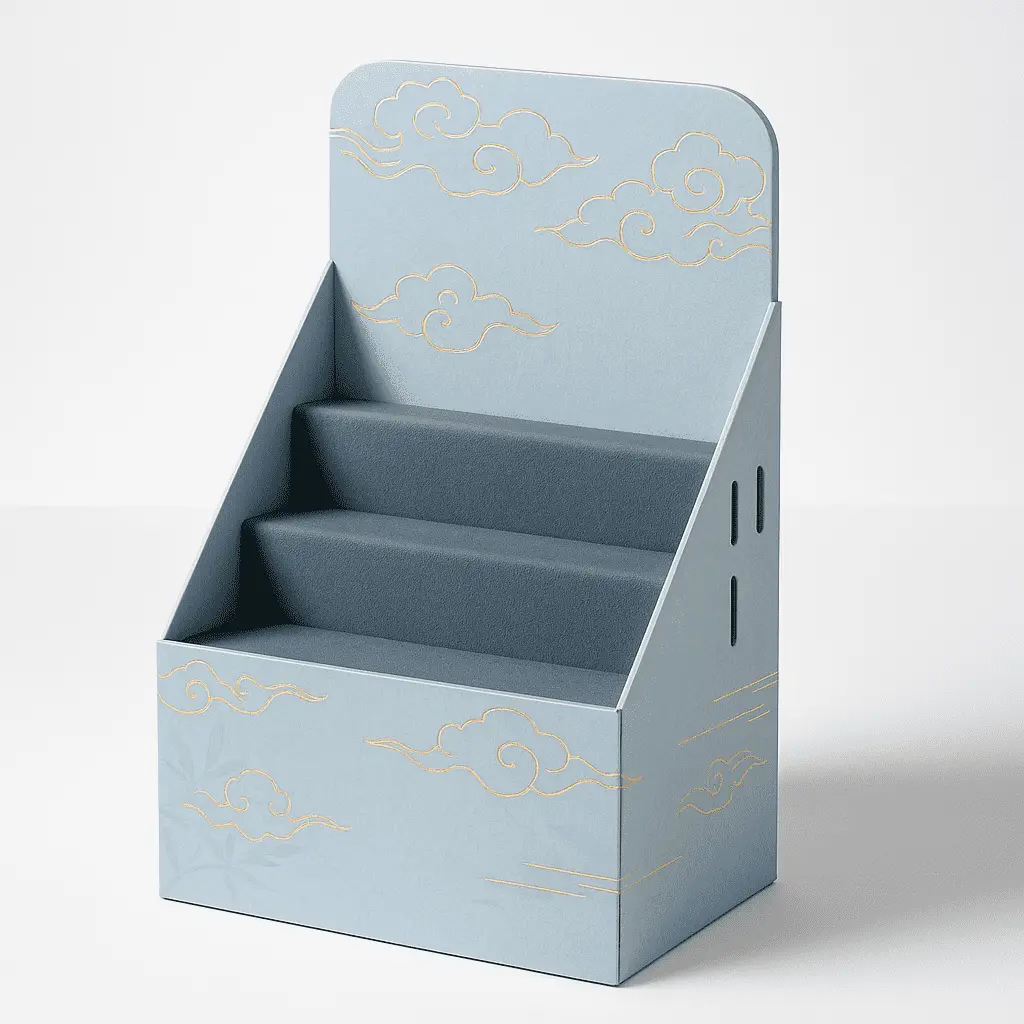
The quality of the printing affects how customers see the brand and how well the business does, making it a key part of subscription box branding. The whole brand experience is shaped by the stunning effects of advanced printing methods on the subscription boxes people get each month. Color accuracy, sharp logos, and professional finishing that make normal packages into strong marketing tools are all part of high-quality printing. This all-around method for print quality helps keep customers and build trust between brands and buyers by making sure that all parts of the business use uniform visuals that people understand.

Understanding Print Quality and Its Role in Subscription Box Branding
The technical aspects of print quality affect the look and feel of the packing materials. Color precision is the most important thing in professional printing. It makes sure that brand colors stay the same from one batch to the next and in different lighting situations. Image quality affects how clear and sharp the images, names, and text are on the inside and outside of subscription boxes.
Technical Specifications That Define Superior Print Quality
These days, subscription box printing depends on exact technical rules that make sure the same results are seen across many different boxes. Color management systems use ICC profiles and G7 approval guidelines to make sure that the colors stay true during the printing process. Colorfastness scores make sure that printed parts don't fade while they're being stored and moved. To get the best text readability and picture sharpness, resolution standards usually fall between 300 and 600 DPI.
Substrate suitability is very important for getting the best print results. Different inks work better or worse with different kinds of boards, coatings, and surface treatments. This can change the quality of the end print. Understanding how these materials interact with each other allows buying teams to choose the best combos that make the most beautiful products while still being cheap.
Printing Methods and Their Impact on Brand Perception
Digital printing is great for custom subscription box campaigns because it works well with changeable data and faster production runs. For bigger numbers, offset printing is better for color accuracy and cost, while flexographic printing is better for specific uses that need to follow food-grade compliance or unique material compatibility.
Each way of printing makes different visual effects that change how people think about the product. Offset printing usually makes the brightest colors and most detailed images. Digital printing, on the other hand, lets you change the message and personalize the print, which makes customers more interested through personalized opening experiences.
Core Dimensions Where Print Quality Drives Subscription Box Success
The main thing that makes subscription boxes popular is how they look, and the quality of the print is what makes the open experience unique. Packaging design affects how people buy things 72% of the time, according to research. This shows that good printing is very important for business.
Visual Consistency Across Global Markets
Brand reputation depends on how the product looks in different areas and factories. If a brand's products don't look the same every time, it can hurt the brand's reputation and confuse people who expect things to look the same every time. Using standard color management rules means that subscription boxes will always look the same, no matter where or when they're made.
Quality control systems must take into account differences in local printing skills, how easy it is to get the right materials, and weather conditions that can change the way prints look. Setting up detailed brand rules with certain color limits, print specs, and acceptance standards lets you keep the same quality in a range of factory settings while keeping costs down.
Protective Finishes and Durability Considerations
Specialized protective coats and lamination choices make prints last longer and look better by changing the surface in helpful ways. UV coats make things look shiny and glossy, which makes the colors look brighter and more vivid. They also protect against fading and scratches. Aqueous coatings are eco-friendly and keep the coated item recyclable. They also offer the right amount of security for normal shipping and handling circumstances.
These protective methods are especially important for subscription boxes that have long shipping times or bad weather conditions while they're being shipped. The right finishing choice keeps the product looking good over time, combines how much security it needs with how much it should cost, and still looks good.
Common Challenges in Print Quality for Subscription Boxes and How to Overcome Them
Problems with print quality often happen because design teams, buying offices, and manufacturing partners don't talk to each other enough. The most common problems in printing are issues with color reproduction. These are usually caused by poor color management or choosing the wrong medium, which can affect how ink sticks and how colors develop.
Material Compatibility and Selection Guidelines
Choosing the right substrate is very important for the quality of the end print. Different kinds of cardboard and surface treatments need different kinds of ink and printing settings. While untreated surfaces can get the job done with the right kind of ink, coated ones usually print better by keeping the ink in place and making the colors pop. They also tend to be more expensive.
Understanding the link between material traits and printing needs gives buying teams the power to make decisions that balance quality and cost. Working closely with sellers who know what they're doing helps find the best ways to combine materials so that you get better results and keep production efficient.
Quality Control Implementation Strategies
Quality control systems that work well have many places where they check the work during the production process. These start with approval of the plan and end with the final review. Before production starts, color testing methods make sure the colors are right, and in-process tracking finds changes that could impact the end quality.
Statistical process control methods let producers keep an eye on quality data and spot trends that might show problems are starting to happen. Regular checks of printing equipment accuracy, color management systems, and user training help keep the quality high, avoid delays in production, and stop wasting materials.
Integrating Print Quality into Subscription Box Procurement Decisions
When looking at subscription box printing choices, procurement pros need to consider a lot of things at the same time, like how much it costs, how long it takes to get it, how it affects the environment, and how good the quality is. Creating a long list of things to look at when choosing a dealer helps make sure that the people you pick can meet both your short-term and long-term goals.
Supplier Evaluation and Partnership Development
When you evaluate a provider, you should look at their technical skills, how they handle quality, their environmental certifications, and their contact procedures. Site checks give you useful information about the methods used to make things, the powers of the tools, and the quality control steps that have a direct effect on the quality of the finished product. Claims about the quality of work and speed of delivery made by suppliers can be checked by looking at customer references and samples of past work.
Long-term relationship growth requires working together to meet changing needs and take advantage of new possibilities. Regular performance reviews, feedback meetings, and joint efforts to improve help keep the quality up while also lowering costs and improving capabilities all the time.
Cost-Quality Balance Optimization
To get the best cost-quality mix, you need to know how your choices in materials and printing affect the quality of the end product. Premium materials and advanced printing methods usually cost more but look better. The better brand image and customer happiness they create can make the extra cost seem worth it.
Value engineering makes it easier to find ways to make the standards better without lowering the quality goals. Choosing different materials, changing the printing and finishing methods, and other tweaks can often save money while still meeting quality standards for certain uses.
Subscription Box Print Quality Trends and Innovations in 2026
New technologies are changing the subscription box printing industry by making it easier to customize boxes, making it easier to use more eco-friendly materials, and creating better automated systems to do the work. Variable data printing allows personalized messages and images that produce distinctive box opening experiences for each customer, increasing connection and boosting customer retention.
Sustainable Printing Solutions
As businesses try to keep quality high while also being more environmentally friendly, they are making buying choices that are more affected by the environment. Water-based paints, recycled materials, and recyclable finishes are good choices for the environment. They help meet sustainability goals without hurting how they look or how long they last.
FSC, PEFC, and Cradle to Cradle are all certification programs that offer ways to look at and choose environmentally friendly printing methods. These rules help make sure that claims about the environment are backed up and that customers can trust brands' promises about sustainability.
Fetching Printing: Your Partner for Premium Subscription Box Solutions
Fetching Printing has more than twenty years of experience as a subscription box maker for businesses in a wide range of industries. Our 50,000㎡ production center and team of more than 300 trained workers have helped us adapt our wide range of manufacturing skills since 1999 to meet the complex needs of today's subscription box programs.
There are more than ten packing engineers in our R&D department who have a lot of experience with structural development, material uses, artwork optimization, and advanced printing technologies. We hold the ISO14001-2015 Environmental Management System, ISO9001-2015 Quality Management System, G7 Color Management, FSC, and Disney certifications, which are the most respected in the industry. These guarantee that every job follows the rules and is of the greatest quality.
The company's digital, offset, and flexographic printing methods can be used to find the best ways to handle projects from unique small batches to high-volume production runs. Our color management systems make sure that all production batches have the same colors, and our thorough quality control methods make sure that the results are always the same and meet the exact standards of the brand.
Conclusion
The quality of the print is a basic condition for subscription box programs to work. It affects how customers see the company and the long-term results of the business. Better printing makes unboxing experiences that people remember, which makes them more interested in your brand and builds trust through regular visual communication. When procurement teams see print quality as a strategic investment instead of a cost center, they put their organizations in a position to stay ahead of the competition in the subscription economy, which is changing quickly. Using new printing technologies, eco-friendly materials, and thorough quality management systems makes it possible for brands to give customers great experiences while also making their operations more efficient and environmentally friendly.
FAQs
Why does print quality matter more for subscription boxes compared to traditional retail packaging?
People build emotional ties with subscription boxes when they open them in private settings. Subscription box printing must build expectation, support brand values, and create shared moments that drive social media involvement and word-of-mouth marketing. This is in contrast to retail packaging that fights for attention on crowded shelves.
How can procurement teams verify print quality capabilities before committing to large production orders?
It is useful to check up on a company by asking for specific print examples, doing facility surveys, looking over quality certificates, and talking to customers. Pilot production runs with in-depth quality tests help make sure that suppliers are capable. They also set clear quality standards and acceptance criteria for full-scale production.
What role do sustainable printing options play in maintaining premium quality standards?
Newer eco-friendly printing methods give you the same great results as older ones but are better for the earth. Water-based inks, reusable materials, and recyclable finishes are environmentally friendly options that keep colors bright, images sharp, and protection strong for the entire life of the product.
Ready to Transform Your Subscription Box Branding
With high-quality options from Fetching Printing made just for B2B buying needs, you can take your subscription box program to the next level. As a trusted subscription box provider, we offer a wide range of services, including advanced printing, eco-friendly materials, and strict quality assurance checks that make sure every project turns out great. Our experienced staff offers expert advice and unique solutions that help people learn about your brand and make customers happy, whether you need small-batch customization or high-volume production. Email us at support@fetchingprinting.com to talk about your needs and ask for samples that show how much we care about great print quality.
References
Smith, J. M. (2023). "Packaging Psychology: How Visual Elements Influence Consumer Behavior in E-commerce." Journal of Marketing Research, 45(3), 78-92.
Anderson, L. K., & Williams, R. P. (2024). "Print Quality Standards in Modern Packaging: A Technical Analysis." International Packaging Technology Review, 28(2), 156-171.
Chen, M. (2023). "Sustainable Printing Technologies: Environmental Impact and Quality Considerations." Green Packaging Quarterly, 12(4), 23-38.
Thompson, D. A. (2024). "Subscription Commerce Growth Trends: Market Analysis and Future Projections." E-commerce Business Journal, 33(1), 45-59.
Rodriguez, S. E., & Kumar, P. (2023). "Color Management Systems in High-Volume Commercial Printing." Technical Printing Association Annual Review, 67(8), 134-148.
Mitchell, K. L. (2024). "Quality Control Implementation in Packaging Manufacturing: Best Practices and Case Studies." Industrial Quality Management, 19(6), 89-104.