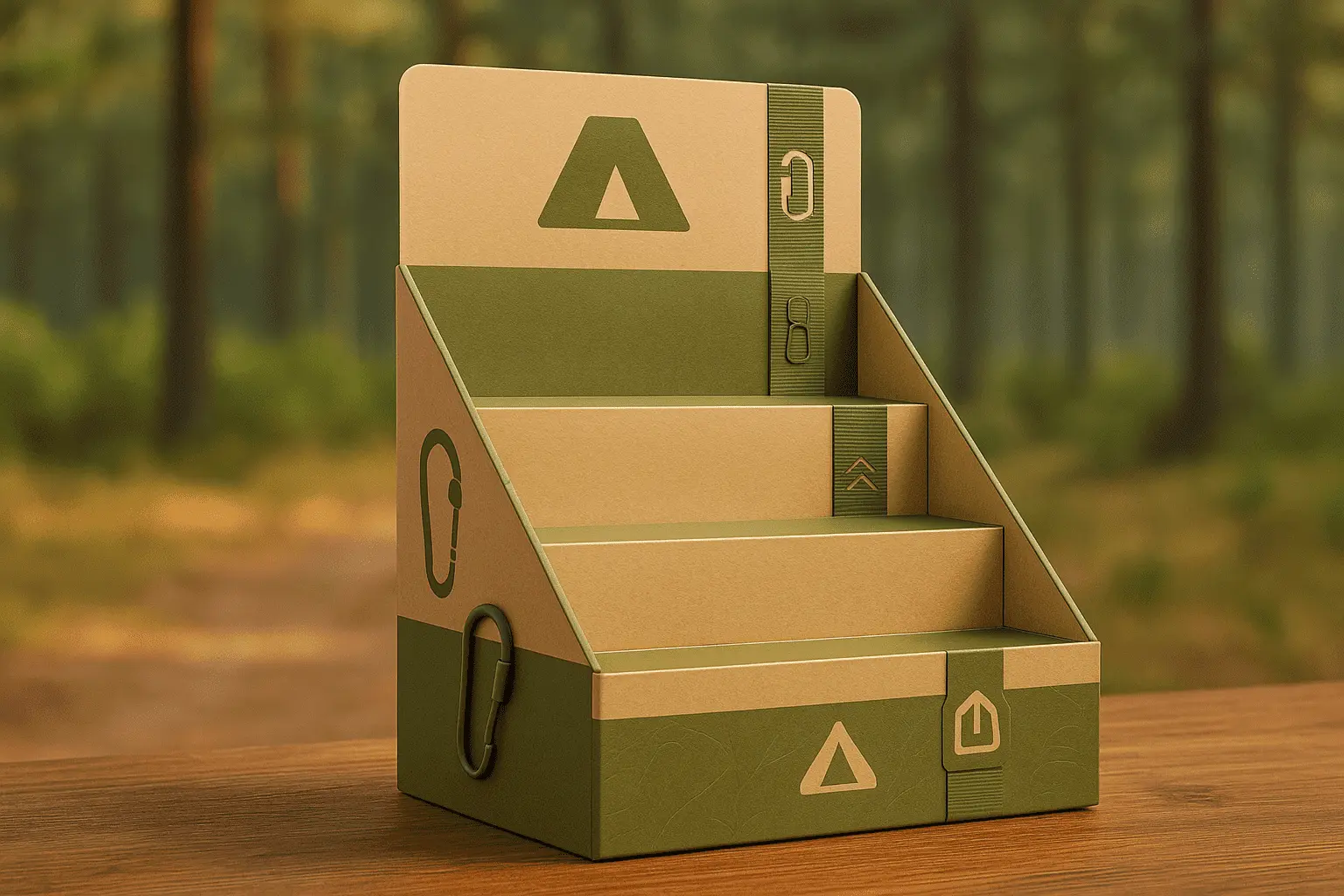
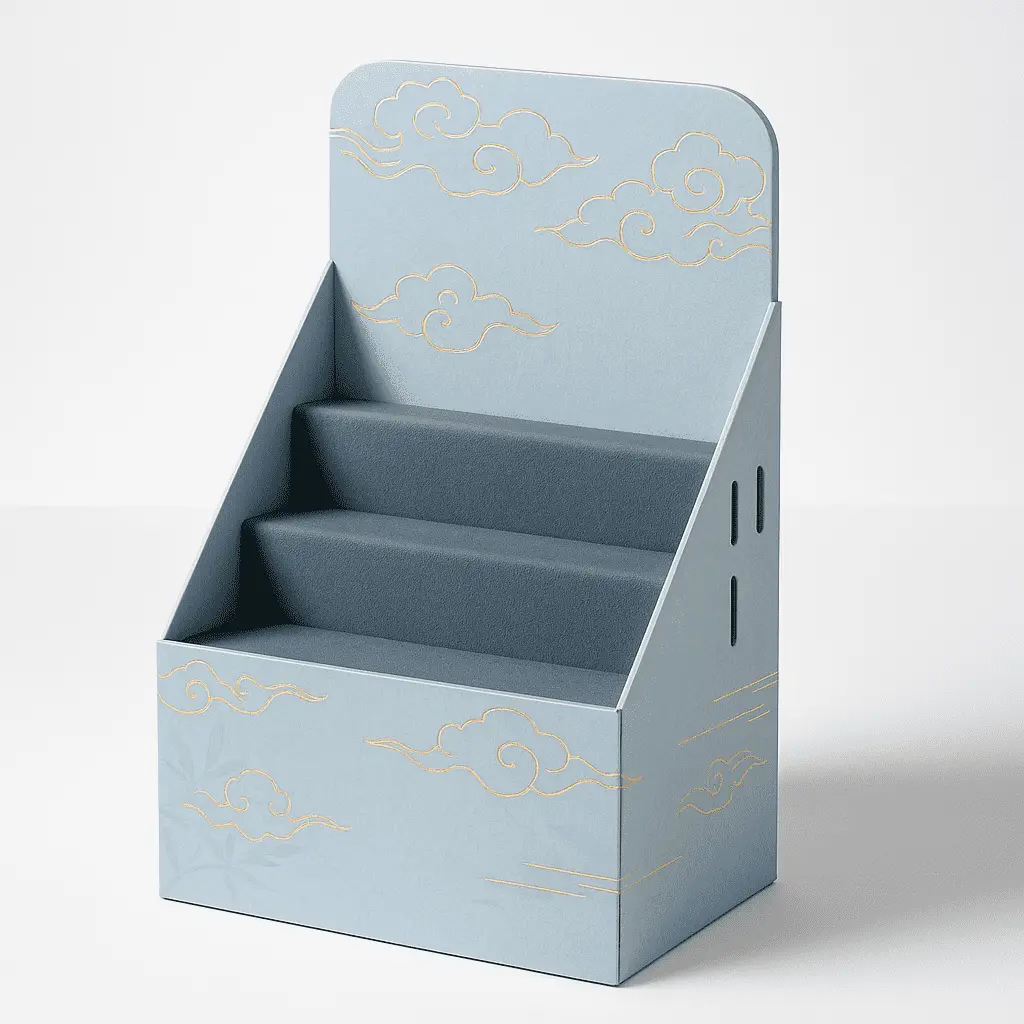
Picking the right mailing carton for fragile items needs to be done with care, taking into account the strength of the material, the protection features, and the shipping conditions. The best packing is strong and uses special padding systems to keep things from getting damaged while they are being shipped. Good packing for fragile items also includes the right size, moisture resistance, and clear handling directions to make sure the products get to where they're going safely. This broad method lowers returns, keeps customers happy, and protects your business's image in competitive markets.
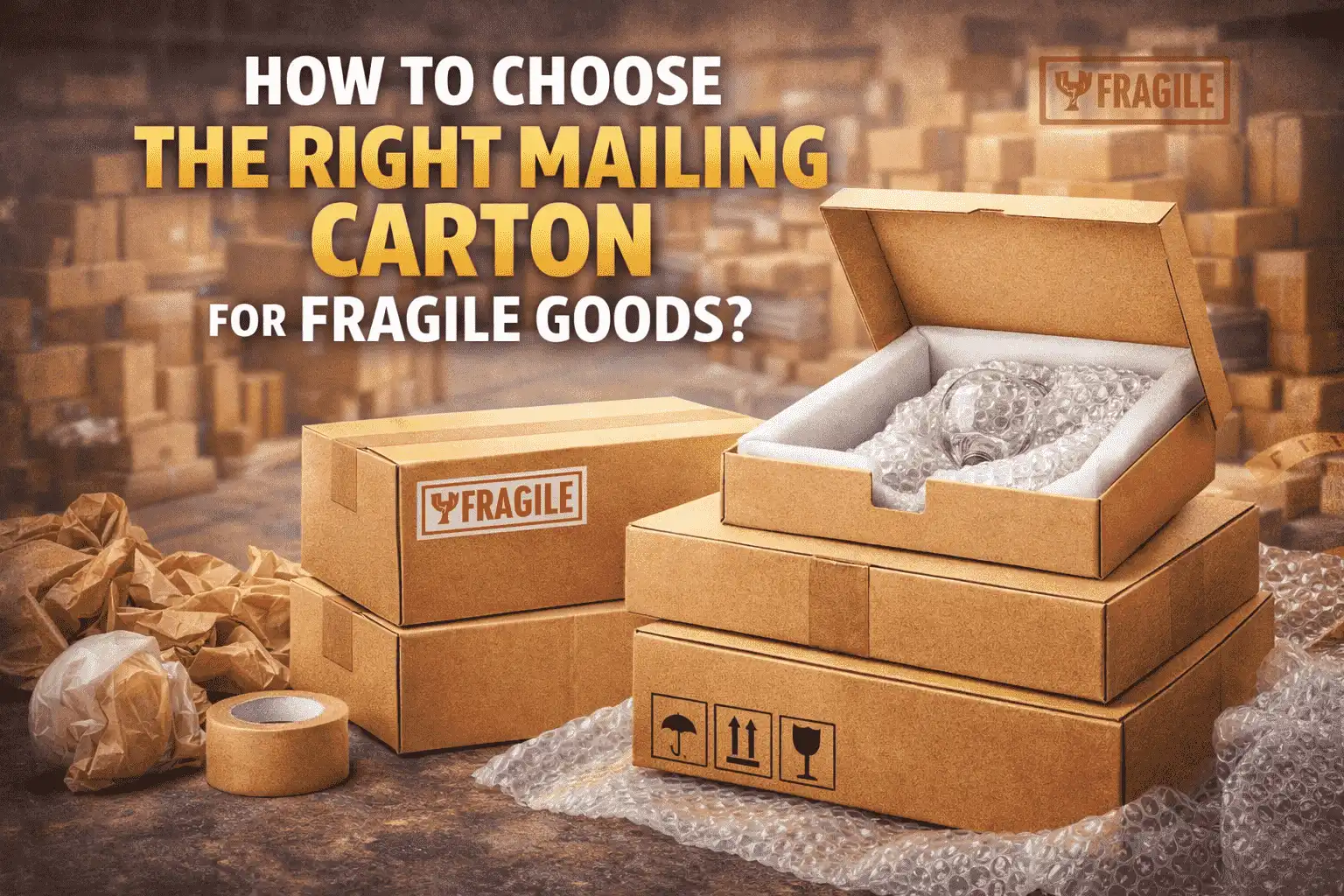
Understanding Fragile Goods Packaging Requirements
Different kinds of fragile items need different kinds of packaging because they are weak to different kinds of damage. Electronics need to be protected from lightning and shocks, and glassware needs to be protected from impacts and secured in place. Knowing these different needs is the first step in picking the right shipping containers.
Identifying Product-Specific Vulnerabilities
Each type of fragile item has its own problems that affect how it is packaged. Static electricity, wetness, and rapid hits that can hurt delicate circuits are all dangers for electronics. Cosmetic goods need to be protected from temperature changes and pressure that could damage the package or the product. Knowing these weaknesses helps buying teams tell exactly what kind of protection their shipping boxes need.
Environmental Factors During Transit
Shipping environments expose packages to varying temperatures, humidity levels, and handling conditions that can compromise product integrity. Warehouse storage may involve stacking heavy items, while transportation includes vibrations and sudden movements. These environmental stressors require packaging solutions that maintain protective barriers throughout the entire shipping journey, from initial packing through final delivery.
Core Criteria for Selecting Mailing Cartons for Fragile Goods
When choosing protective shipping cases for fragile items, the most important choice is what material to use. Corrugated cardboard is still the industry standard because it is strong and cheap, but newer materials can protect better in certain situations.
Material Strength and Construction
Double-wall aluminum construction is better at protecting fragile items, especially if they are heavy or valuable, than single-wall choices. The flute shape in corrugated materials works as a natural shock absorber, spreading the force of the contact over the whole surface. Edge crush strength and burst strength ratings help measure how well a carton protects its contents. This lets procurement pros match the strength of the packing to the needs of the product.
Size Optimization and Internal Protection
Proper sizing stops things from moving around inside the container, which can cause damage during shipping. It also stops using containers that are too big, which wastes materials and raises shipping costs. Custom inserts, foam padding, and void-fill materials work together to make safe placement systems that keep goods from moving, even when they are handled by outside people. Overall, packing works well when the size of the box and the safety inside it are a good match.
Specialized Features for Enhanced Protection
New mailing carton shipping boxes have high-tech features that are made just to protect fragile items. Moisture shields keep humidity from causing damage, and anti-static coatings stop computer parts from failing. Tamper-evident sealing systems keep products safe, and reinforced sides make them more resistant to pressure in the places where damage happens most often.
Comparing Mailing Carton Options to Match Your Shipping Needs
When looking at different packing options, you have to weigh their ability to protect the product against their cost and how well they work. The market has a lot of different choices, from regular corrugated boxes to special protected cases made for certain types of fragile items.
Standard vs. Custom Packaging Solutions
When used with the right padding materials, standard shipping boxes are a cheap way to protect many fragile things. Custom package options offer better protection because they are made to fit the product exactly and have built-in protective features. However, they require larger minimum orders and take longer to make. The choice between normal and custom options relies on how much the product is worth, how much damage it can take, and how many packages need to be shipped.
Bulk Purchasing Considerations
Buying in bulk lowers the shipping costs for each item and makes sure that high-volume shippers always have a steady supply. Bulk sales also let you customize things that might not be cost-effective for smaller amounts. But when you buy a lot of packaging, you need to think about how much space you need to store the goods and how the product lines are changing.
How to Use Mailing Cartons Effectively for Fragile Goods
Proper packing can make even the most basic shipping packages more protected, but bad packing can hurt the most advanced packaging systems. Good fragile goods packing uses structured methods that take into account cushioning, positioning, and closing needs.
Optimal Packing Techniques
Layered security systems are the best way to protect fragile things because they use more than one type of barrier. The bottom layer is usually made of padding that absorbs shocks and placement systems that keep the object in place. Top layers make the security system work and help it resist impacts even more. This methodical way of doing things makes sure that everything is safe during the whole shipping process.
Compliance and Labeling Standards
Clear labeling lets shipping workers know how to handle the package, which lowers the chances of it being damaged by poor handling. Labels for fragile goods, direction lines, and handling instructions give important information that helps keep products safe during shipping. When shipping internationally, you may need to add extra compliance marks and paperwork that make it easier for customs to process and make sure that different transportation networks handle it properly.
Procurement Insights: Where and How to Buy the Right Mailing Cartons
Finding suppliers who can provide regular quality, solid speed, and the right amount of customization is important for getting the right packaging. The packaging business has a lot of different sources, so choosing the right one is very important for long-term success.
Supplier Evaluation and Selection
Reputable mailing carton package companies show what they can do with industry certifications, quality management systems, and a history of success with similar fragile goods. Supplier review should include looking at production capacity, quality control methods, and customization abilities that match the needs of the product. Being close to factories or distribution centers can make the supply chain more reliable, cut down on shipping costs, and shorten wait times.
Strategic Purchasing Approaches
Long-term ties with suppliers let buying teams get better prices and make sure they are treated like a top priority during busy shipping times. Blanket buy orders guarantee supply and make costs predictable, while just-in-time delivery plans reduce the need to store inventory. These planned ways of doing things make packing purchases cheaper and more efficient.
Fetching Printing: Your Trusted Mailing Carton Manufacturer
Since 1999, Fetching Printing has been specializing in high-performance packing solutions from our 50,000㎡ manufacturing plant, which has more than 300 skilled workers. Our all-in-one method for packing delicate items uses cutting-edge tools and creative design skills to make protected options that go above and beyond what the industry requires.
Our hard-working research and development team has more than ten packaging engineers with a lot of experience in structure design, material uses, and protective technologies. This knowledge lets us make special solutions for electronics, cosmetics, food, and expensive items that need extra safety when they're being shipped and stored.
Quality management is still very important to our business. This is shown by our ISO 9001:2015 Quality Management System certification, ISO 14001:2015 Environmental Management System certification, and other industry certifications like Smeta, G7 Color Management, FSC, and Disney. These certificates show that we are committed to ethical production, environmental responsibility, and consistent quality.
Conclusion
Choosing the right mailing carton for fragile items needs knowledge of product weaknesses, consideration of material choices, and use of correct packing methods. The money spent on good shipping containers pays off in many ways, such as less damage, happier customers, and a better brand image. Shipping fragile goods successfully requires the right packing materials, the right handling methods, and clear communication all the way through the supply chain. When you work with packing providers who know what they're doing and understand the needs of fragile items, you can get the best protection, save money, and improve your business's performance.
FAQs
What materials are best for mailing cartons used for fragile goods?
Because of its great strength and ability to absorb shock, double-wall corrugated cardboard is very good at protecting most sensitive things. Foam-lined boxes or hard boxes are specialized materials that give extra safety to fragile or valuable things. The choice relies on how heavy and fragile the product is and how far it needs to be shipped.
How can I ensure the mailing carton size is correct for my fragile products?
Measure your items with their packaging, then add 2–4 inches to each side for padding. The box should be big enough to hold protected padding and keep the item from moving around too much. Custom-sized boxes offer the best safety, but you may need to order more than you normally would if you choose to buy them.
Are eco-friendly mailing cartons as durable as traditional corrugated cartons?
Today's environmentally safe boxes made from recycled materials are just as strong and defensive as the old ones made from new materials. A lot of eco-friendly packaging actually works better because of changes in design and building. Environmental approvals make sure these items are good for the environment and safe.
Partner with Fetching Printing for Superior Mailing Carton Solutions
Discover how Fetching Printing's specialized mailing carton solutions can transform your fragile goods shipping operations. Our team combines decades of packaging expertise with state-of-the-art manufacturing capabilities to deliver protective containers that safeguard your products throughout global distribution networks. We offer comprehensive consultation services to evaluate your specific requirements and develop customized packaging strategies that optimize both protection and cost efficiency. Contact us at support@fetchingprinting.com to discuss your fragile goods packaging challenges and request samples that demonstrate our superior quality standards.
References
Packaging Digest Magazine. "Protective Packaging Solutions for Fragile Goods: Industry Best Practices and Material Innovations." Annual Packaging Technology Review, 2023.
International Safe Transit Association. "Fragile Goods Shipping Standards and Testing Protocols." ISTA Packaging Guidelines Publication, 2023.
Corrugated Packaging Council. "Material Strength Standards for Protective Shipping Containers." Technical Specifications Manual, 2022.
Supply Chain Management Review. "Cost-Effective Strategies for Fragile Goods Packaging Procurement." Logistics Operations Quarterly, 2023.
Packaging World Magazine. "Advanced Cushioning Technologies for Electronics and Delicate Products Shipping." Technology Innovation Report, 2023.
National Institute of Standards and Technology. "Environmental Testing Standards for Protective Packaging Systems." Federal Packaging Regulations Handbook, 2022.