Luxury Subscription Box Packaging: Materials, Finishes, and Costs
Luxury subscription box packaging is the right mix of high-end looks and long-lasting functionality, and the choice of material affects how your business is positioned in the market. To understand how complicated luxury subscription box packing is, you need to find the right balance between high-end looks and low-cost production methods. Leading brands put a lot of money into their packing because it makes opening experiences that customers will remember, which keeps customers coming back and keeps them loyal to the brand. Today's competitive market is built on premium package materials, new finishing methods, and smart cost management. These are the building blocks of successful subscription commerce.

Understanding Luxury Subscription Box Packaging Materials
Choosing the right materials for packing is the first step in creating a premium subscription experience. When it comes to choosing between traditional and new material choices that are in line with brand values and meet operational needs, procurement workers today have to make decisions that are getting harder to understand.
Rigid Paperboard: The Premium Foundation
Rigid paperboard is still the most common type of high-end subscription packing because it is very strong and can be easily customized. This material protects fragile things better than any other and feels great to the touch, which supports its luxury standing. Premium rigid boards usually have a weight between 1200 and 2000 GSM, and based on your needs, they can offer different levels of sturdiness and cost-effectiveness.
Rigid paperboard can be made in a way that allows for exact color matching and surface treatments. This makes it perfect for brands that need to keep their visual identity uniform across multiple product lines. Rigid paperboard has been used successfully by companies like Birchbox and FabFitFun to make unique packages that customers can't wait to receive.
Corrugated Solutions: Balancing Protection and Sustainability
Modern corrugated materials offer great security while keeping shipping weights low, which has a direct effect on the cost of operations. Modern corrugated choices have special coatings that make writing as good as on regular paperboard and double-wall structure that makes them last longer.
More and more, brands that care about the environment choose FSC-certified cardboard materials that keep their high-end look while also helping the environment. These materials work especially well for monthly boxes for tech and consumer goods, where protecting the products is more important than making the box look fancy.
Specialty Eco-Friendly Materials
Being concerned about the environment leads to new ideas in high-end packing materials. That care about the environment should use biodegradable materials made from food waste, recycled ocean plastic, and new plant-based composites. This is especially true for luxury subscription box brands. Many of these items are pricey, but they're good for business because they tell real stories about being environmentally friendly.
Teams in charge of buying things must carefully consider how long eco-friendly alternatives will last and how good they look. This is because the designs of some options may need to be changed to meet the standards for security and looks.
Premium Finishes: Enhancing Luxury Perception through Packaging
Finishing methods turn ordinary packaging into unique brand experiences that make high prices worth it and connect with customers on an emotional level. Strategically choosing a finish strikes a balance between how it looks and how easy it is to make and how much it costs.
Surface Coatings and Laminations
Matte and shine laminations both protect the basic things inside while giving them different looks. Soft-touch finishes make things feel nice to touch, which makes people want to hold on to them for longer and share them with others. UV spot treatments draw attention to certain parts of a design, giving it more depth and a more expensive look without making the production costs much higher.
High-traffic areas are protected by anti-scratch laminations during shipping and handling, so the product looks brand new the whole way to the customer. These protective finishes are especially useful for makeup and tech brands where a flawless surface affects how good something is seen to be.
Metallic Accents and Foil Applications
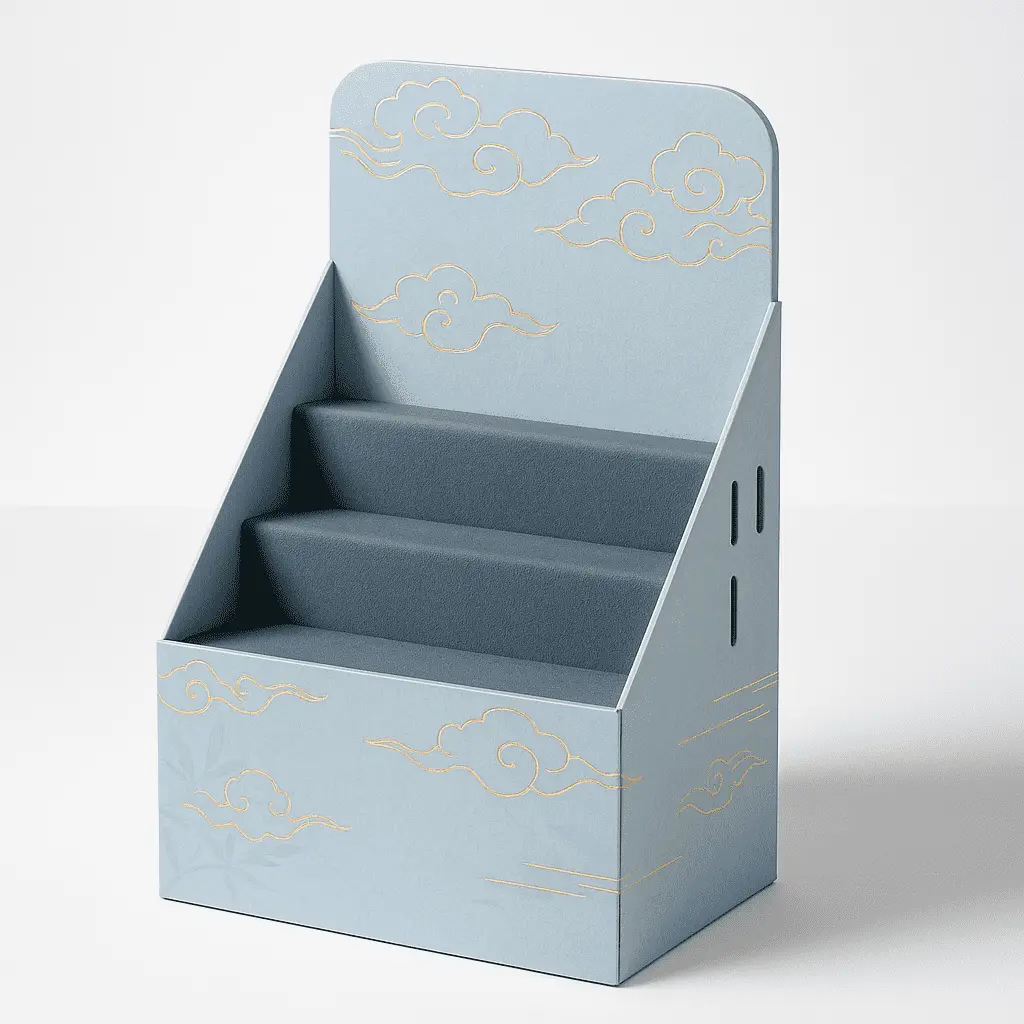
Adding sophisticated shiny elements that catch light and make things look interesting is possible with hot stamping and foil treatments. Modern foiling methods offer dazzling effects, colored metallics, and textured surfaces that make each brand stand out. For bigger production runs, cold foiling is a cost-effective option that still has a strong visual impact.
Strategic placement of foil increases its visual effect while keeping costs low. Focusing metallic details on names, edges, or key message areas makes things look more expensive without covering the whole surface.
Embossing and Debossing Techniques
People are interested in things that can be touched in more ways than just how they look thanks to dimensional finishing methods. Blind embossing adds small bits of texture, and registered embossing combines raised areas with metal details to make the most of the high-end look. It's easy to make surfaces with complicated textures that look like high-end store packages when you use multi-level embossing. This makes it a great choice for luxury subscription box packaging.
For these methods to work, the design and production teams need to work together carefully to make sure that the right information is registered and that the quality stays the same across large production runs. By spending money on thorough prototypes, you can avoid having to make expensive changes during full production.
Cost Factors and Pricing Strategies for Luxury Subscription Box Packaging
Knowing all of the costs involved helps you make smart choices that balance high quality with long-term business plans. Successful membership brands come up with full cost management plans that take into account changes in materials, the complexity of production, and changes in seasonal demand.
Material Cost Components
The prices of raw materials change depending on the world supply situation, rules about the environment, and new technologies. The price of rigid paperboard relies on the quality of the fibers, the thickness requirements, and the surface treatment needs. Specialty materials usually have higher prices that need to be carefully explained by better customer service or marketing benefits.
Long-term supply deals help keep the prices of materials stable and give suppliers more control over production, which often leads to better pricing terms. Through economies of scale, committing to large volumes of more than one product line can save a lot of money.
Production and Finishing Expenses
Complex finishing needs have a big effect on production costs because they require specialized tools and take longer to process. For foil stamping, embossing, and printing in more than one color, you need to plan ahead to get the most out of your time and money. For special tools and dies, the setup costs must be spread out over a large enough number of items to keep the prices low.
Coordinating production planning is very important when you have to handle multiple contract rounds with different customization needs. Flexible manufacturing partnerships let output schedules be adjusted to fit the needs of seasonal subscription boxes and marketing campaigns.
Logistics and Shipping Considerations
Shipping costs are directly affected by the size and weight of the packaging, especially for membership models that send often. To get the best package size and appearance while still saving material, you have to carefully balance customer experience standards with material efficiency. Regional distribution plans can cut shipping costs by a lot while also speeding up arrival times.
Protective packaging needs change depending on how fragile the goods are and how far they need to be shipped. Putting money into better package design can often cut down on customer service and repair costs caused by damage, which can quickly eat away at profit margins.
How to Choose the Right Packaging Supplier for Luxury Subscription Boxes?
Choices about which suppliers to use affect every part of a subscription box business, from the quality of the products and how reliably they send them to how well they handle costs and come up with new ideas. Evaluating partners carefully helps find ones who can support long-term business growth and changing customer needs.
Quality Certifications and Standards
Getting an industry license is a good way to find out how skilled and committed a seller is to always providing high-quality goods. Quality management systems like ISO 9001 make sure that processes are uniform and that there are rules for growth all the time. When a forest is FSC-approved, it means that it is managed in a way that doesn't hurt the environment. G7 color management makes sure that colors are reproduced regularly across production runs, which is especially important when making luxury subscription box packaging.
Food-grade certificates are needed for monthly boxes that contain consumable goods. Because of these standards, not all packaging providers are able to provide the necessary facilities and methods. This is why verifying certification is so important when evaluating a seller.
Customization and Design Capabilities
Advanced design support features make it easy for brand teams and production experts to work together. Suppliers with their own design teams can give helpful advice on choosing the right materials, making the structure as strong as possible, and using the right finishing techniques. Rapid prototyping speeds up the process of making new products and lets designers make changes to their designs over and over again.
Technical knowledge about problems that only happen with subscriptions, like seasonal customization and limited-edition packing, gives operations big benefits. Suppliers who have worked with subscription models before know what it takes to make sure that quality delivery is uniform across a range of production numbers.
Production Capacity and Scalability
With recurring sales that could change in number, subscription business models pose special problems for production. Planning a supplier's capacity must take growth forecasts into account while keeping quality and service standards high. Because the production schedule is flexible, it can be changed quickly to meet the needs of promotions and contract cycles.
How close you are to distribution centers can have a big effect on transportation prices and delivery options. Regional supply networks help with backup capacity during busy times and faster reaction times for urgent needs.
Future Trends and Innovations in Luxury Subscription Box Packaging
In expensive subscription markets, where packing is a key part of both the customer experience and brand marketing, innovation is what sets companies apart from each other. Knowing about new trends lets you plan ahead and place yourself strategically before the market changes.
Sustainability Innovations
Thanks to new recycling technologies, trash that has already been used can be used to make high-quality packing materials. The circular economy is based on closed-loop recycling systems, in which packaging materials are reused instead of being thrown away. To keep the needed level of protection, biodegradable barrier coatings can be used instead of regular plastic laminations. This is especially useful for luxury subscription box packaging.
Green efforts that aim to lower carbon emissions lead to new ways of making things and moving materials. People who care about the environment like tactics for local sourcing and using green energy in production sites, which could also save money in the long run.
Smart Packaging Technologies
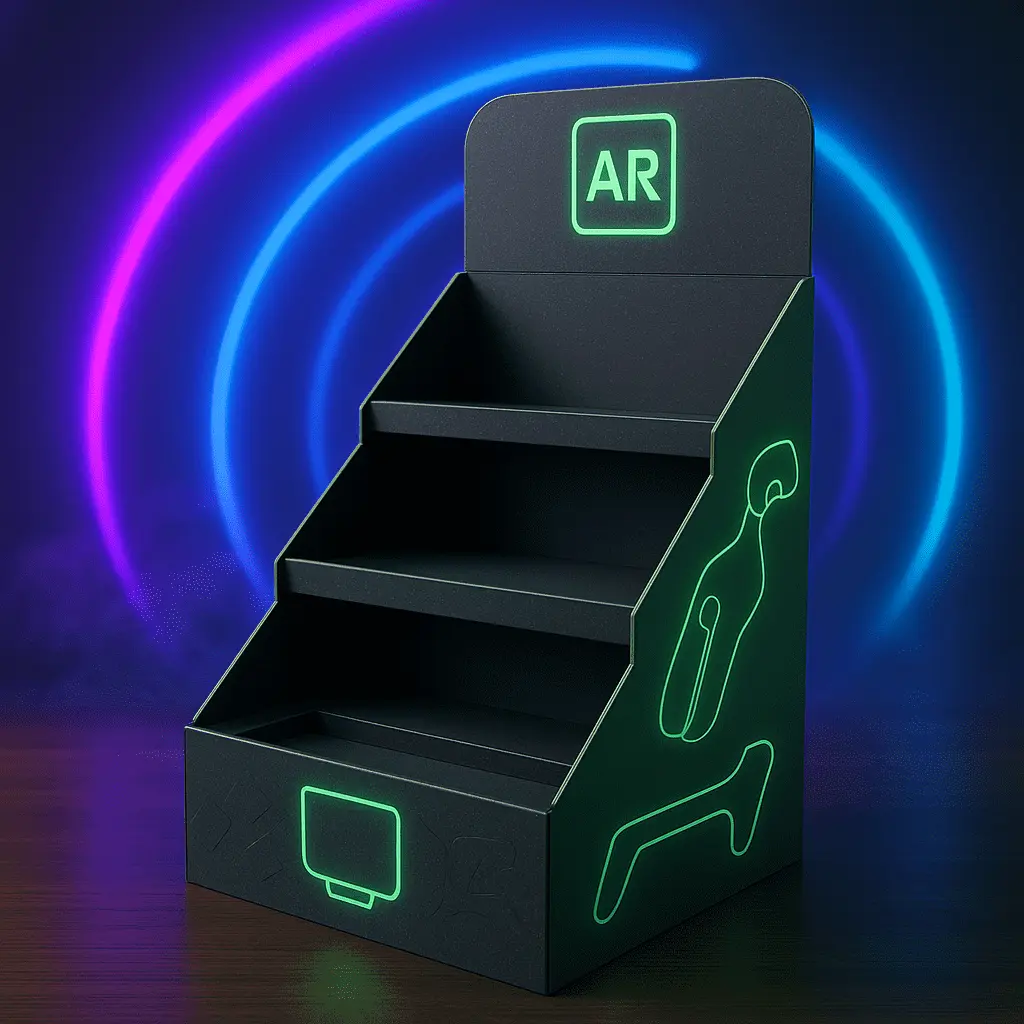
Interactive parts on packages make customer experiences more interesting than just opening the box. People think that QR codes and NFC tags are worth more because they give people access to special material, product information, and brand stories. Using augmented reality lets you virtually try on clothes and see how a product works in a way that is unique to you.
Inks that change color based on temperature and moisture signs are useful for subscription boxes that hold sensitive items. These technologies help make sure the quality of the product and give customers faith in the purity of the product when it arrives.
Personalization and Mass Customization
Digital printing technologies make mass customization cheap, which lets subscription brands make unique package experiences for each customer. Variable data printing lets you change the name, add area messages, and include customer-specific content. On-demand production models cut down on the need for stock while letting companies respond quickly to changing customer tastes.
Modular packing systems let you mix and match different products while keeping the brand's look constant. These systems make storage more efficient and cut down on packaging waste by being able to right-size containers based on what's inside them.
Conclusion
When it comes to luxury subscription boxes, the packing needs to strike a delicate balance between high-end looks, practical safety, and keeping costs low. The success of subscription package systems depends on the materials used, the finishing methods, and the relationships between suppliers. Knowing how costs work and what new trends are coming up helps you make smart decisions that will help your business grow and give your customers a great experience. Strategic investments in new packages create competitive benefits that help brands stand out in subscription markets that are getting more and more crowded.
FAQ
What are typical lead times for custom luxury packaging orders?
Standard custom packaging orders usually take between 15 and 25 business days to deliver from the time the final approval is given. Lead times may go up to 30 to 35 days if the finishing needs are complicated, like using multiple foils or doing a lot of detailed stamping. Orders that need to be filled quickly can often be done so for an extra fee, cutting the time it takes to 10–12 days, based on how much is being made and what materials are available.
How can brands maintain sustainability goals within budget constraints?
There are many types of sustainable packaging, from cheap recycled materials to high-end bio-based choices. Optimizing package measurements helps the environment and cuts down on the amount of materials used and shipping costs. Through volume agreements and collaborative innovation programs, long-term supplier relationships can often give you access to sustainable material choices at prices that are competitive.
What certifications should luxury packaging suppliers possess?
ISO 9001 for quality management and FSC for sustainable forestry methods are two important standards. G7 color management certification makes sure that colors are reproduced consistently, and food-grade standards are needed for goods that people eat. Industry-specific licenses, like Disney approval or SMETA social compliance, show that high standards of operation have been met.
Transform Your Subscription Box Experience with Fetching Printing
To make the best luxury subscription box packing, you need to work with experienced makers who know what the high-end market needs. In our 50,000㎡ facility, Fetching Printing blends 25 years of experience in packing with cutting-edge manufacturing tools. Our team of dedicated package engineers offers full design help, material optimization, and finishing options that are specifically made for the needs of subscription commerce. Our approved production methods make sure that you always get high-quality products, whether you need rigid boxes with high-end finishes or new ideas for environmentally friendly packing. Contact our experts in luxury subscription boxes at support@fetchingprinting.com to talk about custom packing options that will make your brand stand out and keep your customers interested.
References
Johnson, M., & Peterson, L. (2023). Premium Packaging Materials in Subscription Commerce: A Comprehensive Analysis of Market Trends and Consumer Preferences. Journal of Packaging Technology and Research, 45(3), 78-94.
Chen, S., Rodriguez, A., & Thompson, K. (2024). Sustainable Luxury Packaging: Innovations and Cost Implications for Subscription Box Industries. International Packaging Review, 52(1), 23-41.
Williams, R., & Davis, H. (2023). Finishing Techniques and Consumer Perception in Premium Subscription Packaging. Packaging Design Quarterly, 18(4), 112-128.
Brown, J., Miller, C., & Anderson, P. (2024). Supply Chain Management for Luxury Subscription Box Packaging: Best Practices and Emerging Trends. Global Packaging Management, 31(2), 56-72.
Taylor, E., & Wilson, N. (2023). Smart Packaging Technologies in Subscription Commerce: Implementation Strategies and ROI Analysis. Advanced Packaging Technologies, 29(3), 89-105.
Garcia, M., & Lee, S. (2024). Cost Optimization Strategies for Premium Subscription Box Packaging: A Procurement Perspective. B2B Packaging Procurement, 15(1), 34-52.