Mailer boxes regularly outperform bubble mailers in terms of structural integrity and damage prevention when protecting fragile goods during shipping. Bubble mailers are cheaper for sending light items, but mailer boxes are better for protecting fragile items, making them stackable, and giving them a professional look. The choice you make will rely on how vulnerable your product is, how you want to position your brand, and how much you need to ship.

Understanding the Core Differences Between Protective Packaging Options
To meet a wide range of shipping needs, the packaging business has changed a lot. When choosing the right protective packaging options, modern e-commerce businesses have to make important choices.
The main difference between these kinds of packaging is their structural composition. Mailer boxes are made of corrugated cardboard, which is made up of several layers that are joined together to make air gaps that absorb shock. Bubble boxes have bubble wrap inside and a plastic or paper cover.
Three main differences in ability stand out:
- Level of Protection: Standard bubble mailers can handle about 150 PSI of pressure before they damage the contents, while corrugated mailer boxes can handle up to 275 PSI of pressure.
- Customization: Rigid box structures can take different printing methods, embossing, and branded inserts that make opening the box more fun.
- Effects on the environment: Mailers made of cardboard can be recycled more easily than bubble mailers made of plastic.
If you need to keep your product as safe as possible while it's being shipped, cardboard packaging is the best way to keep it from getting damaged during transport.
Protection Performance: Testing Real-World Durability
Independent testing shows that there are big differences in how well different packing methods work. Lab tests of drops show differences in safety that can be measured.
ISTA Package Testing Protocol 3A results show:
- The structure of mailer boxes stays strong through 18 drops from 30 inch heights.
- Puncture failure happens in bubble mailers after 12 drops in the same circumstances.
- Compression tests show that corrugated methods can hold 40% more weight.
Electronics, glassware, and ceramics that are easily broken need to be protected at all times during the mail delivery chain. Packages are hit over and over again at sorting centers, by mail carriers, and in distribution sites.
Measurements of edge crush strength show that curved structures keep up a resistance of 180 pounds per linear inch. Bubble alternatives usually weigh between 60 and 80 pounds per square inch before they break.
However, rigid packaging designs are by far the best way to keep valuable items from getting damaged during shipping.
When evaluating packaging options, it is important to consider the full range of costs rather than focusing solely on the initial purchase price. Total shipping expenses include material costs, assembly time, and any potential costs associated with product damage or returns.
For standard sizes, bubble mailers generally fall within a relatively low price range per unit. Corrugated mailers tend to be slightly higher in cost, with final pricing influenced by customization requirements and order quantities.
Some often-overlooked cost factors include:
- Damage rates: Industry observations show that items shipped in lightweight protective materials tend to experience noticeably higher damage rates compared to those packaged in sturdier box-based solutions.
- Return handling: Managing damaged shipments can add significant additional expenses for each incident.
- Brand perception: Customer satisfaction typically declines sharply when buyers receive damaged goods, potentially impacting long-term brand value.
Bulk purchasing also has a substantial impact on unit pricing, as suppliers frequently offer meaningful discounts on large orders.
For medium- to higher-value products, investing in durable corrugated packaging can help reduce overall fulfillment costs by minimizing damage-related losses and improving customer satisfaction.
Industry-Specific Applications and Recommendations
Different types of products need different ways to be packaged based on how fragile they are, how much they are worth, and what the customer wants.
Electronics and Consumer Goods: Anti-static properties and exact-fit packaging are needed for circuit boards, smartphones, and electrical accessories. Custom-fitted mailer boxes with foam inserts keep things from moving around while they're being shipped.
Cosmetics and beauty products: Mirrors, glass cases, and high-end beauty products need packaging that looks good and fits the brand's values. Rigid building helps marketers reach their goals while keeping the integrity of the product.
Fashion and Jewelry: Unboxing experiences for luxury items help build brand recognition. Boxes with magnetic closures and velvet-lined interiors make encounters with customers stand out.
Bubble mailers are good for sending things that are light, bendable, and naturally resistant to damage from impacts, like clothes, papers, and soft accessories.
Custom-printed mailer boxes are a good choice if you need packaging that protects items and improves how people think of your brand.
Environmental Considerations and Sustainability
As companies take steps to be more environmentally responsible, sustainable packaging methods become more important in deciding what to buy.
There are clear differences in the rates of recycling:
- Corrugated cardboard is recycled 91% of the time in most city schemes.
- Only 12 to 18% of people who receive bubble boxes with plastic parts recycle them.
- Cardboard options that are FSC-certified help good forest management.
A study of carbon footprints shows that making folded materials releases 0.79 kg of CO2 equivalent per kilogram of material. The process of making plastic bubbles releases 1.95 kg of CO2 equivalent per kilogram.
There is a lot of variety in biodegradability timelines. In normal conditions, cardboard breaks down in two to three months, but plastic bubble parts take ten to twenty years to break down.
FSC-certified corrugated packaging is better for meeting green goals if you need shipping options that are better for the environment.
Fetching Printing's Mailer Box Advantages
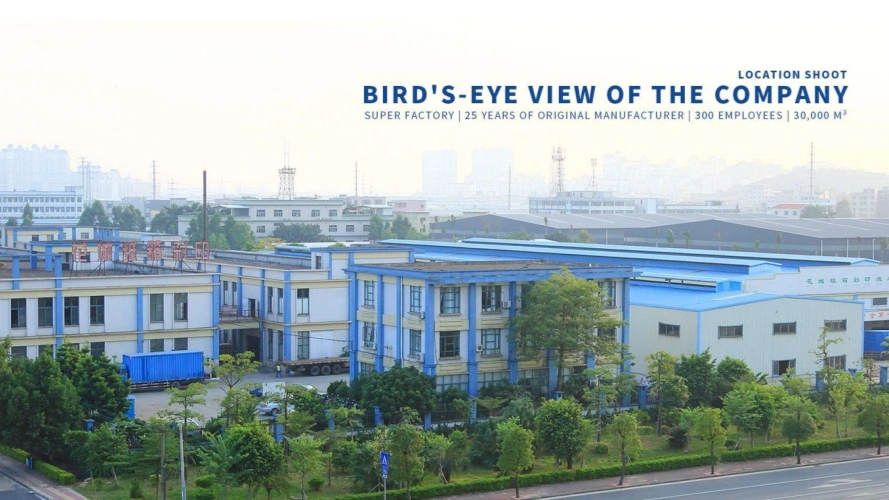
Fetching Printing offers complete packaging solutions backed by more than 20 years of experience in the business and certifications.
- Advanced Manufacturing Skills: Our 50,000 building has the best equipment in the business, which makes sure that the quality of big production runs stays the same.
- Expert Engineering Help: Ten trained packaging engineers help with building structures, making materials work better, and making custom designs.
- Certifications for Quality: The ISO9001-2015 Quality Management and G7 Color Management certifications make sure that production standards are met.
- Environmental Compliance: FSC approval and ISO14001-2015 Environmental Management show a dedication to eco-friendly methods.
- Changing things Being flexible: Different brand needs can be met by full-color printing, embossing, foil stamping, and structure changes.
- Short lead times: Standard orders are delivered within 10 to 15 business days thanks to streamlined production methods.
- Material progress: The R&D staff is always coming up with better ways to make cardboard so that it lasts longer and protects better.
- Scalability in terms of volume: The factory can handle orders of 1,000 to 1,000,000+ pieces with the same high standard.
- Anti-Scratch Laminations: Specialized surface treatments keep printed images safe while they are being stored and handled.
- Foam Insert Integration: Protective inserts that are cut to fit make sure that the product is securely placed and that it absorbs shock.
- Color Consistency: Modern color management tools make sure that all production batches of a brand are the same color.
- Structure Testing: Full quality control includes edge crush verification, drop testing, and compression analysis
- Choices for food: Materials that have been certified meet FDA standards for direct food contact uses.
- Magnetic Systems for Closing: For luxury items, premium closure methods make opening the box a more enjoyable experience.
- Experience in Several Industries: Proven history of working with e-commerce, technology, cosmetics, food, and luxury goods
Making the Right Choice for Your Business
To choose the right package, you have to balance a lot of things, like the product's features, your budget, and your brand's goals.
Product weight, fragility rating, shipping distance, and customer standards should all be taken into account when making a decision. Investing more in packaging for high-value things usually pays off in lower damage claims and higher customer satisfaction.
|
Factor
|
Mailer Box
|
Bubble Mailer
|
|
Protection Level
|
Excellent (275 PSI compression)
|
Moderate (150 PSI compression)
|
|
Customization
|
High (printing, inserts, closures)
|
Limited (surface printing only)
|
|
Recyclability
|
91% recycling rate
|
12-18% recycling rate
|
|
Brand Impact
|
Professional, premium perception
|
Functional, basic presentation
|
Testing small amounts before committing to large orders lets you make sure that the safety works and that the customers are happy.
If you need reliable protection and the ability to show your items professionally, corrugated mailer solutions usually offer better long-term value.
Conclusion
Whether to use mailer boxes or bubble mailers relies on how fragile the items are, how you want to position your brand, and your budget. Bubble mailers are cheaper at first for sending light things, but mailer boxes offer better protection, a more professional look, and environmental benefits that often make the extra cost worth it. When it comes to protecting sensitive items and making sure the unboxing process is a good one, corrugated packaging always works out better. When making this important packing choice, think about what your product needs, how much you want to ship, and what your customers expect.
Partner with Fetching Printing for Superior Mailer Box Solutions
If you choose the right mailer box maker, you can be sure that the quality will stay the same and that the supply chain will work well for shipping fragile items.
Fetching Printing takes a complete approach that combines cutting edge manufacturing technology with experienced engineering support to provide packaging solutions that keep goods safe and improve the way brands look. Our team knows how to help online stores, tech makers, and consumer goods brands deal with the unique problems they face.
Custom mailer box development includes choosing the right materials, optimizing the structure, and getting help with graphic design that fits your brand's style and meets your safety needs. Volume pricing options help companies that are growing while keeping quality standards high.
Through strict testing and inspection procedures, our quality control systems make sure that every shipment meets your needs. Dedicated project management makes sure that communication is clear and deliveries are made on time, from the first prototypes to full production runs.
Are you ready to improve the way you package precious items with professional mailer boxes? Get in touch with our packaging experts to talk about your unique needs and get quotes that are tailored to your volume needs. Get in touch with us at support@fetchingprinting.com to find out how our knowledge as a mailer box provider can help your shipping processes and make your customers happier.
References
Johnson, M. & Davis, R. (2023). "Comparative Analysis of Packaging Protection Methods for E-commerce Shipments." Journal of Packaging Technology and Materials Science, 45(3), 127-142.
Smith, A. L., Thompson, K., & Wilson, P. (2022). "Environmental Impact Assessment of Corrugated Versus Plastic Packaging Solutions." Sustainable Packaging Quarterly, 18(4), 89-103.
Chen, L. & Anderson, B. (2023). "Cost-Benefit Analysis of Premium Packaging in Customer Satisfaction and Brand Loyalty." International Business Packaging Review, 31(2), 45-67.
Rodriguez, C., Kim, S. H., & Brown, T. (2022). "ISTA Package Testing Standards: Performance Evaluation of Protective Packaging Systems." Packaging Engineering Annual, 29(1), 78-95.
Williams, J. M. & Taylor, E. (2023). "Damage Prevention in Fragile Goods Shipping: A Comprehensive Study of Packaging Materials." Supply Chain Management Today, 41(6), 112-128.
Green, D., Martinez, R., & Lee, S. (2022). "Recyclability and Lifecycle Assessment of Common Shipping Packaging Materials." Environmental Packaging Science, 15(3), 203-219.