Understanding Mailer Boxes and Shipping Cartons
What are Mailer Boxes?
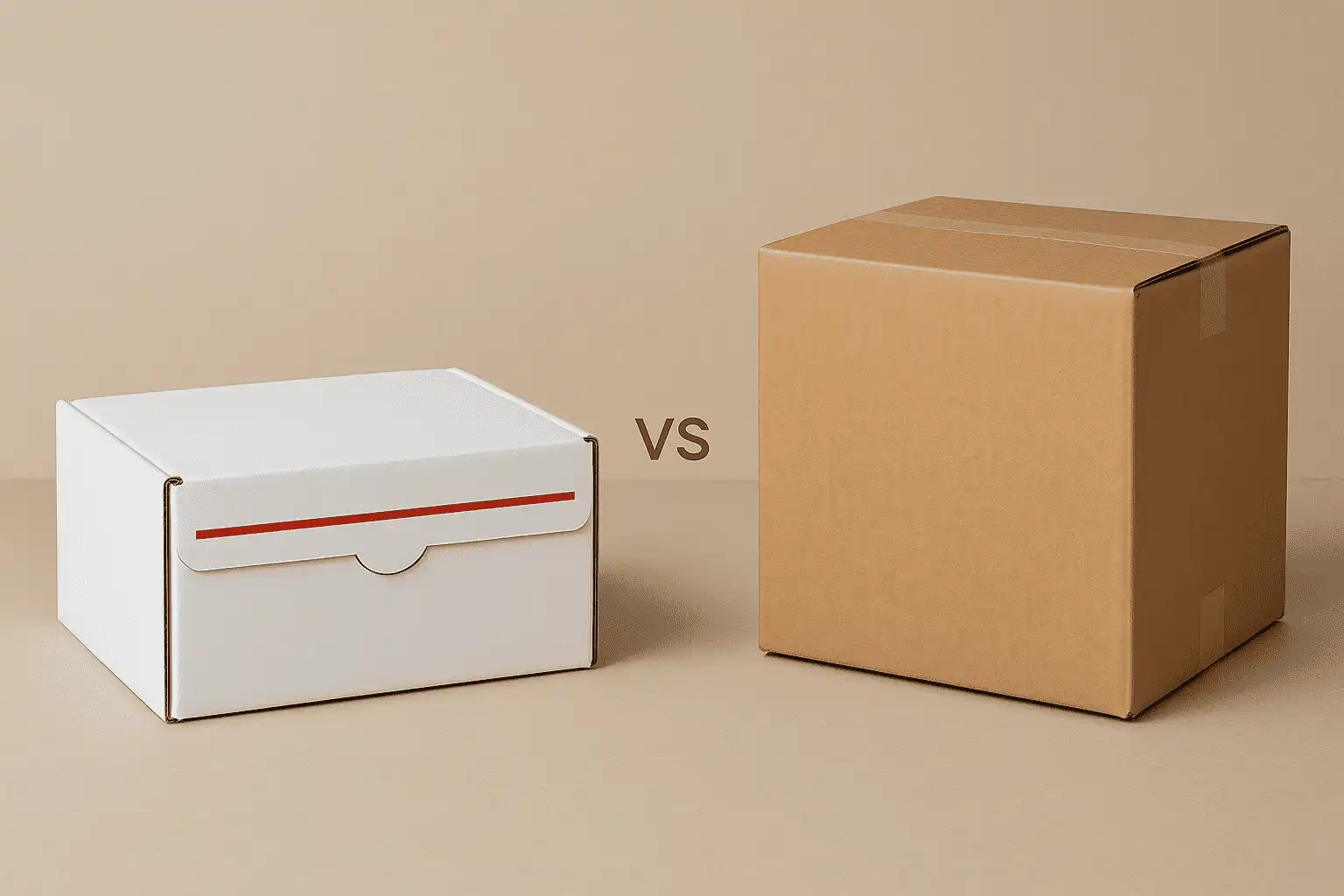
Mailer boxes are custom-designed, corrugated cardboard boxes specifically created for shipping products directly to customers. They're known for their sturdy construction, attractive appearance, and ease of use. Mailer boxes typically feature a fold-over design with interlocking flaps, providing a secure closure without the need for additional tape or adhesives.
Characteristics of Shipping Cartons
Shipping cartons, on the other hand, are more traditional packaging options. They're generally made from corrugated cardboard and come in standard sizes. These boxes are designed primarily for protection during transit and are often sealed with packing tape. While they're versatile and can accommodate a wide range of products, they lack the aesthetic appeal of mailer boxes.
Key Differences Between Mailer Boxes and Shipping Cartons
The main differences lie in design, customization options, and intended use. Mailer boxes offer more flexibility in terms of branding and presentation, making them ideal for creating a memorable unboxing experience. Shipping cartons, while more utilitarian, are often more cost-effective for larger or bulkier items. Understanding these differences is crucial for selecting the right packaging solution for your online orders.
Advantages of Mailer Boxes for Online Orders
Enhanced Product Protection
Mailer boxes provide superior protection for your products during shipping. Their sturdy construction and customizable inserts ensure that items remain secure and undamaged throughout the delivery process. This is particularly important for fragile or high-value items that require extra care during transit.
Improved Branding Opportunities
One of the standout features of mailer boxes is their ability to serve as a powerful branding tool. With full-color printing options and customizable designs, these boxes allow businesses to create a lasting impression on customers. From eye-catching graphics to personalized messages, mailer boxes offer an excellent canvas for showcasing your brand identity.
Superior Unboxing Experience
In the age of social media and unboxing videos, the customer experience extends beyond the product itself. Mailer boxes contribute to a memorable unboxing experience, enhancing customer satisfaction and encouraging social sharing. The ease of opening, attractive design, and potential for creative packaging inserts all contribute to a positive interaction with your brand.
When to Choose Shipping Cartons Over Mailer Boxes?
Large or Heavy Items
For larger or heavier products, shipping cartons may be the more practical choice. These boxes are designed to withstand the rigors of transportation for bulky items and can often be more cost-effective for shipping heavier products. When dealing with oversized merchandise or items that require additional padding, standard shipping cartons might be the better option.
Budget Constraints
If you're working with tight budget constraints, especially for low-value or high-volume shipments, shipping cartons could be more economical. While they may not offer the same level of customization or aesthetic appeal as mailer boxes, they can still provide adequate protection at a lower cost per unit.
Environmentally Conscious Shipping
For businesses prioritizing sustainability, plain shipping cartons made from recycled materials might align better with their eco-friendly goals. These boxes are often easier to recycle and may have a lower overall environmental impact compared to more elaborately designed mailer boxes. However, it's worth noting that many mailer box options are also available in eco-friendly materials.
Factors to Consider When Choosing Between Mailer Boxes and Shipping Cartons
Product Size and Weight
The dimensions and weight of your products play a crucial role in determining the most suitable packaging. Mailer boxes are generally better suited for smaller, lighter items, while shipping cartons may be necessary for larger or heavier products. Consider the size range of your inventory and choose a packaging solution that can accommodate your needs efficiently.
Shipping Costs and Regulations
Different shipping carriers have varying regulations and pricing structures based on package size and weight. Mailer boxes, being more compact and lightweight, may result in lower shipping costs for smaller items. However, for larger products, the standardized sizes of shipping cartons might align better with carrier requirements, potentially reducing overall shipping expenses.
Brand Image and Customer Expectations
Your choice of packaging reflects your brand image and can significantly impact customer perceptions. If your brand emphasizes premium quality or a unique customer experience, mailer boxes can help reinforce these values. Conversely, if your focus is on practicality and cost-effectiveness, shipping cartons might be more aligned with your brand positioning and customer expectations.
Maximizing the Benefits of Mailer Boxes
Customization Tips for Mailer Boxes
To fully leverage the advantages of mailer boxes, consider incorporating eye-catching designs that reflect your brand identity. Use high-quality printing techniques to showcase your logo, brand colors, and unique patterns. Don't forget to extend the customization to the interior of the box, creating a cohesive unboxing experience that delights customers from start to finish.
Incorporating Inserts and Protective Elements
Enhance the functionality of your mailer boxes by including custom inserts or protective elements. These can include foam inserts, dividers, or cushioning materials that keep products secure during transit. Well-designed inserts not only protect your items but also contribute to a more organized and visually appealing presentation upon opening.
Leveraging Mailer Boxes for Marketing
Use your mailer boxes as a marketing tool by including promotional materials, discount codes, or personalized thank-you notes. Encourage customers to share their unboxing experience on social media by including branded hashtags or social media handles on the packaging. This strategy can help extend your brand reach and foster customer loyalty.
Optimizing Shipping Cartons for Online Orders
Selecting the Right Size and Strength
When using shipping cartons, it's crucial to choose the appropriate size and strength for your products. Opt for boxes that provide a snug fit to minimize movement during transit. Consider the weight and fragility of your items when selecting the corrugated strength of the carton to ensure adequate protection throughout the shipping process.
Effective Use of Void Fill and Cushioning
Maximize the protective capabilities of shipping cartons by using appropriate void fill and cushioning materials. This can include bubble wrap, air pillows, or biodegradable packing peanuts. Proper cushioning not only protects your products but also prevents them from shifting during transportation, reducing the risk of damage.
Branding Options for Shipping Cartons
While shipping cartons may not offer the same level of customization as mailer boxes, there are still ways to incorporate branding elements. Consider using custom packing tape with your logo or brand colors, or include branded stickers or labels on the exterior of the box. These small touches can help elevate the appearance of standard shipping cartons and reinforce your brand identity.
Conclusion
In the battle of mailer boxes vs shipping cartons for online orders, there's no one-size-fits-all solution. Mailer boxes excel in creating a premium unboxing experience, offering superior product protection, and enhancing brand visibility. They're ideal for businesses looking to make a lasting impression and cultivate customer loyalty. On the other hand, shipping cartons remain a practical choice for larger items or businesses prioritizing cost-efficiency. The key is to assess your specific needs, considering factors such as product type, shipping requirements, and brand image. By carefully weighing these aspects, you can choose the packaging solution that best serves your business and delights your customers.
FAQs
Are mailer boxes more expensive than shipping cartons?
Generally, mailer boxes can be more expensive due to their customization options and higher-quality materials. However, the cost difference can vary based on volume and specific requirements.
Can mailer boxes be recycled?
Yes, most mailer boxes are recyclable, especially those made from corrugated cardboard. Always check with your local recycling guidelines.
Are shipping cartons sturdy enough for fragile items?
With proper cushioning and void fill, shipping cartons can safely transport fragile items. However, mailer boxes might offer better built-in protection for delicate products.
Custom Mailer Boxes for Your Online Business | Fetching Printing
At Fetching Printing, we specialize in creating high-quality, custom mailer boxes tailored to your unique business needs. As a leading packaging supplier and manufacturer, we offer a wide range of customization options to enhance your brand's visibility and customer experience. Our expert team can help you design the perfect mailer box solution for your online orders, ensuring both product protection and brand presentation. Contact us at support@fetchingprinting.com to discuss your custom packaging needs and elevate your e-commerce packaging strategy.
References
Smith, J. (2022). "The Impact of Packaging on E-commerce Success." Journal of Online Retail, 15(3), 45-62.
Brown, A. (2021). "Sustainable Packaging Solutions for the Digital Age." Green Business Quarterly, 8(2), 78-95.
Johnson, E. & Lee, S. (2023). "Consumer Perceptions of Product Packaging in Online Shopping." International Journal of Marketing Research, 41(1), 112-129.
Williams, R. (2022). "The Psychology of Unboxing: How Packaging Influences Customer Satisfaction." E-commerce Psychology Review, 19(4), 201-218.
Garcia, M. (2021). "Comparative Analysis of Shipping Materials: Mailer Boxes vs. Traditional Cartons." Logistics and Supply Chain Management, 33(2), 156-173.
Thompson, K. (2023). "Optimizing Packaging Strategies for E-commerce Businesses." Digital Business Journal, 12(3), 89-106.