The Design Phase: Crafting the Perfect Mailer Carton
Understanding Client Requirements
The design process for an OEM mailer carton starts with gathering in-depth information about the client’s objectives and packaging needs. Discussions typically cover the type of product, its dimensions, weight, and fragility, as well as branding goals and target market expectations. Shipping conditions, including temperature, humidity, and handling methods, are also analyzed. By understanding these key details, designers can create a mailer carton that ensures both optimal protection and strong brand representation during transport.
Material Selection and Sustainability Considerations
Selecting the ideal material plays a vital role in achieving durability, functionality, and environmental responsibility. Corrugated cardboard remains a leading option because of its strength, lightweight structure, and recyclability. Depending on brand values, recycled paperboard or biodegradable alternatives may also be used. With sustainability becoming a key focus for modern packaging, designers increasingly choose materials sourced from renewable forests or recycled fibers, ensuring the mailer carton supports eco-friendly production practices and aligns with corporate sustainability goals.
Structural Design and Prototyping
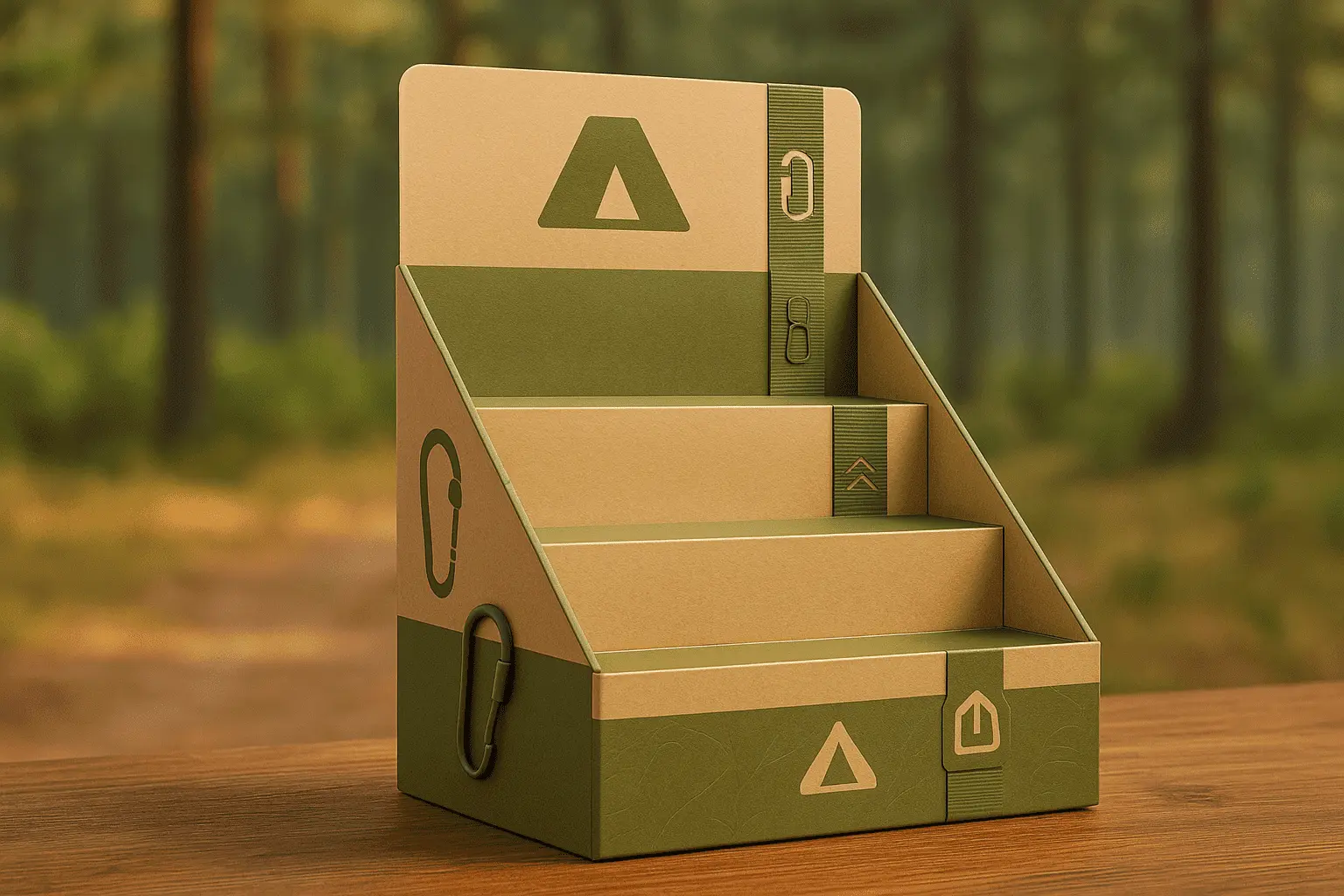
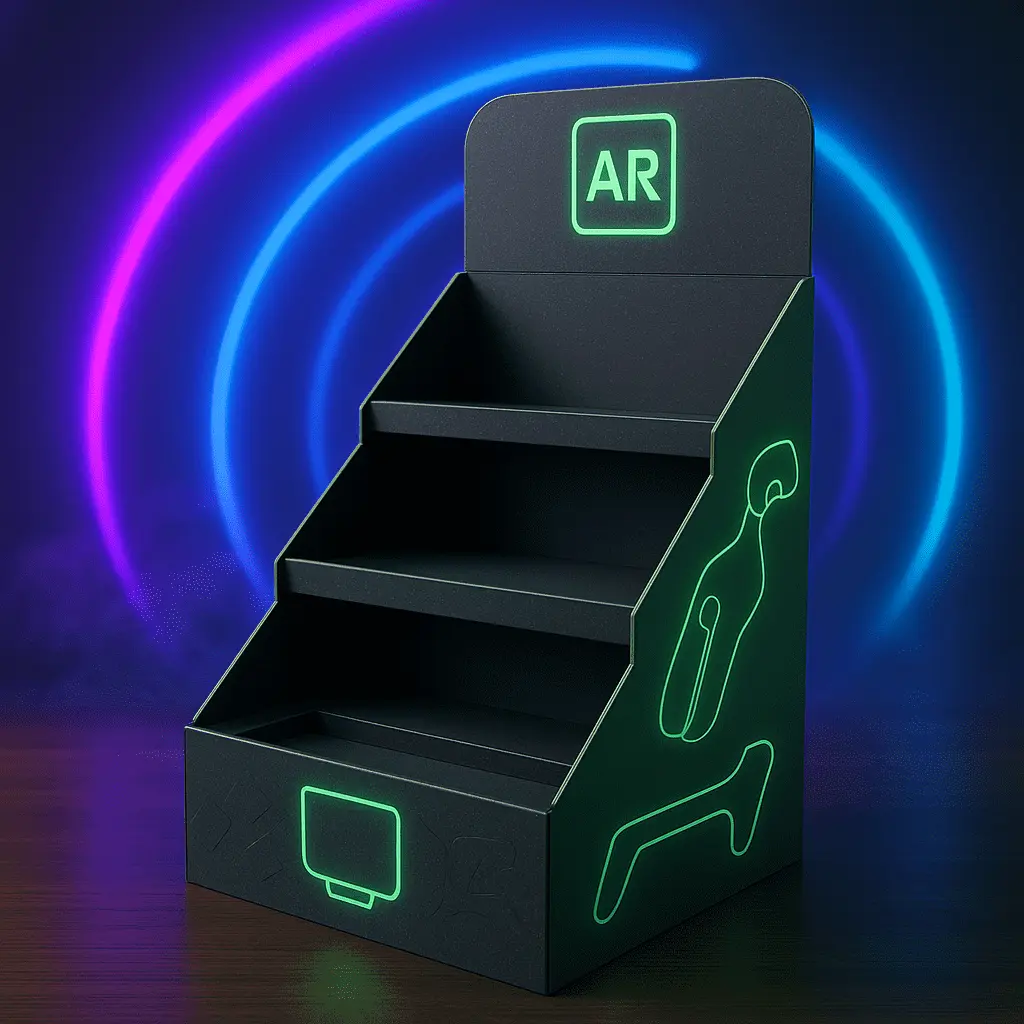
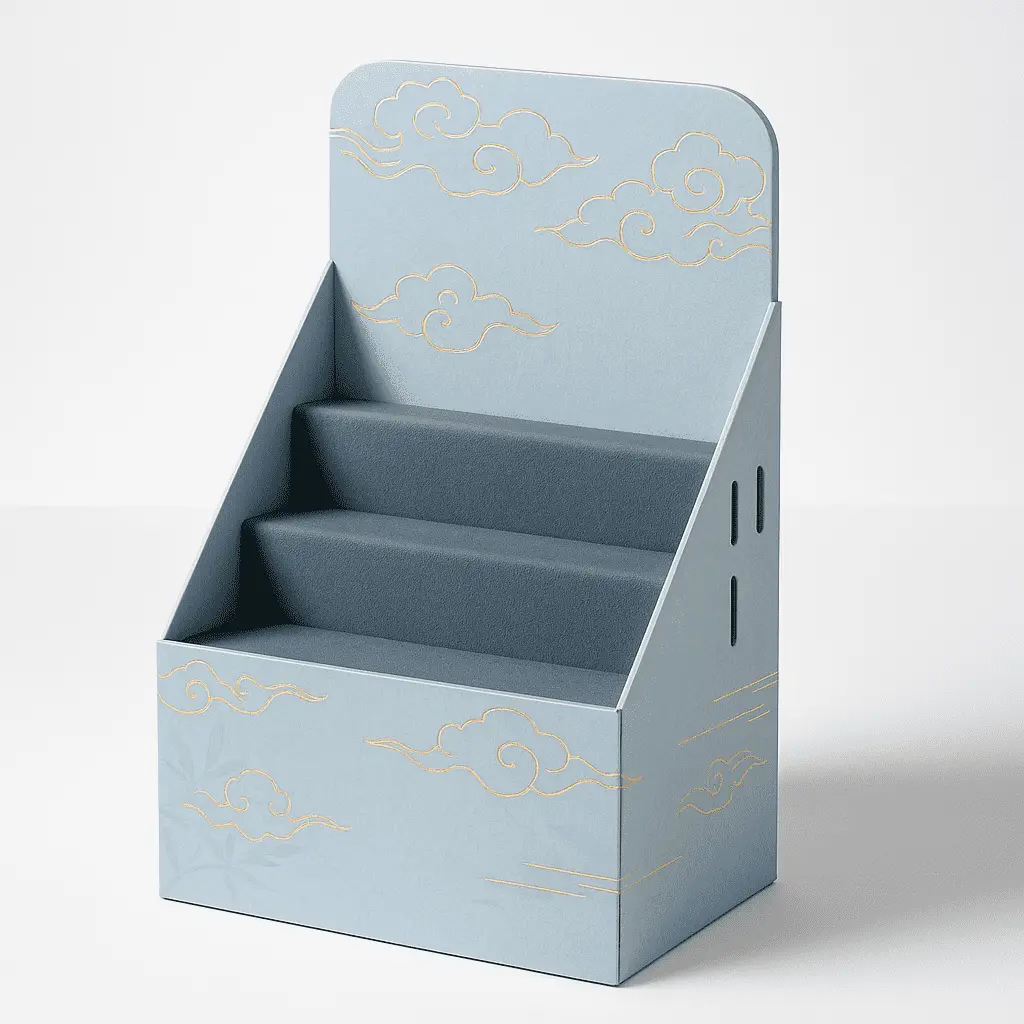
After defining requirements and materials, designers move into structural planning and modeling. Using advanced CAD software, they develop detailed 3D designs that define dimensions, folds, and locking mechanisms. These digital concepts are then transformed into physical prototypes for testing. Evaluations include assembly efficiency, protective strength, and overall usability. Feedback from these trials allows for refinements before mass production begins, guaranteeing that each mailer carton delivers consistent performance, cost efficiency, and alignment with the client's packaging expectations.
From Concept to Reality: The Manufacturing Process
Preparing for Production
Once the design is approved, the production preparation phase begins. This includes creating precise printing plates and cutting dies to define the carton’s shape and creasing points. The production team plans the most efficient layout to optimize material use and reduce waste. Equipment calibration and workflow setup are also completed during this stage. Additionally, strict quality control guidelines are implemented to ensure every mailer carton produced maintains consistent accuracy, strength, and visual quality throughout the entire manufacturing process.
The Production Line
The manufacturing process typically involves several stages:
- Cutting and Creasing: Large sheets of cardboard are cut to size and creased along fold lines.
- Printing: If required, the cartons are printed with branding, product information, or handling instructions.
- Folding and Gluing: The cut and printed sheets are folded and glued to form the final box shape.
- Quality Control: Each stage includes quality checks to ensure specifications are met.
Scaling Up: Mass Manufacturing Challenges
When production shifts to large-scale manufacturing, maintaining quality and efficiency becomes increasingly complex. Manufacturers adopt lean production methods to reduce material waste and downtime while maximizing output. Automation and advanced machinery play an essential role in achieving high-speed, consistent performance. Continuous quality checks and process monitoring ensure that each carton meets exact specifications, even in mass quantities. This balance of precision and productivity enables reliable, large-volume production while upholding the brand’s quality expectations.
Quality Assurance and Continuous Improvement in Mailer Carton Production
Implementing Rigorous Quality Control Measures
Maintaining consistent quality is essential in mailer carton production. Manufacturers perform systematic inspections at every stage, including raw material evaluation, dimensional accuracy checks, and print verification. Advanced statistical process control tools are used to monitor production trends and identify deviations before they affect output. Finished cartons undergo random sampling, compression tests, and drop tests to confirm durability and stability during transit. These rigorous procedures ensure each mailer carton delivers superior performance and reliability under various shipping and handling conditions.
Leveraging Customer Feedback for Improvement
Customer feedback serves as a valuable resource for refining mailer carton design and production. Manufacturers actively collaborate with clients to collect insights on performance, functionality, and user experience during distribution and storage. This information helps identify areas for enhancement, such as improving protective strength, optimizing material usage, or simplifying assembly. Through this continuous feedback loop, packaging solutions evolve over time, allowing producers to align more closely with client expectations and industry standards while strengthening long-term business partnerships.
Embracing Innovation and Technology
Innovation drives continuous improvement across the packaging industry. Mailer carton manufacturers are increasingly adopting automation, AI-based quality inspection, and digital printing technologies to boost production efficiency and precision. At the same time, the pursuit of sustainability encourages exploration of biodegradable coatings, recycled fibers, and smart packaging features like QR tracking. By integrating these technological advancements, manufacturers not only enhance product functionality but also meet growing environmental and market demands, ensuring long-term competitiveness and customer satisfaction.
Conclusion
OEM mailer carton production is a complex process that requires expertise at every stage, from initial design to mass manufacturing. Success in this field demands a balance of creativity, technical skill, and efficiency. As the e-commerce industry continues to grow, the demand for high-quality, customized mailer cartons is likely to increase. Manufacturers who can deliver innovative, sustainable, and cost-effective packaging solutions will be well-positioned to thrive in this dynamic market. By focusing on quality, sustainability, and continuous improvement, OEM mailer carton producers can ensure they meet the evolving needs of their clients and end-users alike.
FAQs
What are the key factors to consider when designing a mailer carton?
Key factors include product size and fragility, shipping conditions, brand identity, sustainability, and cost-effectiveness.
How long does the OEM mailer carton production process typically take?
The timeline can vary greatly depending on complexity, but generally ranges from a few weeks to several months from initial design to mass production.
Can mailer cartons be made from 100% recycled materials?
Yes, many manufacturers offer mailer cartons made from 100% recycled materials, though this may affect cost and certain performance characteristics.
Custom OEM Mailer Carton Solutions | Fetching Printing
At Fetching Printing, we specialize in creating custom OEM mailer cartons tailored to your specific needs. Our experienced team of designers and packaging engineers work closely with you to develop innovative, sustainable, and cost-effective packaging solutions. As a leading manufacturer and supplier in the industry, we pride ourselves on our ability to handle projects of any scale. For expert advice or to discuss your custom mailer carton requirements, please contact us at support@fetchingprinting.com.
References
Johnson, M. (2022). "Sustainable Packaging Solutions in E-commerce: A Comprehensive Guide"
Smith, A. et al. (2021). "Innovations in Corrugated Packaging: From Design to Production"
Lee, S. (2023). "Quality Control Measures in Mass Production of Custom Packaging"
Brown, R. (2022). "The Impact of Material Selection on Mailer Carton Performance"
Davis, T. (2023). "Lean Manufacturing Principles in the Packaging Industry"
Wilson, E. (2021). "Customer-Driven Improvements in Packaging Design: Case Studies"