Design and Conceptualization: Laying the Foundation for Impactful PDQ Displays
Understanding Client Requirements and Brand Identity
The journey of creating a PDQ display begins with a thorough understanding of the client's needs and brand identity. This crucial step involves in-depth discussions with the client to gather information about their product, target audience, and marketing objectives. Designers must consider factors such as the display's intended location, product specifications, and any specific branding guidelines to ensure the final product aligns perfectly with the client's vision.
Brainstorming and Concept Development
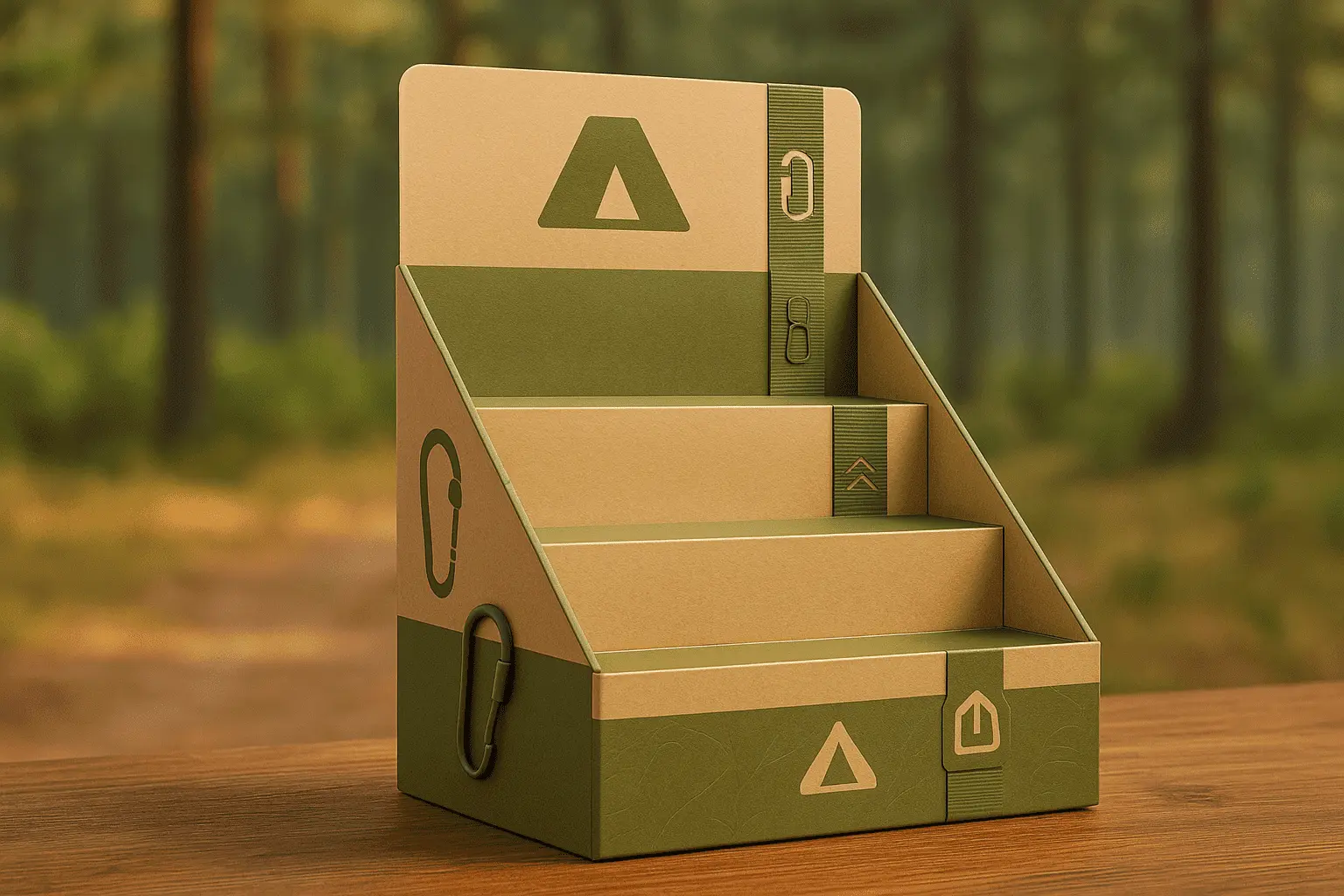
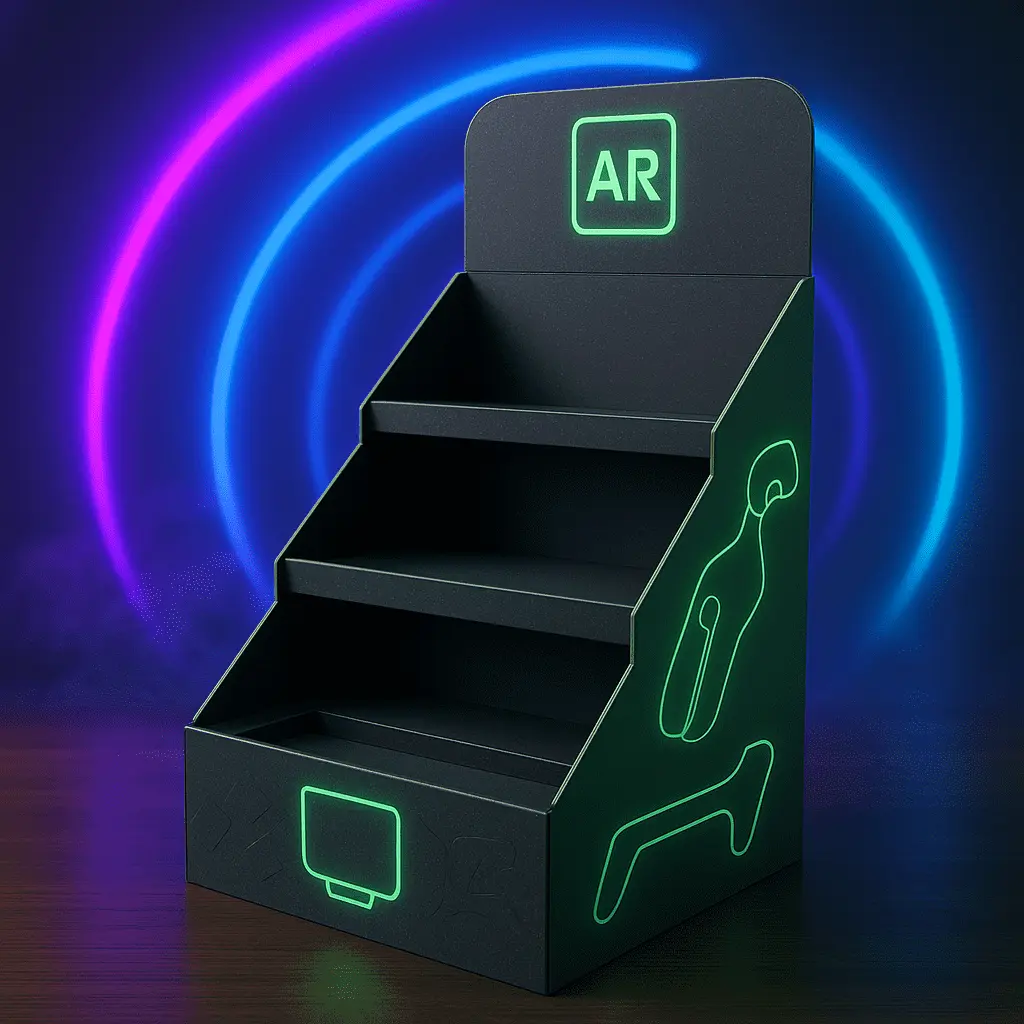
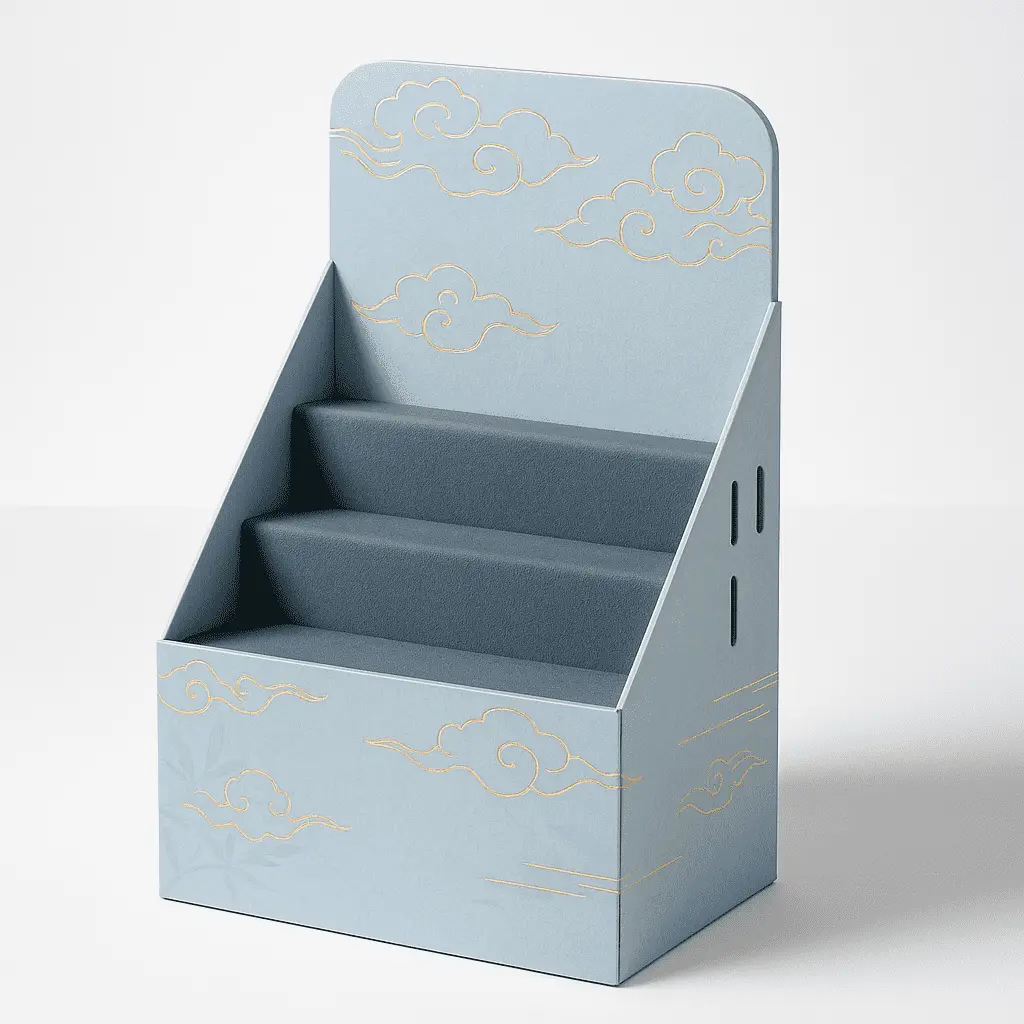
Once the requirements are clear, the design team enters the brainstorming phase. This creative process involves generating multiple ideas and concepts for the PDQ display. Designers consider various aspects such as shape, size, color schemes, and materials that will best showcase the product and capture consumer attention. They may create rough sketches or digital mockups to visualize different possibilities and refine their ideas.
3D Modeling and Prototyping
After settling on a concept, designers move to the 3D modeling stage. Using specialized software, they create detailed digital renderings of the PDQ display. These models allow for precise visualization of the display's structure, dimensions, and overall appearance. Following the digital modeling, a physical prototype is often created. This tangible model helps identify any potential issues with the design, allowing for necessary adjustments before moving to full-scale production.
Material Selection and Procurement: Ensuring Quality and Sustainability
Choosing the Right Materials
The selection of materials is a critical step in the PDQ display manufacturing process. Manufacturers must consider factors such as durability, cost-effectiveness, and environmental impact. Common materials include corrugated cardboard, paperboard, plastic, and metal, each offering unique benefits. For instance, cardboard is lightweight and recyclable, making it an eco-friendly choice for temporary displays, while metal or plastic might be preferred for more permanent installations.
Sourcing and Quality Control
Once the materials are chosen, the procurement process begins. Manufacturers often work with trusted suppliers to ensure consistent quality and timely delivery of raw materials. Rigorous quality control measures are implemented at this stage to verify that all incoming materials meet the required specifications. This may involve testing for strength, thickness, and other relevant properties to guarantee the final product's integrity.
Sustainable Practices in Material Selection
With growing environmental concerns, many manufacturers are prioritizing sustainable materials for PDQ displays. This might include using recycled content, opting for materials that are easily recyclable, or choosing alternatives with a lower carbon footprint. Some companies are also exploring innovative materials such as biodegradable plastics or plant-based alternatives to traditional petroleum-based products.
Production and Assembly: Bringing PDQ Displays to Life
Printing and Die-Cutting
The production journey of PDQ Display starts with precision printing on high-quality materials. Depending on design requirements, techniques like digital printing, offset lithography, or flexography are chosen to achieve vivid colors and sharp details. Once printing is complete, die-cutting machines shape the material according to the design template, ensuring each component is uniform and accurate. This stage lays the foundation for the final structure, transforming flat sheets into pre-cut pieces ready for assembly.
Assembly and Finishing
After printing and die-cutting, all display components are meticulously assembled. The process involves folding, gluing, and interlocking parts to create a sturdy, visually appealing display. Skilled technicians or automated systems handle this phase with precision, maintaining consistency across every unit. Finishing enhancements such as lamination, varnish, embossing, or spot UV coating are often applied to boost durability, resistance to wear, and overall visual appeal, ensuring the display maintains its premium look during in-store use.
Quality Assurance and Testing
Before packaging and shipment, each PDQ display undergoes a detailed quality assurance process. Visual inspections confirm accurate color matching, alignment, and print clarity. Structural integrity is tested to ensure the display can support the intended weight and withstand handling during transport and setup. Some manufacturers simulate retail environments to evaluate real-world performance. These comprehensive checks guarantee that every display meets brand standards and performs reliably once deployed in stores.
Conclusion
In conclusion, the OEM PDQ Display manufacturing process is a complex yet fascinating journey that combines creativity, precision engineering, and quality craftsmanship. From the initial design phase to the final quality checks, each step plays a crucial role in creating effective promotional tools that capture consumer attention and drive sales. As retail marketing continues to evolve, understanding this process can provide valuable insights for brands and retailers looking to maximize their in-store presence.
FAQs
What is a PDQ Display?
A PDQ (Pretty Darn Quick) Display is a type of Point of Purchase (POP) display designed for quick and easy setup in retail environments. It's typically used for promotional products or new item launches.
How long does it take to manufacture a PDQ Display?
The manufacturing time can vary depending on complexity and quantity, but typically ranges from 2-4 weeks from design approval to final production.
Are PDQ Displays environmentally friendly?
Many manufacturers now offer eco-friendly options using recyclable materials or sustainable production methods. It's best to discuss specific environmental requirements with your chosen supplier.
Custom OEM PDQ Display Solutions | Fetching Printing
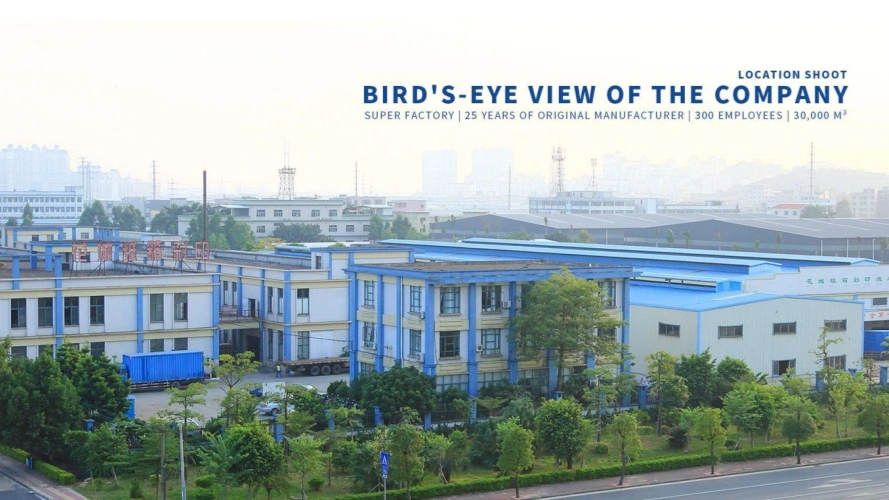
At Fetching Printing, we specialize in creating high-quality, custom OEM PDQ Displays tailored to your unique needs. Our experienced team of designers and engineers work closely with clients to develop innovative display solutions that maximize product visibility and boost sales. As a leading manufacturer and supplier in the industry, we offer comprehensive services from concept to delivery. For personalized PDQ Display solutions, contact us at support@fetchingprinting.com.
References
Smith, J. (2022). The Evolution of Point-of-Purchase Displays in Retail Marketing. Journal of Retail Innovation, 15(3), 45-62.
Johnson, A. & Brown, T. (2021). Sustainable Materials in POP Display Manufacturing: A Comprehensive Review. International Journal of Packaging Technology, 8(2), 112-128.
Davis, R. (2023). Consumer Behavior and the Impact of In-Store Displays. Retail Psychology Quarterly, 29(1), 78-95.
Williams, E. et al. (2022). Advanced Printing Techniques for High-Quality Retail Displays. Print Technology Review, 17(4), 201-215.
Chen, L. & Taylor, S. (2021). Quality Control Measures in POP Display Production: Best Practices and Case Studies. Manufacturing Quality Assurance, 12(3), 156-170.
Anderson, K. (2023). The Role of 3D Modeling in Modern Display Design. Digital Design in Retail, 6(2), 89-103.