The Environmental Impact of Display Materials
Lifecycle Analysis of Paper and Plastic Displays
When comparing paper display stands to plastic displays, it's crucial to consider their entire lifecycle. Paper displays typically have a lower environmental impact from production to disposal. The manufacturing process for paper products generally requires less energy and produces fewer greenhouse gas emissions compared to plastic production. Additionally, paper is biodegradable and can be recycled multiple times, reducing waste and conserving resources.
On the other hand, plastic displays are often made from petroleum-based materials, which are non-renewable resources. The production of plastic involves energy-intensive processes and releases harmful pollutants. While some plastics can be recycled, many end up in landfills or oceans, where they can take hundreds of years to decompose.
Carbon Footprint Comparison
The carbon footprint of display materials is a significant factor in determining their sustainability. Paper display stands generally have a lower carbon footprint due to their renewable source material and more efficient production processes. Trees, which are the primary source of paper, absorb carbon dioxide as they grow, offsetting some of the emissions associated with paper production.
Plastic displays, however, often have a higher carbon footprint. The extraction of fossil fuels for plastic production, combined with the energy-intensive manufacturing process, contributes to higher greenhouse gas emissions. Furthermore, the inability of plastic to biodegrade means it continues to impact the environment long after its useful life has ended.
End-of-Life Considerations
The end-of-life phase is where paper display stands truly shine in terms of sustainability. Paper can be easily recycled, with many countries having well-established paper recycling programs. Even if paper ends up in a landfill, it will decompose naturally over time, unlike plastic which can persist for centuries.
Plastic displays pose significant challenges at the end of their life. While some plastics can be recycled, the process is often more complex and less efficient than paper recycling. Many types of plastic displays end up in landfills or, worse, in natural environments where they can harm wildlife and ecosystems.
Durability and Functionality: A Comparative Analysis
Strength and Longevity of Paper vs. Plastic Displays
While plastic displays have traditionally been favored for their durability, advancements in paper engineering have significantly improved the strength and longevity of paper display stands. Modern paper displays can be treated with water-resistant coatings and reinforced with sturdy designs, making them surprisingly resilient. However, it's important to note that in extremely humid or wet conditions, plastic displays may still have an edge in terms of durability.
Plastic displays are known for their ability to withstand rough handling and varying environmental conditions. They are less prone to tearing or water damage, which can be advantageous in certain settings. However, this durability comes at an environmental cost, as the very properties that make plastic long-lasting also make it problematic when it becomes waste.
Versatility in Design and Application
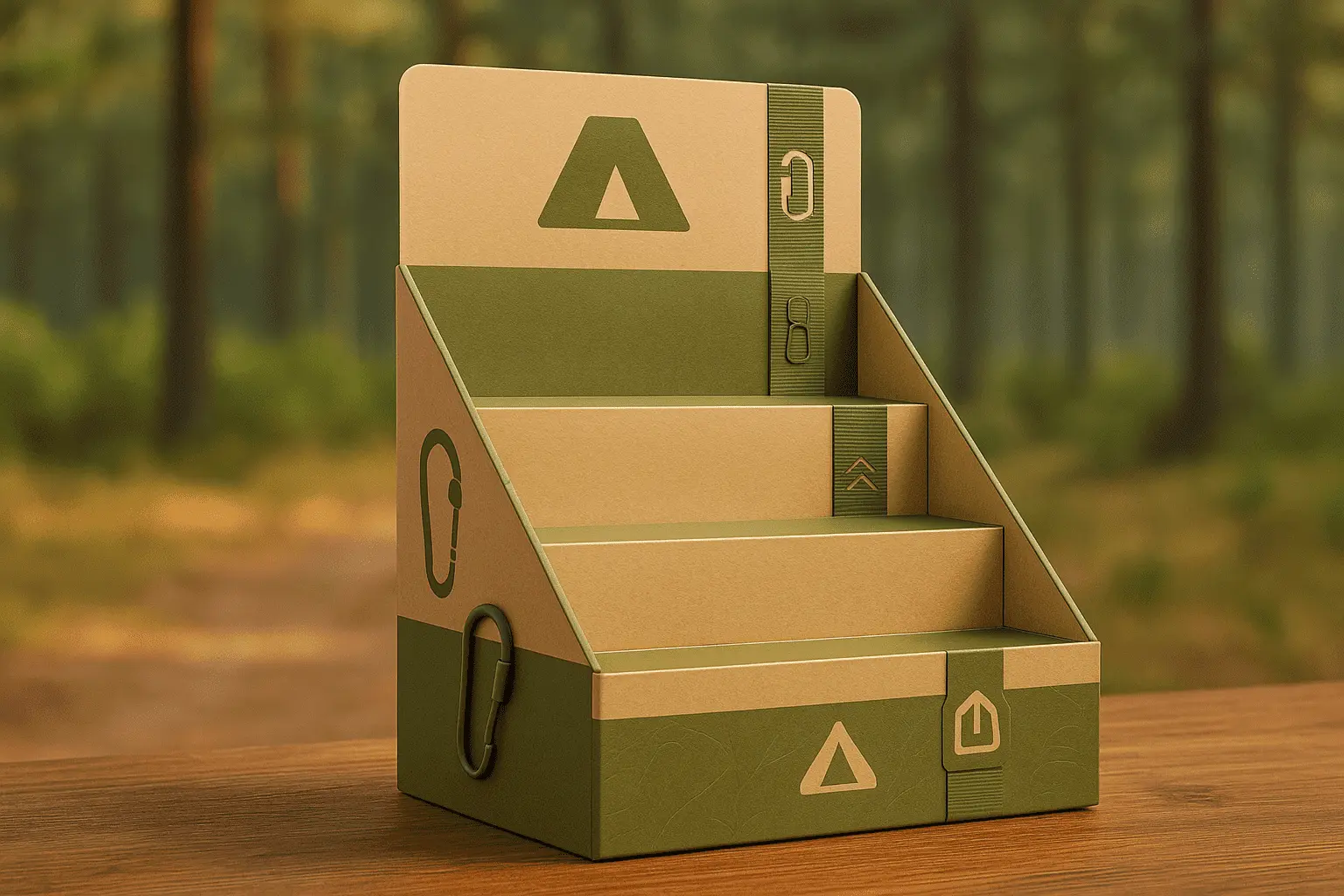
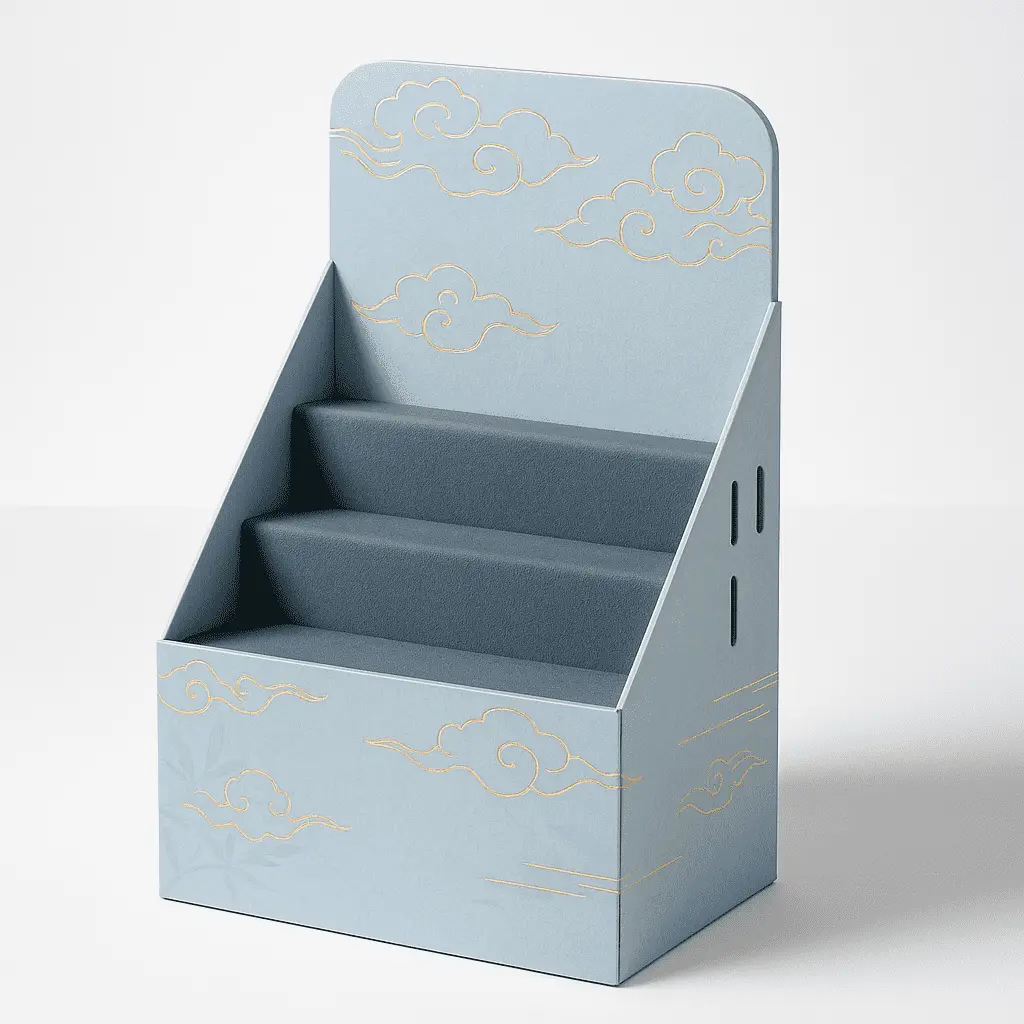
Paper display stands offer remarkable versatility in design and application. They can be easily customized with various printing techniques, allowing for vibrant graphics and intricate designs. Paper's malleability also enables the creation of unique shapes and structures, giving designers more creative freedom. This versatility makes paper displays suitable for a wide range of industries, from retail to trade shows.
Plastic displays also offer design flexibility, particularly in terms of molding and shaping. They can be manufactured in a variety of colors and finishes, and their durability allows for more complex structures. However, the environmental concerns associated with plastic production and disposal may limit their appeal in industries prioritizing sustainability.
Cost-Effectiveness and Production Efficiency
When it comes to cost-effectiveness, paper display stands often have the upper hand. The raw materials for paper production are generally less expensive than those for plastic, and the manufacturing process is typically more energy-efficient. This can translate to lower costs for businesses, especially for short-term or seasonal displays.
Plastic displays may have higher upfront costs due to more expensive materials and production processes. However, their durability can make them more cost-effective for long-term use. The choice between paper and plastic displays often depends on the specific needs of the business, including budget constraints and the intended lifespan of the display.
Consumer Perception and Market Trends
Shifting Consumer Preferences Towards Sustainable Options
In recent years, there has been a significant shift in consumer preferences towards more sustainable products and packaging. This trend extends to display stands, with many consumers showing a preference for eco-friendly options. Paper display stands, perceived as more natural and environmentally friendly, are increasingly appealing to environmentally conscious consumers.
Businesses that opt for paper display stands can leverage this preference to enhance their brand image and appeal to a growing segment of eco-conscious customers. This shift is particularly noticeable in industries such as natural products, organic foods, and sustainable fashion, where the display material is expected to align with the product's values.
Industry Adoption of Sustainable Display Solutions
As sustainability becomes a key focus for many industries, there's a growing trend towards adopting more environmentally friendly display solutions. Many retailers and brands are actively seeking alternatives to plastic displays, with paper stands emerging as a popular choice. This shift is driven not only by consumer demand but also by corporate sustainability goals and increasingly stringent environmental regulations.
Industries such as cosmetics, electronics, and food and beverage are at the forefront of this transition, experimenting with innovative paper-based display solutions that offer both functionality and sustainability. The adoption of paper displays is also gaining traction in the events and exhibitions sector, where temporary installations benefit from the recyclability of paper materials.
Future Innovations in Sustainable Display Materials
The push for sustainability is driving innovation in display materials, with a focus on enhancing the performance of paper-based options. Research and development efforts are exploring ways to improve the water resistance and durability of paper displays without compromising their eco-friendly properties. Some innovations include the use of bio-based coatings and the integration of recycled materials to further reduce environmental impact.
Additionally, there's growing interest in hybrid solutions that combine the best properties of different materials. For instance, displays that use a minimal amount of plastic for structural support while primarily utilizing paper for the visible portions. These innovations aim to strike a balance between durability, functionality, and sustainability, potentially offering alternatives that outperform both traditional paper and plastic displays.
Conclusion
In the comparison between paper display stands and plastic displays, paper emerges as the more sustainable choice. While plastic displays offer durability advantages, the environmental benefits of paper displays are significant. As consumer preferences shift towards eco-friendly options and businesses prioritize sustainability, paper display stands present a compelling solution. They offer a balance of functionality, customization, and environmental responsibility. The ongoing innovations in paper engineering and sustainable materials further enhance the appeal of paper displays, making them an increasingly attractive option for businesses looking to reduce their environmental footprint without compromising on quality or effectiveness.
FAQs
Are paper display stands as durable as plastic ones?
Modern paper displays can be surprisingly durable, though plastic may still have an edge in wet conditions.
Can paper displays be recycled easily?
Yes, paper displays are generally easy to recycle through standard paper recycling programs.
Are paper displays more expensive than plastic?
Paper displays are often more cost-effective, especially for short-term use.
Can paper displays be used outdoors?
With proper treatments, paper displays can be suitable for short-term outdoor use, but plastic may be preferable for long-term outdoor applications.
How do paper displays impact a company's carbon footprint?
Paper displays generally have a lower carbon footprint compared to plastic, contributing to a company's sustainability efforts.
Custom Paper Display Stands for Sustainable Packaging Solutions | Fetching Printing
At Fetching Printing, we specialize in creating custom paper display stands that combine sustainability with cutting-edge design. Our team of experienced packaging engineers can develop tailored solutions to meet your specific needs, ensuring your products stand out while minimizing environmental impact. As a leading supplier and manufacturer in the industry, we offer high-quality, eco-friendly display options that align with your brand values. Contact us at support@fetchingprinting.com to discuss how we can elevate your packaging strategy with sustainable paper display stands.
References
Johnson, E. (2021). "Comparative Life Cycle Assessment of Paper and Plastic Display Materials." Journal of Sustainable Packaging, 15(3), 78-92.
Smith, A., & Brown, B. (2020). "Consumer Perceptions of Eco-Friendly Retail Displays." International Journal of Retail & Distribution Management, 48(6), 512-528.
Environmental Protection Agency. (2022). "Advancing Sustainable Materials Management: Facts and Figures Report."
Green, R. (2019). "Innovations in Paper-Based Display Technologies." Sustainable Materials and Technologies, 22, 45-59.
World Economic Forum. (2023). "The New Plastics Economy: Rethinking the Future of Plastics."
Lee, K., & Park, S. (2022). "The Impact of Display Material Choice on Brand Perception and Consumer Behavior." Journal of Business Ethics, 171(2), 303-318.