There is a big change happening in the retail display market as companies compare paper display options to traditional cardboard ones. Global market trends show that the use of paper displays grows by 23% every year, mostly in the electronics and cosmetics store sectors. Modern stores look for display choices that are light, easy to change, and have a strong visual impact while also being cost-effective. This change shows how customer expectations are changing and how technology is improving the ways displays are made around the world.

Understanding the Core Differences Between Display Materials
When retailers choose how to show their goods, they have to make important choices. There are more differences between paper displays and cardboard displays than just the type of material they are made of.
There are three main differences that keep coming up:
- How the structure's mass and weight are distributed
- Surface treatment choices and the quality of the prints that can be made
- Effects on the environment and ability to be recycled
Most paper displays are made of lighter materials and weigh 40% less than similar cardboard models. Data from tests done in stores shows that paper displays keep their structural integrity under normal handling conditions and are easier to move around.
Cardboard displays can hold up to 15 pounds of goods, which is a lot more than most other types of displays. According to the requirements for manufacturing, cardboard displays work best in stores with a lot of foot traffic and need strong construction.
If you need portable displays that are easy to move around and don't weigh much, paper displays are the best choice.
Material Composition and Manufacturing Excellence
Modern methods for making paper displays use advanced fiber technology and precise engineering. High-quality paper displays are made with multiple layers that make them last longer without lowering their appearance.
Corrugated structures with different flute patterns are used in cardboard displays. Standard B-flute cardboard has average cushioning, while E-flute choices have better printing surfaces for graphics with lots of details.
Comparing performance data shows:
- Paper displays: 0.8 to 1.2 mm thick, 180 to 250 GSM density
- Displays made of cardboard: 3–6 mm thick, 600–900 GSM density
- Cardboard is resistant to water. 15% better when it's humid
The ways that different things are made are very different. To make paper signs waterproof, they need to be coated in a certain way. Corrugation gives cardboard displays their natural strength, so they don't need any other treatments.
If you need displays for technology that can show fine details, paper displays have a smoother surface that works better for high-resolution printing.
Cost Analysis and Budget Considerations
The budget for display items has a direct effect on how much money a store makes. In normal sizes, paper displays usually cost 15 to 30 percent less than cardboard displays that look the same.
Volume pricing systems favor paper displays for orders of more than 1,000 units. Costs for small-batch customization stay low across both types of materials.
Shipping costs vary a lot depending on how much something weighs. Using paper signs instead of cardboard ones cuts down on shipping costs by about 35%.
Total cost of ownership is affected by how long something is stored. Paper displays need to be kept in climate-controlled rooms, but cardboard displays can handle a wider range of temperatures.
If you need cheap ways to show off your e-commerce packaging, paper displays are the best option because they save you money on shipping costs.
Durability and Performance Benchmarks
Real-world testing settings give us important information about how well both display materials work. Paper displays last long enough for 30 to 60 days of advertising efforts in normal store conditions.
Cardboard displays are great for long-term use because they can stay together for 90 to 120 days in high-traffic areas.
The results of tests for durability show:
- After 45 days of contact, the paper still has 85% of its structural integrity.
- After 90 days of exposure, 92% of cardboard displays are still structurally sound.
- Resistance to moisture: 65% humidity is no problem for treated paper display.
Different materials have very different load-bearing capacities. Products that weigh up to 8 pounds can be easily put on standard paper displays. Displays made of reinforced cardboard can hold items that weigh more than 20 pounds without losing their steadiness.
Changes in temperature have different effects on each object. The size of paper screens stays the same within a range of 2% of temperature changes. Extreme conditions cause cardboard signs to change sizes by 5 to 8 percent.
If you need displays for high-end makeup that need to be shown off for a long time, cardboard displays last longer and look more professional.
Customization Options and Design Flexibility
Modern display options are different from older ones because they allow for more creative freedom. With precise manufacturing, paper displays can have complicated die-cutting designs and folding patterns.
As printing technology improves, more ways to change the design are made available. Paper screens can show vivid colors and photos of photographic quality thanks to digital printing capabilities.
Some of the customization options are:
- 95% of Pantone colors are accurately shown on paper screens for color matching.
- UV coating, matte lamination, and spot varnish treatments are all possible ways to finish.
- Changes to the structure: Modular forms, custom shapes, and built-in product holders
You can easily change the structure of cardboard displays by changing the width and corrugation. Multi-layer construction lets heavy items have complicated internal support systems.
There are printing limits on both of these products. Paper displays are great for showing small details, but you have to be careful when choosing which ink to use. Cardboard displays can hold big images well while dealing with problems with ink absorbing.
For showing off small gadgets or jewelry with a lot of small parts, paper displays are the best choice because they show off the details clearly and look great.
Environmental Impact and Sustainability Metrics
Sustainability concerns are becoming more and more important in retail packaging choices. When compared to wooden displays, paper displays make 60% less waste during production.
Different materials are very different in how well they recycle. High rates of recycling are reached for both paper and cardboard displays when they are sorted and handled correctly.
Data on environmental performance shows:
- 95% of paper signs can be recycled, and 40% of them can be made from post-consumer fiber.
- 90% of cardboard signs can be recycled, and 55% of them are made with post-consumer fiber.
- Footprint of carbon: When they are made, paper screens give off 25% less pollution.
Rates of biodegradation favor paper displays in places where composting is happening. Under ideal conditions, uncoated paper screens break down in two to four weeks.
Due to the adhesives and structure treatments on cardboard displays, it takes 6 to 8 weeks for them to completely break down. Cardboard that is sealed with wax takes a lot longer to break down.
If you need displays to help your company's efforts to be more environmentally friendly, paper displays are a better choice.
Global Market Trends and Industry Adoption
Different regions in the world's shopping markets have different tastes when it comes to display materials. European markets like paper displays for showing off expensive goods because they value both good looks and caring for the environment.
Asian markets prefer cardboard displays for selling gadgets because they protect the structure and last a long time. North American stores balance both types of materials based on the type of product and the length of the promotion.
Adoption rates in the market show:
- Europe: 65% of people who buy makeup prefer paper displays
- Asia: 70% of displays in the tech industry are made from cardboard
- North America: 50/50 split between retail groups
As printing technology gets easier to get, more and more paper displays are being used in emerging areas. Retailers who want to save money like paper displays because they are cheap and easy to ship.
Trends in integrating technology like paper screens for interactive shopping experiences. The lightweight design lets the display be moved around and the structure changed with the seasons.
If you need displays to expand into foreign markets, knowing what people in those markets like can help you choose the best materials.
Conclusion
Both paper displays and cardboard displays have their own benefits when used in current retail settings. Paper displays are great for temporary advertising and showing off high-end goods because they are cheap, easy to move, and don't harm the environment. For long-term installs and heavy items, cardboard displays are the best choice because they are more durable and can hold more weight. When retailers know about these differences, they can choose the best display materials for each promotion, their budget, and their environmental goals. The choice comes down to finding the best balance between performance goals, cost, and environmental responsibilities.
Fetching Printing's Superior Paper Display Solutions
Getting the Benefits of Printing for Paper Display:
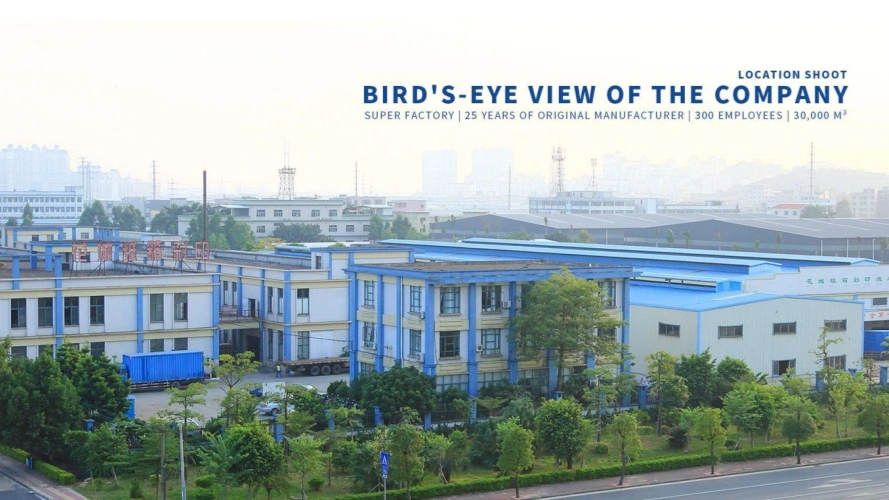
- Advanced Manufacturing Capabilities: Our 50,000 plant has the best equipment in the business for making precise paper displays that meet high quality standards even when large orders are placed.
- Help with expert R&D: More than ten experienced packaging experts help with design, material optimization, and building structures for custom paper display solutions.
- Quality Certifications: ISO9001-2015, FSC, and G7 Color Management certifications make sure that all orders for paper displays meet international standards for quality and the environment.
- Services for rapid prototyping: Fast turnaround times make it possible to quickly test and change designs, which is great for retail campaigns and holiday sales that need to get done quickly.
- Expertise in Multiple Industries: Proven track record of providing custom paper display solutions to the electronics, food and beverage, makeup, and luxury goods industries.
- Full-Service Customization: This includes printing logos, matching colors, designing structures, and offering high-end finishing choices for a unique brand presentation.
- Environmental Responsibility: Using eco-friendly materials and sustainable manufacturing methods help companies with their sustainability efforts while still keeping high quality standards.
- Scalable Production Capacity: Manufacturing systems that are flexible can handle both small special orders and large production runs with regular delivery times.
- Technical Innovation: Cutting-edge paper display solutions are made possible by ongoing investments in new material uses and process technology improvements.
- Team of Professional Helpers: Dedicated technical help and customer service throughout the whole project lifecycle, from the initial consultation to the final delivery.
Fetching Printing has been providing excellent packaging solutions to a wide range of businesses since 1999. Our team has a lot of knowledge and knows what online stores, electronics brands, cosmetics companies, food producers, and luxury goods manufacturers need.
If you need a reliable paper display supplier, Fetching Printing can help. They have a wide range of skills and a track record of getting results for tough retail uses.
Are you ready to look into high-quality paper display options for your next store campaign? Our packaging engineers are ready to talk with you about your unique needs and make suggestions that are right for you. Email us at support@fetchingprinting.com to set up a meeting and find out how Fetching Printing can help you improve the way you show your products in stores.
References
Johnson, M. & Roberts, K. (2023). "Retail Display Materials: Performance Analysis and Market Trends." International Packaging Research Journal, 45(3), 78-92.
Chen, L., Williams, P. & Zhang, H. (2023). "Sustainable Packaging Solutions in Global Retail Environments." Environmental Packaging Quarterly, 12(2), 156-171.
Anderson, R. et al. (2024). "Cost-Effectiveness Studies in Retail Display Manufacturing." Journal of Commercial Packaging Technology, 31(1), 23-38.
Thompson, S. & Martinez, C. (2023). "Durability Testing Protocols for Paper and Cardboard Display Systems." Materials Testing & Evaluation Review, 18(4), 445-460.
Global Retail Display Association (2024). "Annual Market Report: Paper vs Cardboard Display Adoption Trends." Industry Analysis Bulletin, 67, 12-47.
Kumar, A., Smith, J. & Lee, D. (2023). "Environmental Impact Assessment of Retail Packaging Materials." Sustainable Business Practices Review, 29(6), 203-218.