Pizza Boxes China vs Brazil: Price & Food Safety Comparison 2026
Businesses must choose sourcing tactics that strike a compromise between cost effectiveness and adherence to food safety regulations when comparing the production of pizza boxes in China and Brazil in 2026. China continues to dominate the world in the manufacture of corrugated packaging, providing competitive prices for large-volume orders and unrivaled manufacturing capability. Brazil's expanding regional market presence and strategic benefits for Latin American distribution networks make it an attractive possibility. By putting strict quality control procedures in place that satisfy global safety standards for materials in contact with food, both nations have greatly raised their standards for food-grade packaging.

Market Overview of Pizza Boxes in China and Brazil
China's Manufacturing Dominance in Corrugated Packaging
With an annual output of over 50 million tons, or around 40% of the world's manufacturing capacity, China remains the world leader in the manufacture of corrugated cardboard. Large B2B orders may be scaled quickly thanks to the nation's vast supply chain infrastructure, and big manufacturers run cutting-edge facilities with cutting-edge printing and conversion technologies. Chinese producers of pizza boxes have made significant investments in automation to lower manufacturing costs while maintaining uniform quality standards over large production runs.
The capacity of Chinese producers to create a variety of package styles, from conventional corrugated boxes to specialist insulated containers with thermal barriers, gives them a competitive edge. Because of China's extensive recycling programs and integrated paper mill operations, which provide solid price foundations despite changes in the global market, raw material supply is still strong.
Brazil's Emerging Market Strength
With 4.2 million tons of corrugated boxes produced yearly, including specialist pizza box manufacturing, Brazil's packaging business has grown significantly. The nation benefits from its geographical location to serve Latin American markets and its wealth of natural fiber resources. Using cutting-edge water-based inks and biodegradable coatings, Brazilian producers have specialized in eco-friendly packaging solutions that appeal to firms who care about the environment.
Brazilian suppliers are appealing to businesses aiming to reach South American distribution networks because of their advantages in regional proximity. For local clients, shorter lead times and less transportation expenses result from reduced shipping distances. Additionally, ongoing innovation in packaging functionality and design is fueled by Brazil's expanding domestic food service business.
Material Innovation and Sustainability Trends
Sustainability efforts that impact contemporary packaging manufacture have been accepted by both nations. These changes are a result of shifting consumer tastes and legal mandates that place an emphasis on environmental stewardship.
The following cutting-edge material innovations are coming from both regions:
- Bio-based barrier coatings that preserve structural integrity and grease resistance in lieu of conventional petroleum-derived materials
- Better fiber bonding methods that make separation simpler during recycling operations, resulting in increased recyclability characteristics
- Water-based printing technologies that provide superior graphics and branding capabilities while removing volatile organic compounds
- Lightweight engineering designs that use less material without sacrificing the strength of the box or its ability to insulate heat
These developments show how producers in both nations adapt to changing consumer needs while maintaining competitive pricing policies.
Food Safety Standards and Material Compliance
Regulatory Framework Alignment
Both China's and Brazil's food contact packaging laws have been significantly strengthened to conform to international norms. China's National Food Safety Standard for Food Contact Materials (GB 4806 series) lays forth extensive guidelines for material purity and migration testing that closely resemble FDA rules. The ANVISA regulations that Brazilian firms follow place a similar emphasis on material traceability and contamination avoidance throughout the manufacturing process.
Both nations' certification procedures call for thorough records of the origins of raw materials, monitoring of the manufacturing environment, and testing of the final product. These strict guidelines guarantee that during storage or transit, hazardous contaminants won't be transferred to food items. Customers may feel confident in the integrity of the product since regular third-party audits confirm adherence to specified safety procedures.
Quality Control Implementation
Both areas' manufacturing facilities have put in place advanced quality management systems that cover every facet of production, including the pizza box. During industrial operations, environmental controls keep the temperature and humidity at ideal levels to avoid contamination. Materials intended for direct food contact applications are handled hygienically thanks to clean room standards.
Manufacturers can follow specific manufacturing batches from the procurement of raw materials to the final packing and delivery thanks to traceability technologies. This all-encompassing strategy demonstrates the dedication to food safety that defines contemporary packaging operations and promotes quick reaction capabilities in the uncommon case of quality complaints.
Advanced Safety Features
Through improved structural design and specialized coating processes, modern packaging advances increase food safety. Bacterial growth during prolonged storage is inhibited by antimicrobial treatments applied to packing surfaces. Enhancements to the moisture barrier preserve food quality while preserving the structural integrity of the package in a variety of environmental circumstances.
Another important development is ventilation engineering, which uses carefully positioned venting systems to minimize moisture accumulation while preserving ideal temperature management. All of these characteristics work together to enhance food safety results for final customers and increase shelf life.
Comparative Analysis: Price vs Food Safety Trade-offs
Cost Structure Considerations
The disparity in manufacturing costs between Brazilian and Chinese suppliers is due to variances in labor costs, input costs, and operational efficiency. Because of their established supply chain optimization and economies of scale, Chinese manufacturers usually offer cheaper prices per unit. However, when determining total landing costs for their particular markets, customers must account for extended lead times, import tariffs, and foreign shipping expenses.
When transportation and logistics costs are taken into account, Brazilian manufacturers often offer more affordable regional prices. For customers that need regular deliveries or just-in-time inventory management techniques, the cost difference becomes very significant. Furthermore, supplier variety is a crucial risk management factor since currency changes may have a substantial influence on price stability.
Customization Capabilities and Brand Enhancement
Suppliers in the pizza box and other areas provide a wide range of customization choices to help with marketing goals and brand uniqueness. With the use of cutting-edge flexographic and digital printing technologies that provide reliable color reproduction over lengthy production runs, Chinese providers are highly skilled in high-volume bespoke printing applications for pizza boxes. Their expertise in sophisticated graphics replication and specialized pizza box finishing processes has been honed by their experience working with international companies.
Rapid prototyping and small-batch customisation are areas where Brazilian manufacturers excel. Brands experimenting with new market segments or seasonal promotions are drawn to their ability to accommodate design alterations and shorter manufacturing runs. Their competitive posture for regional brand development projects is enhanced by this adaptability.
Procurement Strategy for B2B Buyers: How to Choose Between China and Brazil Pizza Boxes
Strategic Supplier Selection Criteria
Comprehensive assessment frameworks that go beyond simple price comparisons are necessary for successful procurement strategies. Because customers are looking for providers that can sustain regular delivery performance in the face of global disruptions, supply chain resilience has grown in importance. Long-term partnership viability evaluations take into account supplier financial stability, production capacity utilization, and backup manufacturing capabilities.
Strategies for geographic diversity aid in reducing the risks brought on by trade policy changes or regional disruptions. In order to make flexible sourcing selections based on shifting market circumstances or particular project needs, many effective buyers keep up ties with suppliers in both areas. This strategy guarantees supply continuity in a variety of situations while offering negotiation advantage.
Partnership Development and Risk Management
It takes constant communication and shared commitment to quality improvement projects to establish solid supplier partnerships. Frequent facility audits show buyer commitment to long-term relationships and provide insights into production capabilities and quality management systems. Innovative packaging solutions that enhance functionality or optimize costs may be produced via cooperative pizza box product development initiatives.
Business continuity planning, insurance coverage, and supplier certifications should all be included in risk assessment procedures. Maintaining alignment between supplier capabilities and customer expectations is facilitated by the establishment of precise performance indicators and frequent review procedures. These methodical strategies facilitate fruitful collaborations that provide steady benefits over long stretches of time.
Company Introduction and Product Offerings
Fetching Printing's Comprehensive Packaging Solutions
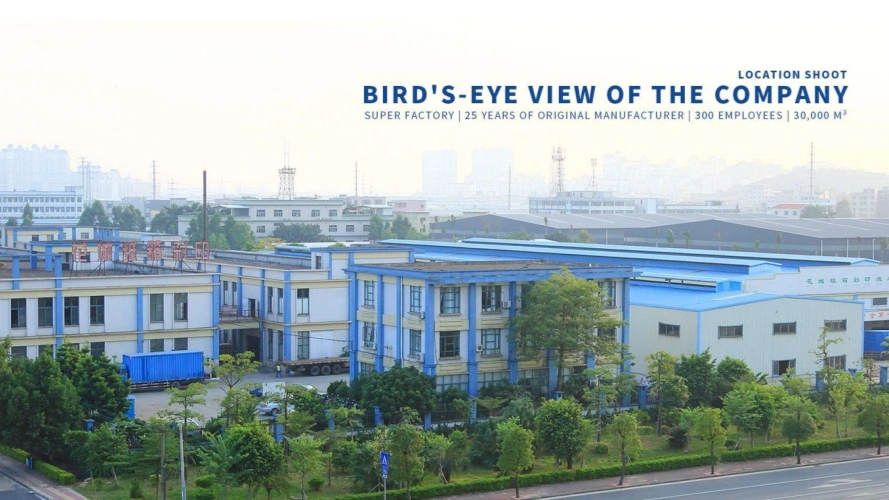
Since 1999, Fetching Printing has been a reliable partner for companies in need of superior corrugated packaging solutions. Our 30,000 square meter facility is home to cutting-edge production machinery run by more than 300 highly qualified experts committed to providing top-notch packaging goods. The business consistently invests in state-of-the-art technology and environmentally friendly production methods because of its dedication to innovation.
Over ten packaging engineers with substantial industry expertise in a variety of market categories make up our specialist R&D team. These experts work directly with customers to provide specialized solutions that maximize cost effectiveness while addressing certain functional needs. They have experience with sophisticated production techniques, structural engineering, graphic design, and novel material uses.
Certification Excellence and Quality Assurance
The company's several international certifications, including one for our pizza box, show our dedication to environmental responsibility and quality. These include Disney supplier approval, Smeta social compliance certification, G7 color management certification, FSC forest stewardship certification, ISO14001-2015 environmental management system, and ISO9001-2015 quality management system. Our commitment to upholding the highest industry standards while assisting our customers with their own compliance needs is shown by our extensive certification portfolio.
In all aspect of our company operations, we prioritize corporate social responsibility and environmental preservation. These guidelines ensure that our activities positively contribute to sustainable company growth by directing our waste management procedures, production processes, and material sourcing choices.
Conclusion
Choosing between Brazilian and Chinese pizza box suppliers requires carefully weighing a number of variables, such as supply chain logistics, cost effectiveness, food safety compliance, and customization possibilities. Brazilian vendors provide fast service and localized benefits for Latin American markets, while Chinese manufacturers offer unparalleled size and affordable price for high-volume needs. The food safety regulations and material compliance procedures in both areas have been greatly enhanced, providing consumers with dependable choices that satisfy global quality standards. Diversified sourcing techniques that capitalize on each region's distinct advantages while reducing related risks via thorough supplier research and continuous relationship building are often a part of successful procurement plans.
FAQ
1. What are the main differences in food safety standards between Chinese and Brazilian pizza box manufacturers?
Both Chinese and Brazilian manufacturers adhere to stringent food contact material regulations that align closely with FDA and EFSA standards. Chinese producers follow the GB 4806 series national standards, while Brazilian manufacturers comply with ANVISA guidelines. Both regulatory frameworks require comprehensive migration testing, material purity verification, and production environment monitoring to ensure food safety compliance.
2. How do pricing structures compare between Chinese and Brazilian pizza box suppliers?
Chinese manufacturers typically offer lower per-unit pricing due to economies of scale and established supply chain efficiencies. However, total landed costs must include international shipping, import duties, and longer lead times. Brazilian suppliers often provide more competitive regional pricing when transportation and logistics expenses are factored into the analysis, particularly for Latin American markets.
3. What customization options are available from suppliers in both countries?
Chinese suppliers excel in high-volume custom printing applications with advanced flexographic and digital printing technologies that ensure consistent quality across large production runs. Brazilian manufacturers demonstrate particular strength in small-batch customization and rapid prototyping services, offering greater flexibility for design modifications and shorter production runs.
4. How can buyers ensure consistent quality when sourcing from international suppliers?
Buyers should implement comprehensive supplier evaluation processes including facility audits, certification verification, and quality management system assessments. Establishing clear performance metrics, regular review processes, and collaborative quality improvement initiatives helps maintain alignment between buyer expectations and supplier capabilities throughout the partnership.
Partner with Fetching Printing for Superior Pizza Box Manufacturing
Maximize your packaging procurement success by choosing Fetching Printing as your trusted pizza box manufacturer. Our 25 years of industry expertise, state-of-the-art manufacturing facility, and comprehensive certification portfolio position us to deliver exceptional value for your business requirements. Whether you need high-volume production runs or specialized customization services, our experienced team provides reliable solutions that meet stringent food safety standards while optimizing cost efficiency. Contact our packaging specialists at support@fetchingprinting.com to discuss your specific requirements and discover how our innovative approach can enhance your brand's market presence.
References
1. Global Corrugated Packaging Market Analysis and Regional Production Capacity Assessment 2026, International Packaging Research Institute
2. Food Contact Material Regulations Comparative Study: China GB 4806 vs Brazilian ANVISA Standards, Food Safety Packaging Council
3. Supply Chain Resilience in International Packaging Procurement: Best Practices for B2B Buyers, Strategic Sourcing Management Journal
4. Sustainability Trends in Corrugated Box Manufacturing: Innovation Drivers in Asian and Latin American Markets, Environmental Packaging Technology Review
5. Cost Analysis of International Pizza Box Sourcing: Transportation, Duties, and Total Landed Cost Optimization, Procurement Strategy Quarterly
6. Quality Management Systems in Food Packaging Manufacturing: Certification Requirements and Compliance Frameworks, International Food Safety Standards Review