One of the most important choices that retail procurement teams have to make when coming up with good in-store marketing strategies is whether to use point-of-sale displays or freestanding display units (FSDUs). A POS display is usually placed near the register to get the attention of customers as they are about to make a purchase. FSDUs, on the other hand, are flexible stand-alone units that can be placed carefully throughout the store. Which of these store display options you choose has a direct effect on how engaged customers are, how many sales you make, and how visible your brand is overall. Smart stores know that choosing the right display can boost brand recognition and the customer experience in a variety of store settings, leading to up to a 65% rise in impulse sales.

Understanding POS Displays and FSDUs - Definitions and Core Functions
Point-of-sale displays are specialized marketing tools that are put in key consumer decision-making areas of stores to promote certain goods or brands. These small but powerful units are usually placed in smart places near cash registers, checkout counters, or busy walkways where shoppers naturally stop to look around.
Essential Characteristics of POS Displays
Modern point-of-sale displays are made with a few key design features that make them work best in stores. These displays have small footprints that fit easily into limited space in the checkout area. They still make a strong visual effect with big graphics and smart product placement. One of the best things about them is that they can catch people's attention right when they're about to make a decision about what to buy. This makes them especially good for pushing impulse purchases, seasonal items, or new product launches.
Free Standing Display Units: Versatility and Flexibility
FSDUs are self-contained marketing pieces that can be put anywhere in a store without having to be permanently installed or making changes to the way the store is set up. Compared to regular point-of-sale screens, these units tend to be bigger, which lets you show off more products and say more about your brand. Because they are mobile, stores can change their marketing plans based on the time of year, traffic patterns, or specific marketing efforts.
Functional Differences and Strategic Applications
The main difference between these types of displays is how they are meant to be used and how much space they need. POS displays work great in places where there isn't much room for bigger setups but a lot of foot traffic means there are chances for impulse purchases. When stores need flexible advertising options that can work with a wide range of products while still keeping a strong brand presence throughout the shopping experience, FSDUs are the best choice.
Key Decision Criteria for Retailers: How to Choose Between POS Displays and FSDUs
To choose the best display option, you need to carefully consider a number of factors that affect both short-term and long-term marketing results. Procurement teams that are good at what they do make thorough evaluation systems that look at both numbers and things that are unique to the retail setting.
Space Utilization and Store Layout Considerations
How the store is laid out changes a lot when it comes to choosing the best display option for a certain store. When it comes to small stores with limited floor space, carefully placed POS displays that make the most of promotions without getting in the way of customers' flow are often more effective. FSDUs can be put in larger stores with open floor plans to make dedicated product zones and improve the general look and shopping experience of the store.
Target Demographics and Shopping Behavior Analysis
Knowing about the types of customers you have and how they usually shop can help you decide which displays to put up. Places with a lot of quick transactions, like pharmacies and convenience shops, usually do better with point-of-sale displays that take advantage of people's impulse to buy. shops where people spend a lot of time browsing, like home goods or electronics shops, often benefit from FSDU installations that let people look at and compare products in more detail.
Brand Positioning and Marketing Objectives
The choice of display must be in line with overall brand positioning strategies and the specific goals of the marketing effort. Premium brands that want to reinforce their place as high-end usually choose FSDUs that have a lot of room for complex design elements and detailed product stories. Value-oriented brands that want to make a lot of sales may find that point-of-sale displays work better for getting people to buy quickly and increasing the number of transactions.
Material, Design, and Technological Innovations in POS Displays and FSDUs
Modern store display manufacturing uses high-tech materials and methods that improve both the way the displays look and how well they work. With these new ideas, stores can give customers more interesting experiences while also making displays last longer and cost less.
Sustainable Materials and Environmental Considerations
More and more, modern display production uses eco-friendly materials that are better for the environment without affecting the strength or appearance of the display. Many display solutions are now made from recycled cardboard, biodegradable plastics, and wood products that are sourced in a way that doesn't harm the environment. This makes them appealing to stores and customers who care about the environment. These choices of materials often come with extra benefits, such as lighter shipping weights, easier disposal processes, and a better image for the brand among customers who care about the environment.
Interactive Technology Integration
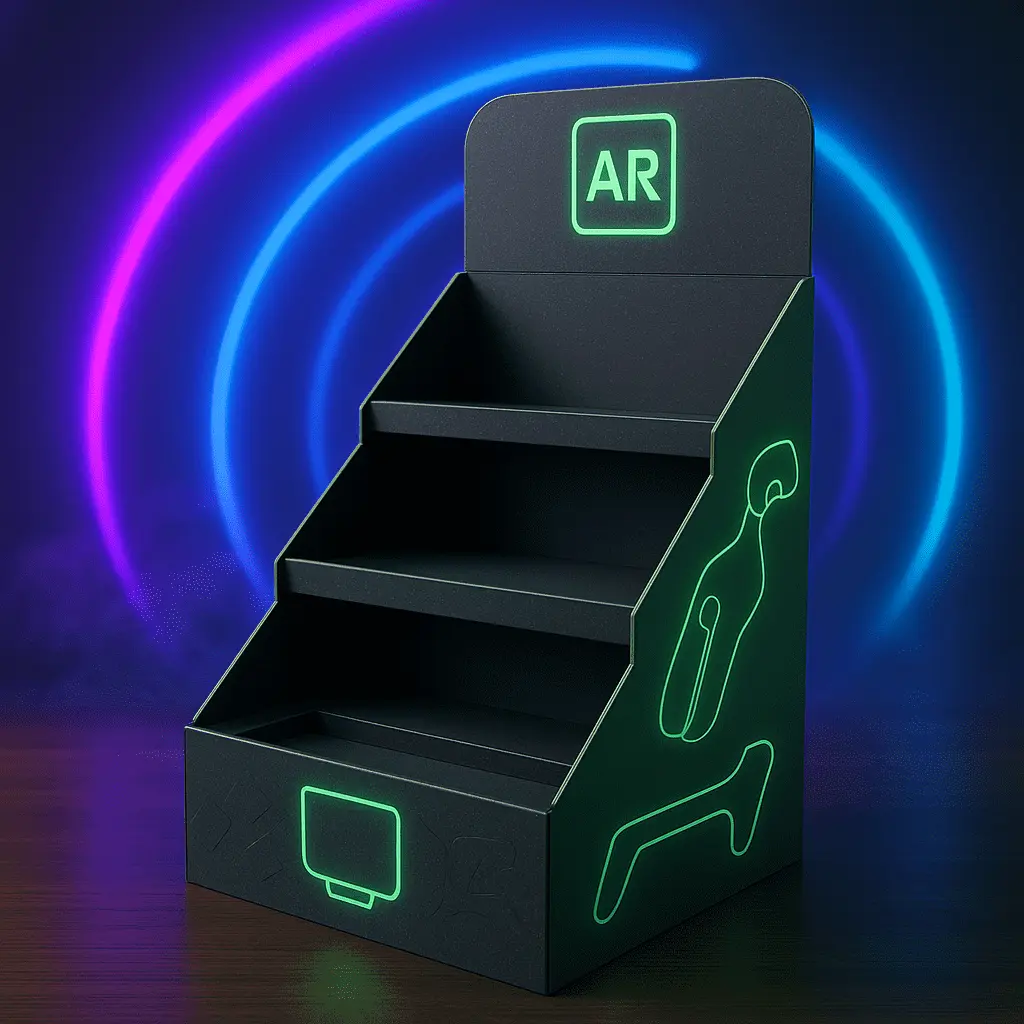
Modern display units now have digital parts that turn static advertising signs into tools for engaging customers that they can interact with. Dynamic presentations that get people's attention better than static ones are made with LED lighting systems, digital screens, and features that are triggered by sensors. These improvements in technology make it possible to update material in real time, send personalized messages, and collect data that gives businesses useful information about how customers interact with them and what they like.
Customization and Branding Capabilities
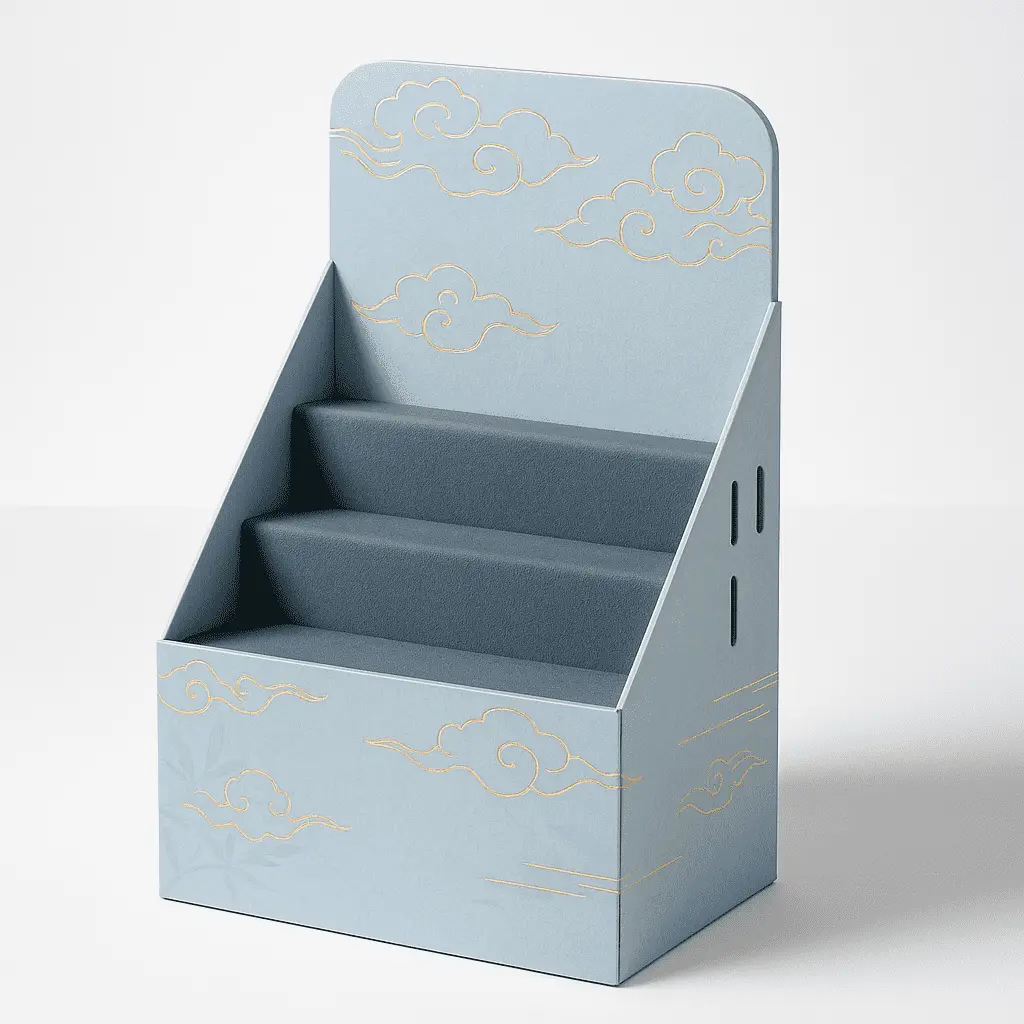
Modern manufacturing techniques offer a wide range of customization options that let stores make displays that are perfectly in line with their brand and advertising needs. With today's advanced printing methods, precise die-cutting, and specialized finishing options, it's possible to make one-of-a-kind display solutions that stand out in crowded retail settings while still being affordable for big orders.
Cost, Procurement Process, and Supplier Considerations for B2B Buyers
To make good purchasing decisions for store displays, you need to know a lot about how prices work, what suppliers can do, and how to handle logistics. These things affect the success of the project right away and the value of the relationship in the long run.
Investment Analysis and Budget Planning
Buying a display for POS display has many costs besides the initial unit price. These include designing the display, setting up the tools, shipping, and possibly putting it together. Smart buyers make detailed budget plans that take into account the total cost of owning instead of just looking at the price per unit. Volume commitments can save you a lot of money, so it's important to make sure that when you buy something fits in with your promotional plan and your storage space.
Supplier Evaluation and Partnership Development
To find the best display supplier, you need to carefully look at their manufacturing skills, quality control methods, and levels of customer service. Experienced suppliers can help you choose the right materials, make the best designs, and plan your production schedule, all of which can have a big effect on the result of your project. Reliable providers stick to consistent quality standards, keep their delivery promises, and offer helpful customer service that makes sure projects go smoothly even when time constraints or changes to specifications happen.
Quality Assurance and Sample Evaluation
Before ordering a lot of products, buyers can be sure that the finished goods will meet brand standards and performance expectations thanks to thorough sample evaluation methods. To make sure that displays work well for as long as they're supposed to, quality control should check for things like structural stability, graphic reproduction accuracy, and the ability to confirm that the assembly process works.
Case Studies and Practical Applications: Real-World Examples of POS Displays and FSDUs in Retail
Implementation examples from real life are very helpful for understanding how different display solutions work in a range of store settings and marketing situations.
Convenience Store Success with Strategic POS Placement
A big convenience store chain used targeted point-of-sale (POS) displays for holiday drink deals. They put small units near the checkout areas to get customers' attention while they were paying. Because of the marketing, sales of featured products went up 34% and average transaction values went up 12%. The success was due to smart planning, eye-catching graphics, and easy access to products that made it easy for people to buy things on the spot without slowing down the checkout process.
Electronics Retail FSDU Implementation
An electronics shop used FSDUs all over their stores to show off new smartphone accessories. They set up product zones where customers could interact with the items and learn about how they worked and what features they had. The stand-alone units increased the number of accessories that were attached by 28% and made the jobs of salespeople easier by showing clear information about products and prices. During the promotional time, the ability to move units based on traffic patterns and seasonal trends added to their value.
Beauty Brand Launch Strategy
With the help of strategically placed POS displays and FSDUs in beauty stores, a cosmetics business successfully launched a new line of products. The combined method gave the brand a lot of exposure through FSDUs and sparked final purchases through focused POS placements near checkout areas. When compared to traditional shelf-only placements, the campaign improved brand recognition by 15% and trial rates by 22%.
Company Introduction and Product & Service Information
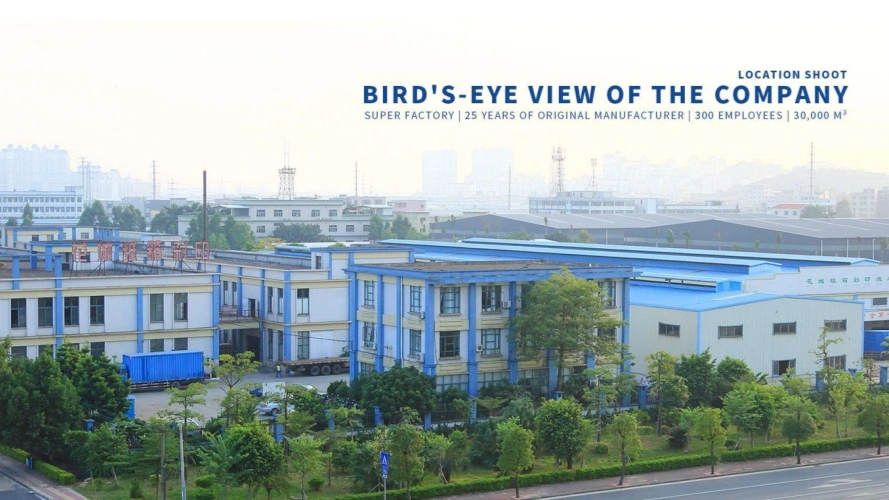
Fetching Printing is a well-known and trusted global company that focuses on full-service retail display solutions that increase sales and customer interaction. We started our business in 1999 and have since built an impressive factory on 30,000 of land with a 50,000◡ plant. More than 300 skilled workers are committed to making the best display solutions.
Manufacturing Excellence and Quality Standards
Our cutting-edge building for POS display has the most advanced machinery in the business, which lets us make precise products and keep quality control high across all of them. We have a lot of certifications, such as ISO14001-2015 Environmental Management System, ISO9001-2015 Quality Management System, Smeta, G7 Color Management, FSC, and Disney certification, which shows that we are dedicated to running our business in a standard way and being good to the earth.
Research and Development Capabilities
Our specialized research and development (R&D) department is made up of more than ten experienced packaging engineers who offer a wide range of services, such as finding new uses for materials, designing artwork, and improving process technology. Because we know a lot about technology, we can make unique solutions that meet the needs of clients in the electronics, cosmetics, personal care, food, and other industries.
Comprehensive Service Approach
We help with everything, from the first design consultation to service after the sale. This way, we can be sure that every project meets its unique needs and meets the highest quality standards. Every part of our product development and manufacturing is guided by our dedication to sustainability, durability, and innovation. This makes us the perfect partner for B2B procurement leaders looking for reliable display options.
Conclusion
When deciding between POS displays and FSDUs, you need to carefully think about a lot of things, such as the plan of the store, the demographics of your target audience, your promotional goals, and your budget. POS displays are great for encouraging impulse purchases and making the most of limited checkout space. FSDUs, on the other hand, offer freedom and a wide range of ways to show off products. Successful stores often use both options in a planned way, using POS displays to boost sales right away and FSDUs to build their brand and teach customers about their products. The important thing is to make sure that the displays you choose are right for the store and the way customers usually behave, while still keeping your eye on measurable sales goals and brand image goals.
FAQs
What are the main differences between POS displays and FSDUs?
POS displays are compact promotional fixtures designed for checkout areas and high-traffic points, focusing on impulse purchases and last-minute buying decisions. FSDUs are larger, standalone units that can be positioned anywhere in a store, offering more space for product presentation and detailed branding. POS displays work best for quick-decision items, while FSDUs excel at showcasing product ranges and creating dedicated brand zones.
How do I determine which display type is best for my store?
Consider your store layout, available floor space, target customer demographics, and shopping patterns. Compact stores with high customer turnover typically benefit from POS displays near checkout areas. Larger stores with browsing-focused customers often see better results from FSDUs that create dedicated product zones. Your promotional objectives and budget also influence the optimal choice.
What materials are most durable for retail displays?
Corrugated cardboard offers excellent cost-effectiveness and customization options for temporary promotions, while plastic and metal provide enhanced durability for long-term use. Sustainable materials like recycled cardboard and biodegradable plastics are increasingly popular. The best material choice depends on your display duration, budget, environmental goals, and structural requirements.
Partner with Fetching Printing for Your Display Solutions
Transform your retail environment with expertly crafted display solutions from Fetching Printing, your trusted POS display manufacturer with over two decades of industry experience. Our comprehensive manufacturing capabilities, advanced quality certifications, and dedicated R&D team enable us to deliver customized display solutions that drive measurable sales results. Whether you need compact POS displays for checkout areas or versatile FSDUs for broader promotional campaigns, we provide end-to-end support from concept development through production and delivery. Ready to enhance your retail marketing strategy? Contact us at support@fetchingprinting.com to discuss your specific requirements and request customized samples that demonstrate our quality and innovation standards.
References
Smith, J.R. "Retail Display Effectiveness: A Comprehensive Analysis of POS and FSDU Performance Metrics." Journal of Retail Marketing, Vol. 45, Issue 3, 2023.
Thompson, M.K. "Point-of-Sale Marketing: Strategic Implementation of Display Solutions in Modern Retail Environments." International Retail Research Quarterly, Issue 12, 2024.
Chen, L. & Rodriguez, A. "Free Standing Display Units: Design Innovation and Consumer Engagement Strategies." Retail Technology Review, Vol. 28, No. 2, 2023.
Williams, D.B. "Cost-Benefit Analysis of Retail Display Solutions: POS vs FSDU Implementation." Procurement Management Today, Spring 2024 Edition.
Anderson, K.M. "Sustainable Materials in Retail Display Manufacturing: Environmental Impact and Performance Analysis." Green Packaging Journal, Vol. 15, Issue 4, 2023.
Martinez, R.J. "Consumer Behavior and Point-of-Purchase Decision Making: The Role of Strategic Display Placement." Behavioral Economics in Retail, Annual Review 2024.