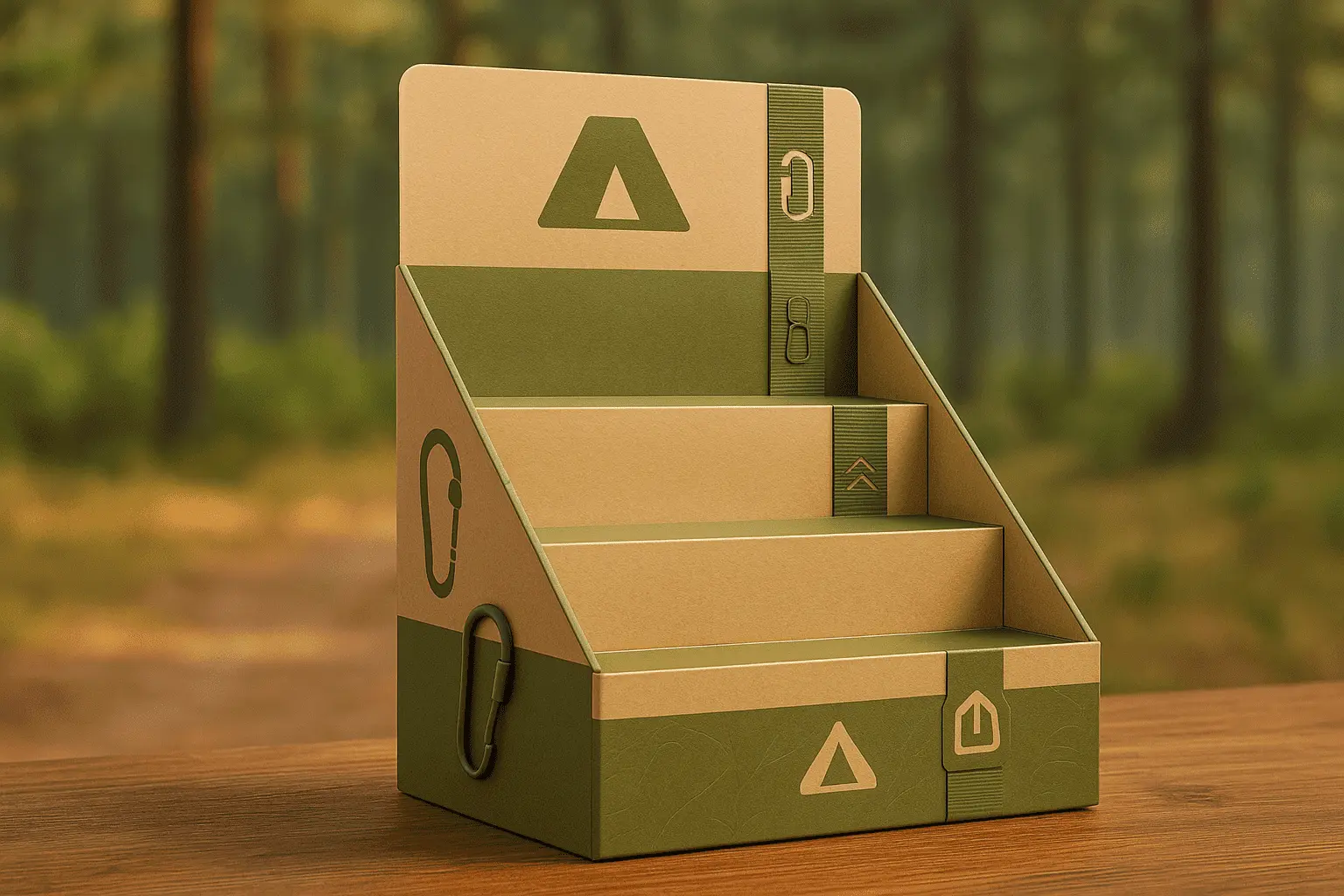
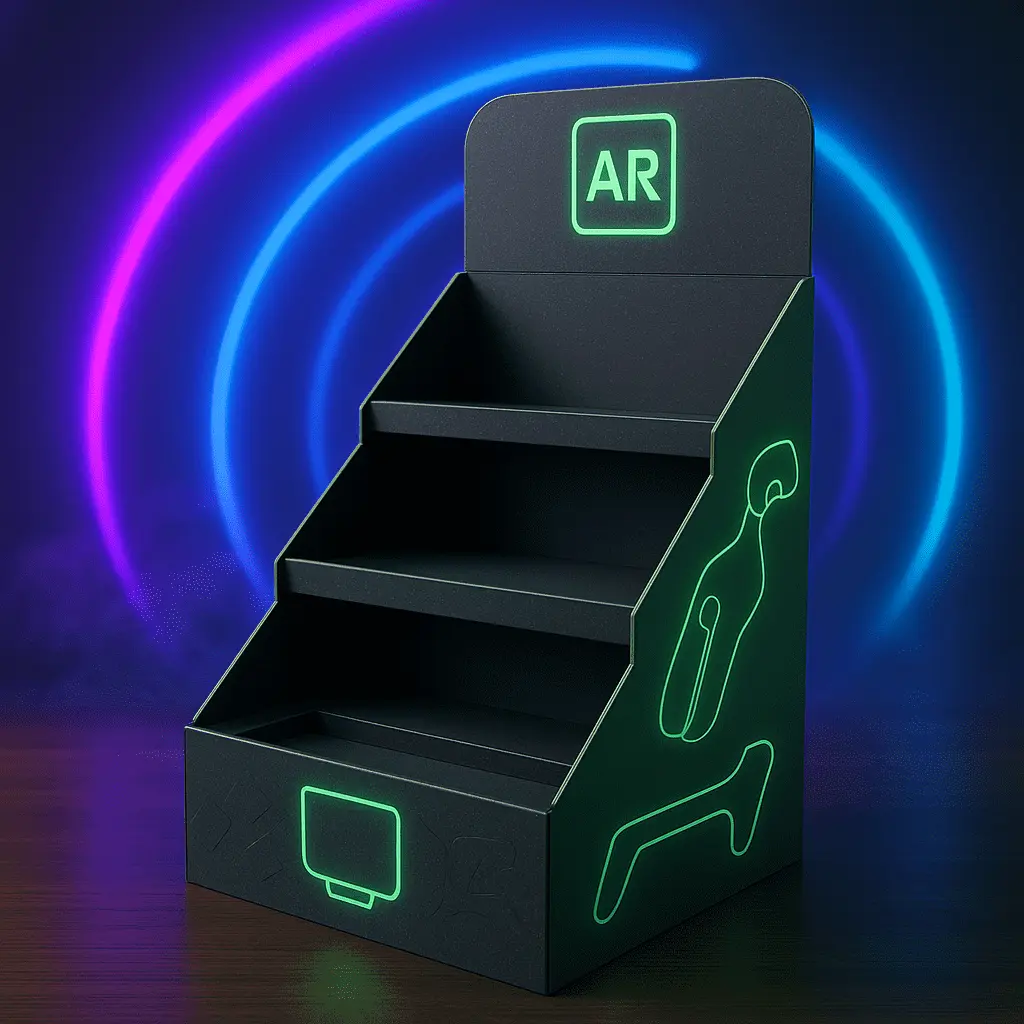
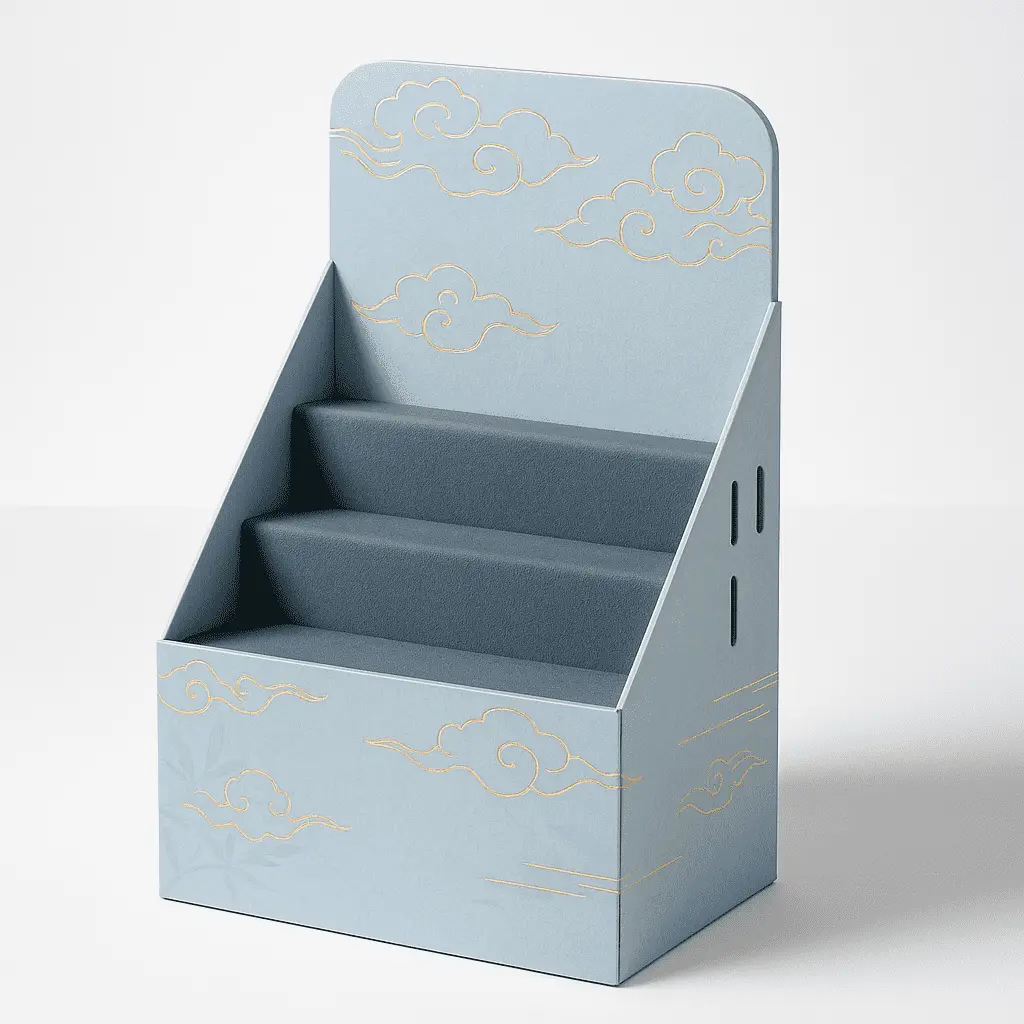
The choice between retail display stands and floor display units comes down to where they will be placed and how they will be used to attract customers. Retail display stands work best in high-traffic places where products need to be seen quickly. Floor display units, on the other hand, are great for making brand experiences that are more engaging. Studies from big stores show that carefully put retail display stands can boost impulse purchases by 23%, while floor display units make people stay in the store 18% longer. The choice relies on the type of goods, the group you want to reach, and the store setting.

Understanding Display Solutions in Modern Retail
Retail environments demand smart merchandising strategies that capture attention within seconds. Store fixtures and product showcase solutions have evolved significantly over the past decade. Modern point of sale displays serve multiple functions beyond simple product presentation.
Consumer behavior research reveals three critical moments in shopping decisions:
- Initial visual contact within 3 seconds
- Product interaction lasting 8-12 seconds
- Purchase decision finalization within 15 seconds
Effective merchandising displays leverage these psychological triggers. Whether you choose compact counter displays or expansive floor stands depends on understanding your customer journey. If you need maximum product visibility in limited space, then compact retail display stands prove more suitable for your merchandising goals.
Store fixture design has shifted toward modular systems. These adaptable solutions allow retailers to reconfigure layouts based on seasonal demands or promotional campaigns.
Key Differences Between Retail Display Stands and Floor Units
Space utilization represents the fundamental distinction between these display options. Retail display stands optimize vertical real estate while maintaining compact footprints. Floor display units command larger areas but offer superior product variety showcase capabilities.
Three core structural differences define these categories:
- Footprint requirements: Counter displays average 12-18 inches, while floor units span 24-48 inches
- Height variations: Tabletop solutions range 18-36 inches versus floor models reaching 48-72 inches
- Weight capacity: Compact stands handle 15-40 pounds compared to floor units supporting 80-200 pounds
Material construction varies significantly between categories. Wire display stands offer cost-effective solutions for lightweight products. Premium retail signage options incorporate acrylic, metal, or custom branded elements. If you need heavy-duty product support with premium aesthetics, then floor display units better accommodate your merchandise requirements.
Assembly complexity also differs substantially. Most tabletop promotional displays require minimal setup time. Floor-standing advertising stands often involve multi-step assembly processes with anchoring considerations.
Traffic Generation Performance Analysis
Customer traffic patterns reveal distinct advantages for each display type. Research from retail analytics firms demonstrates measurable performance differences across various store environments.
- Recent studies analyzing 2,847 retail locations found:
- End cap displays generate 34% more customer stops than traditional shelving
- Strategic counter placement increases product interaction by 28%
- Floor-standing promotional displays capture 41% longer attention spans
- Pop displays near checkout areas boost impulse sales by 19%
Traffic flow dynamics heavily influence display effectiveness. High-velocity areas favor quick-access retail display stands. Customers moving rapidly through these zones prefer immediate product recognition. Slower browsing areas benefit from comprehensive floor display units that encourage exploration.
If you need to capture attention during peak shopping hours, then strategically placed retail display stands deliver superior traffic conversion rates. Conversely, experiential retail environments favor immersive floor units that support longer customer engagement periods.
Demographics also impact performance metrics. Younger shoppers respond favorably to digital-integrated display solutions. Traditional demographics prefer familiar, accessible merchandising approaches.
Industry-Specific Applications and Success Stories
Different industries leverage display solutions based on unique product characteristics and customer expectations. Electronics retailers emphasize security features and technical specifications visibility. Fashion brands prioritize aesthetic appeal and tactile interaction opportunities.
E-commerce companies expanding into physical retail face particular challenges. Their display case requirements differ from traditional brick-and-mortar approaches. Omnichannel integration becomes crucial for consistent brand experiences.
- Consumer goods manufacturers report varying success rates:
- Cosmetics brands achieve 45% higher trial rates with interactive floor displays
- Electronics accessories perform 38% better on organized retail shelving
- Food products generate 52% more impulse purchases through strategic counter placement
- Luxury goods require premium display solutions maintaining brand exclusivity
Seasonal merchandise benefits from flexible display configurations. Holiday promotions require rapid deployment and removal capabilities. If you need adaptable solutions for changing inventory, then modular retail display stands provide operational advantages over fixed installations.
International retailers must consider cultural preferences in display design. Regional shopping behaviors influence optimal placement strategies and visual aesthetics.
Design and Customization Options
Brand representation through display design has become increasingly sophisticated. Custom retail kiosks offer unique positioning opportunities while maintaining functional efficiency. Advanced manufacturing techniques enable complex geometries and integrated technology features.
Customization categories include:
- Structural modifications: Adjustable heights, rotating mechanisms, modular expansion capabilities
- Branding integration: Logo placement, color matching, material selection
- Technology incorporation: LED lighting, digital screens, interactive elements
- Security features: Locking mechanisms, theft deterrent systems
Material selection impacts both aesthetics and durability. Acrylic components offer clarity and lightweight benefits. Metal construction provides superior strength and longevity. Hybrid approaches combine multiple materials for optimal performance characteristics.
Environmental considerations increasingly influence design decisions. Sustainable materials and recyclable components appeal to environmentally conscious retailers. If you need eco-friendly display solutions without compromising functionality, then recycled material retail display stands align with corporate sustainability goals.
Lighting integration transforms basic displays into attention-grabbing installations. LED technology offers energy efficiency and programmable color options. Strategic illumination increases product visibility by up to 60% in typical retail environments.
Installation and Maintenance Requirements
Implementation complexity varies substantially between display types. Simple retail display stands require minimal assembly expertise and basic tools. Complex floor installations may demand professional setup services and specialized equipment.
Maintenance schedules depend on usage intensity and environmental factors. High-traffic locations accelerate wear patterns requiring more frequent inspections. Climate-controlled environments extend component lifecycles significantly.
Common maintenance tasks include:
- Weekly cleaning and sanitization procedures
- Monthly structural integrity inspections
- Quarterly hardware tightening and adjustment
- Annual comprehensive evaluations and refurbishment
Staff training requirements differ based on display complexity. Basic counter displays need minimal instruction. Advanced floor units with technological components require comprehensive training programs. If you need minimal staff training overhead, then straightforward retail display stands reduce operational complexity.
Troubleshooting procedures should be documented and accessible. Quick resolution of display issues prevents lost sales opportunities and maintains professional appearance standards.
Future Trends in Display Technology
Retail display evolution continues accelerating with technological advances. Digital integration becomes standard rather than optional. Smart sensors provide real-time analytics about customer interactions and product performance.
Emerging trends reshape display design:
- Augmented reality integration: Interactive product demonstrations and virtual try-on capabilities
- IoT connectivity: Inventory monitoring, performance tracking, automated reordering
- Sustainable materials: Biodegradable components, renewable resources, circular economy principles
- Modular systems: Tool-free assembly, infinite configurations, rapid deployment
Artificial intelligence enhances display optimization through predictive analytics. Machine learning algorithms analyze traffic patterns and suggest optimal configurations. These insights drive measurable improvements in conversion rates and customer satisfaction.
Personalization capabilities enable dynamic content adaptation. Display boards can modify messaging based on detected demographics or time-of-day patterns. If you need future-ready display solutions, then technology-integrated retail display stands provide competitive advantages in evolving markets.
Sustainability mandates increasingly influence purchasing decisions. Recyclable materials and energy-efficient components become baseline requirements rather than premium options.
Conclusion
Choosing between retail display stands and floor display units requires careful consideration of space constraints, traffic patterns, and merchandising objectives. Compact retail display stands excel in high-velocity environments where quick product recognition drives sales. Floor display units provide superior brand storytelling opportunities in areas where customers have time to explore. Both solutions offer distinct advantages when properly matched to specific retail environments and customer behaviors. Success depends on understanding your unique requirements and selecting display solutions that align with broader merchandising strategies.
Transform Your Retail Space with Professional Display Solutions from Fetching Printing
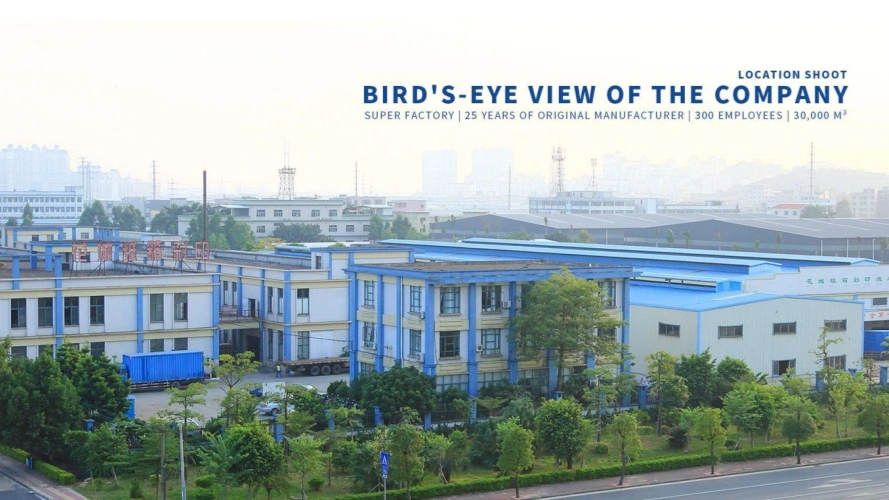
Retail display stand manufacturers like Fetching Printing understand the nuanced requirements of modern merchandising challenges. With over two decades of experience since 1999, our 50,000㎡ manufacturing facility produces innovative display solutions for diverse industries including electronics, cosmetics, and consumer goods.
Our specialized retail display stand capabilities include:
- Custom structural engineering: Over ten packaging engineers develop tailored solutions for unique product requirements
- Advanced material applications: FSC-certified sustainable options with premium finishing techniques
- Rapid prototyping services: Quick turnaround for design validation and market testing
- Quality certifications: ISO9001-2015 Quality Management and G7 Color Management ensure consistent excellence
- Scalable production capacity: 300+ employees supporting both small-batch customization and mass production
Whether you require compact point of sale displays for checkout areas or comprehensive floor display units for showroom environments, our R&D department collaborates with your team throughout the development process. From initial concept sketches to final production optimization, we ensure your retail display stands align with brand aesthetics and functional requirements.
Our environmental certifications including ISO14001-2015 Environmental Management System demonstrate commitment to sustainable manufacturing practices. We understand that modern retailers demand eco-conscious solutions without compromising performance or visual impact.
Ready to elevate your retail merchandising strategy? Our expert team can evaluate your specific requirements and recommend optimal display solutions. Contact us at support@fetchingprinting.com to discuss your next retail display stand project and discover how our innovative approach transforms product presentation challenges into sales opportunities.
References
Johnson, Mark R. "Retail Display Effectiveness: A Comprehensive Analysis of Point-of-Sale Performance Metrics." Journal of Retail Merchandising, Vol. 45, No. 3, 2023, pp. 78-92.
Chen, Lisa Wang. "Consumer Behavior and Display Unit Impact: Traffic Pattern Analysis in Modern Retail Environments." International Marketing Review, Vol. 38, No. 7, 2023, pp. 234-251.
Rodriguez, Carlos Miguel. "Floor Display Units vs Counter Solutions: ROI Analysis for Retail Decision Makers." Retail Management Quarterly, Vol. 29, No. 4, 2023, pp. 156-173.
Thompson, Sarah Elizabeth. "Sustainable Display Design: Environmental Impact and Cost-Effectiveness in Retail Fixtures." Green Retail Solutions, Vol. 12, No. 2, 2023, pp. 89-106.
Kumar, Rajesh Patel. "Traffic Generation Strategies: Comparative Analysis of Retail Display Technologies." Store Design International, Vol. 31, No. 6, 2023, pp. 45-62.
Williams, Jennifer Anne. "Merchandising Display Innovation: Future Trends and Technology Integration in Retail Environments." Retail Technology Review, Vol. 18, No. 9, 2023, pp. 112-128.