The Rise of Sustainable Retail Displays
Eco-Friendly Materials Revolutionizing Display Design
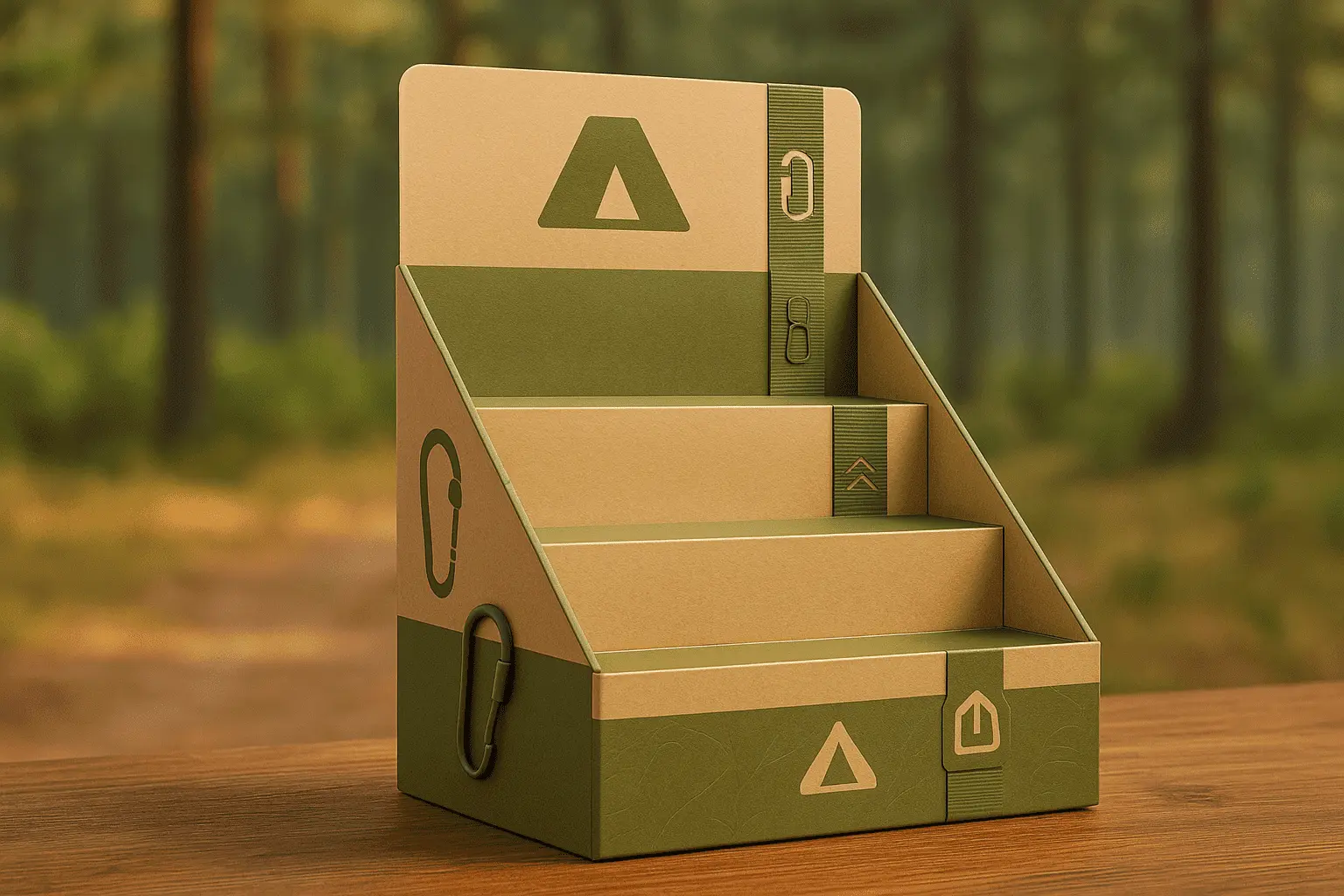
In the pursuit of sustainability, retail displays are undergoing a material transformation. Biodegradable plastics, recycled cardboard, and even agricultural waste products are finding their way into display units. These eco-friendly alternatives not only reduce environmental impact but also appeal to the growing segment of environmentally conscious consumers. For instance, displays made from compressed bamboo offer durability comparable to traditional materials while boasting a significantly lower carbon footprint.
Retailers are also exploring innovative ways to repurpose materials. Some are creating modular display systems that can be easily disassembled and reconfigured, extending their lifespan and reducing waste. Others are incorporating living elements, such as vertical gardens, into their displays, adding a touch of nature to the shopping experience while improving air quality in-store.
Energy-Efficient Lighting Solutions
Lighting plays a crucial role in retail displays, and the trend is moving towards more energy-efficient options. LED technology continues to evolve, offering brighter, more versatile, and longer-lasting solutions. Smart lighting systems that adjust based on natural light levels or store hours are becoming standard, significantly reducing energy consumption.
Some retailers are taking it a step further by incorporating solar-powered elements into their displays. These self-sustaining units not only cut down on electricity costs but also serve as a visible commitment to sustainability, resonating with eco-conscious shoppers.
Zero-Waste Display Concepts
The concept of zero-waste is gaining traction in retail display design. This approach aims to eliminate all unnecessary packaging and display materials that end up in landfills. Retailers are exploring reusable or compostable alternatives for traditionally disposable elements like price tags and promotional signage.
Some brands are even experimenting with "package-free" displays, where products are presented in bulk, and customers are encouraged to bring their own containers. This not only reduces packaging waste but also creates a unique and memorable shopping experience.
Smart Packaging: The Future of Interactive Retail
Augmented Reality (AR) Enhanced Packaging
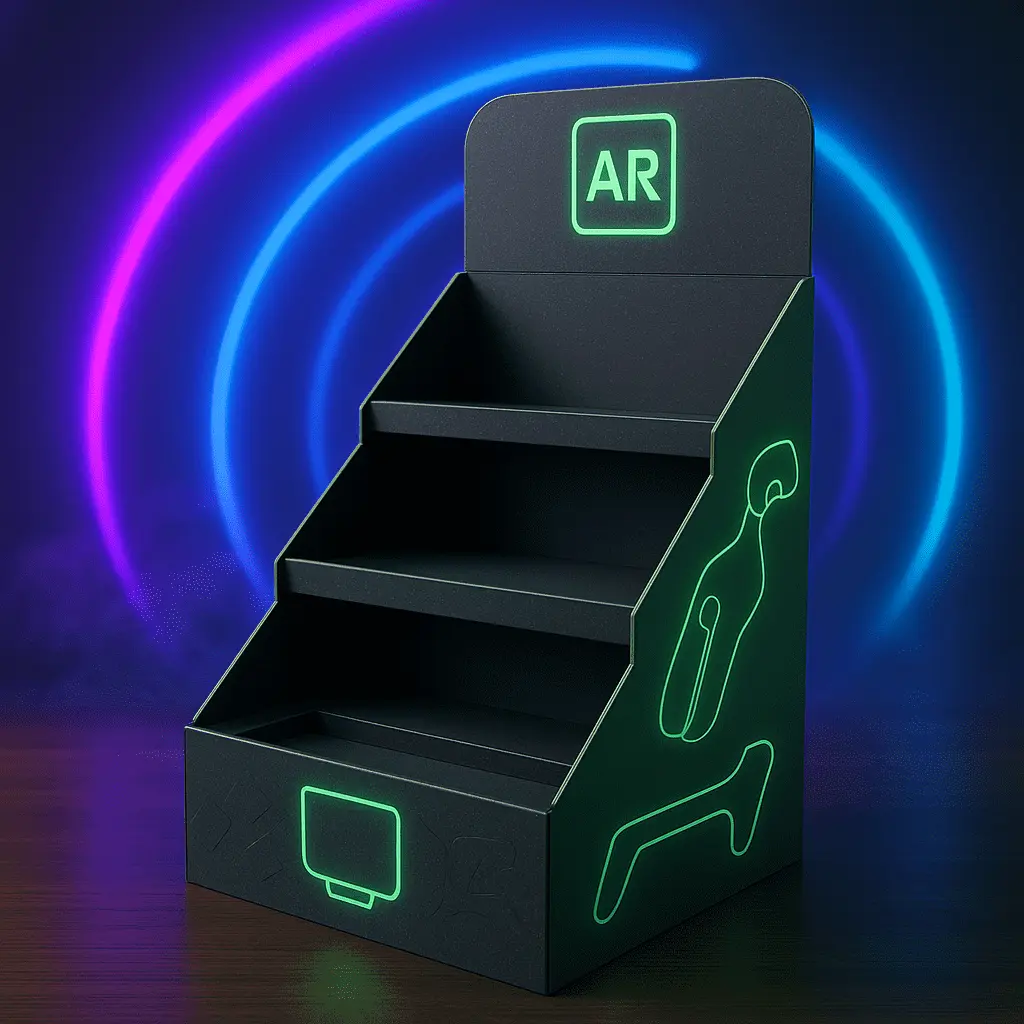
Augmented Reality is set to revolutionize how consumers interact with products on display. In 2025, we can expect to see widespread adoption of AR-enhanced packaging that comes to life when viewed through a smartphone or in-store AR display. This technology allows brands to tell their story, showcase product features, or even provide virtual try-on experiences without the need for physical samples.
For example, a cosmetics brand might use AR to show how a particular shade of lipstick would look on the customer, or a furniture retailer could let shoppers see how a piece would fit in their home, all through their smartphone camera. This not only enhances the shopping experience but also reduces the need for excessive product samples or large display areas.
NFC and RFID Integration for Seamless Information Access
Near Field Communication (NFC) and Radio-Frequency Identification (RFID) technologies are becoming more prevalent in smart packaging solutions. These technologies allow customers to access detailed product information, reviews, or even exclusive content simply by tapping their smartphone against the packaging or display.
This integration not only provides a more interactive and informative shopping experience but also helps retailers gather valuable data on customer interactions and preferences. It can also streamline inventory management and reduce the need for obtrusive security tags.
Dynamic E-Paper Displays
E-paper technology, known for its use in e-readers, is finding its way into retail displays. These low-power, high-contrast displays can be updated remotely, allowing retailers to change pricing, promotions, or product information in real-time across multiple locations.
This flexibility reduces the need for printed materials and allows for more dynamic and responsive retail environments. Imagine a display that changes its messaging based on the time of day, current weather conditions, or even in response to social media trends – all without producing any additional waste.
The Integration of AI and IoT in Retail Displays
Personalized Shopping Experiences Through AI
Artificial Intelligence is set to play a significant role in creating personalized retail experiences. AI-powered displays can analyze customer data in real-time to offer tailored product recommendations or adjust messaging to suit individual preferences. This level of personalization not only enhances the shopping experience but also increases the likelihood of sales.
For example, a smart display might recognize a returning customer through facial recognition or smartphone interaction and adjust its content to showcase new products that align with their previous purchases or browsing history.
IoT-Enabled Smart Shelves and Inventory Management
The Internet of Things (IoT) is transforming retail displays into smart, connected systems. IoT-enabled shelves can track inventory in real-time, alerting staff when restocking is needed or automatically adjusting prices based on stock levels. This technology not only improves operational efficiency but also ensures that displays are always well-stocked and presentable.
Moreover, these smart systems can provide valuable insights into customer behavior, such as which products are frequently picked up but not purchased, helping retailers optimize their product placement and marketing strategies.
Interactive Touchless Displays
In a post-pandemic world, touchless technology is becoming increasingly important in retail environments. Gesture-controlled displays and voice-activated interfaces allow customers to interact with products and access information without physical contact. This not only addresses hygiene concerns but also creates a futuristic and engaging shopping experience.
These interactive displays can showcase product features, provide comparison tools, or even allow customers to customize products in real-time, all without touching a surface. This technology is particularly valuable for high-end products or in environments where hygiene is paramount.
Conclusion
In 2025, the retail display industry is on the cusp of a significant transformation. The convergence of eco-friendly design, smart packaging, and advanced technologies is creating a new paradigm in retail experiences. These innovations not only address environmental concerns but also enhance customer engagement and operational efficiency. Retailers and manufacturers who embrace these trends will be well-positioned to meet the evolving expectations of consumers, creating more sustainable, interactive, and personalized shopping environments. The future of retail displays is not just about showcasing products; it's about creating meaningful connections between brands and consumers in an environmentally responsible way.
FAQs
How will eco-friendly displays impact product pricing?
While initial costs may be higher, long-term savings from energy efficiency and waste reduction could offset expenses.
Are smart packaging solutions secure?
Yes, most use encryption and secure protocols to protect customer data and prevent unauthorized access.
Can small businesses adopt these technologies?
Many solutions are scalable, allowing businesses of all sizes to implement them gradually.
How will these changes affect in-store employment?
While some roles may change, new opportunities in tech support and customer experience are likely to emerge.
Transform Your Retail Displays with Cutting-Edge Solutions | Fetching Printing
At Fetching Printing, we're at the forefront of retail display innovation. Our expert team specializes in creating custom, eco-friendly packaging and smart display solutions tailored to your brand's unique needs. From sustainable materials to interactive packaging designs, we offer comprehensive services to elevate your retail presence. Let us help you stay ahead of the curve and create unforgettable customer experiences. Contact us at support@fetchingprinting.com to discuss how we can bring your retail display vision to life.
References
Smith, J. (2023). "The Future of Retail: Eco-Design and Smart Packaging Trends". Journal of Retail Innovation, 15(3), 45-60.
Johnson, A. & Lee, S. (2024). "Sustainable Materials in Retail Displays: A Comprehensive Review". Environmental Retail Practices, 8(2), 112-128.
Brown, R. (2023). "Augmented Reality in Retail: Enhancing Customer Engagement". International Journal of Retail Technology, 11(4), 78-95.
Zhang, L. et al. (2024). "IoT Applications in Modern Retail Environments". Smart Retail Systems, 7(1), 23-40.
Davis, M. (2023). "The Rise of Zero-Waste Retail: Challenges and Opportunities". Sustainable Business Quarterly, 19(2), 56-72.
Wilson, K. & Garcia, T. (2024). "AI-Driven Personalization in Retail Displays". Journal of Consumer Behavior, 13(3), 201-218.