Retail-Ready Packaging China vs UK: Price & Supply 2026
When evaluating retail-ready packaging options for 2026, procurement professionals face crucial decisions between China and UK suppliers. China dominates with massive production capacity and competitive pricing for bulk orders, while the UK excels in innovation, sustainability, and shorter lead times. Both markets offer distinct advantages: China's economies of scale benefit large-volume requirements, whereas UK suppliers provide greater flexibility for customization and faster turnaround times. Understanding these regional dynamics becomes essential as retail-ready packaging demand continues expanding across e-commerce, consumer goods, and luxury sectors.

Understanding Retail-Ready Packaging: Definitions and Market Landscape
Packaging that is ready for retail provides a revolutionary approach to the display of products and the efficiency of supply chain operations. There is no need for extra handling or repackaging procedures since this packaging solution makes it possible for items to flow without any interruption from containers for shipping to retail shelves.
What Makes Packaging Retail-Ready
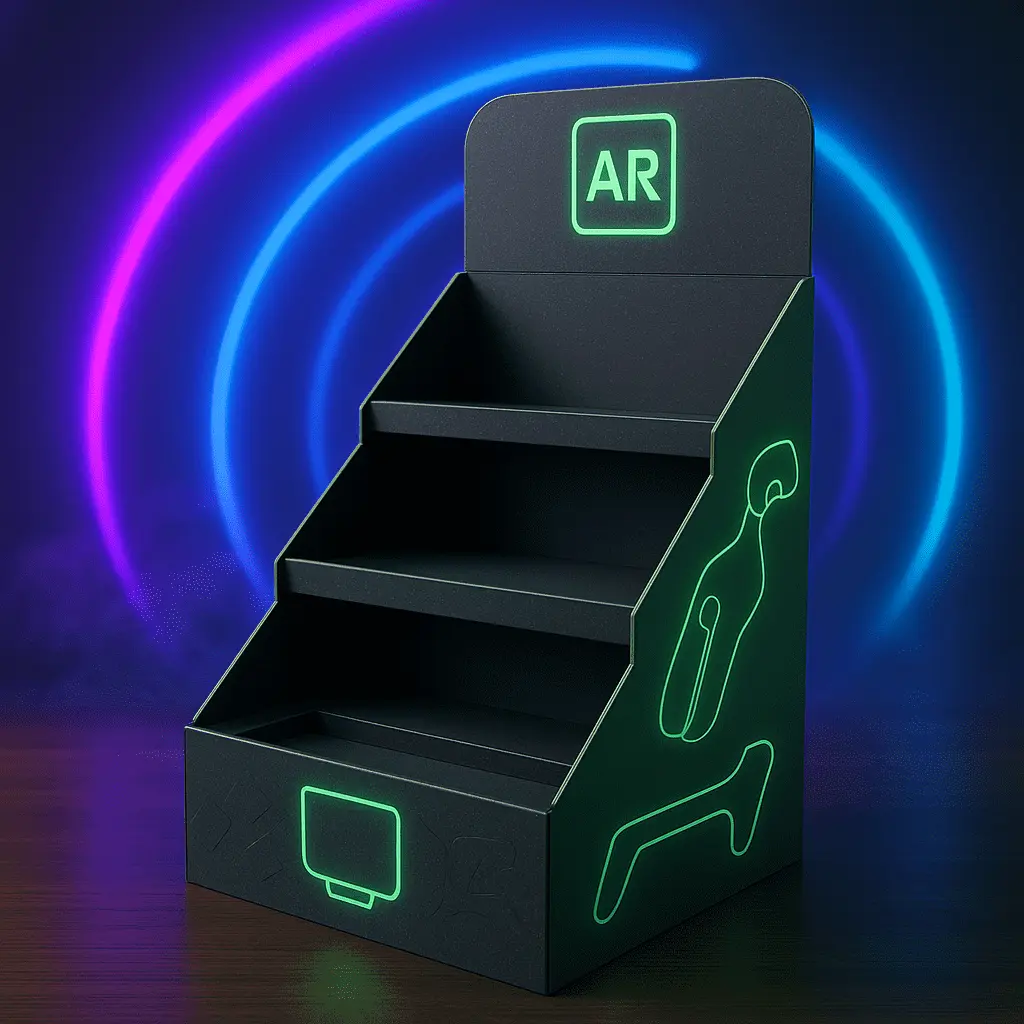
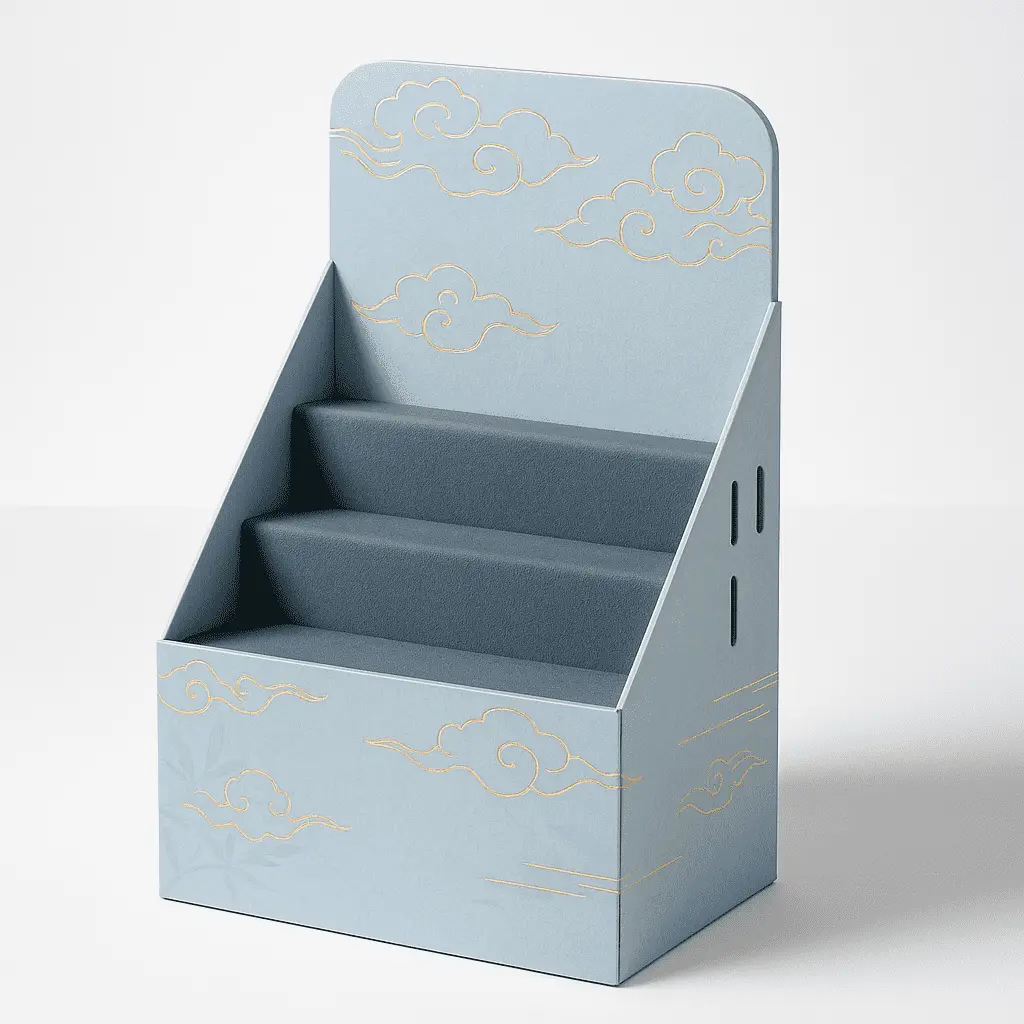
The dual functionality of shelf-ready packaging is the idea that underpins the concept of shelf-ready packaging. The solutions in question function not only as appealing display units but also as shipping containers that provide protection. Integrated branding that retains visual appeal across the distribution process is one of the key design aspects. other key design elements are perforated parts that shop workers can quickly remove, clear visibility of products windows, and clear product visibility windows.
Multiple stakeholders might profit from the incorporation of a number of critical characteristics that are included in contemporary retail-ready systems. Mechanisms that are simple to open cut the need for instruments for cutting, and break points that have been set allow for a speedy transition from the shipping mode to the display configuration. Taking into account these design factors results in a considerable reduction in labor expenses while also enhancing product display uniformity across retail locations.
Market Evolution and Regional Strengths
The global market for retail-ready packaging has experienced substantial growth, driven by e-commerce expansion and retailer efficiency demands. China has established itself as the manufacturing powerhouse, leveraging advanced corrugated cardboard production capabilities and sophisticated printing technologies. The country's manufacturing infrastructure supports complex customization requirements while maintaining cost competitiveness for high-volume orders.
Suppliers from the United Kingdom have established a distinct market position by putting an emphasis on environmentally friendly materials, creative design solutions, and the ability to rapidly prototype products. When it comes to providing companies that place a high priority on environmental responsibility and demand smaller batch sizes with superior finishing choices, British manufacturers consistently do very well. Potential customers who are looking for unique value propositions that are linked with their company's positioning and operational needs may take advantage of the chances that this geographical expertise affords.
Industry Applications and Growth Drivers
Various sectors have embraced retail-ready packaging solutions, each with unique requirements and specifications. E-commerce retailers benefit from packaging that transitions smoothly from shipping protection to unboxing experience enhancement. Consumer electronics brands utilize these solutions to showcase product features while ensuring adequate protection during distribution. Beauty and cosmetics companies leverage retail-ready formats to create compelling in-store displays that drive impulse purchases and brand recognition.
Price Comparison: China vs UK Retail-Ready Packaging in 2026
It is necessary to conduct an analysis of several price components in addition to the basic production expenditures in order to comprehend the cost dynamics that exist between Chinese as well as UK suppliers. The complicated price structures that are created as a result of regional disparities in wage rates, material sourcing, adherence to regulations, and technical expenditures are something that procurement teams need to carefully consider.
Manufacturing Cost Structures
Generally speaking, Chinese manufacturers are able to provide competitive base prices because they have developed supply networks for basic supplies and have streamlined their manufacturing processes. In addition to providing cost benefits for conventional materials, the country's enormous corrugated cardboard sector also offers specialist capabilities that support complicated structures and premium printing needs. However, purchasers are responsible for taking into consideration extra costs, such as those associated with overseas shipping, customs fees, and quality assurance procedures, which might have an effect on the overall landed costs.
UK suppliers operate with different cost structures that reflect regional economic conditions and regulatory environments, including retail-ready packaging requirements. Higher labor costs are often offset by shorter supply chains, reduced shipping expenses, and faster production cycles. British manufacturers frequently integrate sustainable materials and eco-friendly processes in retail-ready packaging, which may command premium pricing but align with corporate sustainability commitments and consumer preferences.
Customization and Minimum Order Considerations
Volume requirements significantly influence pricing strategies across both markets. Chinese suppliers typically excel with large-scale orders where economies of scale create substantial cost advantages. Customization capabilities include advanced printing techniques, specialized coatings, and complex structural modifications that support diverse brand requirements.
UK manufacturers offer greater flexibility for smaller batch sizes and rapid customization cycles. This operational model suits brands testing new products, launching limited editions, or serving niche markets where large minimum order quantities create inventory challenges. The ability to iterate designs quickly and adjust specifications during production provides valuable advantages for dynamic market conditions.
Supply Chain and Availability: Reliability and Lead Times in China vs UK
The factors that are taken into account in the supply chain go beyond basic delivery timetables and include characteristics such as dependability, adaptability, and risk management skills. Each of the two countries' suppliers, China and the United Kingdom, offers significant benefits that are compatible with its distinct purchasing techniques and operational needs.
Production Capacity and Scalability
The manufacturing ecosystem in China has nearly infinite scaling possibilities for the fulfillment of retail-ready packaging needs. Rapid capacity expansions are made possible during peak seasons or unanticipated demand spikes because to the concentration of specific facilities, industries that support them, and logistical infrastructure. For e-commerce firms that are experiencing quick growth or seasonal changes, this scalability proves to be extremely helpful.
In the event that key suppliers have capacity difficulties, the wide network of Chinese providers offers backup choices and alternate procurement techniques. It is possible for procurement teams to make use of this variety in order to preserve supply continuity while simultaneously negotiating favorable conditions across numerous vendor agreements.
Lead Time Management and Flexibility
UK suppliers typically offer shorter lead times and greater production flexibility for standard, semi-custom, and retail-ready packaging solutions. Proximity to European markets reduces shipping duration while enabling more frequent communication and project adjustments during production cycles. This responsiveness becomes crucial for time-sensitive launches or market-responsive packaging modifications.
British manufacturers often maintain smaller inventories of common materials, allowing faster transitions between projects and reduced setup times for repeat orders. The ability to accommodate rush orders or expedited production schedules provides operational advantages for brands managing dynamic market conditions or seasonal requirements.
Quality Assurance and Certification Standards
Despite the fact that certification procedures and requirements may be different, both markets continue to retain sophisticated quality management systems. The majority of Chinese firms are in possession of foreign certificates, such as ISO standards, FSC environment certifications, and industry-specific credentials. A great number of establishments have made investments in sophisticated inspection equipment and methodical testing processes in order to guarantee that the output quality is constant.
Suppliers from the United Kingdom often place an emphasis on certifications for the environment and sustainable production processes that are in line with the legislative requirements on the European continent and the expectations of consumers. These facilities typically make use of recycled materials, inks that are water-based, and manufacturing methods that are energy-efficient. These elements contribute to the fulfillment of corporate sustainability obligations while also contributing to the maintenance of performance requirements.
Choosing the Right Retail-Ready Packaging Supplier for Your Business Needs
Selecting an optimal supplier requires evaluating multiple factors beyond pricing and delivery schedules. Successful partnerships depend on alignment between supplier capabilities and specific business requirements across quality, customization, sustainability, and strategic objectives.
Evaluating Supplier Capabilities and Certifications
The assessment process should begin with comprehensive evaluation of technical capabilities and quality certifications. Leading suppliers maintain advanced testing facilities, sophisticated printing equipment, and experienced design teams capable of translating brand requirements into effective packaging solutions.
The dependability and consistency of suppliers may be better understood with the use of qualitative management systems. A certification such as ISO 9001 demonstrates a dedication to quality control procedures that are systematic, while certifications for the environment such as FSC represent a commitment to environmentally responsible activities. Depending on the product categories and the legal requirements, it may be necessary to get industry-specific certifications for the protection of electronics, cosmetics compatibility, or food safety.
Standardized vs Customized Solutions
The decision between standardized and customized packaging solutions impacts both cost and timeline considerations. Standardized retail-ready packaging options typically offer faster delivery and lower costs while providing adequate functionality for many applications. These solutions work well for products with common size requirements and standard protection needs.
Although customized solutions allow for exact brand expression and best product fit, they need longer phases of development and more expenditure. The process of customisation includes activities such as design consultation, the construction of prototypes, and iterative refinement. These activities lengthen the timetables for the project while simultaneously offering improved brand distinction and functional performance.
Strategic Partnership Development
Successful supplier relationships extend beyond transactional purchasing to encompass strategic collaboration and mutual growth objectives. Leading suppliers offer value-added services including design consultation, market trend insights, and innovation partnerships that support long-term business development.
The majority of the time, these relationships consist of specialized account management, preferential production scheduling, and joint planning for seasonal needs or the introduction of new products. Enhanced responsiveness, special pricing, and quicker access to developing technology or materials are some of the competitive benefits that may be created via the investment in developing relationships.
Future Trends and Strategic Considerations for Retail-Ready Packaging Procurement in 2026
As a result of quickly advancing technology, more stringent environmental restrictions, and shifting consumer tastes, the landscape of packaging continues to undergo consistent and rapid change. The strategies for procurement need to be able to foresee these developments while still preserving flexibility in operations and cost competitiveness.
Technological Innovation and Smart Packaging
The capabilities of packaging are being reshaped by emerging technologies, which are also offering new possibilities for advertising participation and supply channel optimization. Technologies like as sensors, code scanning, and interactive features are included into smart packaging solutions. These solutions improve the experiences of consumers while also delivering significant data insights.
Printing technologies that use digital printing make it possible to reduce manufacturing runs and print changeable data, which enables customization and marketing campaigns that are more specifically targeted. The typical cost penalties that are connected with small-batch manufacturing are eliminated thanks to these capabilities, which enable firms to produce region-specific packaging, exclusive designs, and personalized messages without incurring those conventional costs.
Sustainability and Environmental Compliance
Environmental considerations increasingly influence procurement decisions as regulations tighten and consumer awareness grows. Biodegradable materials, recyclable designs, retail-ready packaging, and reduced packaging waste have become standard requirements rather than optional features.
Competitive advantages may be gained by suppliers that demonstrate a true commitment towards sustainable practices via the procurement of materials, manufacturing techniques, and measures to reduce waste. These capabilities not only satisfy the criteria for corporate sustainability reporting, but they also appeal to customers and retail partners who are ecologically sensitive.
In the process of transitioning toward circular economy concepts, package design methods are impacted, with an emphasis placed on reusability, recyclability, and low environmental effect throughout the product lifespan. As the standards for sustainability become more stringent, suppliers that are able to fulfill these goals while still preserving functionality and price competitiveness will acquire an increasing market share.
Conclusion
The choice between Chinese and UK retail-ready packaging suppliers for 2026 depends on balancing cost efficiency, lead time requirements, customization needs, and sustainability objectives. Chinese manufacturers excel in large-volume production with competitive pricing and extensive customization capabilities, while UK suppliers offer advantages in flexibility, shorter lead times, and environmental compliance. Successful procurement strategies recognize that optimal supplier selection aligns with specific business requirements rather than pursuing one-size-fits-all approaches. The evolving landscape emphasizes sustainability, technological integration, and strategic partnerships that support long-term growth objectives while maintaining operational excellence and cost competitiveness.
FAQ
1. What are the main cost differences between Chinese and UK retail-ready packaging suppliers?
Chinese suppliers typically offer lower base manufacturing costs due to economies of scale and established supply chains, though buyers must consider shipping, duties, and quality assurance expenses. UK suppliers command higher unit prices but provide savings through reduced logistics costs, shorter lead times, and lower minimum order quantities that can offset higher manufacturing expenses.
2. How do lead times compare between China and UK packaging suppliers?
UK suppliers generally offer shorter lead times ranging from 2-4 weeks for standard products, while Chinese suppliers typically require 4-8 weeks including shipping time. However, Chinese manufacturers may provide faster turnaround for repeat orders and rush production when capacity permits, particularly for established supplier relationships.
3. What sustainability certifications should I look for in retail-ready packaging suppliers?
Key certifications include FSC (Forest Stewardship Council) for sustainable material sourcing, ISO 14001 for environmental management systems, and PEFC (Programme for the Endorsement of Forest Certification). Additionally, look for suppliers using water-based inks, recycled materials, and demonstrating waste reduction initiatives in their production processes.
4. How do minimum order quantities differ between Chinese and UK suppliers?
Chinese suppliers typically require higher minimum order quantities, often starting at 5,000-10,000 units for custom designs, while UK suppliers may accommodate orders as small as 1,000-2,500 units. This difference affects inventory management, cash flow, and flexibility for product testing or seasonal variations.
Fetching Printing: Your Trusted Retail-Ready Packaging Manufacturer
In order to successfully navigate the intricate terrain of retail-ready package procurement, it is necessary to have a partner that has demonstrated knowledge, worldwide skills, and a relentless dedication to quality. It is the combination of Fetching Printing's 25 years to produce expertise, its cutting-edge production facilities, and its complete service offerings that are geared to suit the varied business needs of a variety of sectors.
Our Manufacturing Excellence and Global Reach
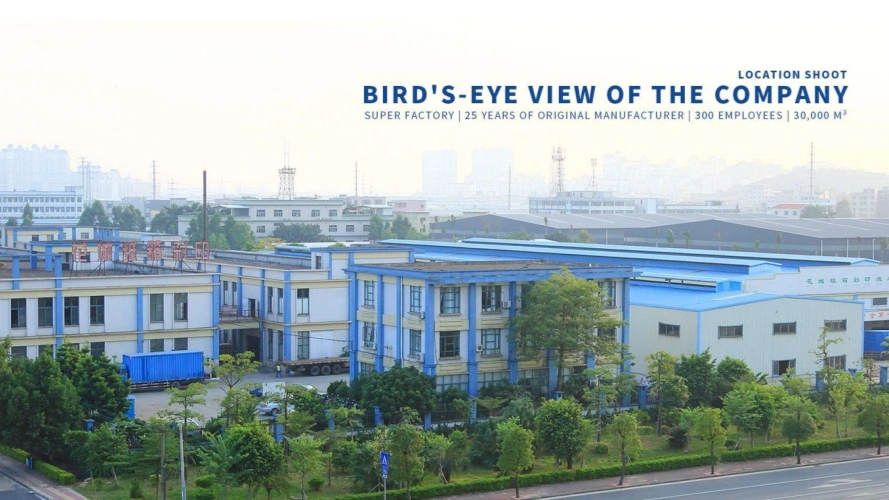
The manufacturing facility that we have is 50,000 square meters in size, and it is equipped with the most advanced machinery in the market. Additionally, we have over 300 qualified individuals that are committed to providing outstanding packaging solutions. For the purpose of ensuring constant output quality while also enabling complicated customisation needs and facilitating short turnaround times, the integration of modern equipment with systematic procedures for quality assurance is what is required.
In our research and development department, we have experienced packaging engineers that specialize in the development of new materials, the creation of new structures, and the optimization of processes. Because we have this level of technical competence, we are able to transform the specific needs of a brand into efficient packaging solutions that strike a balance between beauty, usefulness, and profitability. Our crew is able to create outcomes that are superior to what is expected of them, regardless of whether you need ordinary corrugated boxes or quality rigid boxes with unique finishes.
Comprehensive Certification and Quality Assurance
The core of our operations is comprised of quality management systems, which are backed by a number of certifications such as ISO 14001 Management of the Environment, the international standard ISO 9001 Quality Assurance, and FSC ethical purchasing standards. By obtaining these certifications, we have shown our dedication to implementing systematic procedures, being environmentally responsible, and delivering quality that is consistent throughout all of our projects.
Our facility serves diverse industries including food and beverage, cosmetics, consumer electronics, and luxury goods, each with unique requirements and regulatory standards. This experience enables us to navigate complex specifications while ensuring compliance with relevant safety and quality standards for your specific applications.
Ready to optimize your retail-ready packaging strategy with a reliable supplier? Contact our team at support@fetchingprinting.com to discuss your requirements and discover how our comprehensive solutions can enhance your product presentation while reducing operational costs. Visit insights.fetchingpack.com for additional resources and case studies showcasing our successful partnerships across various industries.
References
1. Global Retail-Ready Packaging Market Analysis and Forecast 2024-2026, Packaging Industry Research Institute, 2024.
2. Smith, J. and Thompson, R., "Comparative Study of International Packaging Supply Chains: China vs European Markets," Journal of Supply Chain Management, Vol. 42, 2024.
3. International Packaging Manufacturers Association, "Sustainability Trends and Certification Standards in Retail Packaging," Annual Industry Report, 2024.
4. Chen, L., "Cost Analysis Framework for Cross-Border Packaging Procurement," International Trade and Logistics Quarterly, Issue 3, 2024.
5. European Packaging Alliance, "Post-Brexit Impact Assessment on UK Packaging Industry Competitiveness," Strategic Market Analysis, 2024.
6. Williams, M., "Emerging Technologies in Retail-Ready Packaging: Smart Solutions and Digital Integration," Packaging Technology Review, Vol. 18, 2024.