Understanding Shelf-Ready Packaging: A Retail Revolution
What is Shelf-Ready Packaging?
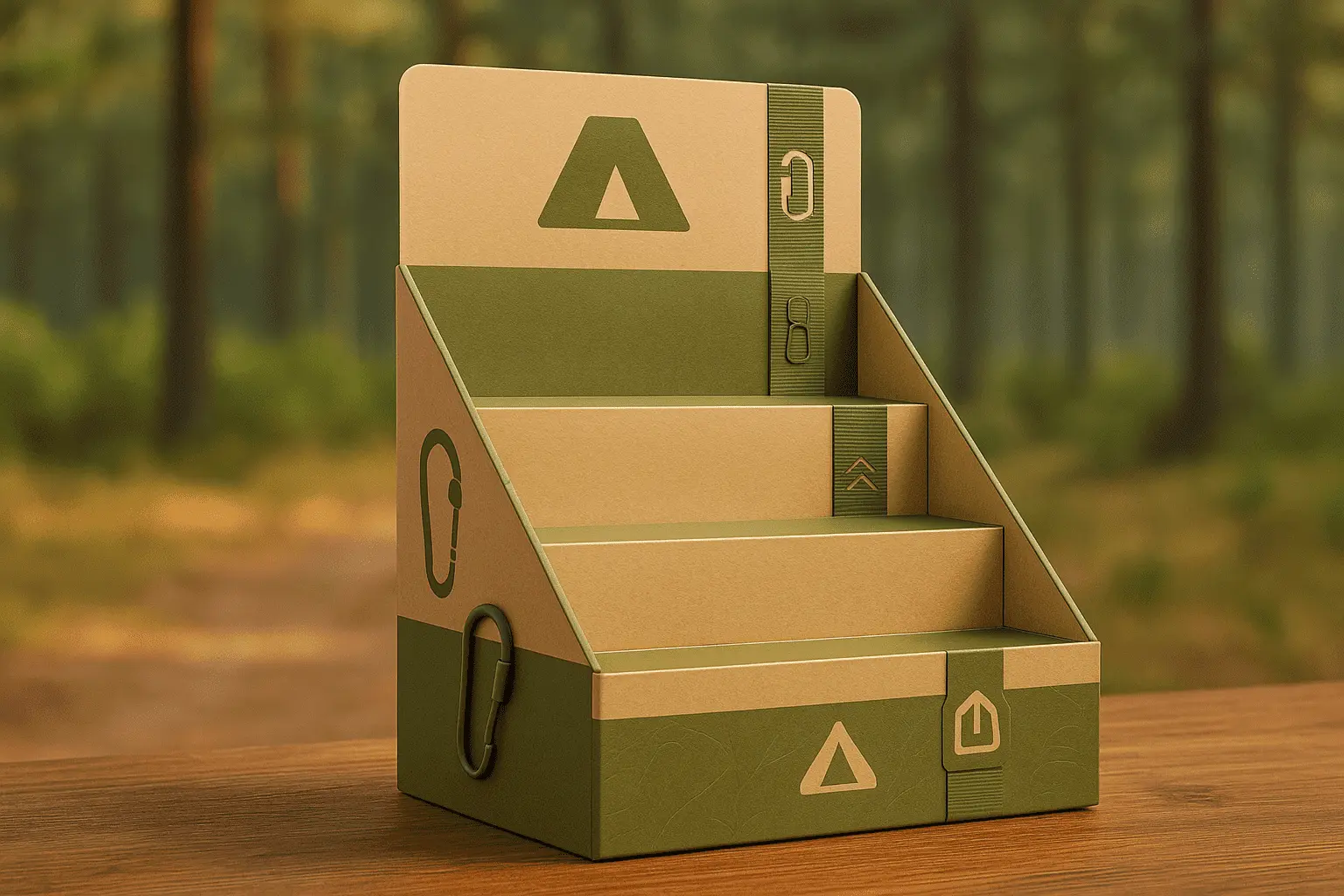
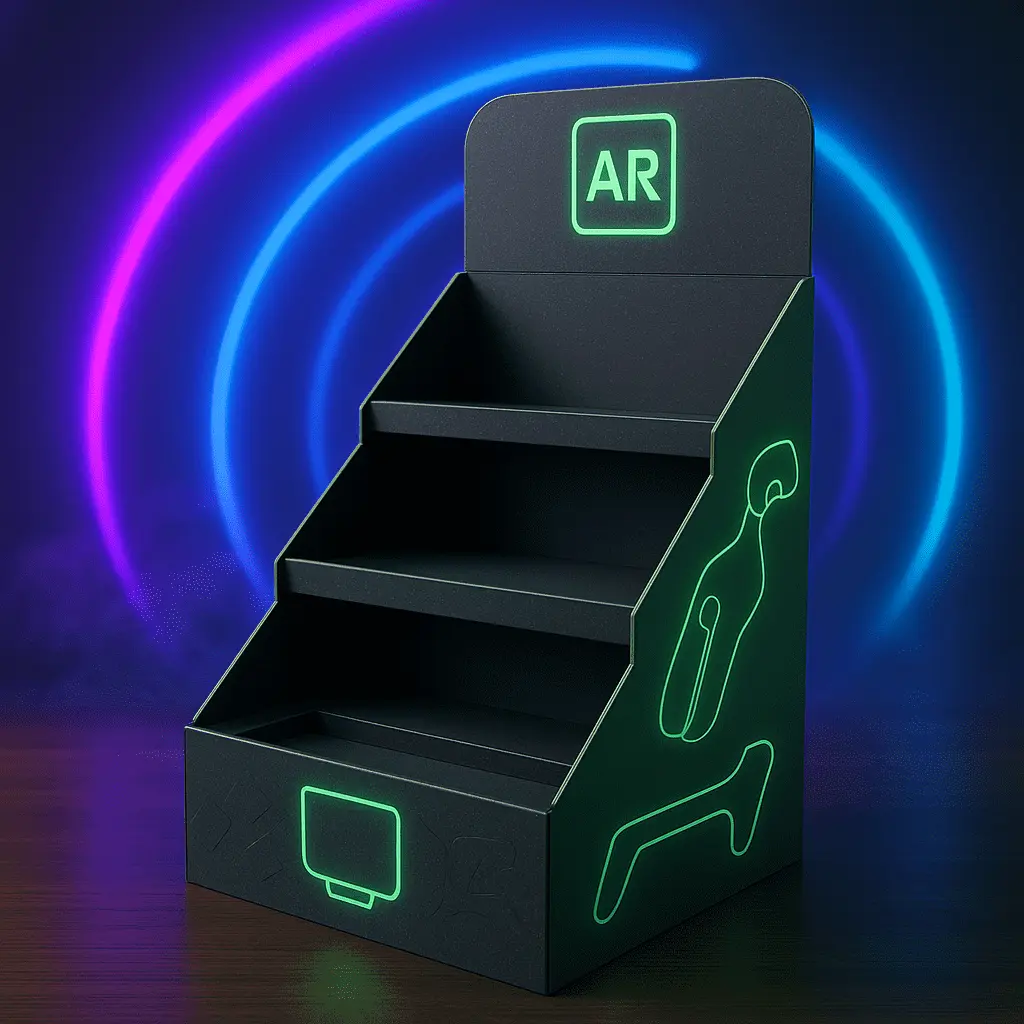
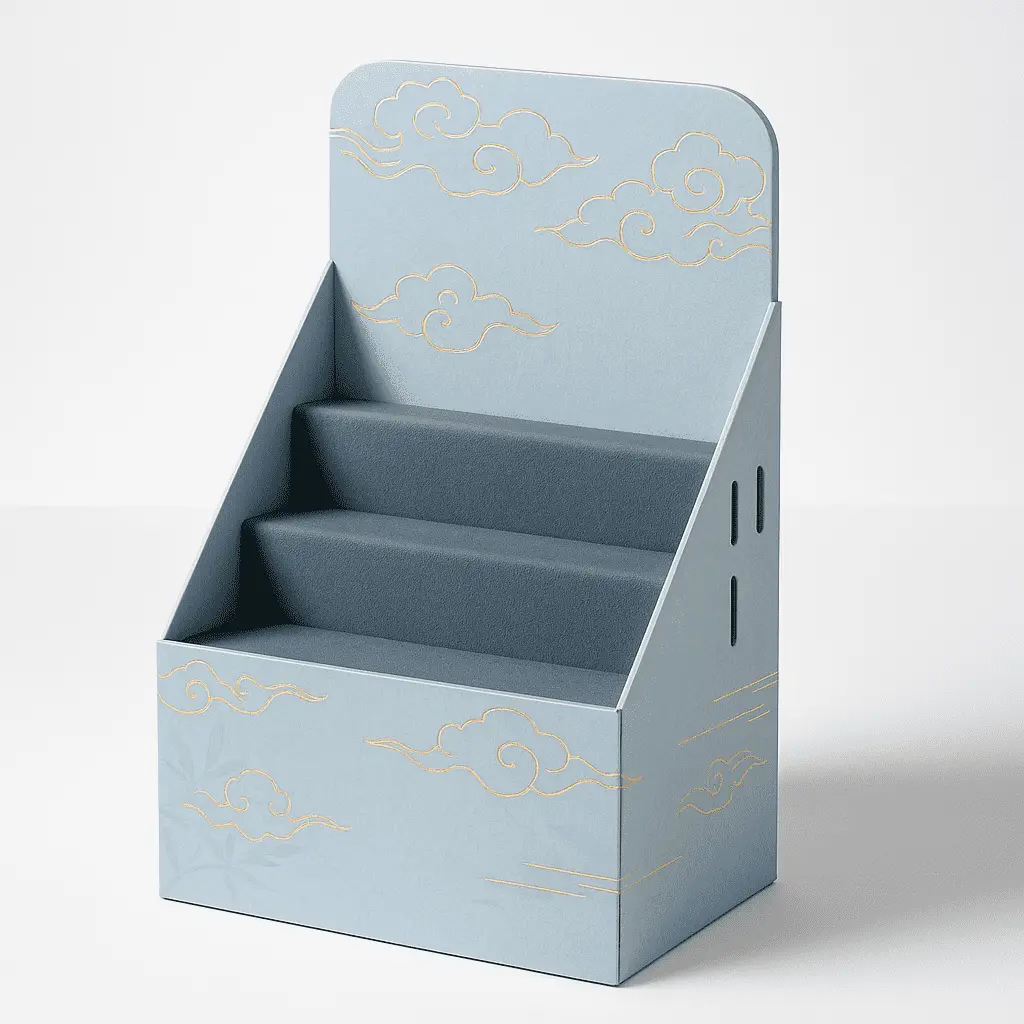
Shelf-ready packaging, also known as retail-ready packaging (RRP), is a packaging solution designed to move products from manufacturer to retail shelf with minimal handling. This innovative approach ensures that products arrive at stores in a display-ready format, allowing for quick and easy placement on shelves. SRP typically features easy-open mechanisms, clear product visibility, and sturdy construction to withstand the rigors of transportation and display.
The Evolution of Retail Packaging
The concept of shelf-ready packaging has evolved significantly over the years. Initially, retailers focused primarily on protecting products during transit. However, as competition intensified and labor costs rose, the need for more efficient stocking methods became apparent. This shift in priorities led to the development of packaging solutions that not only protected goods but also facilitated rapid shelf replenishment.
Key Components of Effective SRP
Successful shelf-ready packaging incorporates several crucial elements:
- Easy identification: Clear labeling and branding for quick recognition in warehouses and on shelves.
- Simple opening: Perforations or tear-strips that allow for swift unpacking without tools.
- One-touch replenishment: Designs that enable entire cases to be placed on shelves in a single motion.
- Shelf efficiency: Optimized dimensions to maximize shelf space utilization.
- Product protection: Sufficient strength to safeguard contents throughout the supply chain.
The Benefits of Implementing Shelf-Ready Packaging Solutions
Operational Efficiency and Cost Savings
Shelf-ready packaging (SRP) significantly improves operational efficiency by simplifying the journey from warehouse to retail shelf. Products can be easily unpacked, displayed, and replenished, minimizing manual handling and restocking time. This streamlined process reduces labor costs and allows employees to focus on customer service rather than shelf organization. For large-scale retailers, these efficiencies translate into measurable cost savings and faster product turnover. Additionally, improved shelf management helps maintain consistent product availability, reducing stockouts and enhancing overall retail performance.
Enhanced Product Visibility and Brand Recognition
In today's competitive retail landscape, shelf-ready packaging provides a valuable platform for strengthening brand identity. SRP designs incorporate vibrant graphics, logos, and key product details that attract consumer attention at the point of sale. By transforming packaging into an on-shelf marketing tool, brands can effectively communicate their message and differentiate themselves from competitors. Enhanced visibility not only increases impulse purchases but also reinforces brand recognition over time. This combination of functionality and visual appeal positions SRP as a strategic asset in modern retail merchandising.
Environmental Impact and Sustainability
Sustainability is a growing priority for both consumers and businesses, and shelf-ready packaging supports this shift toward eco-friendly practices. Many SRP solutions are made from recyclable or biodegradable materials and are designed to reduce excess packaging waste. By minimizing unnecessary components, companies can lower their carbon footprint while maintaining packaging integrity. Environmentally conscious SRP designs also enhance brand reputation, appealing to consumers who prioritize sustainability in their purchasing decisions. Ultimately, implementing green SRP practices benefits both the environment and long-term business success.
Implementing Shelf-Ready Packaging: Strategies for Success
Collaboration Between Manufacturers and Retailers
Implementing shelf-ready packaging (SRP) successfully depends on strong collaboration between manufacturers and retailers. By engaging in open communication and joint planning, both parties can ensure that SRP designs align with specific product requirements, shelf space constraints, and consumer expectations. This cooperative approach facilitates smoother integration into existing supply chains, reduces errors during stocking, and enhances operational efficiency. When manufacturers and retailers work together from the design stage to deployment, SRP solutions become more effective, ultimately improving product visibility, sales performance, and customer satisfaction.
Designing for Efficiency and Appeal
Effective shelf-ready packaging must balance operational efficiency with aesthetic appeal. Designers should prioritize features like easy-open functionality, structural durability, and brand prominence while maintaining an attractive presentation on the retail shelf. Incorporating insights from consumer behavior studies and retail analytics can guide design choices, ensuring that the packaging resonates with target audiences. Packaging that is both functional and visually appealing not only improves the shopping experience but also encourages product selection, reinforces brand identity, and helps products stand out in competitive retail environments.
Overcoming Implementation Challenges
Despite the advantages of SRP, implementing it can pose practical challenges. Retailers may need to reconfigure shelving, adjust stock rotation practices, or invest in specialized equipment to accommodate SRP efficiently. Staff training is also essential to ensure proper handling, stocking, and display of shelf-ready packages. By anticipating these challenges and developing a detailed implementation plan, businesses can minimize disruptions, maintain operational efficiency, and fully capitalize on the benefits of SRP. Effective execution ultimately drives increased sales, improved brand perception, and enhanced customer experience.
Conclusion
Shelf-ready packaging has emerged as a powerful tool for retailers and manufacturers alike, offering a solution to the ever-present challenge of efficient in-store setup. By streamlining the journey from warehouse to shelf, SRP not only reduces operational costs but also enhances the shopping experience through improved product visibility and organization. As the retail landscape continues to evolve, embracing innovative packaging solutions like SRP will be crucial for businesses looking to stay competitive and meet the changing demands of consumers and the industry.
FAQs
What are the main advantages of shelf-ready packaging?
The primary benefits include faster in-store setup, reduced labor costs, improved product visibility, and potential environmental sustainability.
How does shelf-ready packaging impact brand recognition?
SRP can serve as a mini-billboard on store shelves, enhancing brand visibility and recognition among shoppers.
Is shelf-ready packaging suitable for all product types?
While SRP can be adapted for many products, it may not be ideal for all items. It's best suited for fast-moving consumer goods and products with consistent demand.
Experience the Efficiency of Shelf-Ready Packaging | Fetching Printing
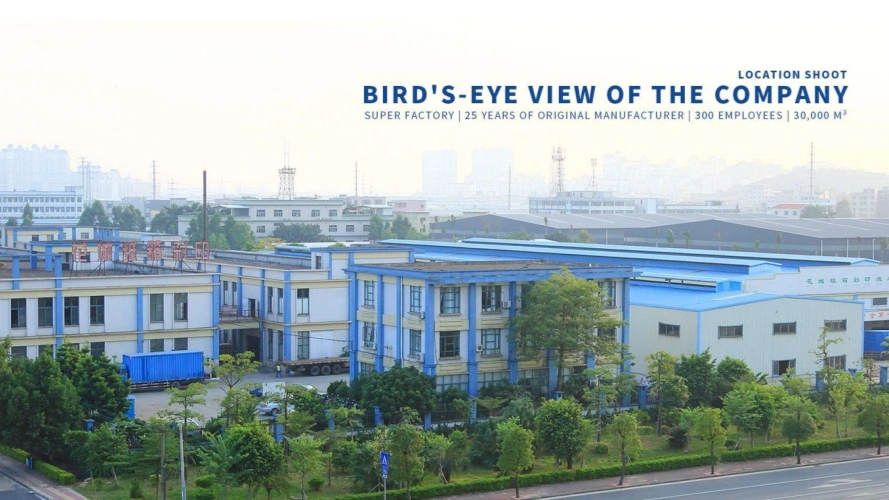
At Fetching Printing, we specialize in creating custom shelf-ready packaging solutions that meet the unique needs of your products and retail environment. Our experienced team of packaging engineers can help you design and manufacture SRP that optimizes your supply chain efficiency and enhances your brand presence on store shelves. As a leading packaging supplier and manufacturer, we're committed to delivering high-quality, innovative solutions. Contact us at support@fetchingprinting.com to explore how our shelf-ready packaging can transform your retail strategy.
References
Smith, J. (2022). The Rise of Shelf-Ready Packaging in Modern Retail. Journal of Packaging Innovation, 15(2), 45-58.
Brown, A., & Johnson, M. (2021). Sustainable Packaging Solutions: A Comprehensive Guide. Green Publishing House.
Retail Logistics Association. (2023). Annual Report on Supply Chain Efficiency in Grocery Retail.
Chen, L. et al. (2020). Consumer Perceptions of Shelf-Ready Packaging: A Cross-Cultural Study. International Journal of Retail & Distribution Management, 48(3), 278-295.
Thompson, R. (2022). The Impact of Packaging Design on Sales: A Meta-Analysis. Marketing Science Quarterly, 37(1), 102-118.
World Packaging Organisation. (2023). Global Packaging Trends: Focus on Retail-Ready Solutions. Industry Whitepaper.