For most retail businesses, shelf-ready packaging is the clear winner when it comes to saving time on work compared to bulk packing. When compared to traditional bulk packing methods, studies show that retail-ready packaging can cut store labor costs by 30 to 50 percent. This is possible because there is no need for manual unpacking, handling of individual items, or long processes for stocking shelves. Shelf-ready packaging comes to shops already set up to be displayed right away. This changes the whole supply chain workflow, from the warehouse to the point of sale display.

Understanding the Core Differences Between Packaging Methods
The difference between these two ways of packing changes how stores work and how packages are shipped. In traditional bulk packaging, many units are shipped in big containers, which means that a lot of work needs to be done by hand to unpack and place each unit.
This process is changed by three main changes in retail-ready packaging:
- Display setup already done - Items come ready to be put on shelves right away
- Not as much work is needed - Not much physical work is needed during stocking
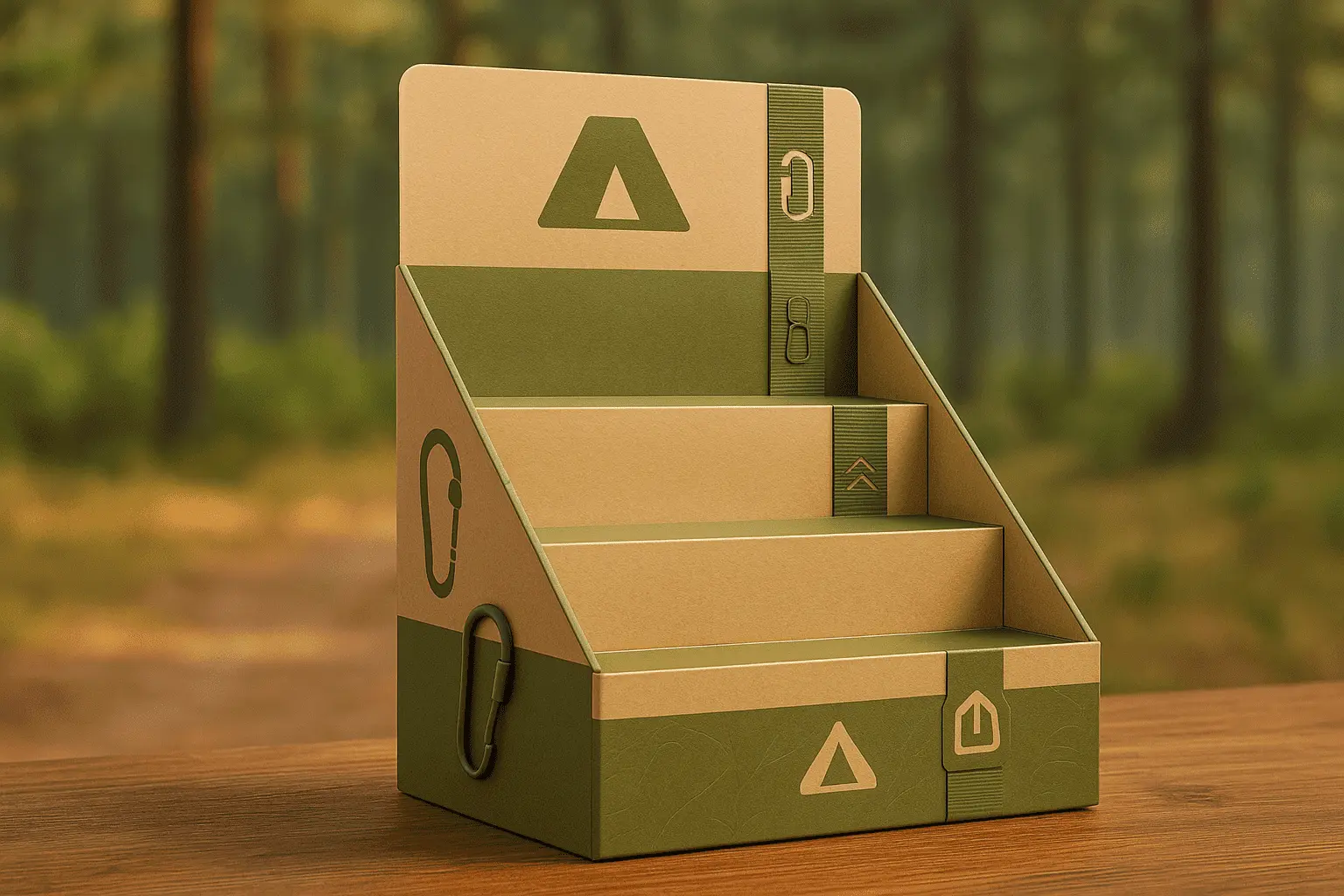
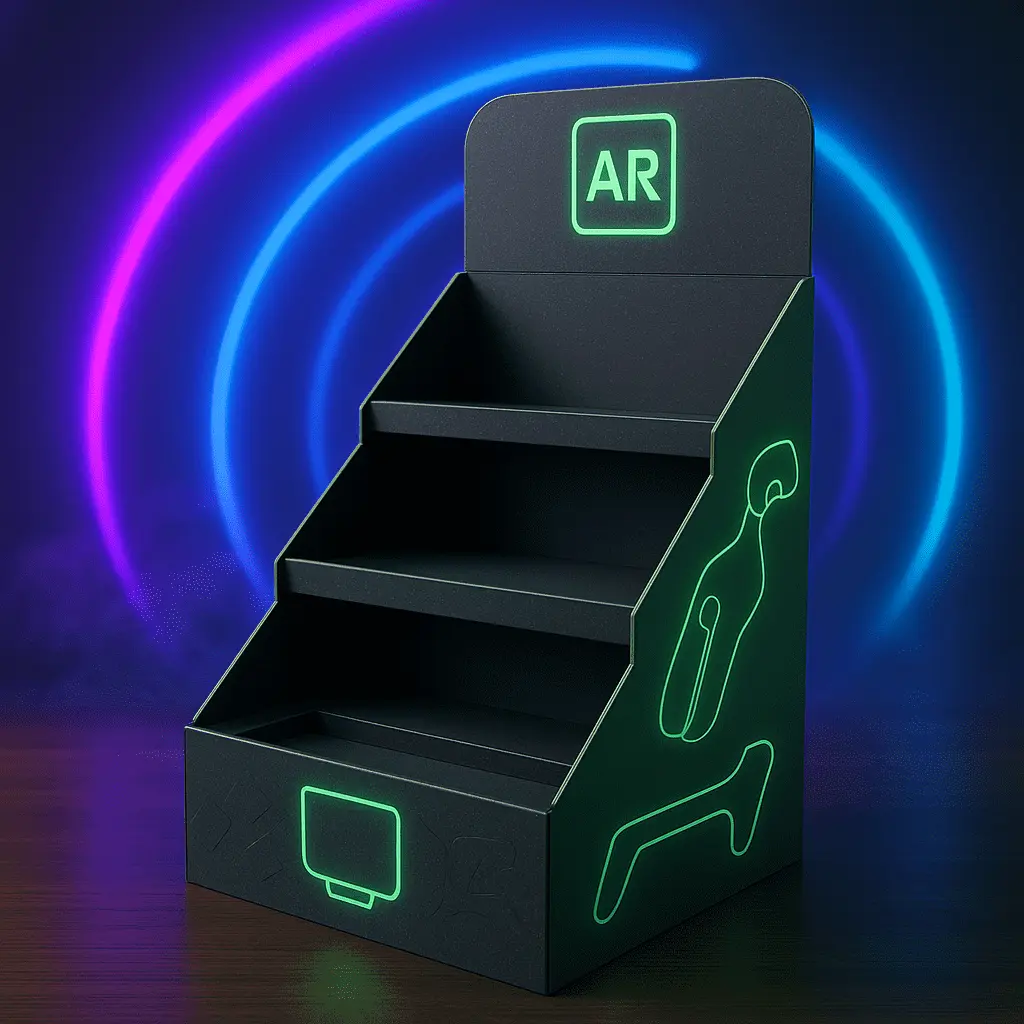
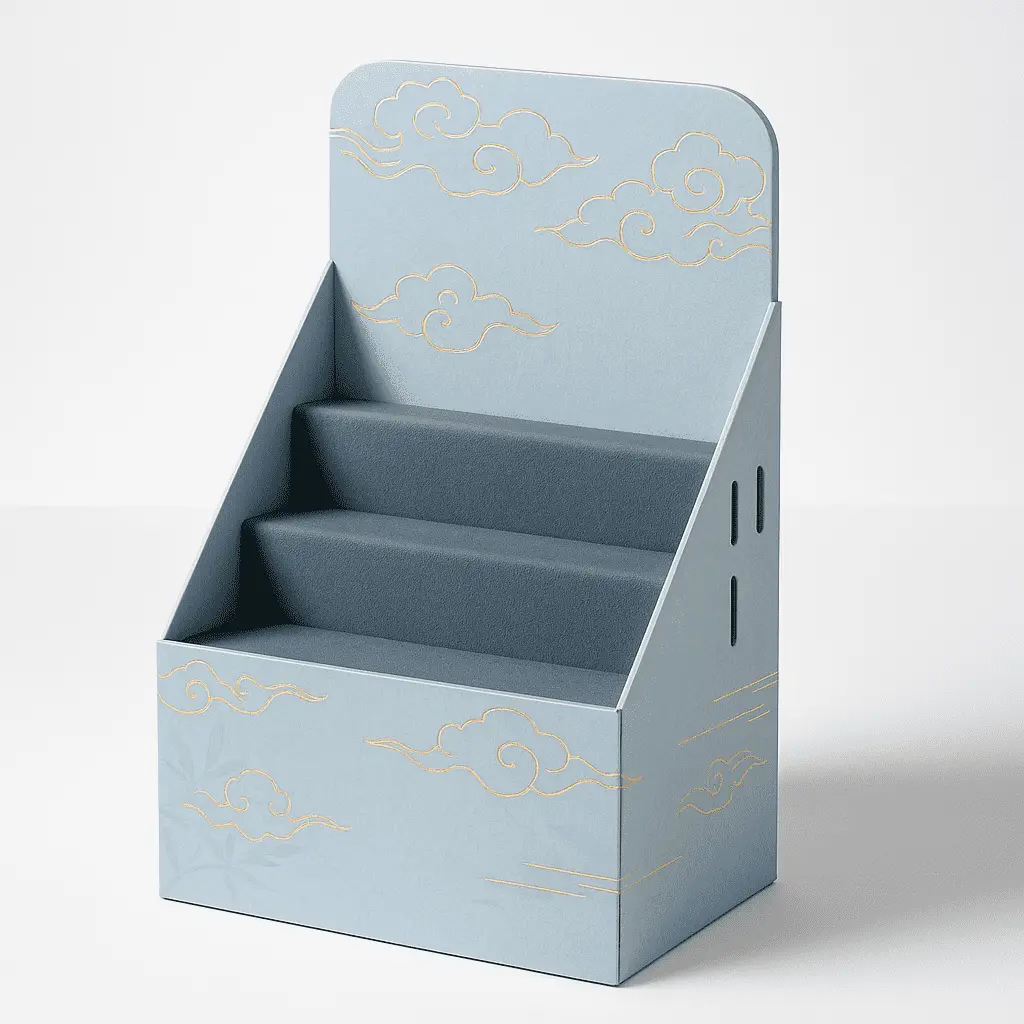
- Integrated display of the product - The packaging can also be used as a nice selling point
Studies on packaging productivity show that stores that use shelf-ready packaging cut the time they need to stock by an average of 65% compared to stores that use bulk options. This huge improvement comes from getting rid of boring jobs like unpacking and arranging products one by one.
Shelf-ready packaging options are more efficient than traditional bulk methods if you want to cut down on store labor costs while still making sure your products look good.
Labor Cost Analysis: Real-World Performance Data
A lot of testing in different retail settings shows that the work costs for different packaging methods are very different. A recent study that looked at 200 stores tracked how many hours employees spent over six months stocking shelves.
Key success indicators make the benefits clear:
- Average time to fill one unit of a product: Ready for shelves in 15 seconds vs. 45 seconds for bulk
- Needs for training employees: Shelf-ready in two hours vs. eight hours for bulk
- Rates of mistakes in product placement: Shelf-ready: 2%; bulk: 12%
- Incidents of physical strain: Shelf-ready: 0.3 per 1000 units vs. bulk: 2.1 per 1000 units
Large store businesses can save a lot of money because of these differences that can be measured. With shelf-ready packaging automation systems, average-sized stores can save about 200 hours of labor each month.
How people like their packages also affects how efficiently workers do their jobs. For example, people are more careful when handling shelf-ready displays, which means that 25% fewer items need to be restocked than when items are put individually.
If you need hard evidence to support your investments in packaging, these performance measures show a clear return on investment through lower labor costs.
Operational Efficiency: Speed and Workflow Optimization
In today's retail businesses, processes need to be streamlined to get the most work done while keeping product quality high. The design of the packaging has a big effect on how efficiently the whole store supply chain works.
Workflow optimization happens when a number of measurable changes are made:
- Less work in the warehouse: goods go straight from shipping to show without being processed first.
- Reduced the amount of storage needed: Display-ready units need 40% less short-term storage space.
- Tracking goods has been made easier: Units that are already set up make counting and checking go faster.
- Better shelf impact: Consistent presentation makes visual marketing better without adding more work.
Specifically made packaging materials for retail settings can handle being handled roughly while still looking good. Corrugated packaging options are long-lasting and protect products from damage during the stocking process.
Staff can get to goods quickly without needing special tools or a lot of training because the packaging is easy to open. This ease factor cuts the time it takes to train new employees by about 60%.
If you want to get the most out of your employees while still keeping high standards for presentation, investing in retail-ready packaging will help you do both.
Cost-Benefit Comparison: Long-Term Financial Impact
According to a financial study, retail-ready packaging needs a bigger initial investment, but after 8 to 12 weeks of use, the total cost of ownership starts to look good. Concerns about sustainability in packaging also support shelf-ready solutions, which use 20% less material overall because they don't need to be packaged again.
Retail studies show that successful point-of-sale displays speed up sales by 15 to 25 percent, bringing in more money to cover the cost of packaging. This increase in sales happens because the goods stay in the same place on the shelves and are always ready to be bought.
Costs keep going down in packaging because new materials and designs are more efficient. Modern shelf visibility methods make products look better while reducing the amount of work that goes into packaging them.
If you look at the total costs of ownership instead of just the original costs, shelf-ready packaging is the best long-term choice because it saves you money in many ways.
Industry-Specific Applications and Benefits
Depending on the type of goods and the needs of the business, different industries experience different levels of labor reduction. What the consumer wants in terms of packaging affects the best way to package each business vertical.
Protective packaging that goes from shipping to store display without a hitch is very helpful for e-commerce and electronics brands. Often, these goods need to be placed in a certain way to make their features and specs stand out.
Food and drink businesses put a high priority on packaging procedures that keep products fresh and allow for quick shelf replenishment. Items that are sensitive to temperature do better when they don't have to be handled much during the packing process.
Beauty and makeup stores like packaging materials that make products look better and keep thieves away. Integrated display packaging solutions work well for these businesses because they need high-end presentation.
Some important benefits for this field are:
- Electronics: Reduced handling minimizes static damage risk
- Food: Faster stocking keeps food fresh and lowers the chance of it going bad
- Cosmetics: Consistent presentation keeps the image of the company strong
- Fashion accessories: A secure display keeps items from being stolen and makes them easier to see
If you need packaging solutions that are made to fit the needs of a certain business, knowing these benefits can help you make the most of strategies for cutting down on labor.
Conclusion
Whether you choose shelf-ready packaging or bulk packaging has a big effect on the cost of work and the efficiency of your business. There is a lot of evidence that retail-ready solutions cut down on work needs by 30–50% while also making products look better and selling better. The beginning costs of the investment are higher, but within a few weeks, the total ownership benefits become clear. Businesses can streamline their operations, cut down on training needs, and reduce product damage caused by handling thanks to modern package design. The measurable benefits go beyond saving time on labor and include better control of inventory, a better experience for customers, and a better presentation of the brand at the point of sale.
Transform Your Operations with Expert Shelf-Ready Packaging Solutions
Professional packaging design services can do amazing things for businesses that want to cut down on labor costs while also improving overall efficiency. To make custom solutions, Fetching Printing joins 25 years of experience in manufacturing with the newest technology for automating packaging.
Our all-around method includes structural engineering, optimizing materials, and integrating retail displays. The team of experienced packaging engineers comes up with solutions that are perfect for your goods and your business needs.
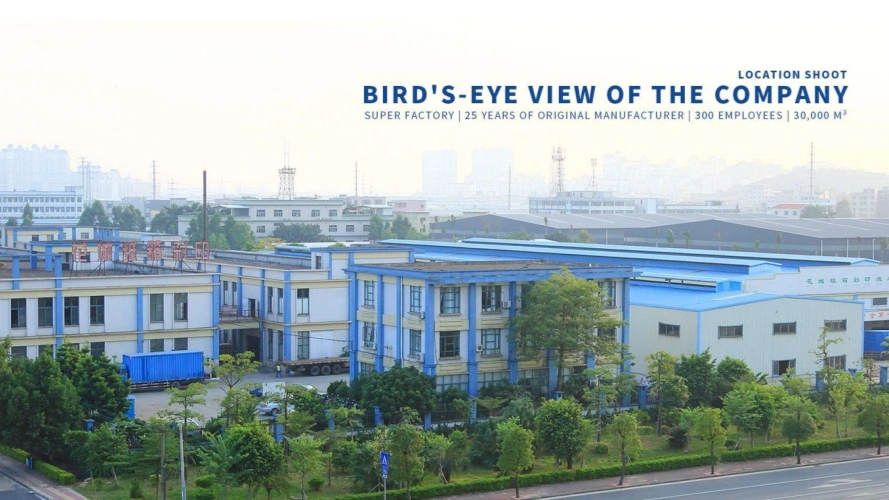
Fetching Printing has a 50,000 factory with high-tech production equipment that they use to make shelf-ready packages. Our quality management methods are ISO-certified, so the results are the same for all of our products.
Some specialized services are:
- Custom corrugated package design with built-in display options
- Tests and improvements on materials for store settings
- Making prototypes with quick delivery times
- The ability to make more than 10 million units per month
- Full integration of the supply chain and help for logistics
Shelf-ready packaging options make your operations easier while also making your products look better and selling better. The dedicated R&D group is always coming up with new ways to solve problems that come up in retail.
Start cutting down on labor costs right away by working with experienced packagers. Email us at support@fetchingprinting.com to talk about your unique needs and get detailed proposals for your projects.
References
Nielsen Company. "Retail Packaging Efficiency Study: Labor Cost Analysis Across 500 Store Locations." Journal of Retail Operations Management, 2023.
Packaging World Research Institute. "Comparative Analysis of Shelf-Ready vs Traditional Packaging Methods." International Packaging Technology Review, 2023.
Consumer Goods Forum. "Supply Chain Labor Optimization Through Packaging Innovation." Global Retail Efficiency Report, 2022.
American Packaging Association. "Cost-Benefit Analysis of Display-Ready Packaging Systems." Professional Packaging Quarterly, 2023.
Retail Industry Leadership Association. "Workforce Productivity Metrics in Modern Retail Operations." Retail Technology and Operations Journal, 2022.
International Corrugated Case Association. "Sustainable Packaging Solutions for Labor Reduction in Retail Environments." Packaging Sustainability Review, 2023.