This new way of presenting products in stores, called "shelf-ready" packing, has completely changed how brands interact with customers at the point of sale. By using this new way of packaging, goods can go from distribution centers to store shelves without needing to be unpacked or prepared by store staff first. Knowing the strategic importance of shelf-ready packaging can help procurement professionals in many different industries run their businesses more efficiently, raise brand awareness, and lower total supply chain costs. Increasingly, modern retailers want package solutions that make their operations run more smoothly. Shelf-ready packaging meets those needs by combining functionality with visual appeal in ways that are good for both retailers and brands.
Understanding Shelf-Ready Packaging: Definition and Key Concepts
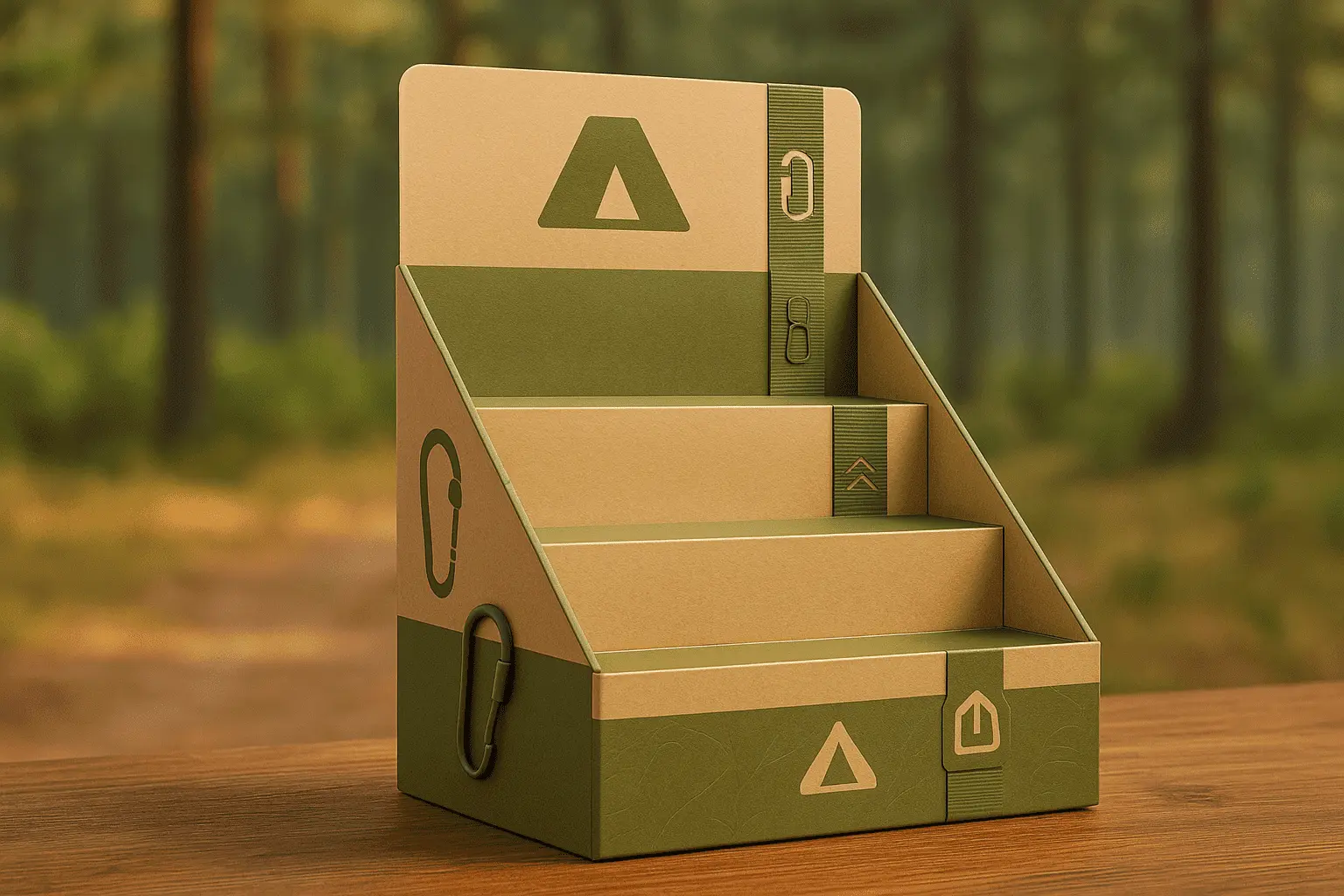
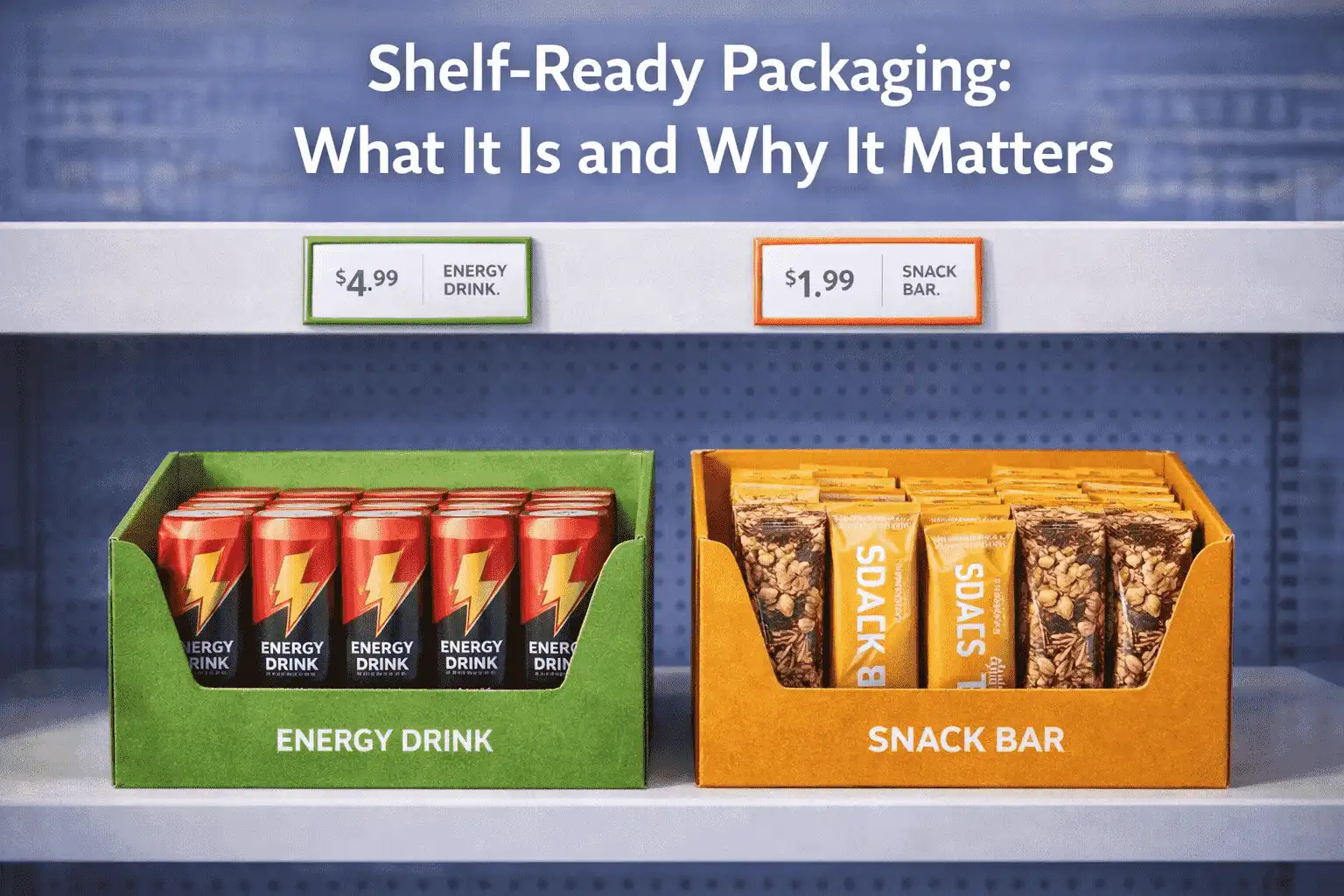
Unlike traditional packaging, shelf-ready packaging puts instant retail functionality ahead of just protecting the product during transport. This unique method of packaging includes design elements that make it easy to open, facilitate efficient stocking, and improve product visibility once the goods reach retail settings. Shelving-ready solutions are different from regular shipping containers because they can be turned into attractive display units that show off goods while keeping their structural integrity throughout the retail cycle.
Core Components of Effective Display Packaging
Many important design elements set the most successful retail-ready packaging apart from normal shipping containers. Perforated tear strips allow partial opening, which keeps products safe during display periods. Easy-open mechanisms let store workers quickly get to products without damaging the structure of the packaging. Even when the packaging is full of products, the reinforced sides and bases keep it stable. This keeps it from collapsing or getting damaged, which could affect both the safety of the products and their appearance.
Picking the right materials is a very important part of how well packaging works in variety of store settings. Due to its many uses, low cost, and ability to be recycled, corrugated fiberboard is still the most popular choice. With modern coating choices, food items don't get damaged by moisture, and with special printing methods, graphics stay bright in store lighting. The right choice of material is important for a successful implementation because these factors have a direct effect on both functionality and aesthetic appeal.
Distinguishing Features from Traditional Packaging
While traditional packing is mostly about keeping products safe during shipping and storage, it often needs to be taken off completely before products can be put away. The extra step of handling isn't needed with shelf-ready options because they have retail-friendly features built in from the start of the planning process. As a store's appearance standards rise, built-in handles, stackable designs, and clear product labels make it easier to restock shelves while also saving time and effort.
Core Benefits of Shelf-Ready Packaging for B2B Procurement
It's becoming clearer to procurement teams that strategic choices about packaging have a big effect on the efficiency of operations across whole supply chains. While cost is important, retail-ready packaging options have measurable benefits that affect everything from how workers are assigned to how satisfied customers are.
Operational Efficiency and Labor Cost Reduction
According to studies by major retail research groups, shelf-ready packaging can cut the time needed to restock by up to 70% compared to traditional package methods. You can save a lot of money on staff costs with this increase in efficiency, especially if you run a high-volume store that deals with thousands of product SKUs every day. Instead of wasting time unpacking and arranging products, store workers can focus on helping customers and doing other tasks that add value.
Additionally, the streamlined restocking process lowers the chance of damage to products during handling, as things stay safe in their display-ready containers until they are bought by customers. Providing this protection makes products last longer and waste less, which helps stores and brands make more money. Purchasing managers who focus on these efficiency gains often find that the initial investments in packaging pay off in a big way through lower running costs.
Enhanced Brand Visibility and Consumer Engagement
When used correctly, show packaging is like a silent salesperson that works nonstop to get people's attention and tell them why they should buy your brand. Product visibility is improved by well-designed packaging on crowded store shelves, and brand presentation is kept uniform across all locations. There is brand consistency throughout the customer journey because graphics, color schemes, and messaging stay the same from distribution to final buy.
Retail shoppers decide what to buy within seconds of seeing a product on the shelf, according to study on consumer behavior for shelf ready packaging. In these crucial moments, packaging that clearly communicates product benefits and company identity can have a big effect on sales results. An often-overlooked benefit that procurement teams should think about when looking at packaging choices is this marketing value.
Sustainability and Environmental Compliance
Changing environmental laws in different markets make sustainable packing choices more important for buying strategies. Modern shelf-ready solutions often use recycled materials and design features that keep performance standards high while using less total material. Singular-use elimination is possible when packing can be used as both a shipping container and a store display.
Designing Effective Shelf-Ready Packaging: Key Ideas and Best Practices
It's important to carefully balance usefulness, aesthetics, and cost when designing packaging. Assembling solutions that meet specific product needs while also meeting retailer standards and customer preferences is a job that requires close collaboration between procurement teams and design professionals.
Structural Design Principles
Understanding specific product features and the needs of the retail setting is the first step to good structural design. Different factors like product size, weight distribution, and stacking needs affect the best way to create something. While keeping the look consistent across product lines, modular designs that can fit a range of product sizes within the same packing system can make inventory management easier.
Products need very different ventilation, for example, fresh foods need different airflow factors than electronics or cosmetics. Concerns about temperature, controlling wetness, and light protection all play a role in choosing materials and designing structures. For reliable packaging that also gets people's attention, these technical needs must match up with the visual design goals.
Brand Integration and Visual Appeal
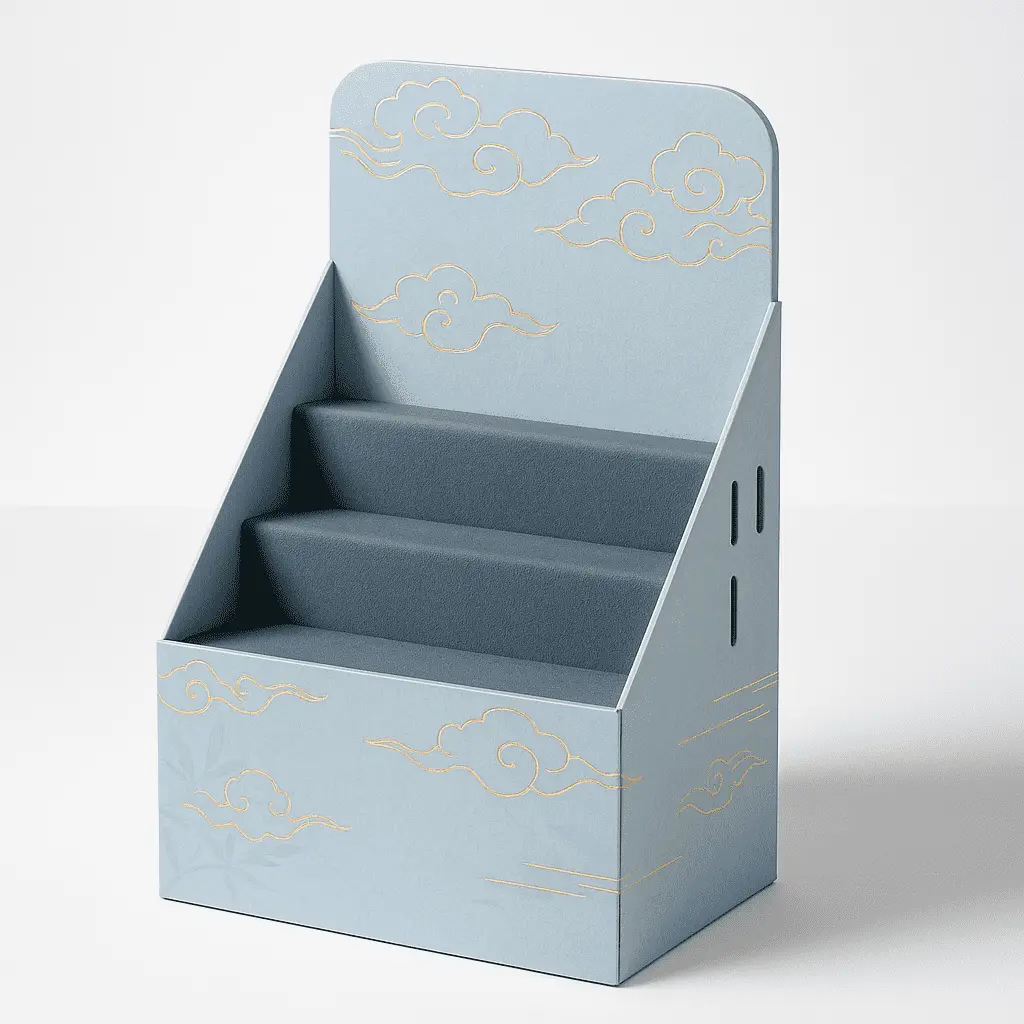
Using visual design elements along with structure elements is important for making packaging that works well and reinforces brand identity. Consumers' thoughts and actions are affected by color psychology, font choices, and where graphics are placed. Image elements stay clear and appealing for a long time thanks to high-quality printing methods.
Label integration is more than just putting a logo somewhere. It also includes making sure that the general look of the store, marketing materials, and products matches. When store displays and packaging work together instead of against each other, it makes shopping more enjoyable and keeps brand recognition. By using this strategic method to visual design, packaging engineers, graphic designers, and marketing professionals often need to work together.
How to Choose the Right Shelf-Ready Packaging Supplier
Supplier choice has a big effect on how well packaging works, how reliable deliveries are, and the general success of the project. Multiple factors must be taken into account by procurement professionals when evaluating possible partners in order to build long-lasting relationships that support business goals.
Technical Capabilities and Quality Standards
Packing providers have very different manufacturing abilities, so it's important to do technical evaluations before forming partnerships. The quality and consistency of the end product are affected by things like advanced printing equipment, precise cutting systems, and quality control procedures. For complicated packaging needs, suppliers should show they know a lot about materials science, structural engineering, and production optimization.
Finding out about a supplier's quality control systems and environmental commitments for shelf ready packaging through certification standards is very helpful. According to FSC certification, forests are managed responsibly, and ISO 9001 quality management certification makes sure that production processes are uniform. Getting environmental management certifications like ISO 14001 shows that you are committed to using sustainable manufacturing methods that are in line with your company's goals for business responsibility.
Customization and Service Capabilities
Which suppliers can customize standard goods to meet specific needs or create completely new solutions for specific uses depends on their customization capabilities. Additionally, design support services, the ability to make prototypes, and expert advice all add value above and beyond basic manufacturing. Research and development (R&D) spending by suppliers often leads to new products and services that give them a competitive edge.
Service reliability includes everything from tracking deliveries and helping customers to handling orders and communicating with them. Deliveries that are on time, accurate tracking of orders, and helpful customer service all help the supply chain run smoothly. Regarding long-term supplier relationships, these service factors often end up being more important than original cost concerns.
Future Trends and Innovations in Shelf-Ready Packaging
In response to new technologies, materials, and customer expectations, the packaging industry is always changing quickly. To make smart choices that set their companies up for future success, procurement professionals need to keep up with new trends.
Smart Technology Integration
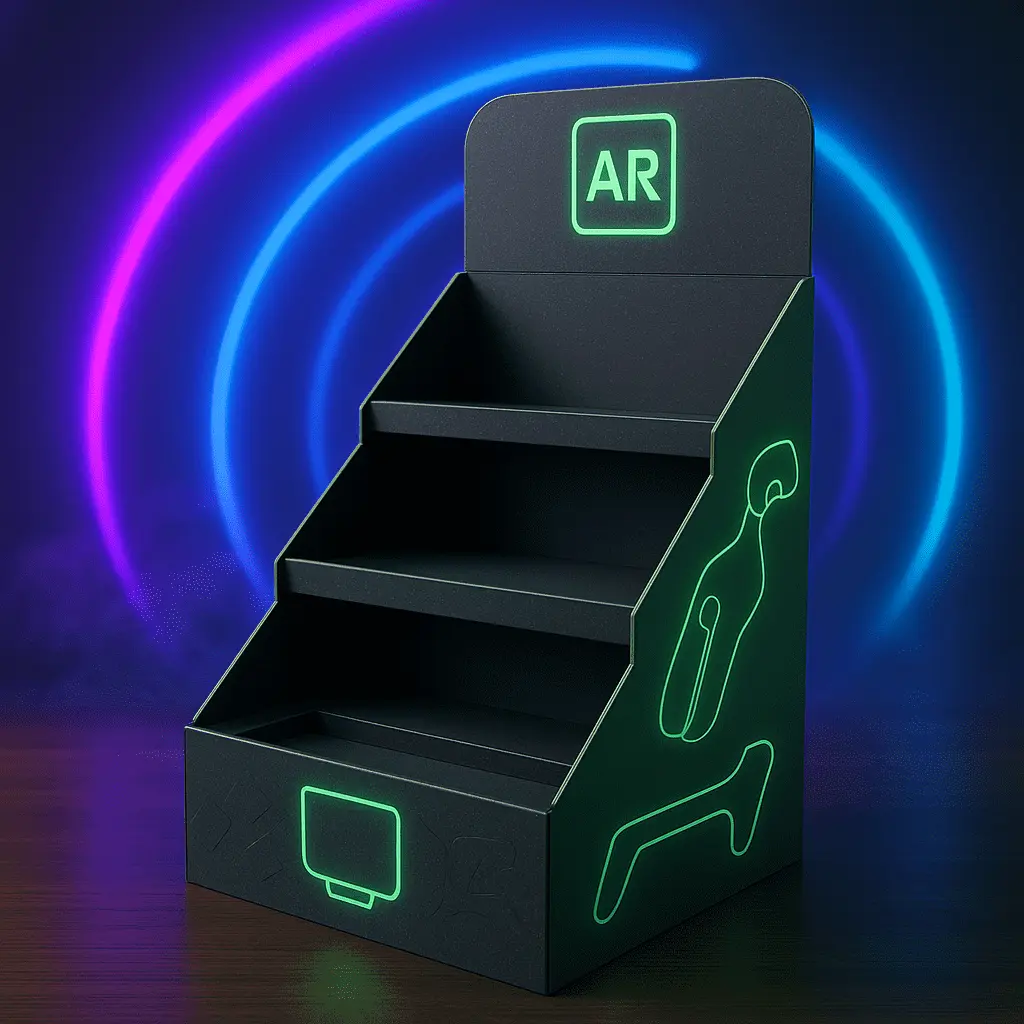
Integration of digital technology changes traditional packaging into interactive communication platforms that make it easier for customers to connect with and see what's going on in the supply chain. RFID, NFC, and QR codes allow for real-time tracking, authentication, and contact with customers, which goes beyond just protecting products.
Having these smart packaging features gives businesses useful information about how customers behave, how inventory moves, and how well products work, which helps many different areas make decisions. As an example, combined technology solutions could be used to make the supply chain more clear, check the authenticity of products, and provide better customer service.
Sustainable Material Innovation
Fresh discoveries in material science keep giving us more choices for eco-friendly package options that don't sacrifice performance or good looks. While still meeting practical needs, bio-based materials, coatings that can be recycled, and better engineering that reduces the amount of material used all help fulfill sustainability goals.
There is a growing focus on materials that can be recycled or composted over and over again in packaging design, with ideas from the circular economy playing a bigger role. Cost-cutting goals often go hand-in-hand with environmental concerns, since using materials efficiently and reducing waste usually lower total packaging costs.
Conclusion
More than just a simple operational gain, shelf-ready packaging is a strategic way to do well in retail that helps manufacturers, retailers, and customers all at the same time. Well-designed packaging solutions make operations more efficient, raise brand awareness, and be more environmentally friendly, as shown by the proof. Knowing these many benefits can help procurement workers make choices that meet both short-term operational needs and long-term business goals. Investments in high-quality packaging solutions are necessary to stay ahead of the competition in markets that are always changing as retail spaces change and customer standards rise.
FAQs
What distinguishes shelf-ready packaging from standard shipping containers?
Shelf-ready packaging incorporates retail-friendly features like easy-open mechanisms, attractive graphics, and structural designs that enable direct shelf placement without additional unpacking. Standard shipping containers prioritize protection during transportation but require complete removal before products can be displayed, whereas shelf-ready solutions transform into attractive retail displays that enhance product visibility while reducing labor costs.
How can shelf-ready packaging improve operational efficiency for retailers?
Research indicates that shelf-ready packaging can reduce restocking time by up to 70% compared to traditional methods. Store employees spend less time unpacking and arranging products, allowing them to focus on customer service and other value-added activities. The streamlined process also reduces product damage during handling and minimizes packaging waste in retail environments.
What sustainability options are available for environmentally conscious brands?
Modern shelf-ready packaging incorporates numerous sustainable features including recycled corrugated materials, biodegradable coatings, and designs that minimize overall material usage. Many solutions achieve dual functionality as shipping containers and retail displays, eliminating single-use packaging waste. FSC-certified materials ensure responsible forestry practices, while recyclable designs support circular economy principles.
Transform Your Retail Success with Professional Shelf Ready Packaging Solutions
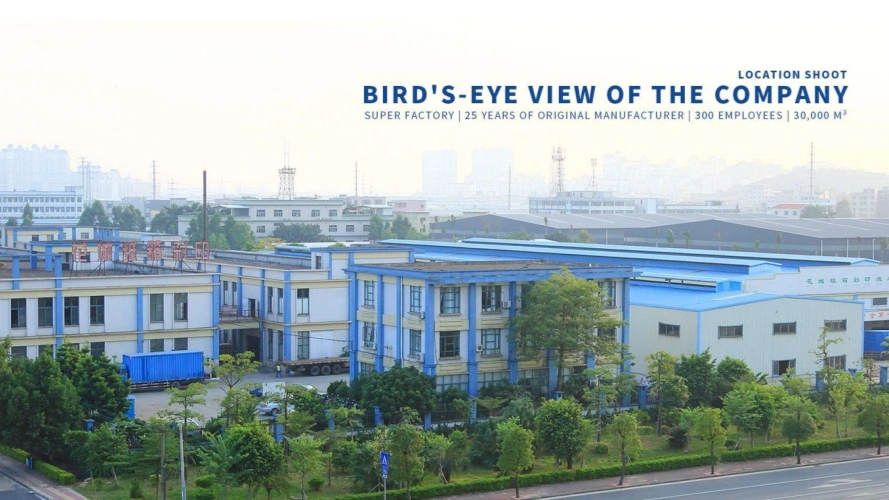
Unlock the full potential of your retail strategy with Fetching Printing's innovative shelf ready packaging solutions. Our comprehensive approach combines cutting-edge design capabilities with sustainable materials to create packaging that drives sales while reducing operational costs. With over two decades of industry expertise and certifications including ISO9001, FSC, and environmental management standards, we deliver reliable solutions tailored to your specific requirements. Whether you need high-volume production for e-commerce applications or luxury packaging for premium products, our team of experienced packaging engineers provides complete support from concept through delivery. Ready to revolutionize your packaging strategy? Contact us at support@fetchingprinting.com to discuss your shelf ready packaging supplier needs and discover how our solutions can elevate your brand presence while optimizing retail efficiency.
References
Smith, J. & Anderson, M. (2023). "Retail Packaging Innovation: Strategies for Operational Excellence." Journal of Supply Chain Management, 45(3), 78-95.
Thompson, R. (2022). "Sustainable Packaging Design: Environmental Impact and Cost Analysis." International Packaging Review, 38(7), 123-140.
Davis, L., Wilson, K. & Brown, S. (2023). "Consumer Behavior and Packaging Psychology in Retail Environments." Marketing Research Quarterly, 29(4), 201-218.
Green, P. & Martinez, C. (2022). "Supply Chain Efficiency Through Strategic Packaging Design." Operations Management Today, 51(9), 45-62.
Johnson, A. (2023). "Technology Integration in Modern Packaging Solutions." Advanced Materials & Manufacturing, 18(2), 89-106.
Roberts, D. & Taylor, N. (2022). "Cost-Benefit Analysis of Shelf-Ready Packaging Implementation." Business Operations Research, 34(11), 167-184.