Pizza box providers need to show food safety, environmental sustainability, and quality control standards that are complete. Important certificates are FDA approval for food contact safety, FSC certification for eco-friendly buying, ISO 9001 for quality management systems, and BRC packaging standards for excellent manufacturing. These certificates make sure that pizza box packing meets the rules. At the same time, they help businesses reach their environmental goals and protect their brands in competitive catering markets.

Understanding the Importance of Certifications for Pizza Box Suppliers
In B2B buying, which relies on trust between buyers and sellers, product safety, and adherence to rules, certification standards play a key role. When procurement workers source food packaging solutions, they face a lot of legal risks that can be avoided with the right licenses.
Building Credibility Through Verified Standards
Certified sellers show they are committed to following the best practices in their field by going through testing processes with independent companies. This method lowers purchase risks by making sure that materials meet strict safety standards for food contact uses. Buyers can trust that they chose the right provider because the certification process includes tough tests, reviews of paperwork, and continuous checks to make sure rules are followed.
Addressing Key Procurement Challenges
Today's restaurants face difficult issues when it comes to making sure food safety, environmental duty, and supply chain openness are all taken into account. Certifications make it easier to deal with these issues by setting clear standards for safe materials, environmentally friendly sources, and fair production. When procurement teams work with approved suppliers, they don't have to do as much research on those companies because third-party proof shows what the seller can do and whether they are following the rules.
Essential Certifications Pizza Box Suppliers Should Provide
The restaurant packing business needs a lot of different kinds of approval to meet a range of legal and practical needs. Understanding these types of certifications makes it easier to evaluate suppliers and come up with risk management plans.
Food Safety and Contact Compliance
In the United States, the most important part of food packing approval is compliance with FDA regulations. This approval makes sure that the packing materials don't pass any dangerous chemicals on to the food while it's being stored or transported. When packing materials that touch food are used in European markets, they have to follow the EC 1935/2004 rules, which set certain movement limits.
The ISO 22000 certificate shows that the whole food safety management system works all the way through the supply chain. This standard combines hazard analysis basics with prerequisite programs and the HACCP method. This makes sure that food safety risks are managed in a consistent way during the whole pizza box production process.
Environmental Sustainability Credentials
When you get FSC approval, it means that you get paper and cardboard from forests that are managed properly. This approval helps companies meet customers and regulators who want eco-friendly packing. It also supports businesses that want to be environmentally responsible. With different standards for forest management, PEFC approval gives sellers other ways to show they are following environmental rules.
ISO 14001 environmental management system approval lays out ways for production processes to be more environmentally friendly. Vendors with this certificate show that they can consistently make efforts to reduce waste, save energy, and handle environmental risks in a way that supports the company's long-term goals.
Quality Management and Manufacturing Excellence
ISO 9001 quality management approval makes sure that manufacturing processes stay the same and that methods for ongoing growth are used. This approval gives buyers faith in the dependability of suppliers and the uniformity of products in big orders. The BRC Packaging license covers the needs of food packaging production, bringing together quality control and food safety in one all-encompassing standard.
Comparing Certification Types and Their Relevance to Different Buyer Needs
Buyers with different market positions and operating needs focus on different kinds of certifications. Understanding these needs makes it easier to choose suppliers and build partnerships.
Delivery-Focused Operations Needs
Pizza delivery companies need packaging that keeps the food hot and doesn't break while it's being delivered. ASTM thermal testing standards prove the insulating properties and temperature-holding abilities that are important for keeping the quality of food during delivery. When warming equipment is used, UL safety certifications make sure that materials used in hot storage meet electrical safety standards.
Custom Branding and Print Quality Standards
Restaurants that use custom printed packages need providers with credentials that guarantee ink safety and consistent print quality. The G7 color management certification makes sure that the colors are printed correctly every time, and the migration testing certifications make sure that the printing inks don't pollute the food. These licenses are very important for brands that have strict rules about how they want their products to look and how food safety should be handled.
Multi-Location Chain Requirements
When big restaurant groups that work in more than one place get food from sources, those companies need to have foreign certifications that meet different rules. ISO certifications and other global standards make sure that quality is the same in all places. At the same time, certifications that are special to regions make sure that locals follow the rules. This two-part method keeps quality standards the same while making it easier to buy pizza boxes in more than one place.
How to Verify and Evaluate Pizza Box Supplier Certifications?
Systematic evaluation methods that go beyond reading paperwork are the only way to be sure that your certification is valid. To make sure that the approval is real and that the rules are still being followed, procurement pros need to use a lot of different verification methods.
Documentation Verification Processes
Genuine certification verification starts with getting up-to-date certificates from suppliers straight away and checking them against records from the group that gave out the certificates. A lot of certification bodies keep lists on the internet that make it possible for people to check the state and expiry terms of certifications. This checking process helps find fake or outdated certificates that could put buyers at risk of not following the rules.
On-Site Assessment and Third-Party Validation
Audits of factories give people a straight look at the ways products are made and the quality control systems that back up promises of approval. These tests check the conditions under which things are made, the training programs for workers, and the paperwork systems that make sure the company stays certified. Third-party inspection services give unbiased proof of seller skills and ways of keeping certifications up when direct plant visits aren't possible.
Sample Testing and Performance Validation
Testing of package samples confirms safety, longevity, and environmental promises. Independent lab tests prove the claims about migration levels, structural strength, and compostability that meet the standards for approval. This method of testing gives proof of how well the product works. It adds to the certification papers by showing how the product really works.
Fetching Printing: Your Certified Packaging Solution Partner
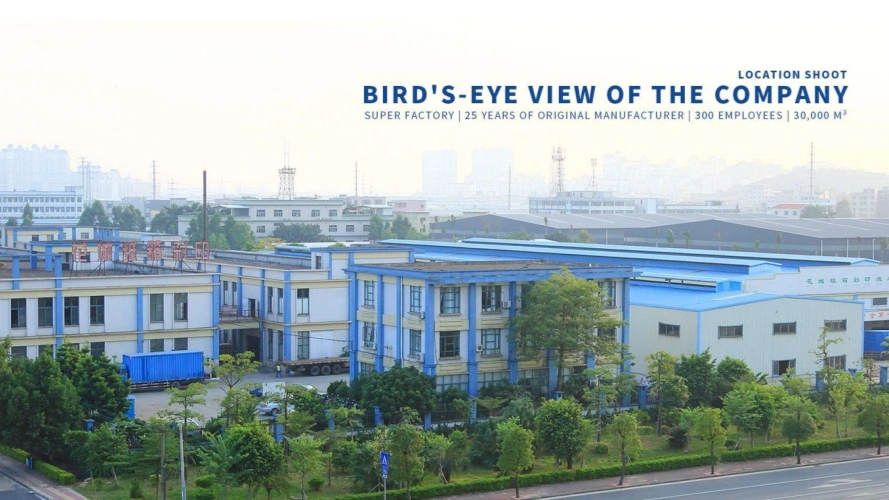
Since 1999, Fetching Printing has become a top company for approved food packing, with a wide range of production and certification options. Our 50,000-square-meter factory with over 300 trained workers and state-of-the-art production tools can handle large orders while keeping a close eye on quality.
Comprehensive Certification Portfolio
We have been certified for SMETA social compliance, G7 color management, FSC forest care, and ISO 14001-2015 environmental management system, ISO 9001-2015 quality management system, and Disney partner approval. These references show that we are dedicated to making environmentally friendly, high-quality products in an honest way that meets the greatest standards in the business.
Advanced R&D and Engineering Support
Our R&D team has more than ten packaging engineers who have a lot of knowledge in material science, structure design, and process optimization. Because we have this technical knowledge, we can make new kinds of packaging that meets changing approval standards and also meets individual customer needs for sustainability, usefulness, and cost.
The engineering team offers a wide range of support services, such as helping with artwork design, making sure that packing works better, coming up with new ways to use materials, and giving advice on how to improve processes. By working together, this team is sure that their custom pizza box solutions meet both approval and operating performance standards.
Conclusion
Choosing authorized providers is an important choice that affects the safety of the product, compliance with the law, and the speed of the operation. The certification scene includes food safety standards, environmental awards, and quality management systems that meet a wide range of buying needs in different market groups.
Systematic checks that include reviewing documents, validating with a third party, and performance testing are the only way to be sure that certification evaluations are done correctly. This all-encompassing method makes sure that what the suppliers say they can do matches the certification promises. It also helps build long-term partnerships based on standards of performance that are known to be true.
FAQs
Which certifications should be prioritized when selecting pizza box suppliers?
FSC approval and agreement with the FDA are two important things to keep in mind when buying food packages. FSC approval deals with long-term safety standards, while FDA compliance makes sure food safety rules are followed. ISO 9001 quality management approval gives you more confidence that the way things are made and the methods that control quality are always the same.
How do sustainability certifications impact packaging costs and performance?
Sustainable certifications usually come with small increases in cost that show how responsibly the materials are being sourced and the products are being made. But these certificates often help the business by making materials more consistent, lowering legal risks, and improving brand placement, which can lead to better market performance that makes the costs worth it.
Can supplier certifications be trusted without conducting on-site audits?
Legitimate certificates are useful proof from a third party, but buyers' trust is boosted by independent checks using certification body records and regular reviews from third parties. Combining certification verification with sample tests and source references gives full proof without the need for long on-site audit programs.
Partner With Fetching Printing for Certified Pizza Box Solutions
It takes knowledge of licensing standards and great production to pick the right pizza box maker. Fetching Printing offers packing that meets your exact buying needs by combining a wide range of certifications with state-of-the-art production. Our approved production methods guarantee steady quality while helping you meet your environmental and safety goals.
Are you ready to look into approved ways to package things for your business? Email us at support@fetchingprinting.com if you want to talk about what you need and ask for more information about our certifications. Our technical team can give you tailored advice based on your unique certification and operating needs.
References
Smith, J.A. (2023). "Food Packaging Safety Standards and Regulatory Compliance in the Global Market." International Journal of Food Safety and Packaging, 15(3), 45-62.
Johnson, M.K. & Williams, R.T. (2022). "Sustainable Packaging Certification Systems: A Comprehensive Analysis of FSC and PEFC Standards." Environmental Packaging Research Quarterly, 8(2), 123-145.
Chen, L.W. (2023). "Quality Management Systems in Food Packaging Manufacturing: ISO Standards Implementation." Packaging Industry Review, 29(4), 78-95.
Thompson, A.R. & Davis, K.S. (2022). "Risk Management in Food Service Packaging Procurement: The Role of Supplier Certification." Supply Chain Management Today, 18(7), 234-251.
Martinez, C.E. (2023). "Third-Party Auditing in Food Packaging Supply Chain Validation." Food Safety and Quality Assurance Journal, 12(1), 89-106.
Robinson, D.P. & Lee, S.H. (2022). "Environmental Compliance and Certification Trends in Paper-Based Food Packaging." Sustainable Packaging Solutions, 6(4), 167-184.