A durable corrugated mailer box should be made of double-wall or triple-wall kraft corrugated cardboard that has an Edge Crush Test (ECT) grade of at least 32 to 44 pounds per square inch. This design uses both new kraft fibers and recycled content to get the best strength-to-weight ratios while keeping costs low. High-quality corrugated mailer boxes have coatings that don't get wet and the right caliper thickness, which is usually between 1/8 and 1/4 inch. This makes sure that the items inside are safely protected during shipping and handling across all distribution channels.

Understanding Corrugated Mailer Box Materials and Construction
Understanding how corrugated materials are put together is the key to building a solid shipping container. Contemporary corrugated packing is made up of many layers that work together to protect your goods.
There are three main parts that make up corrugated board: the outer liner, the inner liner, and the curved medium that lies between them. When you flute the medium, it makes air holes that protect the product by cushioning and insulate it. This amazing piece of engineering turns simple paper into strong wrapping that can withstand strong forces like impact and compression.
Virgin kraft fibers are the best choice for high-performance uses because they have uniform quality and better tensile strength. These fibers keep their shape better than recycled ones, which makes them perfect for businesses that need to protect their expensive goods as much as possible. But choices with recycled content have come a long way and now offer similar performance while also helping with sustainability efforts.
During the making process, the amount of moisture, the direction of the fibers, and the application of the adhesive must all be carefully controlled. These things have a direct effect on the general durability, edge crush resistance, and burst strength of the finished product. When procurement professionals know these basics, they can make better choices about material specifications that meet their operational needs.
Material Types and Performance Characteristics
Depending on how you need to ship the goods and how much money you have, different types of materials have different benefits. Give me a moment to show you the best choices on the market right now.
In terms of longevity, these are the main types of materials that are best for shipping:
Single Wall Kraft Corrugated Mailer Box: This choice is good for light items that weigh less than 20 pounds because it is 3–5 mm thick. When it comes to printing, the material is very good and affordable for large-scale projects. It also protects non-fragile things well.
Double Wall Construction: Double wall materials are 6-7 mm thick and are better at resisting crushing and building. This setup can hold items weighing up to 80 pounds and protects them better from moisture and changes in temperature while they're in transit.
Triple Wall Heavy Duty: Triple wall materials offer the best protection for industry uses at a thickness of 15 mm. These materials can handle rough handling and hold up items weighing more than 100 pounds without losing their structural integrity.
These material choices give you scalable solutions that meet your exact security needs while minimizing shipping costs and harm to the environment.
Specialist finishes make base materials work much better. Some treatments make the package resistant to humidity and accidental moisture exposure, and anti-scuff coatings keep the package's look while it's being shipped. These improvements are especially helpful for high-end items whose appearance affects how customers see them.
Key Factors Affecting Material Selection
To choose the right materials, you need to carefully consider a number of factors that affect how well the packaging works and how much it costs to own. Your choice should strike a balance between the need for safety and the needs for operational efficiency and brand goals.
Material strength needs are mostly based on how heavy and fragile the product is. When compared to clothing or printed materials, electronics and precision tools need materials that are more resistant to crushing and have better cushioning. The environment during shipping is also very important when choosing materials, especially for foreign shipments where temperature and humidity can change a lot.
Cost factors include more than just the original price of the materials. They also include reducing damage, keeping customers happy, and protecting the brand's reputation. Investing in the right quality materials can often lower total costs by cutting down on the number of returns, replacements, and customer service issues that come up when goods are damaged.
As companies respond to consumer concerns about the environment and corporate responsibility efforts, sustainability requirements are having a bigger impact on the materials they use. Biodegradable, recyclable, and FSC-certified materials are all good choices for those who care about the environment without sacrificing protection.
The ability to customize impacts how a brand looks and how a customer feels about it. Materials need to be able to handle printing needs, color reproduction needs, and structure changes like tear strips or tamper-evident features that make the product more useful and help people recognize the brand.
Industry-Specific Material Requirements
To deal with their own problems and meet government standards, different businesses need materials with specific properties. Understanding these differences helps make packing work better in certain situations.
Material that balances security with dimensional weight optimization is a top priority for e-commerce operations. Shipping costs are cut by choosing choices that are both light and strong. Customers are also kept happy by receiving packages that aren't damaged. These companies often need materials that can support high-speed automated packaging tools and a wide range of product types in the same fulfillment centers.
To protect sensitive parts, electronics manufacturers need materials such as corrugated mailer box that are anti-static and have good cushioning qualities. The materials must work the same way at all temperatures and be able to support custom foam inserts and protection barriers that stop damage from electrostatic discharge.
Companies that make food and drinks need materials that are FDA-approved and can handle grease and wetness. In these situations, food is often coming into close contact with the material, or the material needs to be able to keep its shape while being stored in the fridge.
The cosmetics and luxury goods industries put a lot of emphasis on materials that can be printed and finished in high quality. For these uses, surfaces need to be smooth so that detailed graphics can be applied. They also need to be able to emboss and have high-quality textures that help with brand messaging and how customers see the brand.
Testing Standards and Quality Assurance
To choose reliable materials, you need to know the testing standards used by your business to measure performance traits. These metrics make it possible to compare choices in an objective way and make sure that quality stays the same.
Edge Crush Test (ECT) readings show how well a material can handle being stacked and moved without getting crushed. Higher ECT scores mean that the stacking is stronger and less likely to break when it is crushed. Depending on the weight of the item and how it is handled, most shipping needs ECT rates of at least 32 to 51 pounds per square inch.
Burst strength testing checks how well something can handle internal pressure and contact forces. When it comes to products with sharp edges or odd shapes that cause stress points inside the product, this metric is very important. For normal shipping, the burst strength number is usually between 125 and 275 pounds per square inch.
Moisture resistance testing checks how well a material works when it is damp and briefly exposed to water. This quality is very important for foreign shipping or storing goods in warehouses that don't have climate control. When quality materials are exposed to modest amounts of moisture, they keep their structural integrity.
Caliper consistency makes sure that the thickness of the material is the same, which affects both how well it protects things and how well automated packing equipment works. Different thicknesses can make packing machines get stuck and protect things in different ways during different production runs.
Cost-Effectiveness and Value Analysis
To choose the right materials, you need to do a full cost study that looks at both short-term costs and long-term value creation. This method helps find choices that minimize the total cost of ownership, not just the price of the initial buy.
The cost of materials is only one part of the total cost of packing. Improving brand recognition, reducing damage, making workers more efficient, and making customers happy are all big parts of creating value overall. Higher-quality materials usually take less time to handle, cause fewer damage claims, and keep customers longer, all of which explain the higher price.
Material prices and customization options are both affected by the amount that is ordered. Larger orders usually get you better prices and the freedom to make custom specs that improve the way your brand looks. But the cost of keeping inventory and the risk of items going out of style must be weighed against bulk discounts.
Lead time needs affect the supply and price of materials. Standard materials have faster lead times and more stable prices, while custom specifications need more time to plan, but they give you chances to stand out from the competition.
Conclusion
To choose the best materials for long-lasting corrugated mailer box containers, you have to weigh the need for security against the need to save money and the need to be environmentally friendly. Double-wall kraft corrugated materials with the right ECT ratings work very well in most situations, and special coatings and treatments make them last longer in tough circumstances. By learning about industry testing standards, material properties, and application-specific needs, you can make smart choices that improve the performance and overall cost of ownership of your packing. Working with manufacturers with a lot of experience guarantees access to good materials, expert advice, and dependable supply chain support that are necessary for packaging processes to run smoothly.
FAQs
What kind of corrugated paper should I use to ship electronics?
Electronics usually need double-wall corrugated materials that are 6-7 mm thick and have an ECT value of 44 pounds or more per square inch. This setup gives enough support and resistance to tension for most electronics that weigh up to 50 pounds. For sensitive parts, you might want to think about anti-static treatments.
Can corrugated materials that have been used before last as long as new materials?
When manufactured correctly, high-quality recycled corrugated materials can work just as well as new materials. But virgin kraft fibers usually have better quality and strength values that are 10-15% higher. The choice you make will rely on your specific needs for protection and your goals for sustainability.
How do I determine the right ECT rating for my products?
Figure out the needed ECT rating by taking into account the weight of the product, how it needs to be stacked, and how it will be handled. As a general rule, items weighing less than 20 pounds need ECT 32, items weighing between 20 and 50 pounds need ECT 44, and items weighing more than 50 pounds need ECT 51 or higher. Items that are easily broken may need higher grades, even if they are not heavy.
Partner with Fetching Printing for Premium Corrugated Mailer Box Solutions
Fetching Printing is the corrugated mailer box manufacturer you can trust to give you great package options that keep your goods safe and boost the visibility of your brand. Our many years of experience working with a wide range of businesses has made us experts at choosing materials and making custom designs.
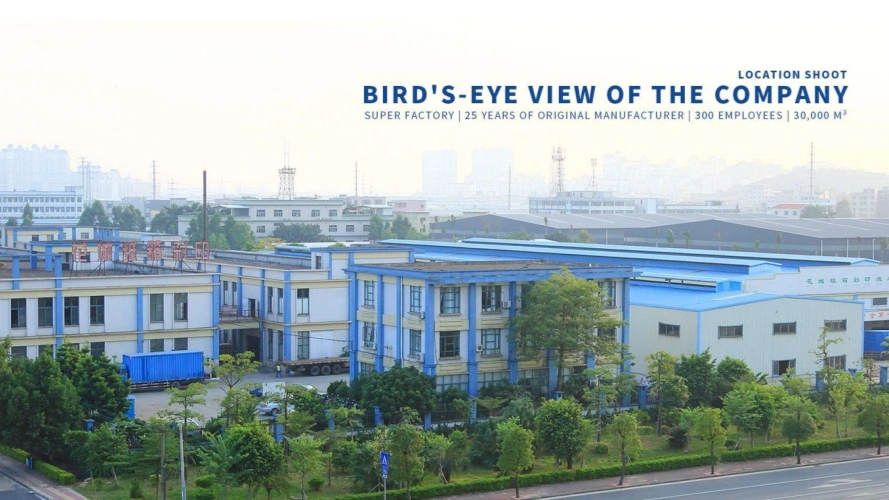
Our 50,000▦ manufacturing facility is state-of-the-art and has over 300 skilled workers who use high-tech production tools. With this infrastructure, we can handle projects of all sizes, from small custom orders to big production runs, with consistent quality and on-time delivery. Our ISO9001-2015 Quality Management System certification makes sure that all of our products meet very high levels of quality.
The dedicated R&D department has more than ten packaging engineers who help with everything from optimizing materials to designing structures and printing specs. These professionals work with clients to come up with package options that meet protection needs, cost goals, and sustainability goals while also helping brands stand out.
As part of our dedication to being environmentally friendly, we have FSC certification and follow the ISO14001-2015 Environmental Management System. These qualifications show that we are committed to using environmentally friendly manufacturing methods that support your CSR efforts without lowering the quality or performance of the products we make.
Are you ready to find out how our high-quality materials and skilled engineering can help your packaging work better? Email us at support@fetchingprinting.com to talk about your unique needs and look into solutions that are made to fit your business.
References
Smith, J. & Anderson, K. (2023). "Corrugated Packaging Materials: Performance Analysis and Selection Criteria." Journal of Packaging Technology, 45(3), 78-92.
Chen, L. et al. (2022). "Sustainable Corrugated Materials: Environmental Impact and Performance Comparison." International Packaging Research, 31(7), 234-251.
Williams, R. (2023). "Edge Crush Testing and Material Optimization for Shipping Containers." Packaging Engineering Quarterly, 18(2), 45-58.
Brown, M. & Davis, S. (2022). "Cost-Effectiveness Analysis of Corrugated Material Selection in E-commerce Applications." Supply Chain Packaging Review, 29(4), 112-127.
Thompson, A. (2023). "Advanced Corrugated Construction Techniques for Enhanced Durability." Materials Science in Packaging, 12(1), 23-37.
Garcia, P. & Lee, H. (2022). "Industry-Specific Requirements for Corrugated Packaging Materials." Professional Packaging Standards, 33(6), 89-104.