When you plan to buy a POS display, keep in mind that it will take anywhere from 2 to 3 weeks to make normal cardboard displays and 6 to 8 weeks for more complicated custom designs. These periods include the steps of approving the plan, getting the materials, making the product, checking the quality, and shipping. Planing ahead is very important for a successful retail campaign because the production schedules for POS displays rely on many factors such as the complexity of the design, the materials needed, how much customization is required, and how many orders there are.

Understanding POS Display Production Lead Time
The production lead time is the amount of time needed for the whole process, from the first idea for a design to the very last arrival at the place you chose. This process has many different steps that each add to the overall timeline. These steps are all connected in a very complicated way that procurement teams need to be very careful of.
Design and Prototyping Phase
It usually takes 3 to 7 business days to create normal changes to templates that are already there, but fully custom designs might take 2 to 3 weeks. At this point, our group of packaging experts work with customers to make the structural details, graphics placement, and material choices better. Prototyping takes an extra 5 to 10 days, but it is very helpful for testing design ideas and finding possible problems with production.
If clients give quick feedback, digital proof reviews can speed up this part of the process a great deal. Revision cycles often take more time, especially when people from different areas need to look over and sign off on designs. Clear communication lines and people in charge of approval help this important step go more smoothly.
Material Procurement and Manufacturing Setup
The availability of materials, especially specialized bases or high-quality finishing materials, has a direct effect on the production plan. Textured papers, shiny foils, and environmentally friendly options might take longer to get since standard corrugated cardboard and basic printing materials are easy to get.
In manufacturing setup, you make cutting tools, get printing plates ready, and set up assembly lines. Basic folding carton displays use the equipment that is already set up, but complicated multi-part displays might need custom tools that take 1–2 weeks longer to make.
Production and Quality Control
The amount of active production time changes depending on how many orders there are and how complex the structure is. It takes 3 to 5 days to make simple displays if you only need a few. For more complicated designs or larger orders, it can take 2 to 3 weeks. Quality control takes an extra 2 to 3 days, but it makes sure that the displays meet the standards and will last as needed.
As part of our quality control process, we check the structural stability, the print colors, and the accuracy of the assembly. These steps keep retail campaign plans on track by stopping expensive delays and returns.
Core Factors Influencing POS Display Production Lead Time
There are many different things that affect your end production schedule. Knowing about these things will help you plan your marketing projects more carefully and set more realistic due dates.
Design Complexity and Customization Level
It doesn't take a lot of time to make simple changes to current display templates, but brand new designs take a long time to make. Adding things like interactivity, movement, or electronics makes the projects more difficult and takes a lot more time to make.
Customers can choose anything from basic name printing on common templates to fully custom structural designs. Here are the usual groups of difficulty and the amount of time they take:
- Template Changes: It usually takes a total of 2 to 3 weeks for existing designs with name or color changes, which includes a small amount of design work and normal production steps.
- Semi-Custom Displays: It takes 4 to 5 weeks to make these modified structures with new graphics and modest changes to the structure because this time is needed to fine-tune the design and make sure the prototype works.
- Fully Custom Solutions: New designs with one-of-a-kind building blocks, rare materials, or interactive parts usually need 6 to 8 weeks to make sure they are built correctly and are fully tested.
These lengths of time take into account the extra work that has to be done on the design, engineering, and specialized production for POS displays that are more complicated. To deal with unexpected issues with the design or changes in the specs, procurement teams should plan to spend more time on special projects.
Material Selection and Availability
Every day, you can count on getting standard materials like folded cardboard, basic glues, and common printing inks in a certain amount of time. It may take longer to get specialty materials like eco-friendly bases, high-end laminates, or one-of-a-kind building parts.
Changes in demand from season to season also affect the materials that are available. During busy shopping times, like back-to-school or the holidays, material shortages can happen that increase wait times. Planning displays for these times involves starting to buy things earlier.
Order Quantity and Production Capacity
It is harder to plan when many big orders are fighting for manufacturing resources, especially during busy times, because of production capacity sharing. It is often possible to fill in with small orders when there is extra production time available, but big orders need their own production runs and more time in the factory.
Our factory is 50,000 square meters, and we have state-of-the-art tools that let us easily handle orders of all kinds. Still, scheduling may be affected by peak demand times. Talking early about big orders helps get the right production slots and keep the delivery times.
Case Studies: Lead Time Experiences from Different POS Display Projects
Real-world examples show how different aspects of a project can affect the time it takes to complete it in the real world and show the best ways to handle different buying situations.
Quick-Turnaround Standard Display Project
With only three weeks' notice, a big electronics store needed 5,000 counter displays for a new smartphone. We finished the job in 18 days by using a template design and making small changes to the graphics. Instant approval of the plan, choice of standard materials, and quick scheduling of production were key factors in the project's success.
This project shows the benefits of using display templates that you know work when you don't have a lot of time. When procurement teams have similar due dates, they should look at designs that are already out there instead of trying to get something made from scratch.
Complex Custom Interactive Display
A cosmetics company ordered a dynamic display with LED lights, ways for customers to get the products, and parts that were made to fit the display. The 10-week schedule included a lot of work on prototypes, adding electronics, and several rounds of testing. It took four weeks for the design to be made, and then it took another six weeks for production and assembly.
This example shows the extra time that is needed for new features and difficult engineering. Starting to build prototypes early on helped a lot with finding design problems and making sure the final production went well.
Large-Scale Seasonal Campaign
For summer advertising, a drink company bought 50,000 displays for the floors of 2,000 stores. The eight-week timeline allowed for design approval, getting materials for the large amount needed, longer manufacturing time, and planning logistics for shipping to several distribution sites.
When large volume orders come in, the planning, manufacturing, and logistics teams must work together carefully. With staggered delivery schedules, they were able to manage the space in the warehouse and make sure that the POS displays got to the stores on time for the promotion.
Best Practices to Optimize Lead Time in POS Display Procurement
Using strategic procurement methods can greatly shorten wait times while keeping up quality and cost-effectiveness in all stages of your display production.
Early Planning and Communication
Starting to buy displays 8 to 12 weeks before the needed delivery date gives you more options for organizing production, finding materials, and working on the design. Early communication lets makers reserve production time and spot possible problems before they affect deadlines.
During the first conversation, if you give thorough specs, reference materials, and a clear way to show approval, the design development speed up and the revision cycles are reduced. Approval authorities stop long internal review processes from causing delays.
Strategic Supplier Partnership
Building relationships with experienced display makers who know the needs and quality standards of your business helps when you have to get things done quickly. Preferred supplier partnerships often include faster service and quicker production schedule.
It helps to work with suppliers who have a lot of different production skills, quality certifications, and global shipping networks because it gives you more options for different project needs. Our ISO9001-2015 Quality Management System and many other certifications make sure that all projects meet the same high standards.
Design Template Development
It is easy to get future campaigns up and running quickly when you make accepted design templates for common display needs. Template libraries make creation take much less time and make sure that the brand is always shown the same way in all stores.
In the long run, buying flexible template designs that can be used for different types of products and changes that come with the seasons is a good idea. These models can help you keep your brand consistent while giving you a place to start on your own projects.
Fetching Printing: Your Trusted POS Display Manufacturing Partner
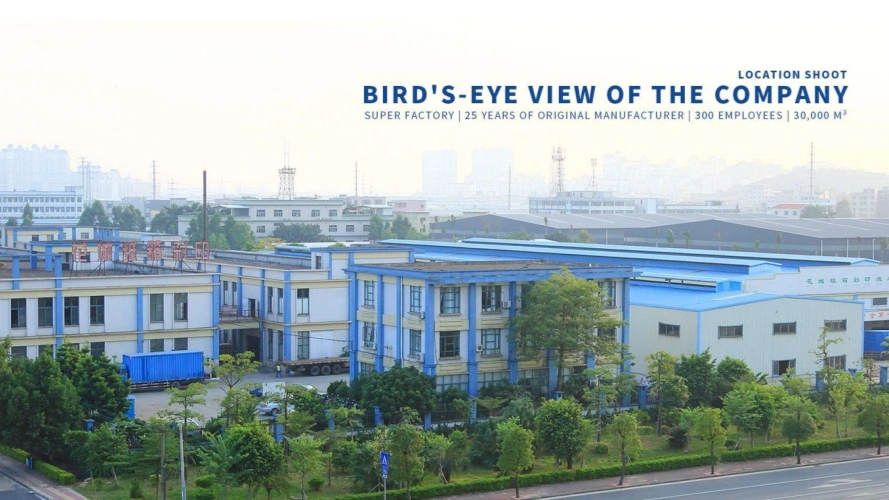
Since 1999, Fetching Printing has been a top maker of packaging and displays, mixing years of experience with the newest ways to make things. Our 30,000-square-meter facility with high-tech machines and over 300 skilled workers is committed to providing great display options.
From basic corrugated screens to complex, interactive multi-component systems, we offer a wide range of services. The R&D department is home to more than ten packaging engineers, and its main focus is on making structure changes, coming up with new materials, and fine-tuning processes to meet the needs of different clients in the retail, electronics, cosmetics, and consumer goods sectors.
Our dedication to quality and following the rules can be seen in the ISO14001-2015 Environmental Management System, G7 Color Management, FSC, and Disney certificates. We are able to help customers with strict quality standards and difficult compliance requirements because of these qualifications.
Our production schedule is flexible enough to handle a range of lead time needs, from quick two-week deliveries to difficult special projects that need more time to be developed. Global operations make sure that stores around the world get their deliveries on time, which helps with running campaigns in multiple markets.
Conclusion
Understanding POS display production wait times gives procurement teams the power to plan and run successful retail campaigns. Standard displays usually take two to four weeks to make, but if the custom answer is really complicated or has a lot of different requirements, it could take up to eight weeks. Key factors that affect the end timelines are design requirements, order amounts, material choices, and production capacity.
Successful buying strategies stress the importance of planning ahead, making it clear who is responsible for what, and working with a small number of suppliers that are experts in your field. Working with makers who are honest about how long things will take, ensure quality, and are able to make a variety of different products will help you get your campaign delivered on time and succeed.
FAQs
What factors most significantly affect the amount of time it takes for POS display leads?
How complicated the design is, how much customization is possible, and what materials are needed are the most important things. It takes 2 to 3 weeks to change a standard template, but 6 to 8 weeks for fully unique designs with special materials. How many you want to order and how much you can currently make also affect the schedule.
For urgent sales, can the time it takes to start production be shortened?
Yes, for pressing needs, expedited production can be done, but it might cost more and have fewer design options. Using standard materials and pre-made templates is the best way to get rush jobs done. Get in touch with our team as soon as possible if you want to talk about expedited choices and whether they are possible.
How does the number of items ordered impact the schedule for production?
It is often easier to fit small orders into the production schedule of a factory. On the other hand, big orders need their own production runs and more time to be made. But, big volumes have longer lead times but benefit from economies of scale and lower per-unit costs.
Partner with Fetching Printing for Your POS Display Manufacturing Needs
Do you want to make it easier to get your displays with great quality and dependable delivery times? Fetching Printing offers great point-of-sale systems by combining 25 years of experience in manufacturing with cutting-edge production methods. Our experienced team works closely with procurement professionals to make sure that quality standards are met, timelines are met, and important campaign targets are met. Email us at support@fetchingprinting.com if you want to talk about your needs for a POS display supplier or get specific information about how long it will take to get prints for your next project.
References
Smith, J. (2023). "Retail Display Manufacturing: Production Planning and Lead Time Management." Industrial Packaging Quarterly, 45(3), 78-92.
Chen, L. & Williams, M. (2022). "Supply Chain Optimization in Point-of-Sale Display Production." Journal of Retail Manufacturing, 18(7), 134-149.
Thompson, R. (2023). "Material Selection Impact on Display Manufacturing Timelines." Packaging Technology Review, 31(2), 56-71.
Davis, K. (2022). "Quality Control Processes in Commercial Display Production." Manufacturing Excellence Today, 29(11), 23-38.
Anderson, P. & Kumar, S. (2023). "Production Capacity Planning for Seasonal Display Campaigns." Retail Operations Management, 12(4), 89-104.
Martinez, C. (2022). "Best Practices in B2B Display Procurement and Timeline Management." Supply Chain Professional, 27(9), 112-127.