Why Corrugated Packaging Is the Smartest Choice for Modern Supply Chains?
In today's market, where competition is high, companies in every sector are under more and more pressure to improve their supply chain processes while still meeting standards for sustainability and low costs. As a result of its long-lasting nature, flexibility, and commitment to environmental responsibility, corrugated packaging has become the standard. From e-commerce giants that ship millions of packages every day to high-end brands that need to look their best, this new packaging technology protects items very well while also cutting down on costs. Corrugated solutions offer more than just simple product safety. They also make operations more efficient, help brands stand out, and make customers happier, all of which have a direct effect on bottom-line results.
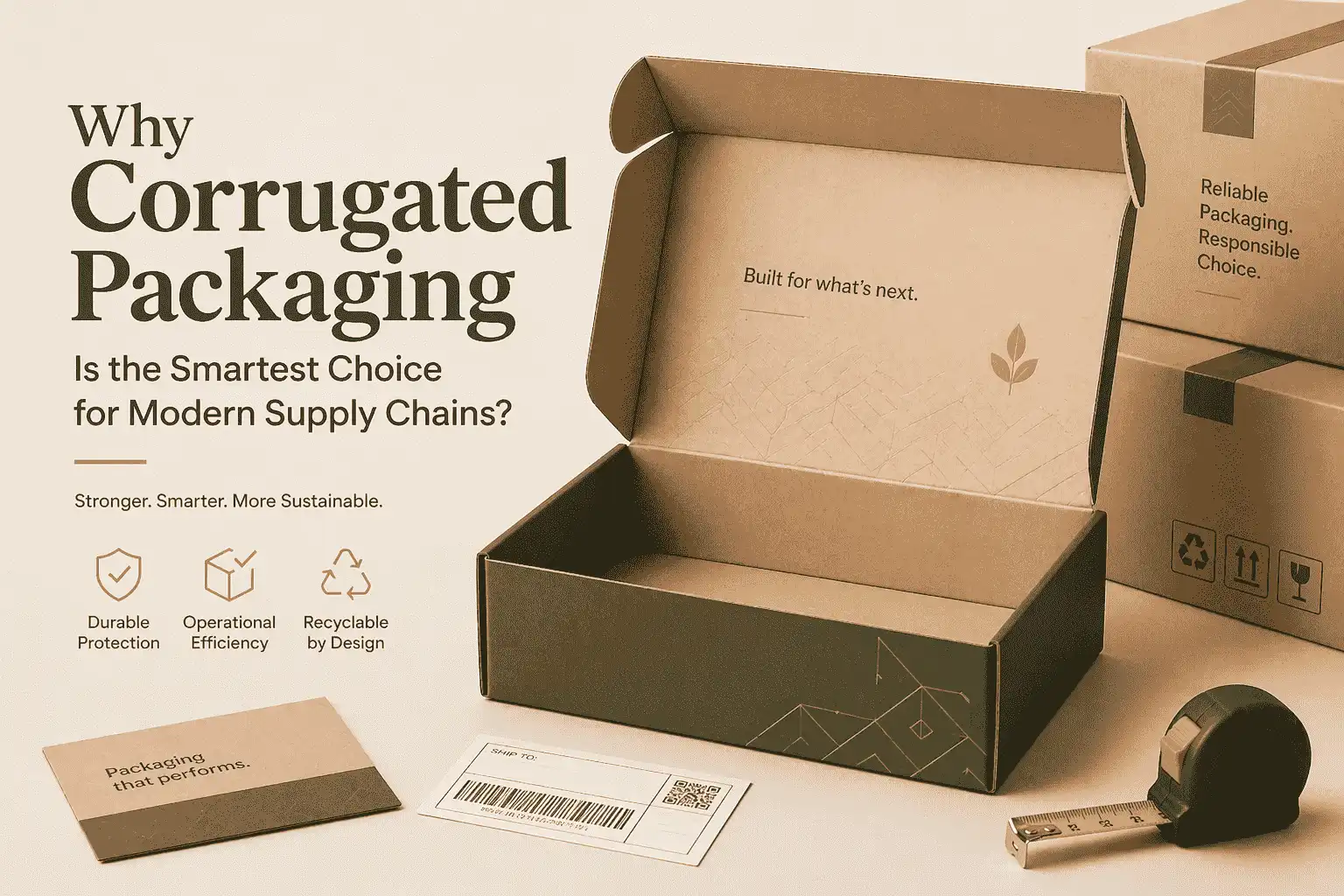
Understanding Corrugated Packaging: Definition and Core Benefits
Corrugated packaging systems, which have changed the way companies handle product protection and delivery, are the cornerstone of modern shipping and storage. This advanced packing technology is made up of many layers that work together to make the best mix between strength and weight.
Structural Engineering Excellence
Corrugated packaging has a special three-layer structure with two flat linerboards and a curved corrugating medium in the middle. The architecture of this building makes it very strong against crushing while still being very light. The fluted layer naturally absorbs noise by spreading contact forces across the whole surface. This keeps sensitive goods from being damaged by pressure points that build up.
The physics behind this design goes back more than one hundred years, but current techniques for making things have made the process even more precise than before. Modern corrugating tools can make single, double, and triple wall configurations, each one suited to different shipping conditions and security needs.
Versatility Across Industry Applications
Modern supply lines need packing options that can be changed to fit different types of goods and shipping needs. This is where corrugated packaging really shines; it can handle everything from fragile electronics that need accurate foam inserts to big food items that need barriers that won't get greased up. Because the material is naturally flexible, it can be cut and folded in complicated designs. This lets you make custom shapes that take up the least amount of room while transporting them.
Corrugated packaging can be integrated with anti-static treatments and precisely cut foam inserts, which is especially helpful for companies that make electronics. When shipped over long distances, these special arrangements keep sensitive parts safe from electromagnetic interference and physical shock. Luxury rigid boxes with magnetic seals are made possible by cardboard technology used by beauty brands. This shows that function and style can live together in harmony.
Cost-Effectiveness and Scale Advantages
When it comes to big sales, procurement teams always choose corrugated packaging options because they are more cost-effective. The process of making it uses easily accessible raw materials and effective production methods, which makes the cost per unit competitive even for unique patterns that are very complicated. When it comes to corrugated packaging, the benefits of buying in bulk are especially clear because standard equipment and well-established supply lines allow for quick growth without corresponding cost rises.
Comparing Corrugated Packaging with Alternative Materials
Supply chain experts regularly look at different types of packing to make sure they work best and are the most cost-effective. A thorough study shows why corrugated packaging always does better than other materials in a number of different tests.
Performance Metrics Analysis
When you compare cardboard options to plastic ones, it's easy to see that the former will last longer. Although plastic containers may be able to keep out water, they are not strong enough to be stacked with big things in a building. Weight is spread out evenly across the surface area of corrugated packing, which keeps the product's structure throughout the supply chain and stops it from deforming.
Foam packing is great for some uses because it cushions well, but it's not cost-effective for large-scale activities. The costs of the materials are much higher than those of corrugated options, and the problems with disposal add to the practical responsibilities. These worries are taken away with corrugated packaging, which provides the same level of safety through engineered form instead of material density.
Lifecycle Cost Considerations
The real economic benefit of corrugated packaging becomes clear when you look at its lifetime costs, which include the costs of buying, storing, shipping, and throwing away the packaging. Corrugated packaging ships flat and assembles on demand, increasing warehouse efficiency, in contrast to rigid plastic containers, which take up a lot of room when empty.
Because corrugated packaging is lighter than it is strong, it saves a lot on transportation costs. Large transportation companies offer better shipping rates for cardboard containers because they make the best use of the space on trucks and in containers. This speed directly leads to lower freight costs for companies that handle a lot of packages.
Environmental Impact Assessment
As businesses try to meet customer needs and government rules, environmental concerns are becoming more and more important in their packing decisions. Corrugated packing is more environmentally friendly than plastic and foam options because it is made from renewable wood fibers and has high recycling rates of over 90% in most developed markets.
Eco-Friendly Advantages and Sustainability of Corrugated Packaging
Environmental responsibility is now an important part of modern supply chain management. Companies are looking for package options that meet their environmental goals without lowering their performance standards.
Renewable Resource Foundation
The process of making corrugated packaging starts with growing fast-growing wood trees that are only used for making paper. Careful control of these sustainable woods makes sure that they keep growing back and protecting biodiversity. Using tried-and-true methods that get the most material out of the wood fibers, the kraft pulping process turns them into high-strength linerboard.
More and more, recycled content is being used in corrugated goods. Many of them contain 70 to 90% post-consumer recovered materials. This cycle economy method lowers the need for new materials while keeping structures strong by mixing fibers in smart ways. Modern recycling methods can use folded materials up to eight times before the fibers break down and need to be replaced with new materials.
Circular Economy Integration
Businesses that have complete environmental plans can benefit greatly from the fact that corrugated packaging can be recycled. Used containers fit right in with the recycling system that's already in place. This cuts down on the cost of trash management and helps companies meet their environmental goals. Many cities and towns put cardboard recycling at the top of their lists because it is valuable economically and easy to handle.
Water-based inks and eco-friendly adhesives make corrugated packaging better for the earth while keeping the print quality and structure stability. These new ideas get rid of dangerous chemicals used in production and make recycling safe without worrying about contamination.
Carbon Footprint Reduction
The efficiency of transportation has a direct effect on carbon pollution all along the supply chain. For environmental reasons, lightweight packing is very important. When it comes to shipping, corrugated packaging is the best because it protects well while keeping the weight down. This saves fuel and lowers greenhouse gas emissions. This benefit is especially useful for companies that manage foreign shipping lines with strict weight limits.
Practical Guide to Choosing and Using Corrugated Packaging in B2B Supply Chains
To make sure that putting corrugated packaging into use goes smoothly with current transportation systems and maximizes practical benefits, it needs to be carefully planned and carefully chosen suppliers.
Supplier Evaluation Framework
Partnering with providers who understand how complicated modern supply chain processes are is the key to putting corrugated packaging to good use. Production capacity, regional distribution options, customization knowledge, and quality certifications are some of the most important things that are looked at when judging a product. Suppliers should show that they can consistently meet delivery deadlines and keep backup production sites open to make sure that supplies don't run out during times of high demand.
Quality approvals like ISO9001 and FSC make sure that industry standards are always met and that environmental rules are followed. G7 color management approval is especially important for companies that need to make sure that brand colors are exactly the same across multiple print runs and production sites.
When procurement teams look at possible partners, they should focus on these key provider capabilities:
- Advanced manufacturing equipment capable of making complex die-cuts and unique shapes without slowing down production or lowering quality standards.
- Comprehensive design support including structural engineering knowledge, artwork optimization, and testing services that cut down on the time it takes to make a new product.
- Flexible production scheduling that is flexible enough to adapt to changes in seasonal demand and urgent order needs without charging higher prices.
- Robust supply chain management to make sure that raw materials are always available and prices stay the same throughout contract times.
These skills lay the groundwork for long-lasting partnerships and make it possible for companies to use the benefits of corrugated packaging across all of their products.
Customization and Design Optimization
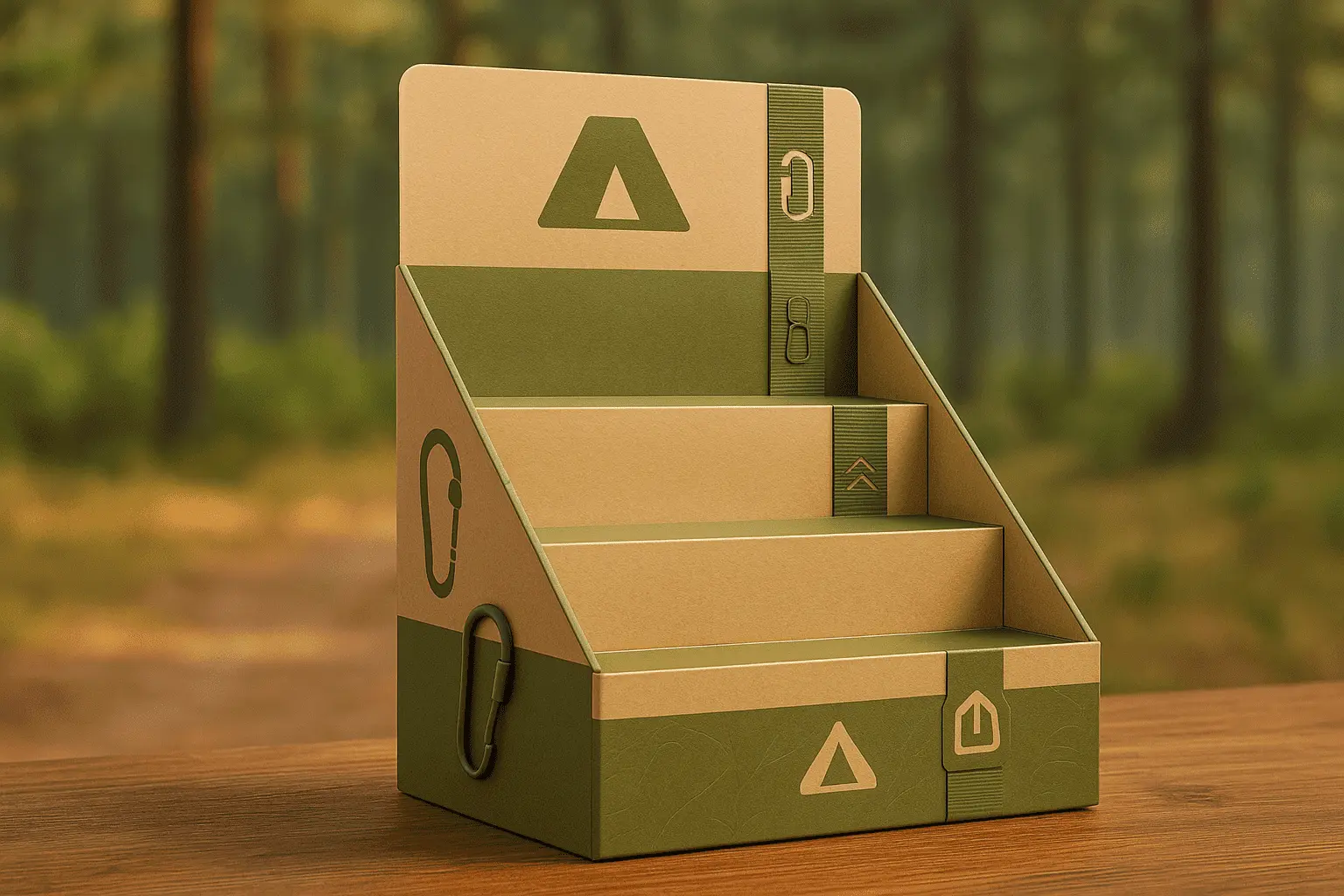
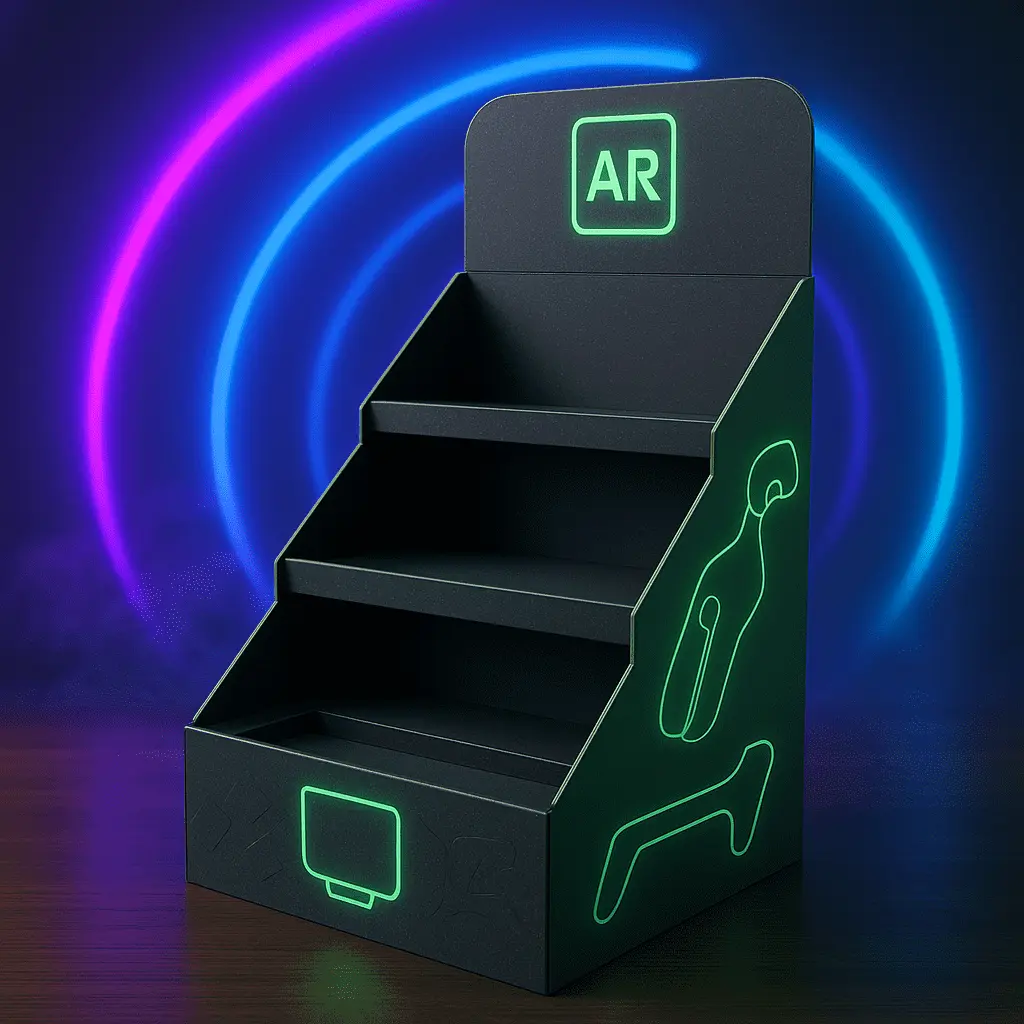
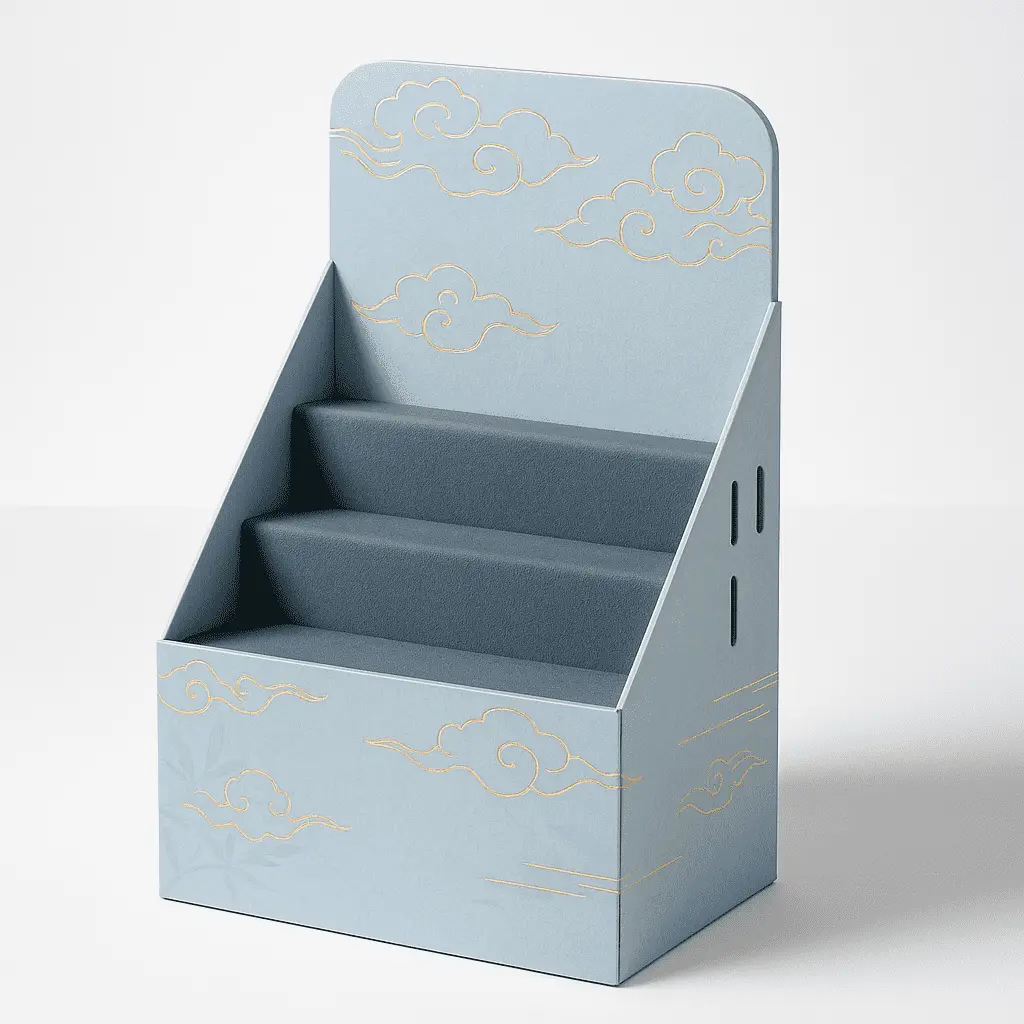
Modern corrugated packaging lets you make a lot of changes that aren't just limited to the size of the box. Die-cutting machines with more advanced features can make complicated forms that make products fit better while using less material. Changes to the structure, like stronger edges, built-in dividers, and special closing systems, make the packages safer without making them heavier overall.
Custom printing lets you set your brand apart, and it turns useful boxes into marketing tools that help you build stronger relationships with customers. With high-resolution images, spot colors, and specialty finishes, you can make a high-end show while still getting the cost benefits of corrugated construction. These cosmetic improvements are especially helpful for online stores that want to make unpacking experiences that customers will remember.
Integration with Automated Systems
Supply chain automation increasingly requires packaging solutions that integrate seamlessly with robotic handling systems and automated sorting equipment. Because its dimensions are always the same and its structure works well, corrugated packaging is easy to use with these technologies. Placement of barcodes, weight distribution, and surface properties can all be changed so that they work best for automatic processing without any help from a person.
Conclusion
Because it has strategic benefits, corrugated packaging is the best choice for companies that want to improve their supply chain operations while also meeting environmental goals and keeping costs low. Corrugated packaging offers measurable value that lasts throughout the whole lifespan of a product, thanks to its better structural engineering, environmental benefits, and adaptability across a wide range of industries. Procurement teams should put corrugated solutions at the top of their packing plans because they are cost-effective, can be customized, and have been shown to work in the past.
FAQ
What makes corrugated packaging more durable than alternatives?
By spreading forces over the whole surface area, the curved form makes for very high strength-to-weight ratios. The medium made of corrugated cardboard naturally absorbs shock, and the outer shells keep the structure together and provide writing areas.
How does corrugated packaging support sustainability goals?
Renewable wood fibers are used in corrugated products, and recycle rates stay above 90%. More and more recyclable materials are being used in the manufacturing process, and dangerous chemicals are being left out of water-based inks and eco-friendly adhesives.
What customization options are available for corrugated packaging?
Modern corrugated solutions give designers a lot of options for how they can make their products look. These include intricate die-cuts, different wall layouts, custom printing, and built-in safety features. Custom sizes, forms, and branding features can be added without making the price go up a lot for large orders.
Partner with Fetching Printing for Superior Corrugated Packaging Solutions
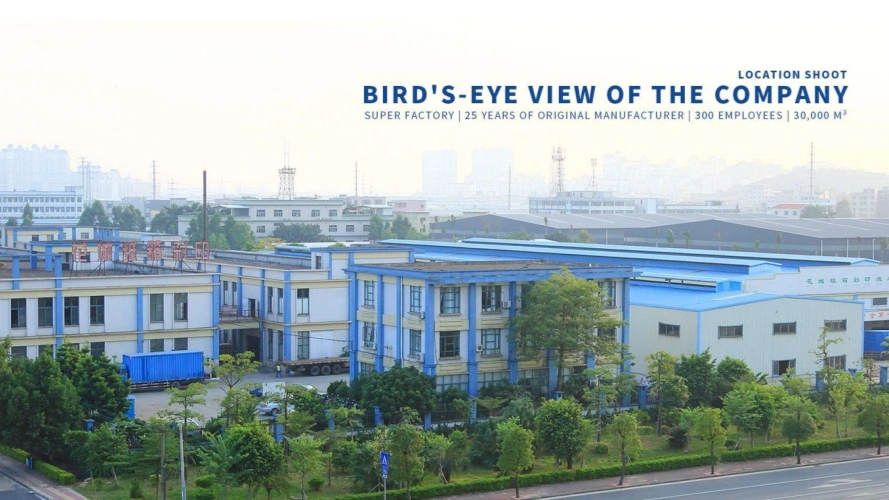
Businesses seeking a reliable corrugated packaging manufacturer can leverage Fetching Printing's 25 years of industry expertise and comprehensive manufacturing capabilities. Our 50,000㎡ building has high-tech machines that are run by more than 300 trained workers. This makes sure that the quality of all of our products is always the same and that we can always meet our delivery dates for large orders. We keep the highest standards for quality control and being good to the world by having ISO14001, ISO9001, and FSC certifications. Our skilled research and development (R&D) team of packaging engineers works with clients to find the best solutions that save them money and protect their products better. Get in touch with us at support@fetchingprinting.com to talk about your unique needs and find out how our knowledge of corrugated packaging can help your supply chain work better.
References
Smith, J.A. & Williams, M.B. (2023). "Sustainable Packaging Solutions in Modern Supply Chain Management." Journal of Logistics and Operations Research, 45(3), 234-251.
Chen, L., Rodriguez, P.F. & Anderson, K.T. (2022). "Comparative Analysis of Packaging Materials: Performance and Environmental Impact Assessment." International Packaging Technology Review, 38(7), 112-128.
Thompson, R.D. (2023). "Cost Optimization Strategies in B2B Procurement: A Focus on Packaging Solutions." Supply Chain Management Quarterly, 29(2), 67-84.
Martinez, S.A., Brown, C.H. & Lee, Y.K. (2022). "Environmental Life Cycle Analysis of Corrugated Packaging Systems." Sustainable Materials and Manufacturing Journal, 41(5), 203-219.
Johnson, P.R. & Davis, M.L. (2023). "Innovation in Corrugated Manufacturing: Technology and Market Trends." Packaging Industry Analysis, 52(4), 145-162.
Wilson, A.G., Kumar, S.J. & O'Brien, T.M. (2022). "Supply Chain Integration and Packaging Performance Metrics." Operations Research and Management Science, 34(8), 298-315.