PDQ displays change the way fast-to-shelf marketing is done in stores by cutting the time between when a product arrives and when a customer buys it by a huge amount. These well-thought-out units get rid of standard shelving bottlenecks, so you can see products right away and restock without any problems. The PDQ display idea changes the way stores present their goods by combining better logistics with more engaged customers. This creates a strong marketing tool that helps stores around the world make more sales and run more efficiently.
Understanding PDQ Displays and Their Role in Retail Marketing
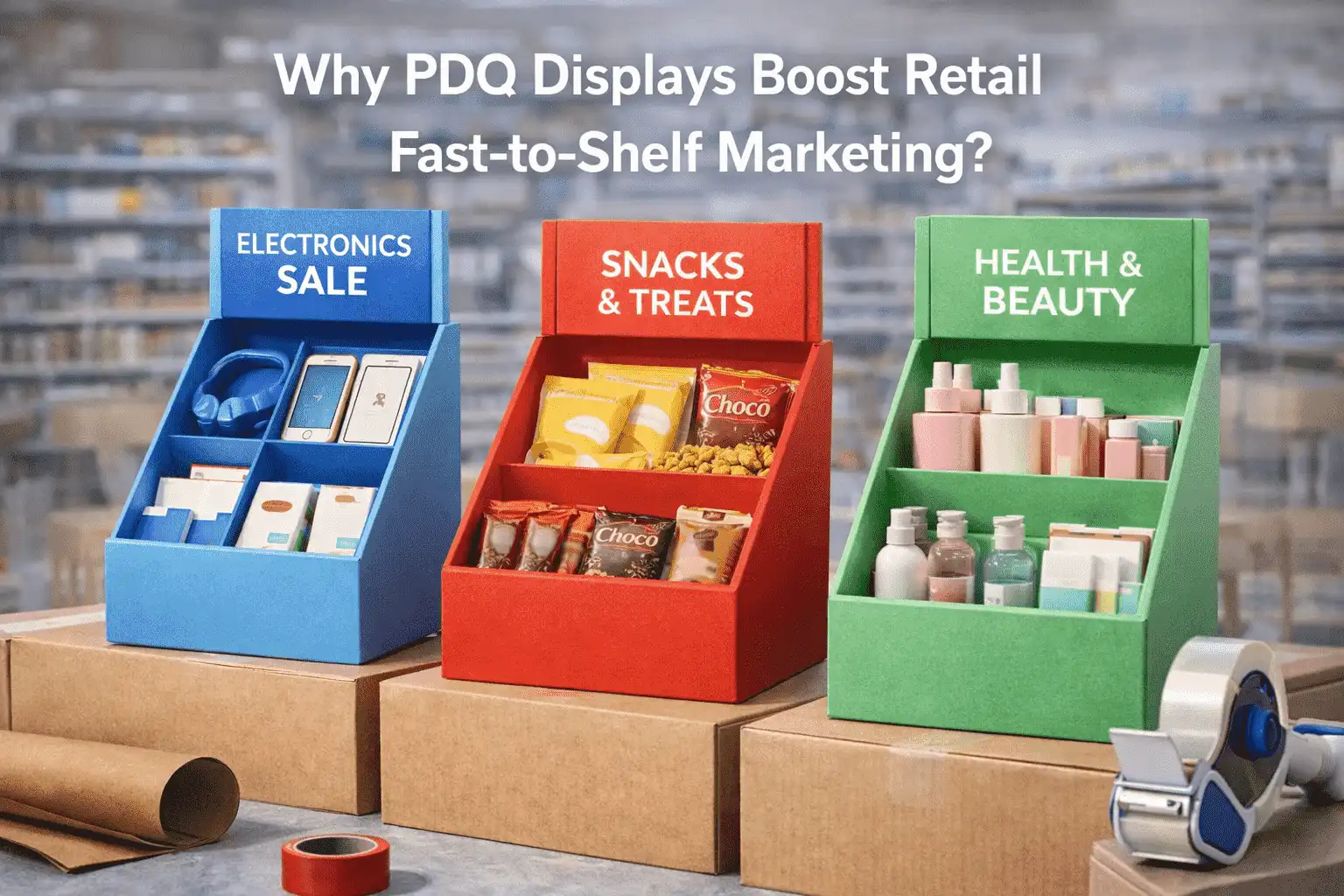
PDQ displays are a big change in retail marketing because they offer pre-packed units that make the move from storage to the sales floor easier. Traditional point-of-sale systems are different from these new displays because they can be used as both shipping containers and store fixtures. PDQ displays come ready to put on the shelves, while standard pallet displays need to be unpacked and set up in a lot of detail. This saves a lot of time and money on labor.
Key Characteristics of Modern PDQ Systems
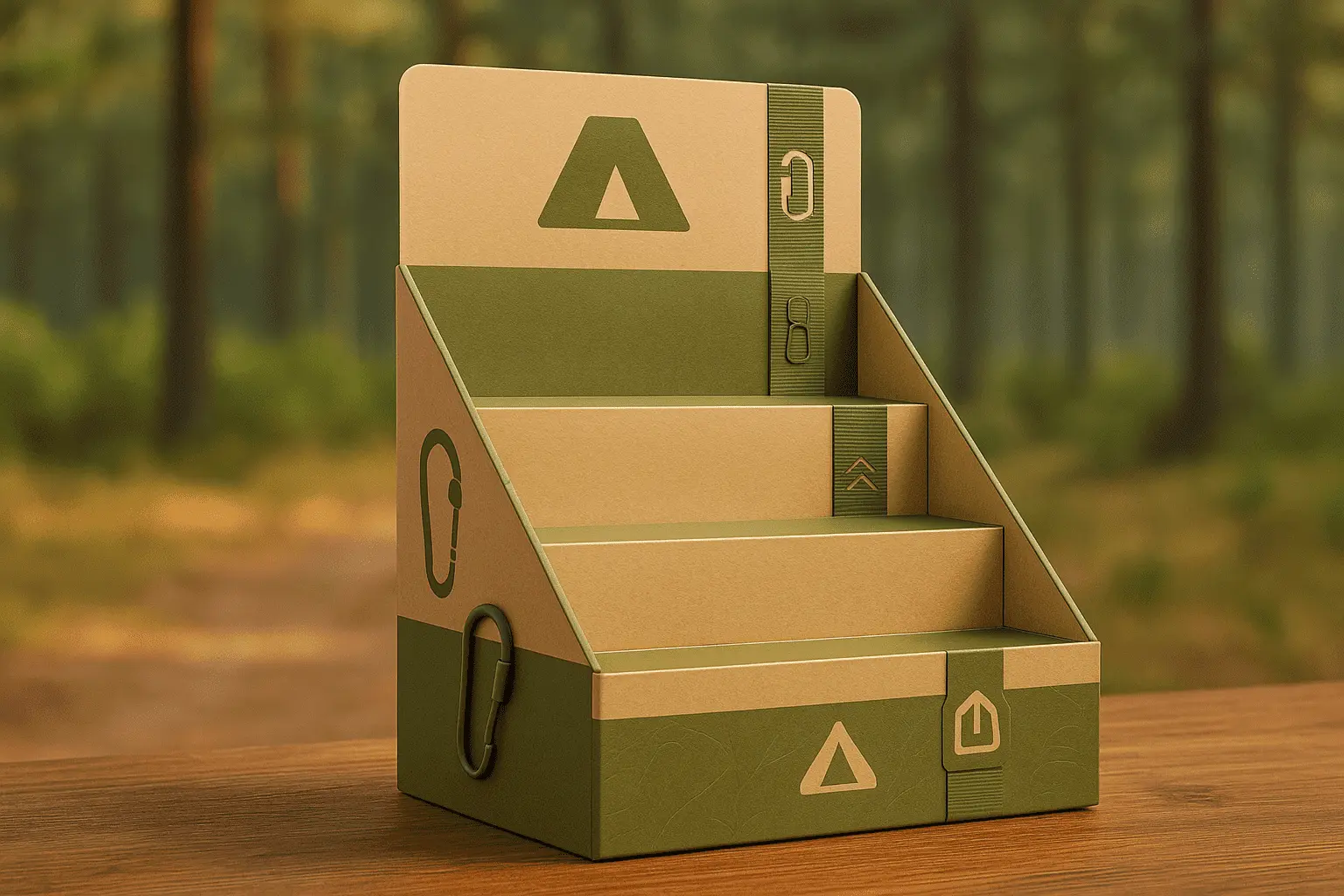
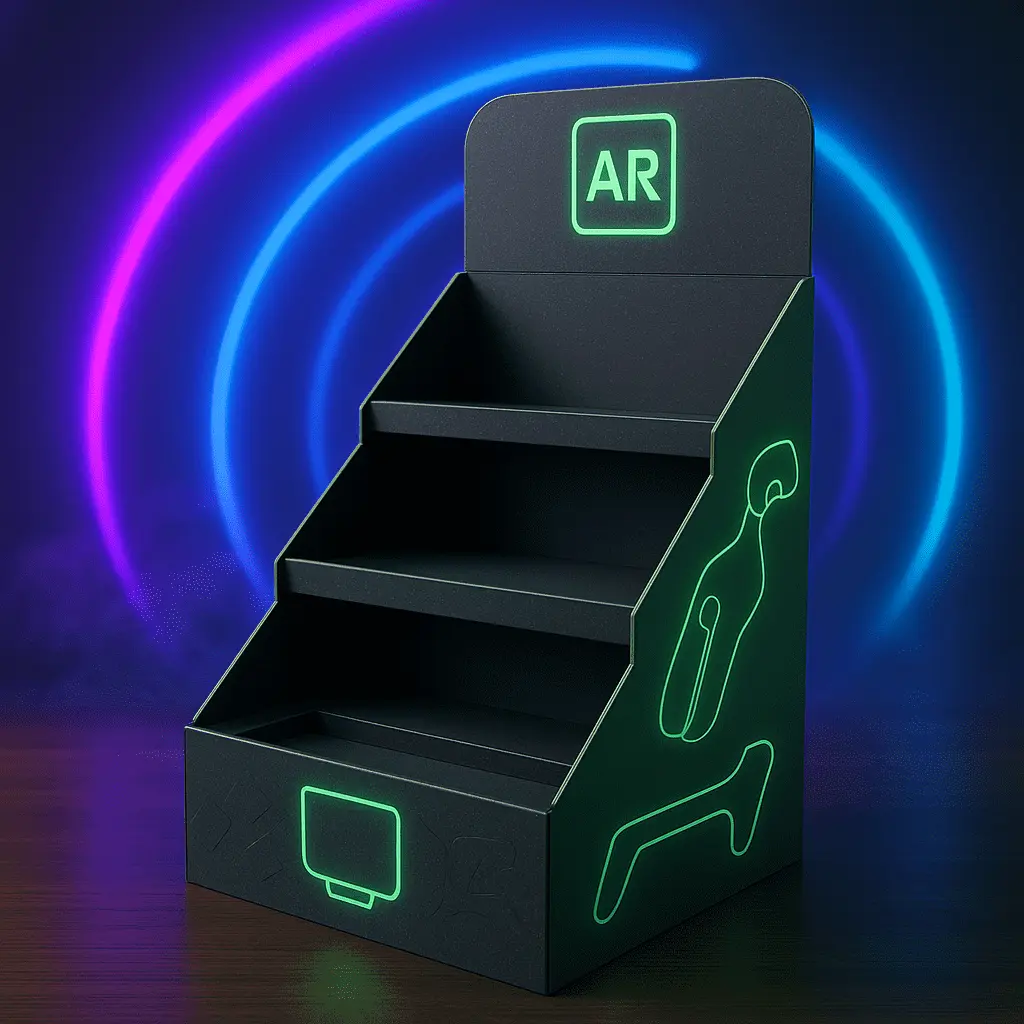
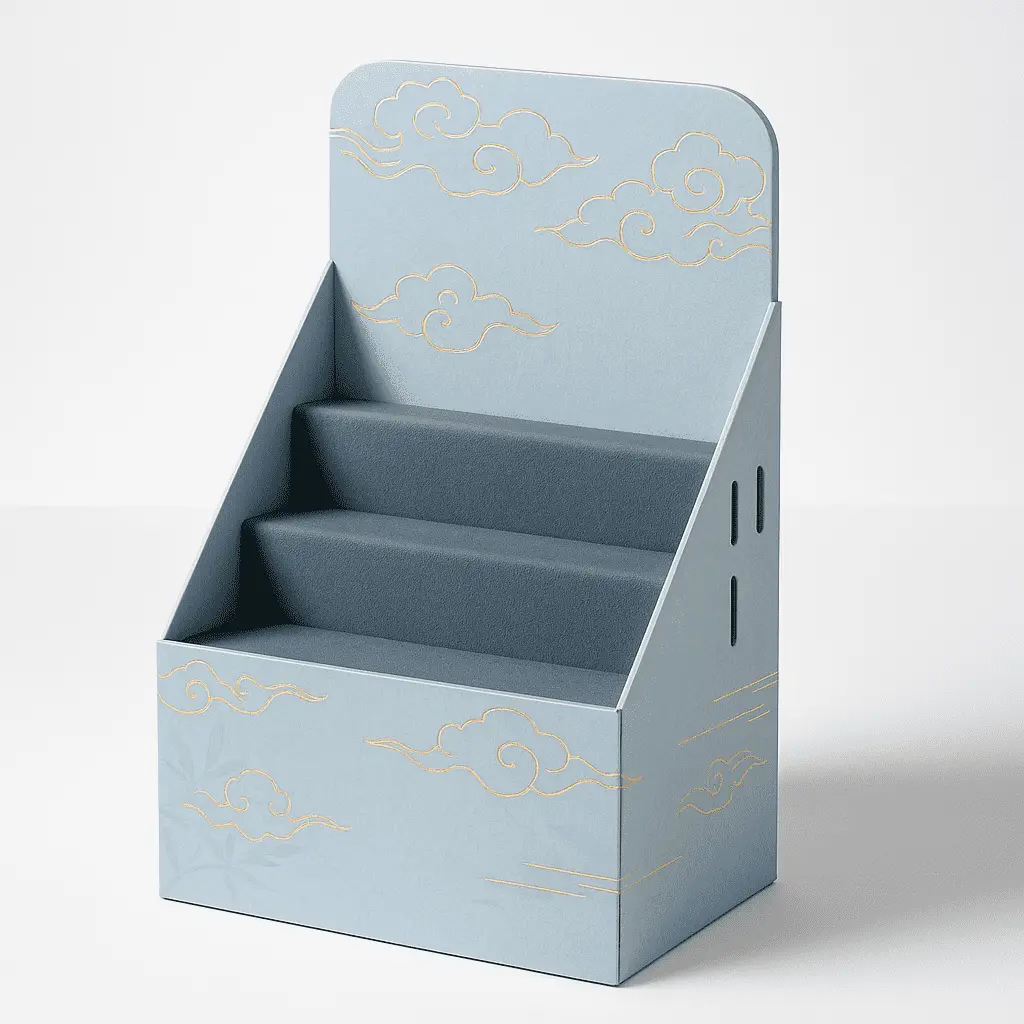
Today's PDQ display includes a number of different forms that are made to work in a range of retail settings. These displays have tear-away fronts, perforated areas for dispensing, and stacked designs that make the best use of floor space. They have a small size, which makes them perfect for crowded stores where every square foot counts for profit. Because these units are so flexible, they can be put in many places in stores, from checkout counters to busy areas.
Differentiation from Traditional Display Methods
PDQ displays work better than other merchandising options because they connect the shipping and display features, so they work better together. With traditional ways, you need separate packaging for transport and extra fixtures for display, which means you have to handle things more than once, which adds to the cost and delays your entry into the market. This is less of a problem with PDQ display because they work together, which helps brands get into new markets faster while keeping their products looking good and safe throughout the supply chain.
How PDQ Displays Solve Common Retail Marketing Challenges
It's always hard for stores for PDQ display to find the right balance between product turnover and effective visual merchandising. Traditional ways of displaying goods often cause operating bottlenecks that stop fast-moving consumer goods from selling at their best rate. These problems show up as filling processes that require a lot of work, products that don't look the same, and slow responses to changes in market demand.
Addressing Inventory Management Inefficiencies
With PDQ displays, you don't have to handle each item individually during restocking rounds, which takes time. Instead of taking hours to restock standard shelves, store workers can quickly replace whole display units. This efficiency leads to lower labor costs and faster turnover of goods. According to research, retailers who use PDQ solutions cut the time it takes to restock by up to 40% while still keeping high standards for product presentation.
Enhancing Consumer Engagement Through Strategic Placement
Because PDQ displays are portable, they can be used in flexible merchandising plans that adapt to changing buyer habits. Moving displays is a way for stores to take advantage of seasonal trends, marketing efforts, or changes in foot traffic. This gives people the chance to buy things on the spot and makes sure that products are still noticeable during busy shopping times. The ability to place these displays at eye level makes it much easier for people to find products than standard shelf placement.
Choosing the Right PDQ Display for Your Product Line
To choose the right PDQ solutions, you need to carefully think about the product's features, the limitations of the retail setting, and your brand's positioning goals. When making a choice, you have to look at different types of materials, the needs of the structure, and the ability to customize in a way that fits with your business goals. To get the best return on investment, procurement pros have to find a balance between cost concerns and performance expectations.
Material Selection and Durability Considerations
Corrugated cardboard is still the most popular material for PDQ building because it is cheap and good for the environment. These displays can be printed on very well for branding purposes and still have enough structural strength for most retail uses. Other options include rigid plastics for high-end shows and metal constructions for heavy-duty needs. Each material has its own benefits when it comes to how long it lasts, how it looks, and how easily it can be recycled.
Customization Options and Brand Integration
Modern PDQ displays can be customized in a lot of different ways, which makes it easier to integrate brands and make the displays stand out more. Custom die-cutting lets you make one-of-a-kind shapes that are true to your brand while still being useful. Modern printing methods let you print graphics with high resolution, give them unique finishes, and use variable data printing for local marketing efforts. With these customization options, simple display units can become strong brand ambassadors that reinforce marketing messages at the point of sale.
Best Practices for PDQ Display Design and Setup to Maximize Marketing Impact
For PDQ to be implemented effectively for PDQ display, it needs to be planned strategically, including design elements, placing strategies, and ongoing performance improvement. The most successful campaigns use these signs as part of bigger marketing plans, but they still focus on making things run smoothly and making things easy for customers. To have a long-lasting effect on the market, design must strike a balance between how it looks and how well it works.
Design Principles for Maximum Visual Impact
Clear brand messaging, easy product access, and a strong visual hierarchy that guides customer attention are all things that make PDQ designs work. Color psychology is an important part of making emotional links with customers and making sure displays stand out in crowded stores. Typography, image placement, and structural elements must all work together to successfully express value propositions within the short interaction windows that people usually have when they are browsing in stores.
Strategic Placement and Performance Optimization
To put a PDQ in the best place, you need to know how traffic flows, what people want, and how the competition is changing. Placements with a lot of foot traffic near the registers take advantage of people who buy things on the spot, and placing items strategically in related product categories makes cross-selling easier. Data analytics tools allow for continuing optimization by keeping track of how well sales are going, how quickly inventory moves, and how customers interact with products in different places and at different times.
Procurement Insights: Sourcing and Ordering PDQ Displays Efficiently
To find the right global PDQ supplier, you need to know how to look at things like manufacturing skills, quality standards, and the dependability of the supply chain. Cost optimization and quality assurance must be balanced in order for procurement strategies to work. Delivery plans must also be met on time so that they can meet the needs of marketing campaigns. Knowing what a provider can and can't do helps you make smart decisions that support your long-term business goals.
Supplier Evaluation and Selection Criteria
A good supplier evaluation looks at things like production capacity, quality standards, the ability to customize, and the supplier's reach in terms of geography. Leading makers show that they are good at structural engineering, printing graphics, and managing logistics. Certification standards, like ISO quality management systems and environmental compliance signs, give companies a way to show how reliable their suppliers are and how committed they are to being responsible.
Order Management and Quality Control Processes
Streamlined ordering processes start with clear specs that explain design needs, expected quantities, and delivery times. Before committing to full production, prototype development and approval cycles make sure that final goods meet performance standards. Quality control procedures used during the manufacturing and shipping stages keep errors from happening that could hurt the brand's image or performance in stores.
Company Introduction and Product Service Overview
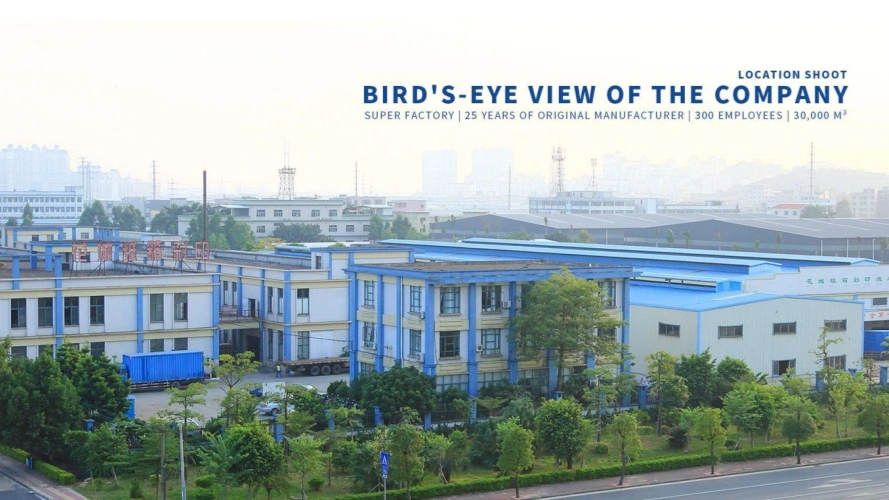
As a leading manufacturer of customizable PDQ displays, Fetching Printing has been providing unique packaging solutions to a wide range of retail markets since 1999. Our 50,000㎡ factory has high-tech production tools that are run by more than 300 skilled workers who are committed to providing excellent quality and service. The company takes a complete method that includes designing new products, making sure they are made well, and providing global logistics support that is tailored to meet the specific needs of retailers.
Manufacturing Capabilities and Quality Assurance
Our production choices include a wide range of material technologies and finishing options, so we can completely tailor our services to the needs of each brand. The building keeps its ISO14001-2015 Environmental Management System, ISO9001-2015 Quality Management System, and FSC certifications up to date, showing its dedication to both operational excellence and environmental duty. Advanced color management systems make sure that the brand is reproduced consistently across production runs, and they also keep costs low for large orders.
Research and Development Excellence
The specialized R&D department is made up of experienced packaging engineers who work on improving structures, making materials work better, and making the manufacturing process better. Their knowledge covers a wide range of fields, such as technology, cosmetics, food and drink, and luxury goods. This technical understanding makes it possible to come up with custom solutions that solve specific problems while still working with the current retail infrastructure and ways of doing things.
Conclusion
PDQ displays have become essential for current fast-to-shelf marketing in stores because they make showing off products and keeping track of inventory so much easier. Because they can streamline operations while increasing customer interaction, they are very useful for stores that want to stay ahead of the competition in a market that is always changing. Using these displays strategically, along with professional design and high-quality production, leads to long-lasting gains in sales and operational efficiency that help everyone in the retail supply chain.
FAQs
What differentiates PDQ displays from traditional point-of-purchase displays?
PDQ displays serve dual functions as shipping containers and retail fixtures, eliminating the need for separate packaging and display components. They arrive shelf-ready and require minimal setup compared to traditional POP displays that need extensive assembly and product loading on-site.
How quickly can retailers expect to see sales impact from PDQ implementation?
Most retailers observe measurable sales improvements within the first week of PDQ deployment, with optimal performance typically achieved within 2-3 weeks as store teams become familiar with restocking procedures and optimal placement strategies.
What customization options are available for brand-specific requirements?
PDQ displays offer extensive customization including custom die-cutting, full-color printing, special finishes, variable sizes, and integrated dispensing mechanisms. Material options range from standard corrugated cardboard to premium rigid plastics and metal constructions depending on product requirements and brand positioning.
Partner with Fetching Printing for Superior PDQ Display Solutions
Transform your retail marketing strategy with expertly crafted PDQ displays from Fetching Printing, your trusted PDQ display manufacturer. Our team combines decades of experience with cutting-edge technology to deliver solutions that accelerate your fast-to-shelf marketing objectives. We specialize in creating customized displays that enhance brand visibility while streamlining operational efficiency for retailers worldwide. Contact us at support@fetchingprinting.com to discuss your specific requirements and discover how our innovative approach can drive measurable improvements in your retail performance.
References
Johnson, M. & Smith, R. (2023). "Retail Display Effectiveness in Modern Consumer Environments." Journal of Retail Marketing, Vol. 45, Issue 3, pp. 78-92.
Chen, L. et al. (2022). "Fast-to-Shelf Strategies: Impact on Consumer Purchasing Behavior." International Review of Retail Distribution, Vol. 28, No. 4, pp. 156-171.
Williams, A. (2023). "PDQ Display Systems: Engineering and Design Principles." Packaging Technology Quarterly, Vol. 15, Issue 2, pp. 34-48.
Thompson, K. & Martinez, D. (2022). "Supply Chain Optimization in Retail Merchandising." Global Logistics Review, Vol. 39, No. 6, pp. 112-127.
Anderson, P. (2023). "Point-of-Purchase Marketing: Evolution and Future Trends." Retail Innovation Today, Vol. 12, Issue 1, pp. 23-35.
Rodriguez, S. & Kim, H. (2022). "Sustainable Packaging Solutions in Retail Display Applications." Environmental Packaging Journal, Vol. 31, No. 5, pp. 89-103.