Are Corrugated PDQ Displays Fully Recyclable?
When made with the right materials and design considerations, corrugated PDQ displays are indeed completely recyclable. Because of their fiber-based composition, these retail-ready display units, which are mostly made of corrugated cardboard, have tremendous potential for recycling. However, a number of crucial elements, such as the kind of adhesives used, the printing inks used, and any extra coatings or laminations added during manufacture, affect how completely recyclable a PDQ display is. These displays are naturally sustainable packaging options for retailers and companies looking for eco-friendly point-of-purchase materials since the majority of the corrugated cardboard used in them already includes 70–90% recycled content.

Understanding Corrugated PDQ Displays and Their Recycling Potential
In contemporary retail settings, corrugated PDQ displays provide a clever fusion of sustainability and usefulness. Corrugated cardboard, a material known for its remarkable recycling qualities and structural durability, serves as the main substrate for our Pretty Darn Quick displays.
Material Composition and Recyclable Components
The material composition is the cornerstone of every recyclable corrugated display. Depending on the structural needs of the display, high-quality corrugated cardboard usually comprises of many layers of paper-based materials, such as an exterior liner, inner fluting, and additional liners. The cellulose fibers used to make these parts are recyclable even after going through many processing steps.
As shown by the fact that modern corrugated materials often include 70% to 90% recycled content, the circular economy is already deeply embedded in the packaging industry. With a recycling rate of around 96% in commercial applications, corrugated packaging is one of the most efficiently recycled materials in the packaging business, according to the Fiber Box Association.
Industry Standards and Certification Requirements
Recycling guidelines for corrugated displays are set by a number of important organizations. The Forest Stewardship Council (FSC) certification ensures that fiber suppliers follow sustainable forestry practices, while the Sustainable Packaging Coalition provides suggestions for enhancing end-of-life processing. These certifications may be used by procurement professionals to verify that the displays they have chosen satisfy corporate environmental objectives.
The Corrugated Packaging Alliance has developed standards for evaluating recyclability with a focus on fiber quality, processing compatibility, and contamination levels. These recommendations provide manufacturers and consumers accurate metrics to assess how their packaging choices affect the environment.
Common Recyclability Challenges
Despite the fact that corrugated materials are naturally recyclable, a variety of design features may make recycling more difficult. Plastic laminations, metallic foils, non-water-based adhesives, and certain UV-cured inks may all obstruct normal recycling processes. Procurement teams may specify suitable materials during the design process by being aware of these restrictions.
Recyclability may also be impacted by contamination from oils, food residues, or other materials. For displays used in food service applications, barrier coatings and their compatibility with recycling streams need to be carefully studied.
Environmental Benefits of Using Fully Recyclable Corrugated PDQ Displays
Beyond only reducing trash, using recyclable corrugated displays offers other environmental advantages. These benefits include resource conservation, reducing carbon emissions, and adhering to more stringent environmental regulations.
Carbon Footprint Reduction and Lifecycle Benefits
Corrugated cardboard displays produce far less carbon emissions than equivalents made of plastic, metal, or composite materials, according to lifecycle assessment studies. A closed-loop system that reduces environmental impact is produced by the regenerative nature of fiber-based materials and effective recycling procedures.
The Environmental Paper Network found that recycled corrugated materials take 75% less energy to produce than virgin materials. Through the reduction of greenhouse gas emissions throughout the supply chain, this energy efficiency instantly meets corporate climate commitments and sustainability reporting criteria.
Regulatory Compliance and CSR Alignment
Businesses are encouraged to give recyclable materials first priority in their packaging strategy under the Resource Conservation and Recovery Act of the U.S. Environmental Protection Agency. According to PDQ display, European markets are subject to more stricter regulations, since the Packaging and Packaging Waste Directive of the European Union stipulates certain recycling goals for corrugated materials.
Employing totally recyclable screens allows businesses to promote larger CSR projects while more readily demonstrating compliance with these rules. Recyclable displays are becoming a business benefit rather than just an environmental factor since many large retailers demand that suppliers adhere to strict sustainability standards.
Waste Stream Optimization
The current commercial recycling infrastructure easily incorporates recyclable corrugated displays. Unlike mixed-material displays that must be separated or go through special processing, corrugated units may be collected with other paper items, which reduces handling costs and improves recycling efficiency.
Practical Guide: How to Ensure Your Corrugated PDQ Displays Are Fully Recyclable
Complete recyclability requires careful consideration of end-of-life planning, material selection, and design criteria. To optimize the environmental advantages of their display investments, procurement managers may use a number of tactics.
Design and Material Specifications
Water-based adhesives are the industry standard for creating recyclable displays. These adhesives break down throughout the recycling process without contaminating the fiber stream or interfering with the equipment used to produce paper. Similarly, soy and vegetable-based printing inks support recycling objectives while maintaining print quality.
Unless they are absolutely necessary for product protection, avoid designs that employ plastic panes, metal fasteners, or synthetic coatings. Consider water-soluble or biodegradable alternatives that won't compromise recyclability when protective barriers are required.
Certification and Verification Processes
Comprehensive confirmation of a display's environmental effect throughout its whole lifespan is provided by Cradle to Cradle certification. This certification looks at the possibility for material reutilization, social justice, water stewardship, renewable energy use, and material health.
Fiber sources that adhere to sustainable forestry standards and preserve traceability throughout the supply chain are guaranteed by the FSC Chain of Custody certification. These certifications aid in procurement decision-making processes and provide independent verification of sustainability claims.
Implementation Best Practices
Coordination between design teams, suppliers, and end users is necessary for the successful deployment of recyclable displays. The following are the key tactics for optimizing recyclability results:
• Material Selection: To guarantee compatibility with common recycling procedures, use water-based adhesives, soy-based inks, and FSC-certified corrugated substrates.
• Design optimization: Reduce the amount of non-recyclable materials that might contaminate recycling processes, such as plastic windows, metal fasteners, and synthetic laminates.
• Supplier Partnerships: Collaborate with producers that have the necessary certifications and can provide records of their material source and sustainability initiatives.
These implementation techniques assist more general sustainability goals while laying the groundwork for effective recyclable display initiatives. Optimal end-of-life processing is ensured and any recycling barriers are eliminated with careful preparation throughout the design phase.
Comparing Corrugated PDQ Displays with Other Retail Display Solutions
Examining various materials and their corresponding environmental effects is necessary to comprehend the relative benefits of corrugated displays. Based on operational needs and sustainability principles, this study assists procurement professionals in making well-informed choices.
Sustainability Performance Analysis
In terms of sustainability measures, corrugated displays often perform better than alternatives. Despite their durability and reusability, plastic displays are difficult to recycle because of contamination problems and a lack of adequate processing infrastructure. Due of recycling restrictions, foam-based displays usually wind up in landfills, but composite materials sometimes need specific separation procedures that raise handling expenses.
Although rigid cardboard substitutes could be more durable, they often include coatings or laminations that are not recyclable, which jeopardize end-of-life processing. Although they need energy-intensive production procedures and specific recycling facilities, metal displays provide exceptional endurance.
Cost-Benefit Considerations
Manufacturing, shipping, setup, and disposal costs are all included in the total cost of ownership for PDQ displays and corrugated displays. Because of their flat-pack efficiency and lightweight design, corrugated choices usually have lower shipping costs. Because most corrugated designs only need basic construction, setup expenses are kept to a minimum.
Because corrugated display disposal costs are often negative, businesses may profit from clean corrugated trash without of having to pay disposal fees. This financial benefit is especially important for large-scale retail businesses that produce a lot of packaging trash.
Performance Trade-offs and Applications
Although corrugated displays are excellent for cost-effectiveness and sustainability, certain applications may need other materials for best results. Extended display times, high moisture content, or premium brand positioning can call for special coatings or improved durability, which would affect recyclability.
Procurement teams may choose the right materials for particular applications while upholding overall sustainability goals by being aware of these trade-offs. Corrugated displays with minimum protective coatings are an example of a hybrid technique that may strike a compromise between environmental objectives and performance needs.
Fetching Printing: Your Partner for Sustainable Display Solutions
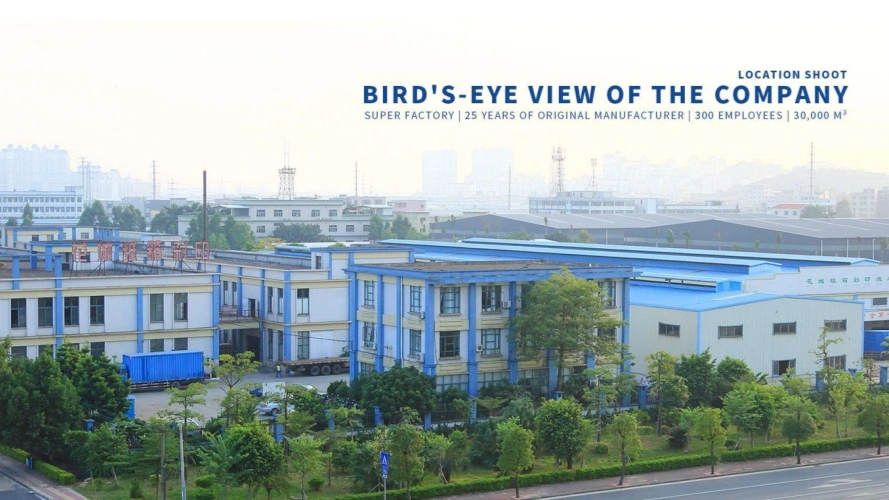
Since 1999, Fetching Printing has been a pioneer in environmentally friendly packaging solutions, specializing in the production of totally recyclable corrugated displays. Our 30,000-square-meter facility is home to cutting-edge manufacturing machinery run by more than 300 knowledgeable workers dedicated to providing packaging solutions that respect the environment.
Comprehensive Certification and Quality Standards
Our commitment to sustainability is shown by our broad range of certifications, which includes ISO14001-2015 Environmental Management System, ISO9001-2015 Quality Management System, FSC accreditation, and G7 Color Management standards. These certifications ensure that every display we produce meets the most stringent quality and environmental standards while supporting the sustainability objectives of our clients.
While the Disney certification demonstrates that we can meet the high criteria of important brand partners, the Smeta accreditation attests to our social responsibility commitments and ethical sourcing practices. Our certification portfolio gives procurement experts confidence in our manufacturing capabilities and environmental commitments.
Advanced Manufacturing Capabilities
More than ten packaging engineers with a wealth of knowledge in sustainable material uses and creative design solutions make up our research and development team. PDQ displays are an excellent illustration of this cooperative development approach; these experts collaborate closely with customers to create unique displays that optimize recyclability while satisfying certain branding and functional needs.
Water-based printing technologies, accurate die-cutting tools, and automated assembly lines that reduce waste output are some of our manufacturing capabilities. These cutting-edge techniques allow us to retain the quick lead times necessary in today's retail climate while producing high-quality recyclable displays at reasonable prices.
Client Support and Partnership Approach
We understand that the success of sustainable packaging efforts depends on ongoing collaboration and support. Our client services team provides comprehensive assistance throughout the design, manufacturing, and implementation phases to achieve recyclability targets without compromising display performance or brand presentation.
Our collaboration approach includes access to state-of-the-art technology that enhances environmental performance, recommendations for recycling optimization, and regular sustainability reporting. This collaborative cooperation helps clients achieve their sustainability goals while maintaining operational efficiency and cost effectiveness.
Conclusion
When made using the right materials and techniques, corrugated PDQ displays provide outstanding recyclability. These displays are the best option for businesses that prioritize environmental responsibility because of their renewable fiber-based construction, well-established recycling infrastructure, and expanding regulatory backing. Although careful consideration of supplier relationships, design criteria, and material selection are necessary for success, the rewards include less of an impact on the environment, regulatory compliance, and often increased cost effectiveness. Fully recyclable corrugated displays are a tried-and-true way to strike a balance between operational demands and environmental stewardship goals as sustainability standards continue to change.
FAQs
1. Are all corrugated PDQ displays automatically recyclable?
Not every corrugated display is completely recyclable. Even though corrugated substrate is a highly recyclable material, other materials like plastic windows, metallic foils, synthetic adhesives, or certain coatings may make recycling more difficult. The highest recycling results are obtained with displays made especially for recycling that use water-based adhesives, soy-based inks, and few non-paper components.
2. How can I verify the recyclability of displays before purchase?
Ask your supplier for certification documents, such as material composition standards and FSC Chain of Custody certifications. Seek for displays that specifically steer clear of metal parts, synthetic adhesives, and plastic laminations. Cradle to Cradle accreditation offers thorough third-party confirmation of overall environmental performance and recyclability.
3. What happens to corrugated displays in the recycling process?
In typical recycling facilities, recyclable corrugated displays are processed with other paper goods. After being broken down in pulping machines and cleansed to get rid of adhesives and inks, the material is reformed into new paper goods. High-quality recycled materials may be produced since water-based adhesives and soy-based dyes dissolve during this process without polluting the fiber stream.
4. Do recyclable displays cost more than traditional alternatives?
When looking at overall ownership costs, recyclable corrugated displays can provide financial benefits. Although the initial manufacturing costs could be similar to those of alternatives, total costs are usually reduced by savings in shipping (because of lightweight construction), setup (since less assembly is needed), and disposal (because recycling income is generated instead of disposal fees).
Partner with Fetching Printing for Sustainable Display Solutions
Sustainable packaging solutions require expertise, advanced manufacturing capabilities, and unwavering commitment to environmental responsibility. Fetching Printing delivers all three through our comprehensive range of fully recyclable corrugated displays designed specifically for modern retail environments. Our team of packaging engineers works closely with procurement professionals to develop custom solutions that meet sustainability objectives while maintaining operational efficiency and brand presentation standards. As a certified PDQ display manufacturer with over two decades of experience, we understand the unique requirements of e-commerce retailers, consumer goods brands, and specialty market segments. Contact our team at support@fetchingprinting.com to explore how our recyclable display solutions can support your sustainability goals while delivering the performance and cost efficiency your operations demand.
References
1. Fiber Box Association. "Corrugated Packaging Recycling Statistics and Industry Performance Standards." Packaging Industry Research Report, 2023.
2. Environmental Paper Network. "Lifecycle Assessment of Corrugated Packaging Materials: Carbon Footprint and Energy Efficiency Analysis." Sustainable Packaging Journal, 2023.
3. Sustainable Packaging Coalition. "Design Guidelines for Recyclable Corrugated Display Materials." Packaging Sustainability Research, 2023.
4. Corrugated Packaging Alliance. "Best Practices for End-of-Life Processing of Retail Display Materials." Industry Standards Publication, 2023.
5. Forest Stewardship Council. "Chain of Custody Certification Requirements for Corrugated Packaging Applications." FSC Technical Guidelines, 2023.
6. U.S. Environmental Protection Agency. "Resource Conservation and Recovery Act: Guidelines for Commercial Packaging Waste Management." Federal Environmental Regulations, 2023.