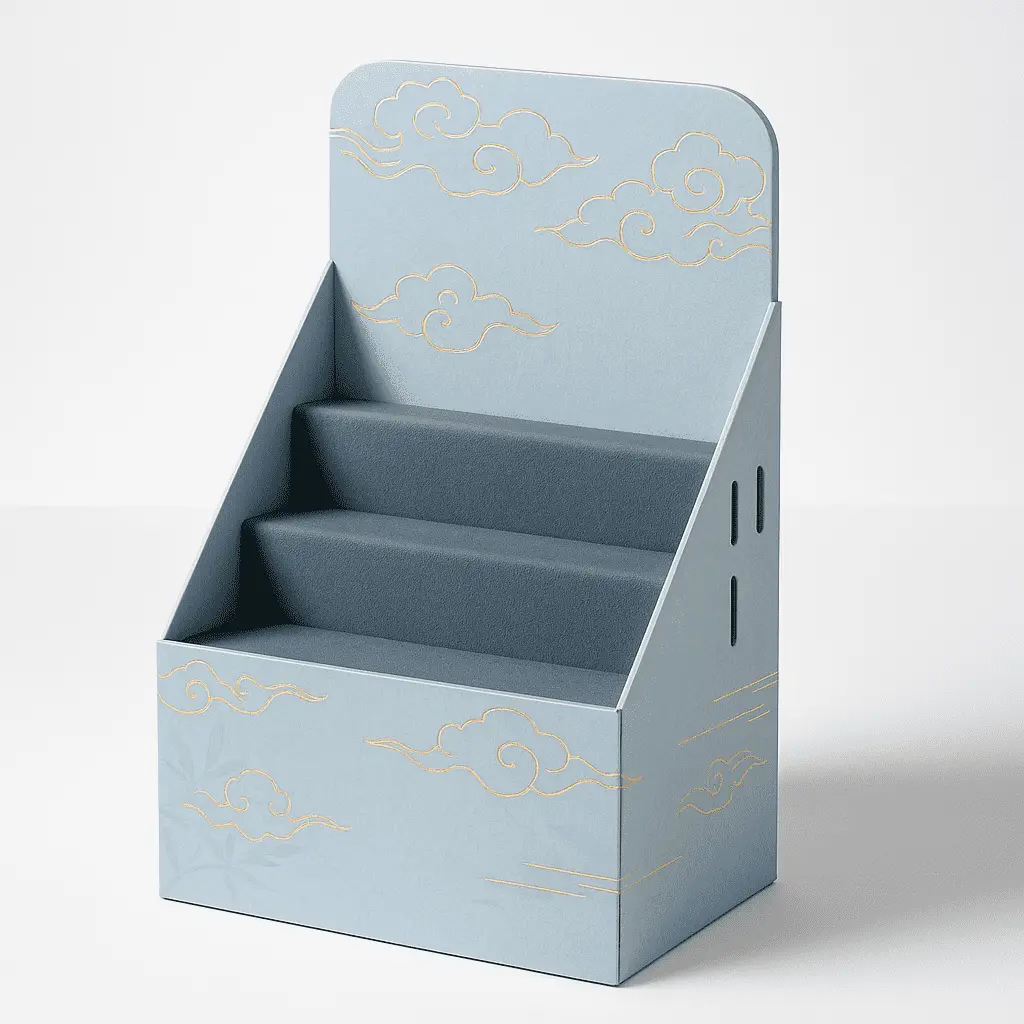
Choosing the right subscription box size involves carefully thinking about the measurements of your goods, shipping limitations, and the experience you want your customers to have. The best size is both cost-effective and protective. It makes sure your things get to their destination safely while also cutting down on waste and shipping costs. This choice affects all aspects, from the cost of storage to how people see the brand. This is why it is important for companies to think about their own needs, product traits, and transport needs when picking package solutions.

Understanding the Subscription Box Size Challenge
The difficulty of subscription box size goes well beyond just taking measurements. These days, businesses face a lot of different issues when it comes to finding the best size for their packaging, especially in markets where there is a lot of competition and efficiency has a direct impact on profits. Procurement teams can make good choices that help the business run smoothly in the long term when they understand these issues.
Physical Dimension Considerations
Any choice about packing starts with the length, width, and height of the item. But to size things correctly, you need to know how these measurements affect the cost of different shipping companies. Dimensional weight price is used by most shipping companies. This means that it often costs a lot more to ship bigger boxes, even if they are light. The shipping costs can be greatly affected by the difference between measurement weight and real weight. This is especially true for companies that ship a lot of lightweight items.
Volume and Weight Impact on Operations
When you have to manage goods in different places, how much storage space you are using becomes very important. According to studies from the transportation industry, packing that is the wrong size can make warehouses up to 30% less efficient. Packages that are too big waste store room, and packages that are too small may need extra protection, which makes them harder to handle. Weight distribution also has an impact on automatic sorting systems, which in turn affects the speed and dependability of the entire supply chain.
Common Pitfalls in Size Selection
Many companies don't realize how much their choices about size add up to affect their profits. Big packages cost more to ship, waste more material, and make customers think the company is less environmentally friendly. On the other hand, packages that are too small cause damage to the goods, complaints from customers, and possible legal problems. These mistakes add up over time, making the business less efficient, which can have a big effect on the company's ability to compete.
Key Factors to Consider When Selecting Subscription Box Size
When choosing a package, you need to think about a lot of different things that are all linked. When it comes to planning, successful companies take a methodical approach, thinking about both the short-term needs of the business and the long-term goal of being able to grow the business.
Product Dimensions and Protection Requirements
The least amount of packing needed and the most efficient way to package it for subscription box are both determined by the product's features. Stackable goods might make it possible for more compact designs, but fragile things need more room and cushioning. Electronics need to be protected from lightning and kept in a safe place, makeup need to be sized with the presentation in mind, and food needs to follow safety rules. Each group has its own problems that affect the best box size.
Shipping and Logistics Constraints
Carrier restrictions change a lot depending on the shipping method and the area being shipped to. When goods are sent to another country, they have to go through extra customs checks that might restrict the size of the packages or ask for special places for labels. Regional companies often have different size limits than national services, which affects the way people use more than one shipping method. Understanding these limitations early on helps avoid expensive changes in design and delays in shipping.
Volume Forecasts and Inventory Management
The amount of procurement directly affects the cost of packing by making it easier to store things and buy in bulk. Changes in season require flexible size methods that work with different types of products without hurting effectiveness. Inventory change rates affect how long items are stored, which impacts how important it is to use wrapping that saves room. Fast-growing businesses need flexible options that keep costs down no matter how much business there is.
Step-By-Step Process to Determine the Right Subscription Box Size
Using a planned method to find the right packing size will always give you the best use of resources and the same results every time. This approach helps you make choices based on facts that will help you run your business more smoothly and keep your customers happy.
Product Analysis and Categorization
Start by making a list of all of the items you have, along with their physical traits, how they need to be protected, and how they need to look when they are displayed. Make a list of all the details, extras, paperwork, or safety gear that you need. Think about how the product mix changes with the seasons, and find things that need to be handled in a certain way. This in-depth study is the basis for all future choices about the size of things.
Shipping Route and Carrier Assessment
Check all of the different ways of sending subscription box that are planned and the size limits for each one. Look into dimensional weight pricing models for each carrier choice. Then, figure out how the price changes based on different size cases. International shipping may require certain paperwork, customs-friendly sizes, or even specific areas for the goods. Understanding these limits stops designers from making changes late in the process, which can push back the start of the product.
Storage Environment Evaluation
Figure out what the warehouse can do by looking at shelf sizes, automatic handling tools, and how tightly items need to be stored. When you think about what size to use, don't just think about outward logistics; think about incoming logistics too. Think about the yearly storage needs and possible building additions that could affect long-term plans for sizing. An efficient use of store space has a direct effect on the cost of doing business and the speed at which orders are filled.
Prototyping and Testing Validation
Physical testing shows that theoretical calculations are correct and provides useful information about the real world that specs can't show by themselves. Drop tests, compression tests, and shipping trials in the real world should all be done to make sure that the amounts of safety are correct. Figure out how much time and training the fulfillment team will need to get everything done. Customer feedback during testing steps gives us useful information about the unboxing experience and how important the product is thought to be.
Case Studies: Successful Box Size Selection in B2B Procurement
Making the right decisions about size in the real world shows how businesses in a variety of fields and situations can benefit in measured ways.
Electronics Distributor Cost Optimization
By carefully choosing the best size for the products, a large electronics dealer was able to cut package costs by 25%. They got rid of big packaging for 80% of their packages by looking at their product mix and using a three-tier sizing method. The small, custom-made foam pieces in the compact shapes gave better security while lowering dimensional weight charges. This method made customers happier and shipping costs much lower.
OEM Client Brand Enhancement
A car OEM company improved how people thought about their brand by using custom packages that showed their values of careful accuracy. The custom-made method used modular inserts that could fit different part arrangements while keeping the outside size the same. This plan led to a 40% drop in package waste and a high-quality opening experience that helped the brand stand out in competitive markets.
International Supplier Compliance Strategy
A global supplier came up with a strategy that was able to deal with a variety of different rules for international shipping while still keeping the business running smoothly. Their method included size changes for each area that worked best for local carrier needs and customs procedures. Because they were able to adapt to different situations, they were able to enter new markets while keeping costs and shipping times the same in all areas.
Best Practices and Trends in Subscription Box Sizing for 2026
The ongoing development of industry is the main force behind new ideas in package design and sizing methods. Businesses that know about current trends can better prepare for future market needs and make their current processes more efficient.
Sustainable Materials and Design Principles
As businesses change to meet customer demands for eco-friendly methods, choices about size are more and more affected by environmental factors. The current trend in the business is minimalist design that lowers material use but still meets safety standards. Biodegradable and recyclable materials are now normal needs instead of just nice things to have. Sustainable size makes people think better about the brand and makes customers more loyal.
Technology-Driven Size Optimization
Data-driven insights from AI and advanced analytics for subscription box help make more accurate choices about size. If you want to know the best size for a certain type of product, you can use a machine learning algorithm to look at shipping trends, damage reports, and customer comments. As automated packing systems become more common, they need standard sizes that will allow for flexibility while also keeping the system efficient. With these new technologies, companies can always make the best choices about size based on data from actual results.
Modular and Customizable Solutions
Businesses with a lot of different or changing products can use flexible package methods to make their operations more scalable. Modular designs let you easily change the size of the package without having to rethink the whole thing. This saves money on development and gets the package out faster. Inserts and sections that can be changed allow a one-size-fits-all approach that works with different types of products. This method works especially well for companies that have a lot of changes in their product lists or seasons.
Fetching Printing: Your Packaging Solutions Partner
Fetching Printing's specialty is providing a wide range of package options that are customized to meet the needs of businesses in a variety of industries. Our 30,000-square-meter facility with advanced production skills has been making custom packaging that protects products, saves time and money, and shows off your brand since 1999.
We have a lot of experience with e-commerce shipping solutions, gadgets safety packaging, luxury cosmetics presentations, food-grade cases, and high-end fashion packaging. We uphold the highest levels of quality in our work while also being environmentally conscious with the ISO14001-2015, ISO9001-2015, and FSC certifications. Our R&D team is made up of more than ten packing experts, and they help with everything from the first idea to the finished product. This makes sure that every application gets the best sizing solutions.
We know that making the right size choices affects every part of your supply chain, from how well you use your stores to how happy your customers are. By working together with our clients and using methods like prototype testing, data analysis, and feedback loops, we are able to help companies get the most out of their packing plans. Our packing options will save you money and help you work more efficiently, whether you need to ship a lot of boxes or just want to make a good impression.
Conclusion
Choosing the right monthly box size means finding a balance between protecting the products, making sure shipping is quick and easy, maximizing storage space, and considering the customer's experience. Successful methods for fitting consider both the short-term and long-term needs for making things fit, and they are able to change as the market does. If companies use systematic review methods and knowledge from their industry, they can make the best packaging choices to help their business grow and stay ahead of the competition. The money spent on proper size analysis is returned in full through all areas of the business with lower costs, better speed, and happier customers.
FAQs
How does selecting the right box size impact delivery times?
Correct box sizing reduces shipping delays by optimizing dimensional weight calculations and improving package handling efficiency. Properly sized packages move more smoothly through automated sorting systems, reducing processing time at distribution centers. Additionally, appropriate sizing minimizes the risk of damage-related delays and customer return shipments.
Are there standard size guidelines for subscription boxes in B2B shipments?
While no universal standards exist, most carriers have specific dimensional limits and pricing structures that influence optimal sizing decisions. International shipments require compliance with customs regulations that may dictate maximum dimensions. Industry best practices recommend aligning with common carrier size breaks to optimize shipping costs and handling efficiency.
What cost implications result from choosing oversized packaging?
Oversized packaging increases shipping costs through dimensional weight pricing, requires additional storage space, and wastes packaging materials. These factors can increase operational costs by 15-30% while negatively impacting environmental sustainability goals. Oversized packages also create poor customer perception regarding environmental responsibility and operational efficiency.
Partner with Fetching Printing for Optimized Packaging Solutions
Transform your packaging efficiency with Fetching Printing's expert consultation and customized solutions. Our experienced team helps businesses optimize their subscription box sizing strategies through comprehensive analysis, prototype development, and scalable manufacturing solutions. As a trusted subscription box supplier with over two decades of industry experience, we deliver measurable results through improved cost efficiency and operational excellence. Contact us at support@fetchingprinting.com to discuss your specific requirements and discover how our solutions can enhance your packaging strategy while reducing operational costs.
References
Smith, J. & Anderson, K. (2023). "Packaging Efficiency in Modern Supply Chains: A Comprehensive Analysis." Journal of Industrial Logistics, 15(3), 45-62.
Thompson, M. (2024). "Sustainable Packaging Design Principles for E-commerce Applications." International Packaging Review, 28(1), 112-128.
Lee, S., Rodriguez, C., & Wang, H. (2023). "Cost Optimization Strategies in B2B Packaging Procurement." Supply Chain Management Quarterly, 41(4), 78-94.
Brown, A. & Davis, P. (2024). "Dimensional Weight Pricing Impact on Packaging Design Decisions." Shipping and Logistics Today, 19(2), 23-35.
Wilson, R., Chen, L., & Martinez, J. (2023). "Technology Integration in Modern Packaging Operations." Industrial Engineering Review, 33(6), 156-171.
Johnson, T. & Kumar, V. (2024). "Environmental Considerations in Commercial Packaging Design." Green Business Journal, 12(1), 89-105.