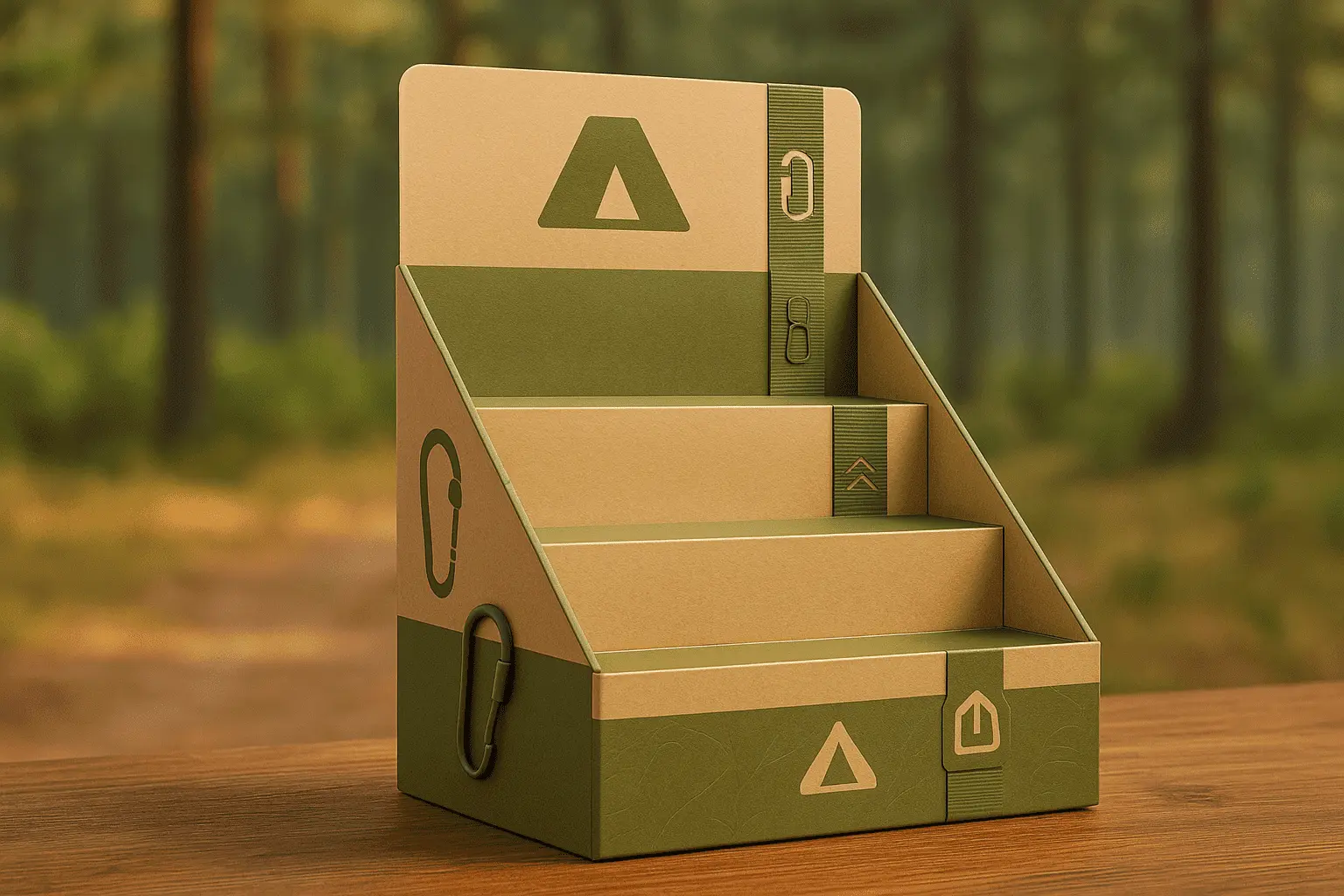
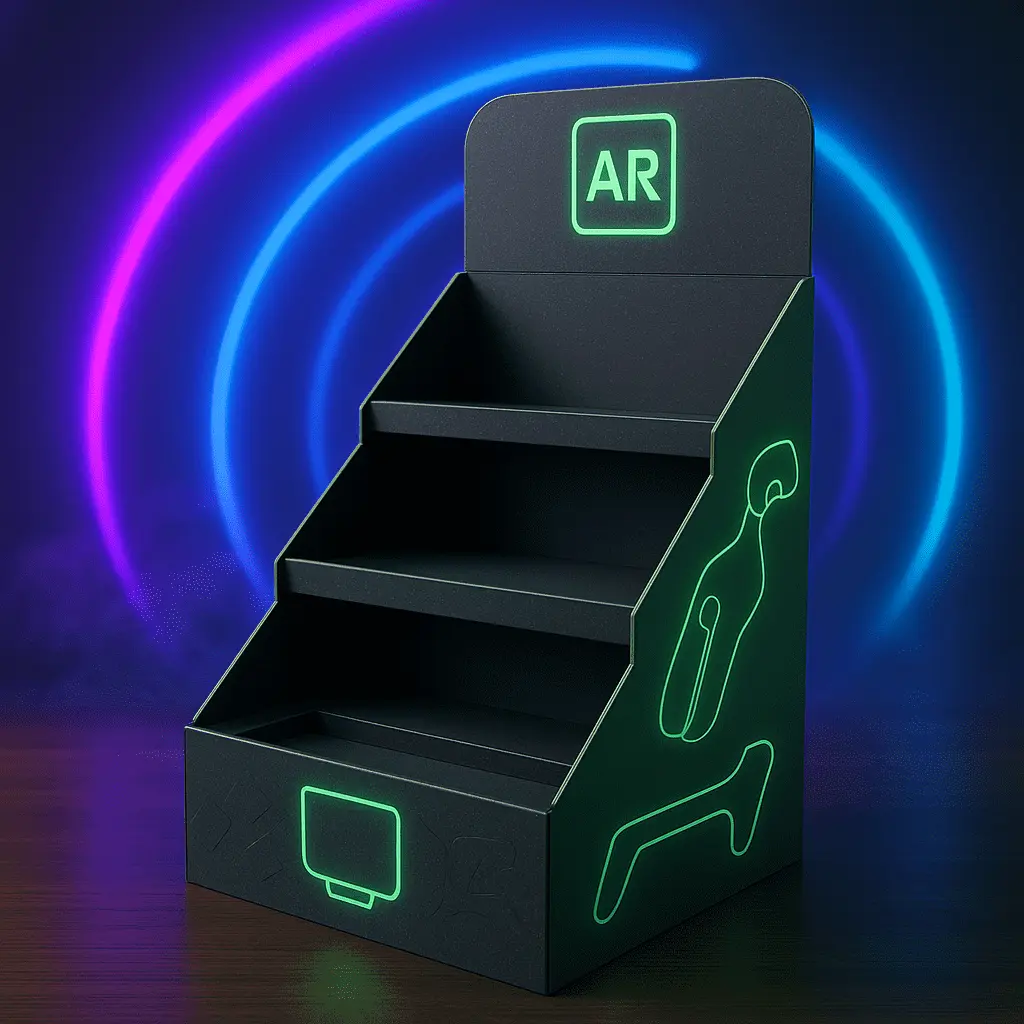
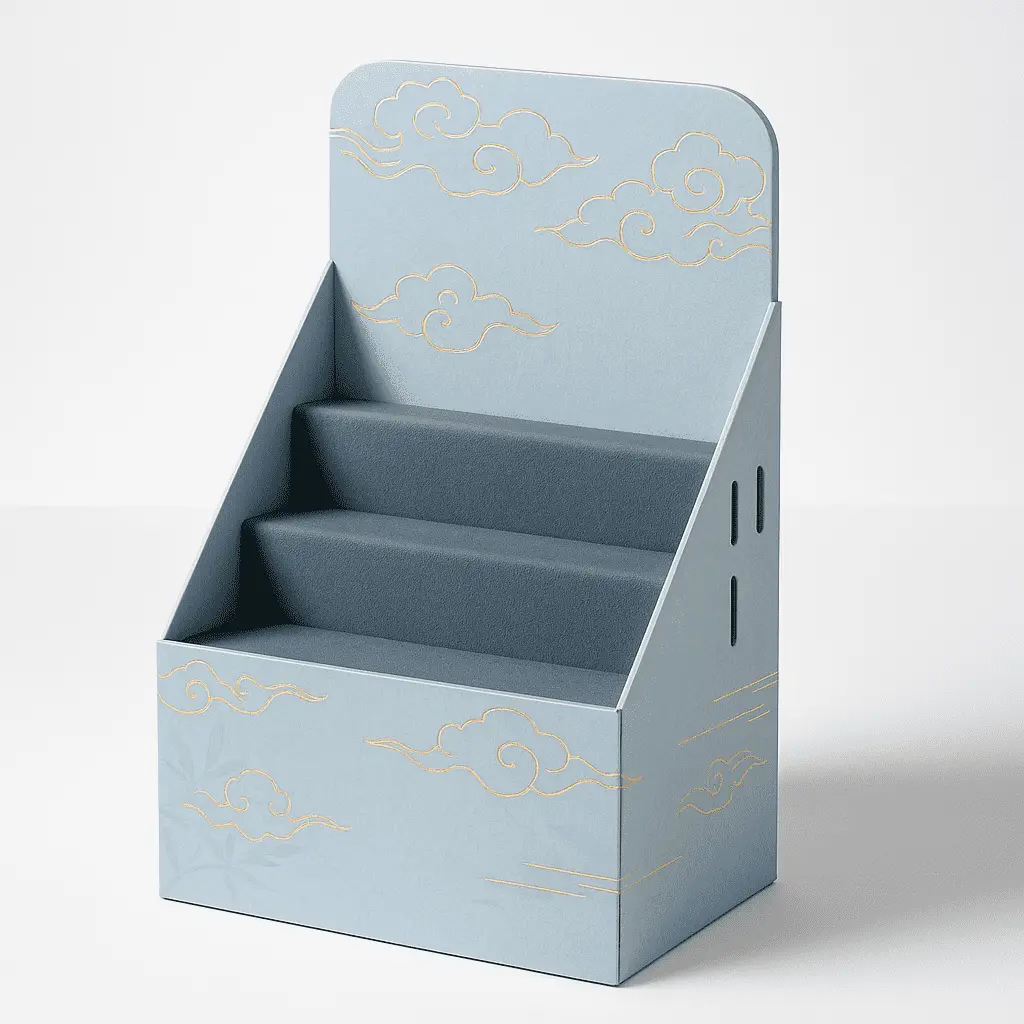
Paper display stands are a good and increasingly popular option for shops and other stores where lots of people are shopping. These handy, eco-friendly, and budget-friendly promo items are great for procurement managers who want to streamline the store buying process. Today's corrugated cardboard displays can handle a fair amount of foot traffic, making it easy for people to see the products and the company. Because they are made of light materials, they are easy to install and move around. Also, because the designs are customizable, brands can keep their visual personality the same across multiple stores.

Understanding Paper Display Stands and Their Role in Retail
In today's stores, paper display stands are an important way to show goods to customers. These buildings are mostly made of corrugated cardboard, and they give stores a lot of different ways to promote their products and make their brands more visible.
Types and Construction Materials
Most store paper displays are made of corrugated cardboard because it has a great strength-to-weight ratio. Different flute configurations offer varying levels of strength. For demanding applications, construction with a double wall is becoming more common. Specialized coatings and laminations make displays more resistant to moisture and extend their lifespan in difficult store settings.
Primary Functions in Retail Settings
These screens do more than just show products; they also help with a number of other sales goals. They make focal points that draw customers in, make sure that product categories are well organized, and use integrated graphics to show people advertising messages. While floor stands make a big impression with product displays in areas where people can see them, counter displays make the most of small spaces near the register.
Benefits for Fast-Paced Environments
Cardboard displays are easier to work with when there are a lot of people in the store. The quick and easy installation of these lightweight shelves minimizes commotion in the store, and allows them to be set up and moved around by just one person. Cost-effectiveness supports dynamic marketing strategies that make frequent campaign changes possible without spending a lot of money.
Evaluating Paper Display Stands for High-Traffic Environments
When choosing display options for high-traffic retail areas, special problems must be carefully thought through. Understanding these things helps buying teams make good choices about whether or not to use a display and how long it will last.
Durability Considerations and Modern Improvements
Today, making cardboard displays uses cutting-edge engineering methods that make the strength of the structure much better. Displays that can handle a lot of stress are made with reinforced corner construction, strategic scoring designs, and high-strength adhesives. Coatings for UV protection and finishes that resist water are examples of surface treatments that protect against the elements that are common in busy retail areas.
Design Optimization for Customer Flow
Successful paper display stands in busy areas find a mix between making the product easy to see and letting people walk by. Compact layouts keep the aisles clear and still have enough space for products. Choosing the right height makes sure that something can be seen without blocking the store's sightlines or the coverage of security cameras. Rounded sides and stable bases make collisions less likely.
Assembly and Maintenance Protocols
When efficiency in time counts, streamlined assembly procedures become important in retail settings that are operational. Methods that don't require tools for building make it possible to quickly set things up, and instruction graphics that are easy to understand help make sure that fewer mistakes are made. Regular maintenance schedules help find patterns of wear early on, which lets you change parts before the displays are no longer up to the standards of the brand.
Comparison with Other Display Stand Options
Material choices affect different display options in various ways. Knowing this helps procurement managers make decisions. Each type of material has its own benefits that are best for certain stores and their budgets.
Material Performance Analysis
Plastic screens last longer and are better able to withstand the elements, but they cost more up front and are harder to get rid of environmentally. While metal choices are very durable and secure, their weight and cost make them impractical in many cases. Environmentally friendly customers appreciate green efforts and cardboard displays' low cost-per-impression rate.
Cost-Benefit Evaluation
Paper-based options show their worth in short-to-medium-term advertising efforts with a focus on quick launch and brand customization instead of long-term use. Because they are cheap to change, the designs can be updated often to keep customers interested and help with seasonal marketing plans. Buying in bulk lowers the cost per unit even more, which makes it appealing for retail groups with more than one store location.
Environmental Impact Considerations
As shoppers' environmental worries are taken into account by stores, purchasing choices are affected more and more by sustainability metrics. Cardboard signs are in line with the circular economy because they can be recycled and are made with materials that can be used again. The lower carbon footprint of these materials compared to plastics is especially important when looking at the overall environmental impact of the production, shipping, and disposal stages.
Procurement and Customization of Paper Display Stands for Supermarkets
If you want to be good at buying, you need to know what manufacturers can do, how to customize products like paper display stands, and how the supply chain works. These things have a direct effect on how well the campaign does and how efficiently the business runs.
Manufacturer Selection Criteria
Qualified providers show that they know how to make a lot of products while keeping the quality the same. ISO licenses, especially ISO 9001 for quality management and ISO 14001 for environmental management, show that you are dedicated to making your business run better overall. When you evaluate production capacity, you make sure that sellers can meet the high demands of the season without messing up the delivery schedule.
Customization Capabilities and Brand Integration
With high-resolution images and exact color matching, new printing technologies make it possible for brands to show themselves in a more complex way. Unique forms, built-in product holders, and custom mounting systems are some of the structural changes that can be made. Digital printing can do small-batch custom work for regional markets or short-term sales, but offset printing is better for big orders because it saves money.
Supply Chain Management
When you are in charge of several stores and make sure that campaign launches happen at the same time, you need to be good at logistics planning. Flat-pack shipping makes the most out of transportation efficiency and lowers the cost of shipping goods. At the same time, regional distribution networks help with quicker arrival times. Clear communication rules about production goals and shipping schedules keep campaigns on schedule and make sure that promotions are still effective.
Case Studies and Practical Insights
Putting things into action in the real world gives you a better idea of how to do it right and what problems you're likely to face. These examples show clear benefits and show what is important to keep in mind for future efforts.
Successful Implementation Examples
Major grocery stores say that well-planned cardboard ad campaigns work really well. One chain of supermarkets reported that putting goods on the floor in certain areas during busy shopping times raised sales by 23% for advertised items. In another case study, it was shown that putting up ridged signs near the produce area was a good way to talk about the benefits of organic products. This led to long-term changes in how customers shopped.
Performance Metrics and ROI Analysis
The benefits that can be measured go beyond the effects on sales. They also include better brand recognition and customer involvement. Properly placed paper display stands make natural places to stop, which makes people shop longer, according to foot traffic research. The results of a customer poll show that people who find the store displays pleasing generally have a good opinion of the store. This helps build long-term customer loyalty.
Lessons Learned and Best Practices
Placement time has a big impact on how long displays last. Installations during off-peak hours lower the risk of damage right away. Regular training for staff on how to properly handle things will keep displays looking good and make them last longer. If you put yourself in an area where you won't get hit by carts and can still see what's going on, you will be able to work your best in busy stores.
Conclusion
If they are made and used correctly, paper display stands work very well for shops and stores with a lot of foot traffic. Cost-effective, environmentally friendly, and customizable options all in one can help with difficult store merchandising issues and also help with changing marketing plans. Modern production methods have greatly improved how long-lasting materials are, making them a good choice for difficult retail settings where traditional materials might be used. Carefully choosing suppliers, making sure the design is right, and installing things professionally while keeping in mind your store's unique traffic patterns and needs are all important for success.
FAQs
In busy stores, how long do paper display stands usually last?
If you put a well-made corrugated display in a place where a lot of people will see it, it will usually stay useful for two to eight weeks. This depends on how well it is made, where it is placed, and how many people are around. Reinforced patterns with protective coatings can make this last a long time.
How much weight can today's paper screens hold without breaking?
When built correctly, modern cardboard displays can hold between 15 and 50 pounds, and displays with extra support can hold even more. Putting weight on several places of contact will make things more stable and keep them from breaking.
Do paper displays save money compared to fixed ones?
For advertising efforts, paper displays have a better cost-per-impression value, especially when you think about how they can be customized and can be used to replace other displays. Their lower original investment allows them to make frequent updates that keep customers interested and help with seasonal marketing plans.
Partner with Fetching Printing for Superior Display Solutions
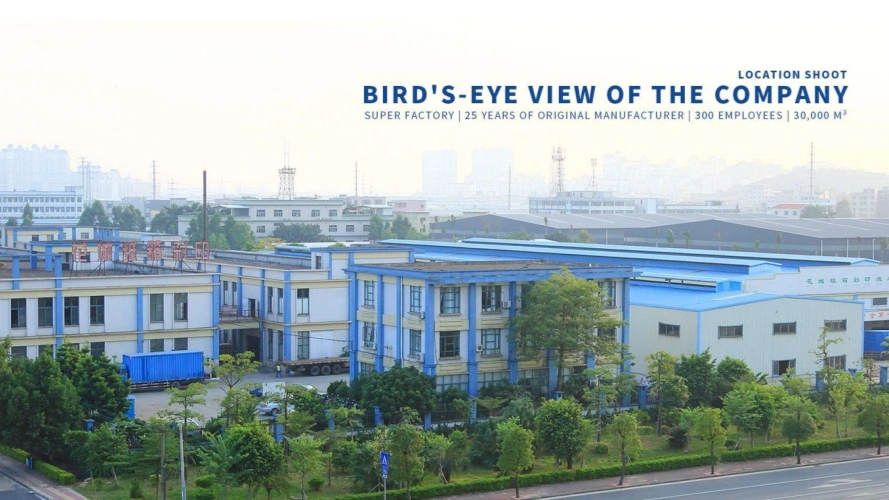
With our knowledge of the best paper display stands manufacturers, you can change your store merchandising strategy. Fetching Printing offers great cardboard display options for supermarkets and other stores with a lot of foot traffic. They do this by combining 25 years of experience in packaging with the latest in manufacturing technology. Our 50,000-square-meter facility with high-tech printers and over 300 skilled professionals is committed to making eye-catching retail displays.
To make sure your displays are exactly in line with brand standards and operational needs, our all-inclusive custom services offer structural engineering, graphic design advice, and fast prototyping. We promise to always deliver great quality and help you with your environmentally-friendly efforts with our ISO9001, ISO14001, and FSC qualifications. In tough retail environments, our skilled R&D team comes up with new ways to make products more visible and connect customers.
Are you ready to make a bigger splash with your in-store marketing? Emailing support@fetchingprinting.com will allow you to talk about your needs and get full product samples.
References
Smith, Jennifer A. "Sustainable Retail Display Solutions: Environmental Impact Assessment of Cardboard vs. Plastic Merchandising Systems." Journal of Retail Innovation, Vol. 15, No. 3, 2023, pp. 45-62.
Chen, Michael R. "High-Traffic Retail Environment Analysis: Display Durability and Customer Engagement Metrics." International Conference on Retail Technology Proceedings, 2023, pp. 128-145.
Rodriguez, Patricia L. "Cost-Benefit Analysis of Temporary vs. Permanent Point-of-Purchase Displays in Supermarket Settings." Retail Management Quarterly, Vol. 41, No. 2, 2023, pp. 78-94.
Thompson, David K. "Corrugated Cardboard Engineering for Commercial Applications: Structural Optimization and Performance Testing." Packaging Technology Review, Vol. 28, No. 4, 2023, pp. 112-127.
Williams, Sarah M. "Consumer Behavior Response to In-Store Display Configurations: A Multi-Location Supermarket Study." Marketing Research Annual, Vol. 19, No. 1, 2023, pp. 203-218.
Johnson, Robert E. "Supply Chain Optimization for Retail Display Distribution: Logistics Efficiency in Multi-Store Operations." Supply Chain Management Today, Vol. 33, No. 6, 2023, pp. 89-105.