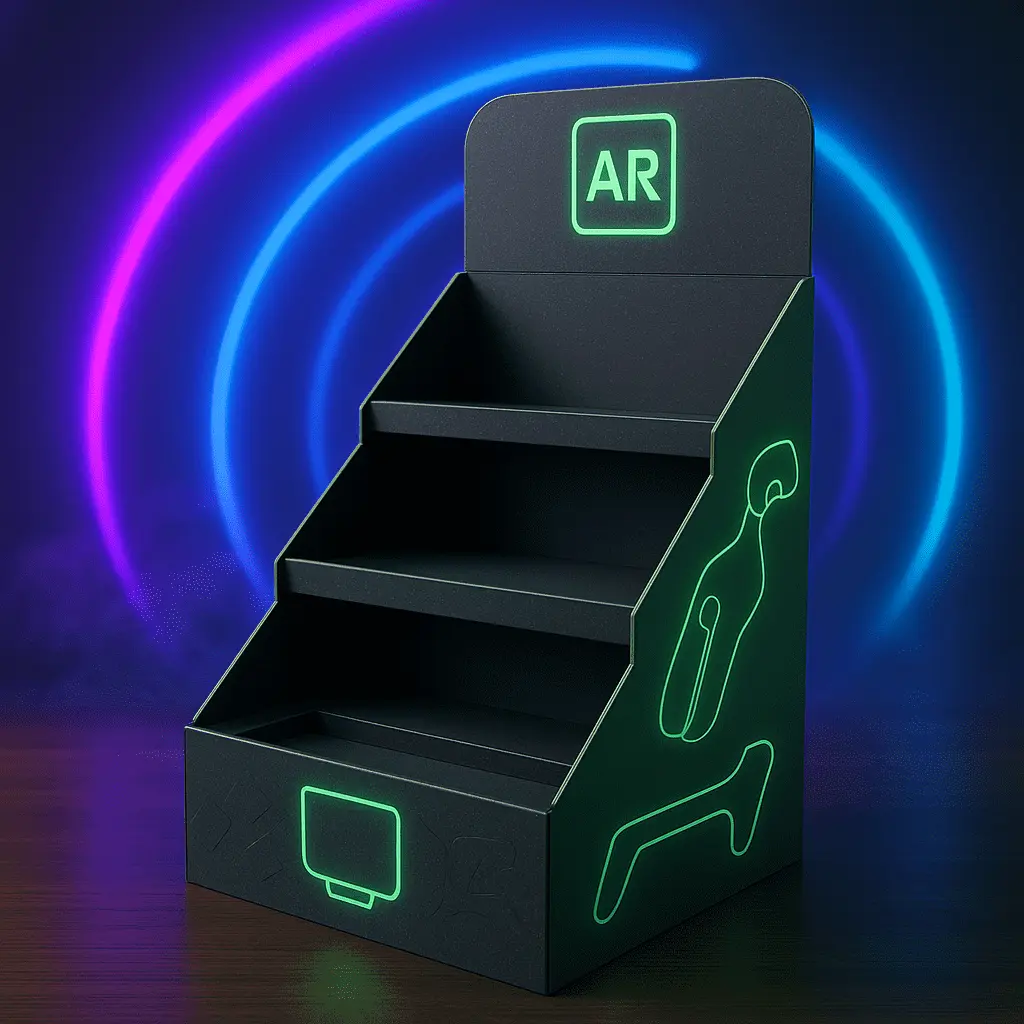
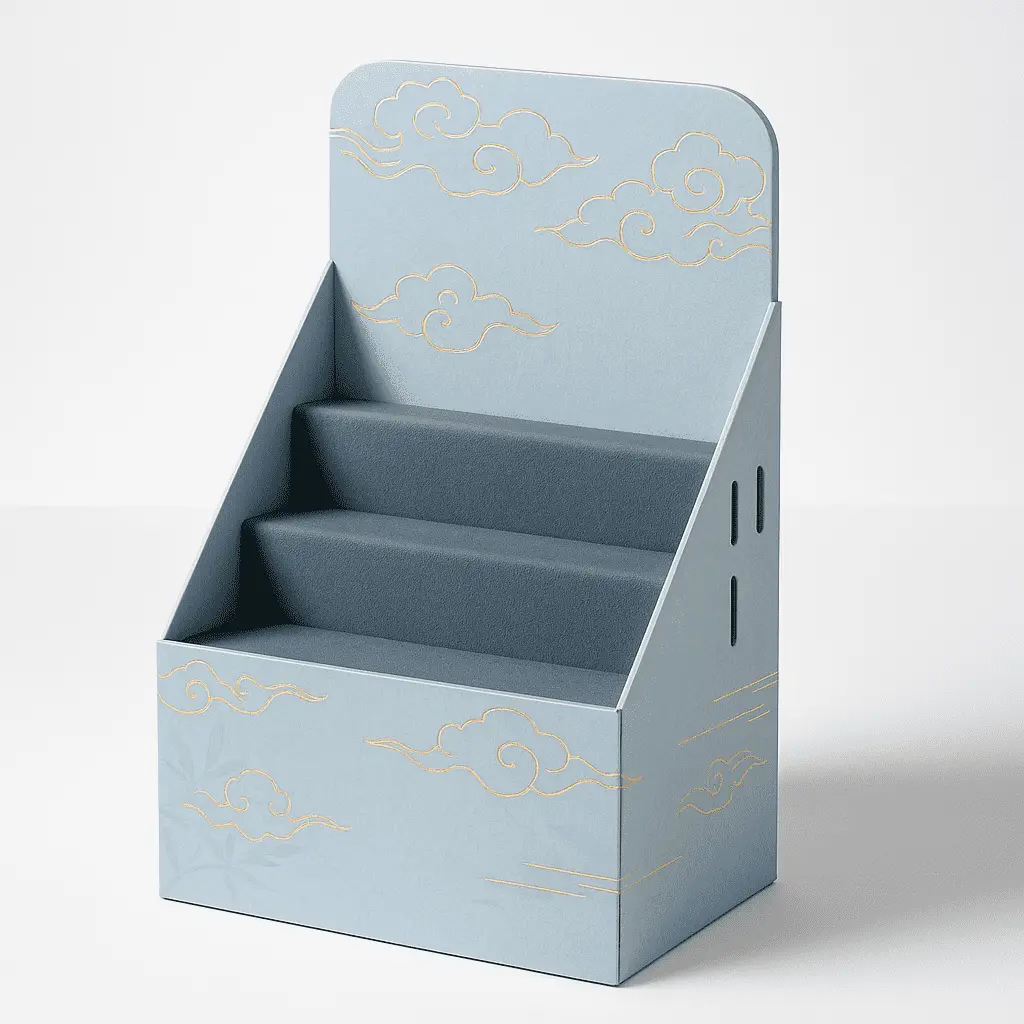
To make sure it is safe, long-lasting, and shows the products off well in business settings, a retail display stand must meet certain load-bearing requirements. These needs usually fall between 50 and 500 pounds, based on the kind of display, the materials, and the purpose. Businesses can choose the right display solutions that protect customers and goods while still looking good and following safety rules for the industry if they know about proper weight distribution, structural integrity standards, and material specifications.
Understanding the Importance of Load-Bearing Requirements in Retail Display Stands
Load-bearing capacity is the most weight a retail display stand can hold without falling apart or becoming unsafe. This basic idea impacts all areas of store merchandising, from the ways products are placed to rules for customer safety. When show stands go over their weight limits, the results go beyond just the equipment breaking.
Safety and Liability Considerations
When there are problems with the structure of a store, it can be very costly for the business if someone gets hurt or something is damaged. If show stands are overloaded, they can suddenly fall apart. This can hurt customers and break expensive items for sale. Because these kinds of events often lead to insurance claims, lawsuits, or fines for breaking the rules, proper load assessment is not just a technical necessity for businesses but an extremely important thing to keep in mind.
Impact on Brand Reputation and Customer Experience
When display stands break, it hurts the brand's reputation and makes people have bad experiences while shopping. Customers think of casual businesses and low-quality goods when they see displays that are broken or not set up correctly. On the other hand, well-designed display solutions that don't break under the right amount of weight make people think better about the brand and trust the customers.
Cost Implications of Inadequate Load Planning
Load-bearing specifications that aren't right cause people to have to replace things a lot, do emergency repairs, and pay more for upkeep. Display stands with the right rating can help businesses save money, operate more efficiently, and avoid unexpected downtime.
Core Load-Bearing Specifications and Standards for Retail Display Stands
Standards in the industry give you a basic way to judge how well a display stand works and make sure that safety levels are always the same in all kinds of stores. These specifications lay out testing methods, performance standards, and material requirements that help both makers and users.
International Standards and Certifications
ISO 9001 standards for quality management set the minimum requirements for how to make display stands, and EN safety standards look at specific performance factors for load-bearing. When displays use lighting or other electronic parts, UL certifications focus on the parts of the display that are related to electricity safety. Procurement experts use these certifications as reliable standards to rate suppliers and compare products.
ASTM International standards directly deal with the stability of furniture and testing the load that applies to retail display applications. These tests mimic real-life situations by including dynamic loading, impact resistance, and long-term stability under repeated stress cycles.
Material-Specific Load Characteristics
Different materials can hold up different amounts of weight, which has a direct effect on how well a show stand works. Steel constructions usually hold the most weight while staying compact, which makes them good for big electronics or appliance displays. Instead of aluminum, you can use materials that are stronger and more resistant to corrosion in humid store settings.
Engineered wood goods are a cheap way to handle moderately heavy loads and are also the best choice for custom branded displays. High-grade acrylics show off high-end products beautifully, but they need to be carefully loaded so that no one spot gets too much weight or else they might crack.
Dimensional Relationships and Load Distribution
The shape of the retail display stand has a big impact on how much weight it can hold by means of lever arm effects and stress concentration patterns. Wider bases better spread weight across the surface beneath them, which helps with stability. Load limits often go hand in hand with height limits because moment forces increase and can cause tipping or structural failure.
Best Practices for Designing Retail Display Stands to Meet Load-Bearing Requirements
Effective design strategies make sure that structural performance meets or exceeds operational demands while keeping the look and usefulness of the structure. They do this by considering load requirements from the very beginning of the project to the very end of production.
Static vs. Dynamic Load Analysis
Static loads show the normal, unchanging weight of goods on display. Customers, restocking, and the surroundings (like air conditioning or people walking by) can all add extra forces to the dynamic loads. Proper planning takes into account both kinds of loads with the right amount of safety.
Engineers usually use safety factors between 2:1 and 4:1, based on how important the product is and what could happen if it fails. Higher safety factors take into account differences in materials, tolerances in manufacturing, and unexpected load situations that could happen during normal retail operations.
Innovative Materials and Reinforcement Techniques
Advanced composites are strong and light at the same time. This makes it possible to build display stands that can hold a lot of weight without making the store look crowded. Adding carbon fiber reinforcements in places that need them can double the load capacity while adding very little weight or bulk.
As load needs change, modular reinforcement systems make it possible for show stands to be reconfigured or upgraded. You can change the way this structure is set up and still be sure that it will hold together because the cross-braces can be taken off, the support beams can be adjusted, and the base plates can be switched out.
Real-World Application Examples
Electronics stores use tiered load strategies well by putting heavier items on lower shelves with better structural support and placing lighter items on top display areas. This method makes the product as visible as possible while keeping the load-bearing and customer-accessible areas in mind.
Fashion retailers use distributed loading methods that spread the weight of the clothes across multiple support points. This keeps stress from building up in one area, which could hurt both the displays and the clothes. Hanging methods that can be changed make room for changes in the weight and density of clothing throughout the year.
Comparison of Load-Bearing Capabilities Across Different Retail Display Stand Types
It is easier for procurement professionals to choose the best retail display stand configurations for different types of store settings and product types when they know how each one affects performance.
Freestanding vs. Wall-Mounted Systems
While freestanding displays are very helpful for making changes to the plan of a store, they are only as stable as their base. When these systems are built correctly, they can usually handle mild loads. The weight limit depends on the materials used and the size of the base and ranges from 100 to 300 pounds.
Wall-mounted options use the structure of the building they're fixed on for main support. This allows them to hold more weight while taking up less space. But, to avoid catastrophic collapse, wall attachment points must be correctly rated and fixed so that mounting failures don't happen.
Material Performance Comparisons
The following study looks at how different materials hold up under different types of weight.
Steel display stands consistently give the best performance in terms of load-bearing capacity, with great durability and only a small amount of bending under pressure. These systems are great for tasks that need a lot of strength, but they might not be the best choice for high-end stores where customers prefer a visually light look, as they may limit how things look.
Aluminum builds have a good mix of strength and low weight, which makes them perfect for portable or short-term use. Even though the load limits are usually lower than those of steel, the material's natural resistance to corrosion makes it useful in tough conditions for a long time.
For moderate applications, engineered wood systems are a good deal and work well under load. Newer wood composites and laminated goods have much better performance than traditional lumber. They also offer better surface finishes and more ways to customize them.
These choices about materials have a direct effect on the costs of getting things in the first place and the costs of running things over time. This makes it important to choose carefully in order to get the best total value.
Impact of Additional Features on Load Capacity
When you use built-in lighting, computer screens, and interactive parts, there are more things to think about for load-bearing design. These features usually need special support structures, which can make the space available for displaying products smaller. Properly attaching components and managing cables avoids high-stress areas that could weaken the structure.
Procurement Considerations for Load-Bearing Retail Display Stands
Strategic procurement makes sure that investments in display stands give the best performance while staying within budget and meeting the needs of the business during their entire service life.
Supplier Qualification and Certification Requirements
When you are trying to find a new source, you need to make sure they can do the right kind of design work, have good quality control systems, and have the right certifications. ISO 9001 certification shows that quality is managed in an organized way, and product certifications show that safety and performance standards are met.
Testing capabilities and documentation methods show that the provider is committed to performance validation. Comprehensive test reports, material certifications, and design calculations give people faith in claims about load-bearing and help them make decisions based on facts.
Customization Options and Load Adaptation
Successful procurement methods focus on providers who can change standard designs to meet specific load needs without hurting the look or function of the design. As product lines or shop layouts change over time, modular design makes it easier to adapt to those changes.
Branding integration skills make sure that changes to the structure of a store don't get in the way of its visual merchandising goals. Suppliers with more experience give products that include logos, brand colors, and other brand elements while keeping the load-bearing performance the same or improving it.
Lifecycle Cost Analysis
A full cost evaluation takes into account the installation and upkeep costs, the schedule for replacements, and the original purchase price. Retail display stands with higher capacity often explain their high prices by lasting longer and needing less maintenance.
Planning shop openings or changes in seasonal merchandising takes lead time into account. Suppliers with a good track record of on-time delivery and enough production capacity keep project risks low and make sure that projects are done on time.
Conclusion
Load-bearing requirements are important rules that affect how well, safely, and efficiently a retail display stand can be used. If you know these rules, you can make smart purchasing choices that take into account cost, functionality, and long-term value. Choosing the right materials, planning the right way, and knowing what your suppliers can do all help make the retail settings better while keeping customers and products safe. Strategic methods to load-bearing specification make sure that investments in displays pay off by extending their service life, lowering maintenance costs, and improving the quality of brand presentation.
FAQs
What determines how much weight a retail display stand can hold?
The materials used, how the structure is designed, the size of the base, height limits, and how well it is made all affect how much weight it can hold. Steel buildings usually hold up the most weight, but total capacity is greatly affected by design factors like cross-bracing and weight distribution. Proper engineering analysis takes both the weight of the goods at rest and the forces caused by customers touching the goods into account.
How can I be sure that my display stand meets the needs for holding big goods?
Work with suppliers who have proven testing skills and appropriate certifications, like ISO 9001 or ASTM compliance. Ask for test reports and thorough load calculations that back up the claims of capacity. When judging how suitable something is for a certain purpose, think about things like how the weight is spread out, how it is mounted, and how safe it is.
Can portable retail display stands safely hold a lot of weight?
New designs and high-tech materials have made modern portable screens strong enough to hold heavy loads. But usually, the things that make a device portable also affect its greatest capacity. For many uses, designs that use aluminum or engineered composites get the right mix between mobility and structural performance.
Choose Fetching Printing for Your Retail Display Stand Manufacturing Needs
With more than twenty years of experience in making high-quality products, Fetching Printing is now applying their engineering skills and wide range of custom choices to the production of retail display stands. Our 50,000-square-meter facility is home to cutting-edge tools and over 300 skilled professionals who are committed to providing the best display and packaging solutions.
Our specialized R&D team of packaging engineers comes up with new ways to make load-bearing designs that improve both structure performance and visual appeal. We know that retail display stands need to find a balance between how they look and how much weight they can hold. We make stands that show off the products while also being safe and long-lasting.
As a seasoned supplier of retail display stands, we uphold the ISO 9001:2015 Quality Management System certification. We are also environmentally and socially responsible, holding ISO 14001:2015 and SMETA compliance. These certificates show that we are committed to making things in a responsible way and always delivering high quality.
Our all-inclusive service helps you choose materials and analyzes structures, builds prototypes, and can make a lot of products while also supporting both small-batch customization and large-scale deployment needs. We work closely with procurement teams to make sure that load-bearing standards are in line with the way the work is done, meet the budget, and get things done on time.
Work with us to look into custom retail display stand options designed to meet your exact needs. To talk about your project's needs and get exact technical details suited to your application needs, please email us at support@fetchingprinting.com.
References
American Society for Testing and Materials. "Standard Test Method for Structural Performance of Sheet Metal Building Systems." ASTM International Committee on Building Economics.
International Organization for Standardization. "Furniture - Domestic and Contract Storage Units - Safety Requirements and Test Methods." ISO Technical Committee 136.
National Retail Federation. "Store Design and Visual Merchandising Standards for Safety and Performance." NRF Research and Development Division.
Underwriters Laboratories. "Standard for Safety of Commercial and Industrial Display Equipment." UL Safety Standards Department.
European Committee for Standardization. "Furniture - Strength, Durability and Safety Requirements for Domestic Furniture." CEN Technical Committee 207.
Retail Industry Leaders Association. "Best Practices for Retail Display System Engineering and Implementation." RILA Technical Advisory Board.