Yes, if they are made with the right materials and methods, pizza boxes can be safe for food and reusable at the same time. Good pizza boxes are made of FDA-approved corrugated cardboard with food-safe coverings that keep the pizza clean and the box strong. How recyclable it is depends on how much grease is on it and what the recycle centers in the area can do. Most of the time, cardboard boxes with a little dirt on them can be recycled, but if they're really dirty, they might need a special cleaning program.

Foodservice packaging has changed a lot over time. Today, pizza boxes are used in takeout and delivery businesses all over the world. When procurement professionals source packaging solutions, they have to make tough choices as concerns about sustainability and food safety laws grow. Businesses that want to stay ahead of the competition and meet their corporate social responsibility goals need to understand both the need to follow safety rules and the need to be environmentally friendly.
Procurement professionals, distributors, and purchasing managers have to deal with more and more complicated rules, customer expectations, and operational needs. Choosing the right food packaging has a direct effect on the image of the brand, the happiness of the customers, and the long-term health of the business. This deep study looks at the most important things that affect food safety and recyclability in pizza packaging buying.
Understanding the Food Safety of Pizza Boxes
Pizza packaging must follow a number of rules and standards for making in order to be safe for food. The material choice is the base of safe food packing. Makers need to use FDA-approved substrates that stop chemicals from getting into the food. Before being used for direct food contact, corrugated cardboard structures must pass very strict tests to make sure they don't hurt the quality of the product or the health of the people who use them.
Material Composition and Safety Standards
Today, pizza boxes are made from recovered materials that have been cleaned and mixed with new fibers. Quality control is very important in the process of making cardboard. It includes checking for heavy metals, organic compounds that are volatile, and microbial contamination. Coatings that are safe for food use on the inside of surfaces makes a barrier that keeps grease from getting in while still letting air flow through to keep the temperature right.
Glue formulations used to make pizza boxes must follow FDA rules for materials that come in touch with food indirectly. Water-based glues are better than solvent-based ones in that they keep the power of the structure in a wide range of temperature conditions and lower the risk of chemicals moving around. The curing process gets rid of poisons so that they don't get on food that is stored or transported.
Regulatory Compliance and Certification Requirements
Following government rules means a lot of paperwork and testing by people outside the company. Manufacturers need to keep detailed records of how they get their raw materials, how they make their products, and how they make sure their products are high quality. Businesses that sell to customers around the world must regularly check to make sure they are still following changing safety rules and export laws.
The implementation of Hazard Analysis and Critical Control Points
(HACCP) principles in packaging manufacturing facilities provides systematic risk management throughout production processes. These processes find possible sources of contamination and set up ways to keep food safe from the time raw materials are taken in to the time the finished product is delivered.
The Recyclability of Pizza Boxes: Facts and Practices
To understand recyclability, you need to look at what the material is made of and how the things that are mixed in with it affect the recycling process. Among packaging products, corrugated cardboard has the highest recycling rates, over 90% in many developed markets. However, food contamination causes problems that need special handling and processing methods.
Contamination Impact on Recycling Processes
The pulping process is affected by grease contamination, which can lower the strength and look of recycled goods. Flotation deinking systems used in modern recycling plants can get rid of some oil and food residue, but materials that are very dirty may ruin whole batches of recovered fiber. Some places take packaging that is a little dirty, while others need materials that are completely clean.
Regional differences in recycling facilities mean that different markets have different standards for acceptance. When it comes to handling a bigger variety of dirty materials, cities with advanced processing equipment have the upper hand. On the other hand, smaller facilities may have stricter cleanliness standards. Understanding local recycling rules helps buying teams make good choices about packaging requirements that are in line with how things are processed at the end of their lives.
Sustainable Material Innovations
Newly made eco-friendly packaging materials are good options for protecting food and helping the earth. Barrier coatings made from renewable materials keep grease away while still allowing the coating to break down in compost under industrial conditions. With these new technologies, packaging can be made that works about as well as older materials but has better choices for disposal or recycling.
Biodegradable pizza boxes are made from bio-based plastics and farm waste fibers that break down when composted properly. Even though these materials might need to be handled in different ways, they give buying teams a chance to stand out by being environmentally friendly and keeping their businesses running smoothly.
Choosing the Right Pizza Box for Your Business Needs
Choosing the right pizza packaging is a matter of weighing many different factors, such as how well it keeps heat in, how strong it is, how it affects your brand, and how environmentally friendly it is. Different types of businesses need different types of packing. For example, quick-service restaurants focus on saving money, but higher-end restaurants may care more about how the packaging looks and using it to promote eco-friendliness.
Structural Design Considerations
Box design has a big impact on how much food quality is kept and how happy customers are. Ventilation patterns must keep the heat in while controlling wetness to keep the crusts from getting soggy. The extra support on the corners and strength in the bottom panel keep the structure from failing while it's being transported. This is very important for delivery operations that handle multiple orders at the same time.
The insulation and material prices are both affected by the shape of the flute in the corrugated configuration. Double-wall options use more material but offer better protection for high-end goods or longer delivery times. Single-wall construction performs well for most uses while using less material. Edge crush strength testing makes sure that boxes stay strong when they are stacked on top of each other while they are being stored or shipped.
Customization and Branding Integration
Brand differentiation can be done with printing skills, and food safety rules will still be followed. Water-based paints make bright colors without making the product harder to recycle or creating food safety issues. Digital printing makes it possible for seasonal sales or short-term offers with smaller minimum order amounts, giving a menu that can change over time more operating freedom.
You can add features like window panels to make the product easier to see, hole lines to make it easier to open, and built-in ads to the structure. These features must be tested to see how they affect recyclability and food safety. This makes sure that changes to the brand do not hurt the most important package performance needs.
Best Practices for Procuring Food-Safe, Recyclable Pizza Boxes
Good procurement strategies include thorough supplier evaluation methods that look at both current capabilities and long-term sustainability commitments. When choosing suppliers and managing an ongoing connection with them, procurement team leaders use multi-criteria decision frameworks that take into account cost, quality, compliance, and environmental impact.
Supplier Certification and Quality Assurance
Strong supplier qualification processes check on manufacturing skills, quality systems, and compliance with rules. Important quality management certificates are ISO 9001 and ISO 14001 for environmental management. Food safety certifications for packaging are also important. Regular facility checks make sure that rules are still being followed and that safety and sustainability performance can always be improved.
The following factors for evaluating suppliers give a full picture of how to rate them:
- Third-party safety checks that show adherence to FDA rules and global standards for food contact
- Environmental management systems that have written records of their plans to cut down on trash and save energy
- Quality control steps like checking materials when they arrive, keeping an eye on the production process, and trying the finished product
- Traceability tools that make it easy to quickly deal with changes in the rules or quality problems
These rating criteria let procurement teams find suppliers who can meet both short-term and long-term goals while always making sure that quality stays high, no matter how much is produced.
Supply Chain Risk Management
When you have a lot of different suppliers, it lowers the risks that come with natural disasters, capacity limits, or changes in the law that affect certain places. Strategic relationships with multiple qualified suppliers give you more options when it comes to doing business and keep prices low through structured bidding processes. Long-term agreements can get good prices and capacity allocation while encouraging suppliers to spend in better capabilities.
Inventory management must find a balance between lowering costs and meeting service level needs. This is especially true when there is a lot of demand or when the supply chain is broken. Working together with suppliers on forecasts makes capacity planning and material buying easier. This helps get things done faster and cuts down the costs of having to buy things on short notice.
Fetching Printing: Your Trusted Partner for Food-Safe Packaging Solutions About Fetching Printing
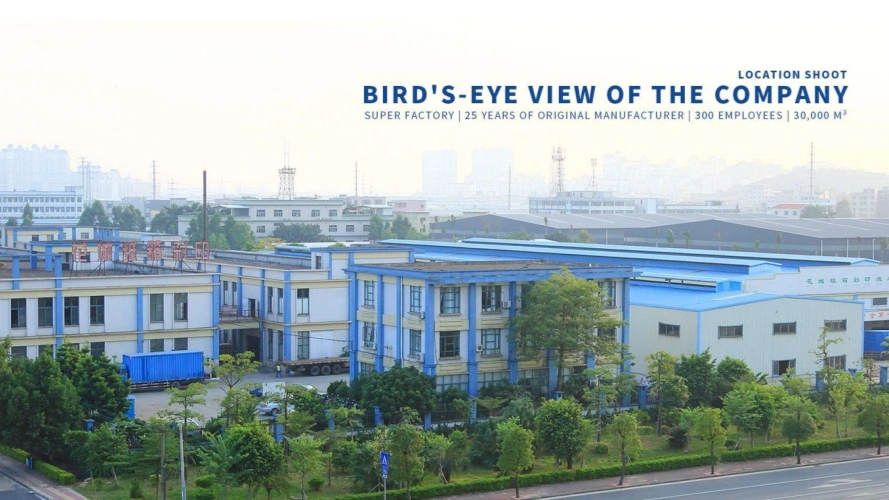
Fetching Printing was started in 1999 and works out of a modern 50,000-square-meter factory with more than 300 skilled workers. Our all-in-one method for food packaging combines high-tech production with strict quality control. This makes sure that we always offer safe, eco-friendly packaging that meets the tough standards of today's foodservice businesses.
Our research and development team has more than ten packaging engineers who have a lot of knowledge with structural design, material science, and making processes more efficient. Because we have this knowledge, we can come up with new ways to meet the needs of a changing market while still fully complying with global rules for food safety and environmental protection.
Product Range and Custom Services
Our line of specialized pizza boxes includes ridged containers made with materials allowed by the FDA. These boxes can be printed on in any way you choose using inks and coatings that are safe for food. We do full quality checks at every stage of production to make sure that all product lines work well and meet safety standards.
Our service is different because it can do the following:
- FSC-certified sustainable materials sourcing with proof of chain-of-custody throughout the process
- G7 color management tools make sure that the brand is reproduced the same way across all production runs.
- Flexible production that can handle both big orders and small customizations
- Rapid modeling services that make it easy to test new designs and changes to structures quickly
We are environmentally responsible, and we show this by getting ISO 14001-2015 certified and continuing to spend money on clean production methods that minimize energy use and waste during the manufacturing process.
Why Choose Fetching Printing for Your Pizza Box Manufacturing Needs?
We've successfully served a wide range of foreign customers in many different markets. This shows that we can tailor our solutions to meet the needs of different regions and business types. We keep open lines of contact during the whole project. We let you know how we're doing with production, and if there are any issues that might affect the delivery schedule, we’ll let you know right away.
Quality assurance routines include testing the raw materials thoroughly, keeping an eye on the process, and checking the finished product to make sure it always works the same way and follows the rules. Our customer service team answers operational questions and customization requests quickly and gives ongoing technical help.
Conclusion
When choosing pizza boxes, food safety rules, the effect on the environment, and the needs of the business must all be kept in mind. New industrial technologies make it possible to make packaging that meets all of these needs at the same time and offers a range of businesses cheap choices. Procurement pros who know about these technical needs and work with capable suppliers can get big benefits over their competition by making products higher quality, more eco-friendly, and easier to follow the rules. As materials science and recycling systems keep changing, companies that use responsible packaging will be able to find even better options.
FAQs
Do all pizza boxes go in the recycle bin, even if they have grease on them?
No, pizza boxes with a lot of grease on them can't go through regular recycling because the oil messes up the fiber recovery process. Some places may be okay with boxes that are only a little dirty and have removable contamination, but you can usually return clean parts of the boxes separately. If they are available, industrial composting programs may take materials that are highly contaminated.
How can I be sure that the pizza boxes I buy are safe for food?
Make sure your provider follows these three rules: they must use food-safe materials and inks, follow HACCP guidelines, and keep records that show they are following these rules. Ask for certificates of compliance and do regular checks of your suppliers to make sure they continue to follow safety rules. Suppliers that offer full quality control and tracking records should be the ones you work with.
When buying a lot of custom-printed pizza boxes, how long in advance do you usually have to do it?
It usually takes 2 to 4 weeks for custom printed orders to be completed. This depends on how complicated the order is, how many items there are, and the current production plan. If you need something done quickly, you can pay extra for faster processing. But, on the other hand, if you need major changes made to the structure or new tools made, that could make the timeline longer. Planning ahead with expected numbers helps make sure that the schedule and prices are just right.
Partner with Fetching Printing for Superior Pizza Box Solutions
With Fetching Printing's extensive knowledge of pizza box production, you can completely change how you buy your packing. Businesses looking for dependable, high-quality packing should work with us because we follow food safety rules, use eco-friendly materials, and strive to run our business perfectly. We have been in the business for more than twenty years and are certified in ISO 9001, ISO 14001, and FSC standards. We always offer high quality and follow the rules for every amount of production.
Find out how our customizable pizza box options can help your brand while also meeting the strictest safety and environmental standards. Our experienced team works closely with sourcing experts to come up with custom solutions that cut costs without hurting quality or environmental goals. To talk about your exact needs and get more information on possible new pizza boxes suppliers, email us at support@fetchingprinting.com.
References
Smith, J.A., & Johnson, M.K. (2023). "Food Safety Standards in Corrugated Packaging: Regulatory Compliance and Best Practices." Journal of Food Packaging Technology, 45(3), 123-138.
Environmental Protection Agency. (2022). "Municipal Solid Waste Recycling: Pizza Box Processing Guidelines and Contamination Thresholds." EPA Office of Resource Conservation and Recovery, Report EPA-530-R-22-003.
Williams, R.D., Chen, L., & Peterson, S.M. (2023). "Sustainable Packaging Materials in Foodservice Applications: Performance Analysis and Lifecycle Assessment." International Journal of Sustainable Packaging, 18(2), 67-84.
Food and Drug Administration. (2023). "Guidance for Industry: Food Contact Substances in Paper and Paperboard Packaging Materials." FDA Center for Food Safety and Applied Nutrition, Document FDA-2023-D-0445.
Thompson, K.L., & Rodriguez, A.B. (2022). "Corrugated Cardboard Recycling: Technical Challenges and Processing Innovations." Recycling Technology Quarterly, 29(4), 234-251.
National Restaurant Association. (2023). "Packaging Procurement Best Practices for Foodservice Operations: Safety, Sustainability, and Cost Management." NRA Industry Research Report, Publication NRA-2023-IR-08.