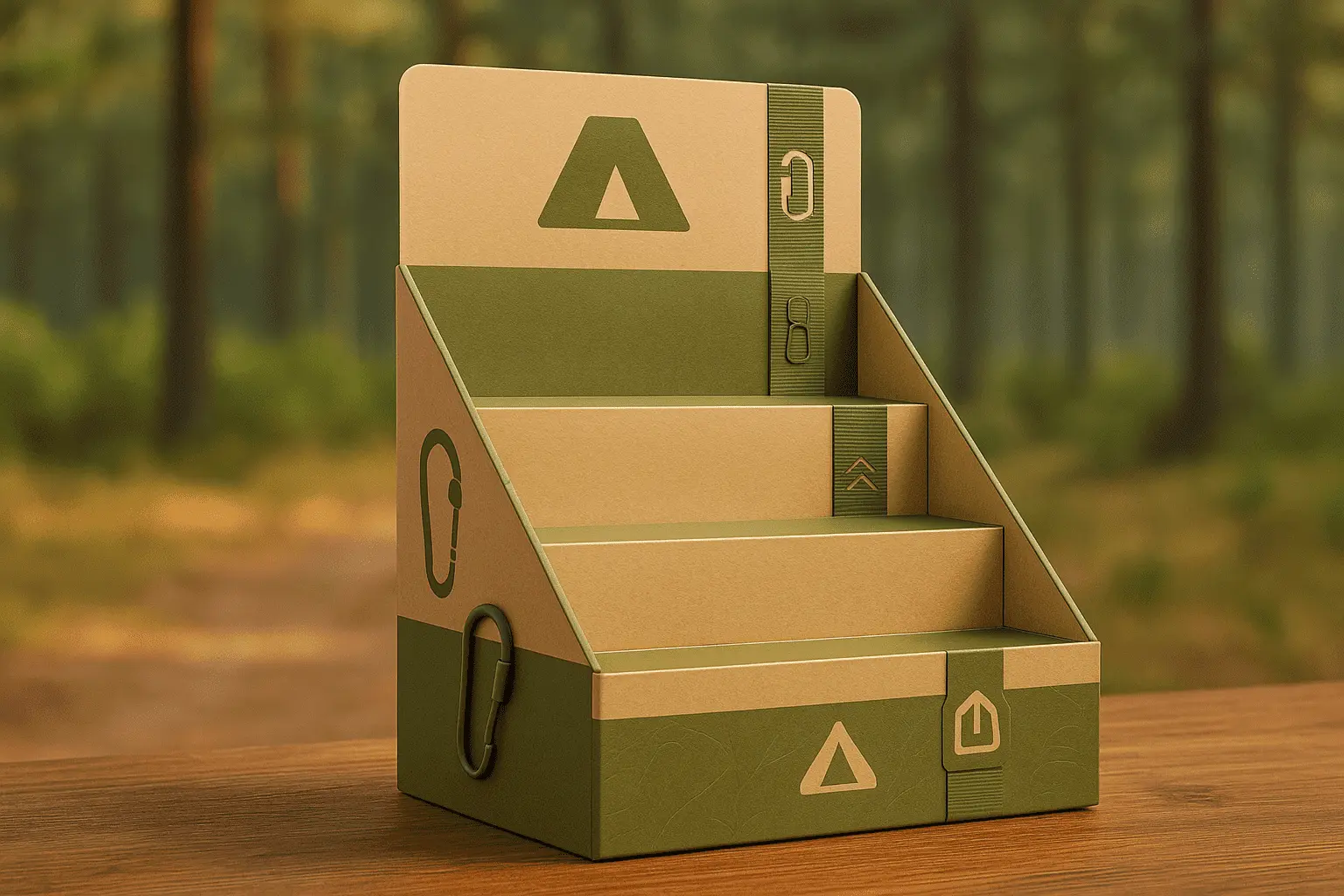
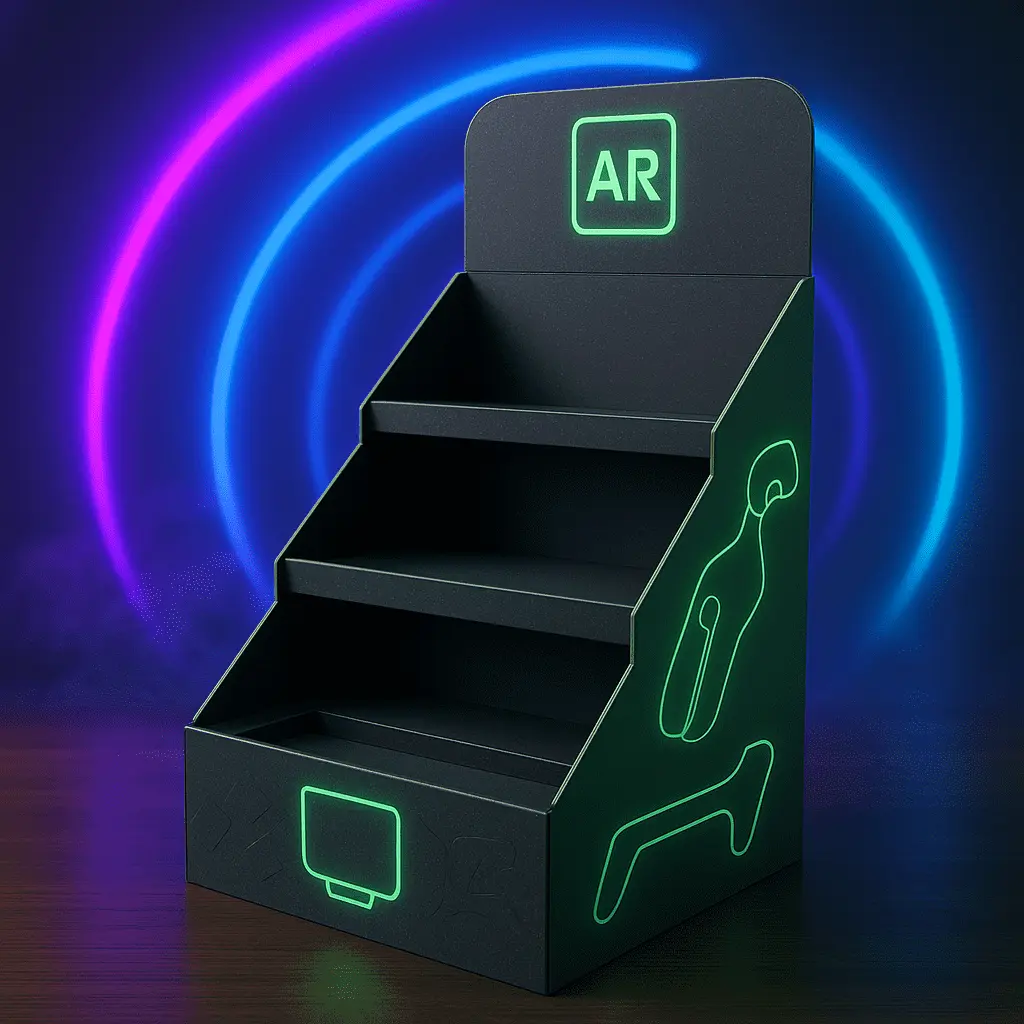
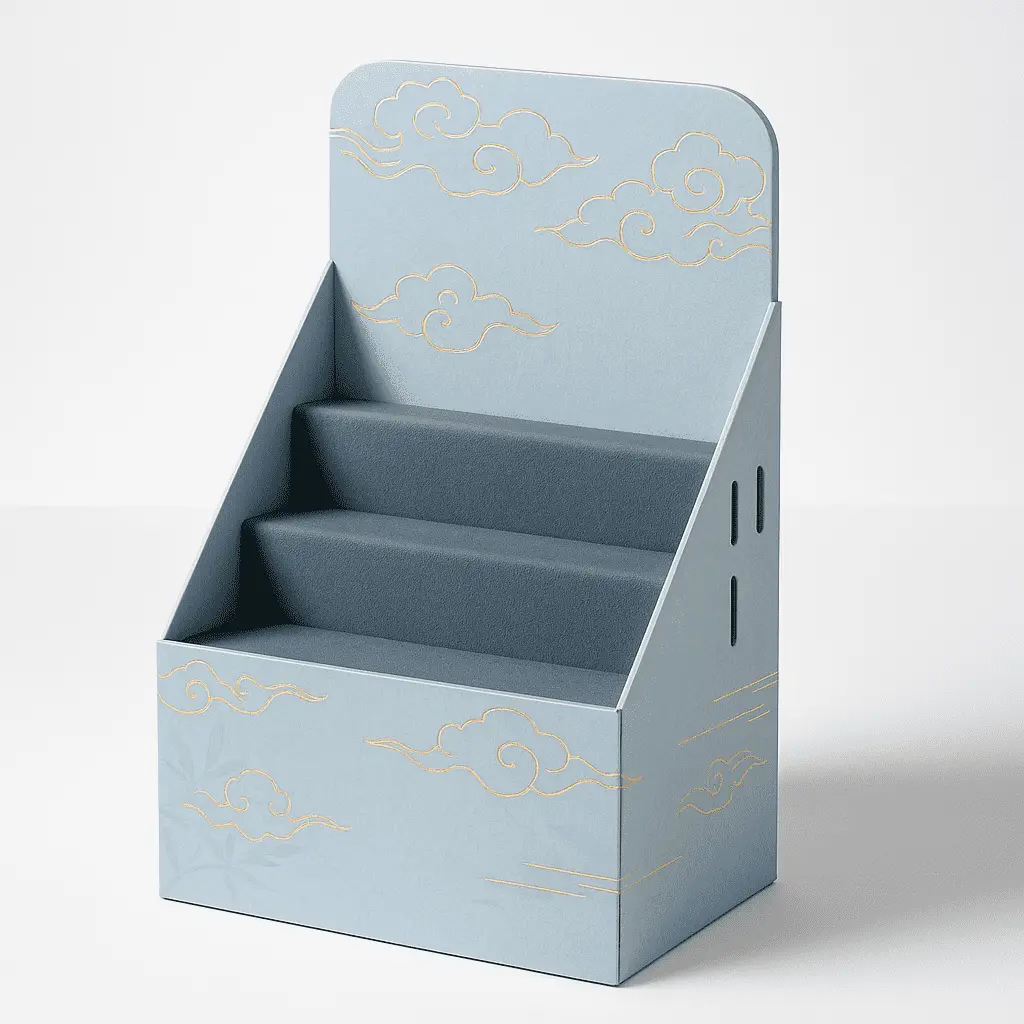
The printing options you use can make or break the first image people get of your subscription box brand. The best ways to put on subscription box brands are ones that are long-lasting, look good, are cheap, and make the unboxing experience memorable. Digital printing is good for short runs with complex designs because it is flexible. For high-volume production, offset printing is good for consistency, and specialty methods like foil stamping add fancy touches that make the brand look better. The number of orders, how complicated the plan is, how much money you have, and what your target market expects are all factors in your decision.
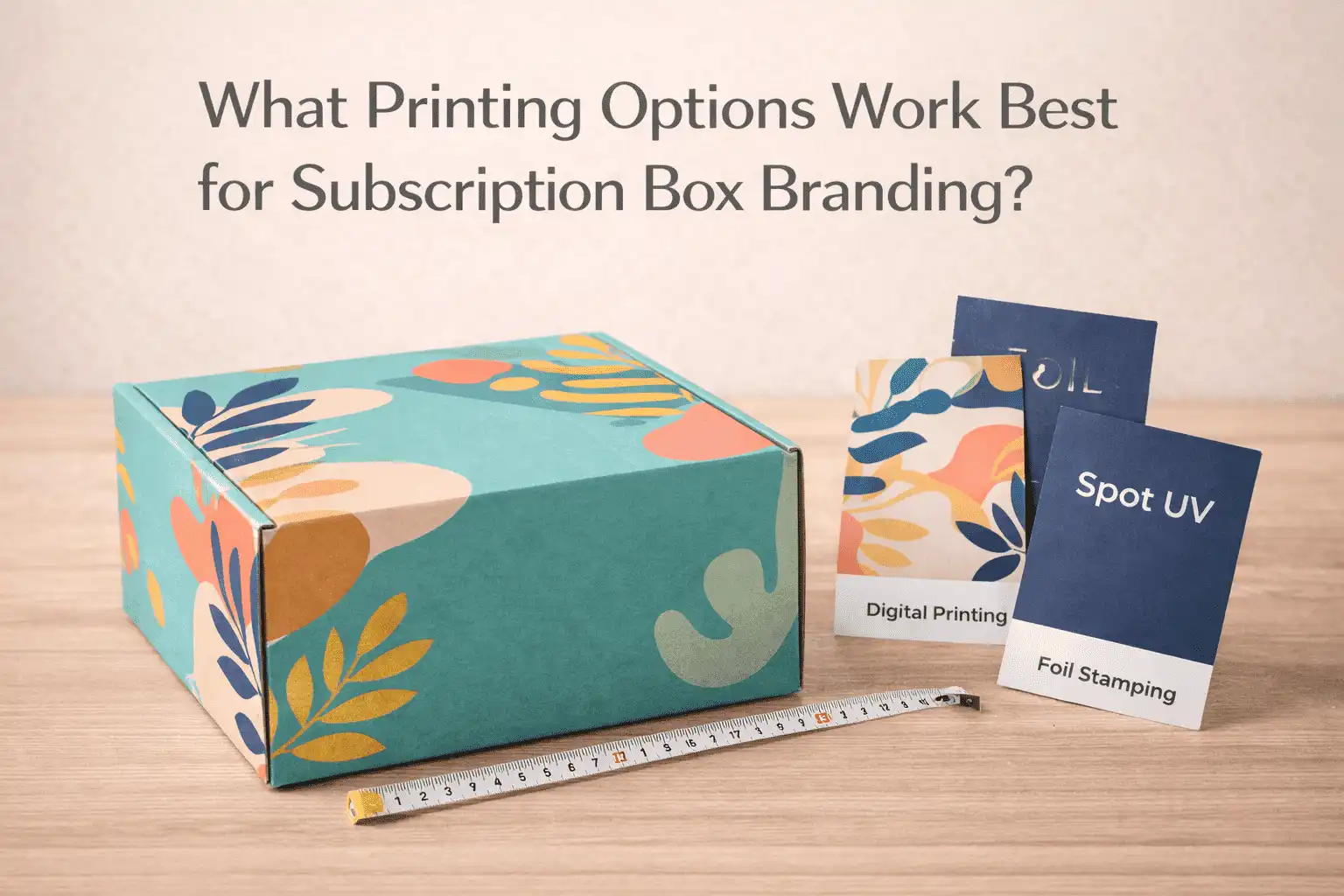
Understanding the Importance of Printing in Subscription Box Branding
Building long-term ties with customers and getting them to come back is based on subscription box printing. In today's tough market, companies need to understand that packaging is more than just protection for the product—it's a powerful marketing tool that affects how buyers think about a product as soon as they receive it.
The Psychology Behind Quality Printing
During the important unboxing moment, high-quality writing has a direct effect on how customers think. According to research, 72% of shoppers think the way a product is packaged influences their choice to buy it, and 61% are more likely to buy from brands that offer high-quality packaging again. People think a brand is more valuable when they can feel smooth surfaces, see bright colors, and read sharp text.
Challenges Facing Procurement Teams
When procurement professionals choose printing options for their branded packaging needs, they run into a lot of problems. The need to stick to a budget often means that quality goals can't be met. This leads to tough choices between saving money and maintaining the brand's reputation. These problems are made worse by the pressure of lead time, especially during peak seasons when there isn't much printing capacity. Also, keeping stability across multiple production runs while making room for design changes needs careful coordination of vendors and quality control rules.
Building Brand Recognition Through Print Quality
Customers link consistent, high-quality printing with dependability and attention to detail, creating visual brand recognition. When customers get boxes with sharp images, true-to-life colors, and professional finishes, they build good feelings about the brand that go beyond the items in the box. This emotional link leads to more repeat business and more recommendations.
Exploring Popular Printing Techniques for Subscription Boxes
There are a lot of different printing methods, each with its own pros and cons that affect both the look of the final product and the overall speed and efficiency of the process. Understanding these choices gives procurement teams the power to make smart choices that are in line with their unique production needs and business goals.
Digital Printing: Flexibility Meets Innovation
Digital printing technology makes a huge difference in the ability to customize small batches and make prototypes quickly. This method works best for brands that need to print changeable data, change designs based on the season, or get new ideas tested quickly. Digital methods don't need printing plates, which lowers the cost of getting things ready and makes it possible to produce smaller amounts economically. Digital printing technology has come a long way, and today's digital presses can reproduce colors and details very accurately, even in complicated images.
However, digital printing has problems with some specialty finishes and may be more expensive at higher numbers. The per-unit pricing structure means that standard offset methods work better for very large production runs. This is an example of economies of scale.
Offset Printing: The Gold Standard for Volume
For subscription services that need to print a lot of copies, offset printing is still the best option because it is very consistent and cheap when printing in large quantities. This method gets the colors more accurate, the text sharper, and the patterns smoother than some digital methods that don't always get it right. The Pantone color matching method makes sure that brand colors stay the same across different production batches. This is important for keeping the integrity of the brand.
Due to the time needed to prepare plates and set up the press, offset printing has longer wait times. This method is best for established subscription services with predictable volume needs because it lowers the cost per-unit greatly as the quantity increases, even though the setup costs are high.
Specialty Printing Techniques
Advanced printing methods add high-quality touches that make subscription boxes stand out in markets where there are a lot of different options. These special methods make visual experiences that people will remember. This makes higher subscription prices okay and helps keep customers.
Foil stamping makes shiny details that catch the light and make important brand elements stand out. Customers can feel the dimensional textures that embossing and debossing add. This tactile interaction makes the item seem more valuable. UV coating protects surfaces and makes them look better at the same time. It comes in a range of styles, from soft satin to high-gloss, which makes colors look brighter.
Selecting the Right Printing Method Based on Subscription Box Types and Client Needs
Carefully considering a number of different factors, such as the target audience's standards, product positioning, and operational limitations, will help you choose the best way to print. Smart procurement choices find a balance between these things to get the most effect on the brand while keeping the costs down.
Volume Considerations and Cost Analysis
The amount of production is the most important factor in choosing a printing method. If you need less than 5,000 pieces, digital printing is the way to go, but if you need more than 10,000 pieces, offset printing is the better choice. Brands can use digital printing for seasonal changes and offset for core designs with hybrid methods. This gets the best prices for all of their packages.
Cost analysis looks at more than just the price per unit. It also looks at the cost of storing goods, the risk of not using something before it goes bad, and the effect on cash flow. With digital printing, smaller runs lower the cost of inventory but raise the cost for each unit. With offset printing, bigger runs make unit economics better but require higher upfront investments.
Material Compatibility and Design Complexity
Different surfaces work better or worse with different kinds of printing. Flexographic printing works well on the wavy materials that are often used for shipping boxes. On the other hand, offset printing is better for showing details, which helps hard chipboard boxes look better. When printing on coated paper, as opposed to untreated paper, the ink behaves differently, which can affect how bright the colors look and how sharp the print is.
The difficulty of the design has a big impact on what methods are used. All printing methods work well with simple designs that use solid colors. On the other hand, designs with fine features, small text, or subtle color gradients need the accuracy of offset printing.
Sustainability Considerations
As people ask for more environmentally friendly packages, printers are becoming more aware of the impact on the environment. Inks that are water-based are better for the environment than those that are solvent-based. Inks that are vegetable-based are also better for the environment because they break down naturally. Digital printing usually makes less waste when it's being set up, and offset printing allows big businesses to use renewable energy sources more efficiently.
Choosing the right substrate is part of eco-friendly printing. Papers that are FSC-certified and choices with recycled content are now standard for brands that care about the environment.
Integrating Printing with Packaging and Fulfillment Processes in Subscription Box Production
Successful subscription services know that choices about printing affect the whole supply chain, from the first approval of the design to the last delivery to customers. This all-around method makes sure that printing decisions help operating efficiency instead of making it more difficult.
Quality Control and Consistency
Strong quality control methods and clear communication with printing vendors are needed to keep print quality over multiple production runs. You need to write down and follow color standards, and make sure that stability over time is checked regularly. Press sheets and production samples give you a way to check for quality problems before the whole production run.
Changes in the seasons and changes to the design make it hard to keep things consistent. Procurement teams need to find a balance between creative flexibility and operational stability. They need to set up change control processes that allow marketing needs to be met without lowering quality.
Lead Time Management
The time it takes to print affects inventory planning and customer happiness. Digital printing's shorter lead times make last-minute changes possible, but they might not be as good for volume price. Offset printing needs longer planning spans, but it offers predictable scheduling for subscription cycles that are already set up.
While balancing carrying costs, buffer inventory plans help handle the risks of lead time. When they use digital printing for seasonal or promotional changes, procurement teams often keep a safety stock of core package parts on hand.
Best Practices for Managing Printing Projects in B2B Subscription Box Procurement
Smart printing project management builds on smart vendor relationships, clear specifications, and proactive quality checks to get steady results that help subscription boxes do well.
Vendor Selection and Relationship Management
When you choose a printing partner, you should do more than just compare prices. You should also think about their skills, how much work they can take on, and whether their company culture fits with yours. Successful sellers show that they know a lot about subscription box needs, like how shipping can be hard on the boxes, how the amount of boxes needed can change with the seasons, and how brands need to be consistent.
Most of the time, long-term partnerships are more valuable than short-term connections. Established vendors learn about the needs of different brands, keep color standards in mind, and talk to clients about possible problems or ways to make things better.
Sample Testing and Approval Protocols
Thorough sample testing makes sure that printed packaging looks and works like it should and stops expensive mistakes in production. Color accuracy, print sharpness, material durability, and how well it works with delivery processes should all be tested.
Digital proofs show the right colors for design approval, and real samples show how inks work on different surfaces. Shipping tests on printed boxes check for problems with ink adhesion or coating durability that could affect quality while in transit.
Conclusion
When it comes to subscription box branding, finding the best printing choices means you have to think about both the quality you want to achieve and the way your business actually works. Digital printing allows for more tailoring and smaller batches, but offset printing is better for producing large amounts of material since it is consistent and cost-effective. Specialty methods add high-quality touches that make higher subscription prices reasonable and keep customers longer.
Understanding your individual needs, such as design difficulty, volume predictions, budget limits, and brand positioning, will help you succeed. Your packing shouldn't make your business goals more difficult. Instead, it should help you reach them. You can make sure of this by working with knowledgeable printers who understand the subscription box model. Good printing turns normal packages into unique brand experiences that make customers want to buy from you again and help your business grow in the long term.
FAQs
For new subscription box brands, which printing method gives the best value for the money?
Because there are fewer minimum orders and lower setup costs, digital printing usually gives new subscription box brands the best start. This approach lets companies try out ideas and see how the market reacts without having to buy a lot of stock. When runs exceed 5,000 to 10,000 units, switching to offset printing normally results in cheaper costs per unit.
How can I make sure that the color stays the same from one print job to the next?
To keep the colors consistent, you need to set Pantone color standards, work with suppliers who use G7 color management systems, and ask for press sheets to be approved before the full production runs. Regular calibration checks and keeping full color specs on hand help make sure that things stay the same over time. To get good results, it is important to work with vendors who know these standards.
How long should I expect to wait for different ways of printing?
Once it is approved, digital printing generally takes 5 to 10 business days to be finished, but offset printing takes longer, usually 10 to 15 business days, because of how plates have to be made and set up. Special methods, like metal stamping or embossing, could add 3 to 5 days to the time it takes. Planning ahead and keeping extra product on hand are good ways to deal with these lead times and avoid rush charges.
Partner with Fetching Printing for Superior Subscription Box Solutions
With more than twenty years of experience in packing, Fetching Printing offers subscription box companies dependable, high-quality printing. Our 50,000-square-meter factory, which has the best printing machines in the business, is staffed by over 300 skilled professionals who are committed to giving our clients around the world great results.
We use digital, offset, flexographic, and specialty printing methods. This lets us find the best way to meet your number needs, design difficulty, and budget. With ISO9001-2015 quality certifications and G7 color management systems, we keep the uniformity and accuracy that subscription box brands need.
Our experienced R&D team of packing engineers supports the design and production process by giving advice on how to choose materials, make structures stronger, and use printing techniques. Our team can adapt to your needs, whether you need cheap choices for high-volume production or fancy ones for high-end luxury products.
Make your subscription box packing into a potent branding tool that encourages repeat business and helps your company expand. Email us at support@fetchingprinting.com if you want to talk about how to print your subscription boxes and get samples that show our quality and what we can do.
References
Smith, Jennifer. "Digital vs Offset Printing: A Comprehensive Guide for Packaging Professionals." Packaging Technology Journal, 2023.
Rodriguez, Carlos. "Sustainable Printing Practices in E-commerce Packaging." Green Packaging Review, 2024.
Thompson, Sarah. "The Psychology of Unboxing: How Packaging Design Influences Consumer Behavior." Marketing Research Quarterly, 2023.
Lee, Michael. "Quality Control Systems in Commercial Printing Operations." Print Production Management, 2024.
Anderson, Lisa. "Cost Analysis Framework for Packaging Procurement Decisions." Supply Chain Management Today, 2023.
Williams, David. "Specialty Printing Techniques for Premium Package Design." Luxury Packaging Magazine, 2024.