Best Practices for Packing and Transporting Floor Displays
To properly pack and move floor display units, you need to have specialized knowledge, strong materials, and a plan to keep the product's identity throughout the supply chain. These freestanding display pieces are hard to move because their structures are complicated and their sizes range. Professional packing keeps things from getting damaged and cuts down on shipping costs, so following the right handling rules is important for store success. When procurement teams know the best ways to do things in their business, they can keep brand reputations intact during distribution and cut down on costs.

Common Challenges in Packing and Transporting Floor Displays
Moving and packing floor display units can be hard for a lot of reasons, which can have a big effect on the quality of the goods and how efficiently the business runs. Because these merchandising pieces are so complicated, they have weaknesses that need to be carefully thought through during the planning process.
Structural Vulnerability and Damage Prevention
There are a lot of risks that come with moving and handling display stands. During building operations and transfer, things with sharp edges, parts that stick out, and fragile graphics are more likely to get damaged. When you combine lightweight building materials with large sizes, you get a natural weakness that makes traditional packing methods difficult.
One of the most common types of damage is corner crushing, which happens when handling tools or building pressure can weaken the structure because the edges aren't protected well enough. Scratches and damage to prints often happen when there aren't enough protection barriers between units or when they come into touch with rough surfaces. When screens have electronic parts or high-end finishes that need special security procedures, these problems get worse.
Space Utilization and Cost Optimization
When shipping containers and cars aren't used to their full potential, inefficient packing can cause big increases in transportation costs. Numerous display units have odd shapes or long lengths that make them hard to pack, which wastes room in the truck and costs more for freight. To get the best cost-effectiveness, engineers have to carefully balance the need for safe packaging with the need to save room.
Problems with weight distribution happen when displays have a lot of heavy parts in a few places. This makes them unstable when stacked and could cause them to shift while being moved. This imbalance can damage both the display and the goods around it, so it needs special ways to be secured and safety steps to be taken.
Standardization and Protocol Development
Because there aren't any standard packing rules for all types of displays, security quality and handling methods aren't always the same. If there aren't any clear rules, warehouse workers might use bad packing methods that make products less safe or cause handling and shipping to take longer than necessary.
Effective Materials and Techniques for Floor Display Packing
Choosing the right packing materials and using tried-and-true methods are the keys to keeping your floor display safe during shipping. To meet the specific needs of store merchandising fixtures, modern package solutions use both old and new technologies and materials.
Advanced Material Selection
High-performance corrugated cardboard is still the most common type of show packing because it has great strength-to-weight ratios and can be made into any shape or size. Double-wall and triple-wall designs protect heavier displays better, and special fluting patterns improve resistance to crushing and stacked strength. Adding coatings that are resistant to moisture shields against damage caused by humidity during long-term storage or travel in harsh conditions.
Foam plugs are very important for keeping individual parts in place and stopping them from moving while they're being shipped. When it comes to shock absorption, polyethylene foam is great, while polyurethane options are better at molding to oddly shaped objects. For custom-molded foam solutions to be cost-effective, they need to be made in bigger quantities so that they fit perfectly and defend as well as possible.
Shrink wrap and stretch films protect against dust, moisture, and small hits while still letting you see what's inside for inspections. Heat-shrinkable materials stretch tightly around the shape of the display, adding extra support to the structure while it is being handled. Multi-layer films are resistant to punctures and UV light, so they can be stored outside for longer periods of time.
Strategic Packing Methodologies
Choosing between disassembly and complete packing has a big impact on the amount of security needed and the cost of work. While disassembly cuts down on shipping volume and makes safety measures easier, it takes longer to put things back together at the destination facility. Intact packaging keeps the purity of the show and cuts down on the number of steps needed for handling, but it needs more advanced protective systems.
When you layer your components correctly, you make multiple protection zones that spread out impact forces and keep sensitive areas from coming into direct touch with each other. By putting hard dividers between shelves and graphics panels in a smart way, damage from compression can be avoided during stacking. The most common damage points found in shipping studies have been fixed by adding corner guards and edge cushioning.
Systems for keeping records and labels make sure that things are handled correctly all along the logistics chain. Mishandling is less likely to happen in the warehouse when there are clear direction signs, fragile marks, and assembly instructions. Integration of barcodes allows for tracking and control of goods, and it also helps automated sorting systems work in delivery centers.
Optimizing Transportation Methods for Floor Displays
To find the best shipping answer, transportation optimization needs to carefully look at how the floor display will be displayed, how they will be delivered, and how much they will cost. Different types of transportation each have their own pros and cons that must be taken into account when planning a project.
Modal Selection and Consolidation Strategies
Road delivery is flexible and offers door-to-door service, which meets most show distribution needs. Trucking is great for fragile or high-value items because it lets you control the loading processes and keep the screens safe according to certain rules. Regional distribution networks make last-mile delivery to stores quick and easy while following chain of custody rules.
When shipping internationally or in large quantities, sea freight is often the most cost-effective option. However, because of the longer travel times, items need to be better protected during storage and handling. Techniques for stuffing containers become important for making the best use of room while still protecting each show. Changes in humidity and temperature that happen during water travel are taken into account when climate control is thought about.
Air freight is used for pressing deliveries and high-value shows where speed is worth the extra cost of transport. Damage risks are kept to a minimum in air cargo facilities because they handle items less often and have a controlled environment. However, bigger display units may not be able to be used because of size restraints.
By putting several orders into one freight movement, consolidated packages save money on shipping costs. For this method to work, delivery plans must be carefully coordinated, and security needs must be met for all types of displays. Load planning software helps make the best use of containers while following the right rules for weight distribution and security.
Transit Security and Protection Systems
Pallet systems have standard handling connections that let machines load and unload the goods, lowering the risks of human handling. Custom box designs can work with standard office equipment while still accommodating displays with odd sizes. When securing straps and corner protectors are built into pallet designs, they make full security systems.
Vibration dampening materials deal with the constant low-level hits that happen during transportation by road. Specialized padding materials protect display parts and connections from wear and tear and absorb road noise. Resonance effects that can cause display parts to slowly come loose are kept to a minimum by strategically placing damping elements at support points.
Climate control methods keep temperature-sensitive items safe and stop humidity damage while they are being moved through different types of weather. Desiccant packages and moisture barrier films keep the humidity level steady in packaging methods. Temperature tracking devices keep records of the weather conditions during the transit time.
Case Studies: Successful Packing and Transport of Floor Displays
Applications in the real world show that advanced packing solutions can protect floor display units while also lowering costs and improving shipping times. These examples show how choosing the right materials and coming up with new ways to do things can make a real difference in reducing damage and increasing operating efficiency.
Multi-Material Reinforcement Success
When a major electronics store switched to a multi-material packaging method for their promotional stands, the number of broken displays dropped by 35%. High-density foam corner guards, corrugated separators, and shrink-wrap consolidation were used together to make more than one layer of security. By placing custom-made impact absorbers at weak connection places, the structural breakdowns that used to happen during lifting operations were stopped.
The packing system had movable parts that could be moved around to fit different screen sizes while still meeting safety standards. Retail stores cut setup time by 40% with color-coded assembly directions, and the fact that some parts could be used again and again saved money in the long run. This store saved more than $50,000 a year on damage claims, which shows how investing in good packing can pay off.
Flat-Pack Innovation Implementation
A makeup company saved a lot of money on shipping costs by making a floor display system that could be put together in minutes instead of having to be shipped in boxes. The modular design used precisely cut corrugated parts that could be put together without any tools or glue, making handling easier at the final location.
Engineers made changes like making link points stronger and making building steps easier, which kept the structure's integrity while making things simpler. The flat-pack method allowed containers to be grouped together, which cut shipping costs by 45% per unit. Standardized packing measurements also made warehouse storage more efficient. Quality control tests showed that screens that were put together were just as durable as standard ones that were already put together.
To get these results, it was important for design teams and transportation providers to work together on preparation. Transportation problems and possibilities were found early on in the development process, which affected design choices. Regular reviews of performance and feedback gathering made it possible to keep improving both the packing and assembly processes.
Conclusion
To pack and move floor display units successfully, you need to know a lot about the qualities of the materials, how to handle them, and how to make operations work better. When you combine advanced protection materials with strategic transportation planning, you get strong systems that keep costs low and damage to a minimum. New technologies and environmentally friendly products are always opening up new ways to improve performance and care for the earth. Companies that spend money on good packing methods and keep up with changes in the industry gain a competitive edge through lower damage rates, lower shipping costs, and happier customers.
FAQ
What packaging materials provide the best protection for delicate floor displays?
Multi-layer packaging systems combining high-density foam inserts, corrugated separators, and moisture-resistant films offer superior protection for delicate displays. Custom-molded foam provides precise component protection, while shrink wrap creates environmental barriers. Corner protectors and edge cushioning address the most vulnerable areas where damage typically occurs.
How can transportation costs be reduced without compromising safety?
Consolidated shipments optimize freight costs by combining multiple orders while maintaining individual protection standards. Flat-pack designs require assembly at the target facility, but they lower the amount of stuff that needs to be shipped by a lot. Choosing the mode of transport based on how quickly it needs to be delivered strikes a balance between speed and cost, using land transport for normal transfers and air freight only when needed.
What essential information should be included on packaging labels?
Comprehensive labeling includes orientation indicators, handling instructions, fragile markings, and assembly diagrams. Barcode integration enables tracking and inventory management throughout the supply chain. Clear identification of contents, destination information, and special handling requirements reduces mishandling risks and supports efficient processing in distribution centers.
Partner with Fetching Printing for Superior Floor Display Packaging Solutions
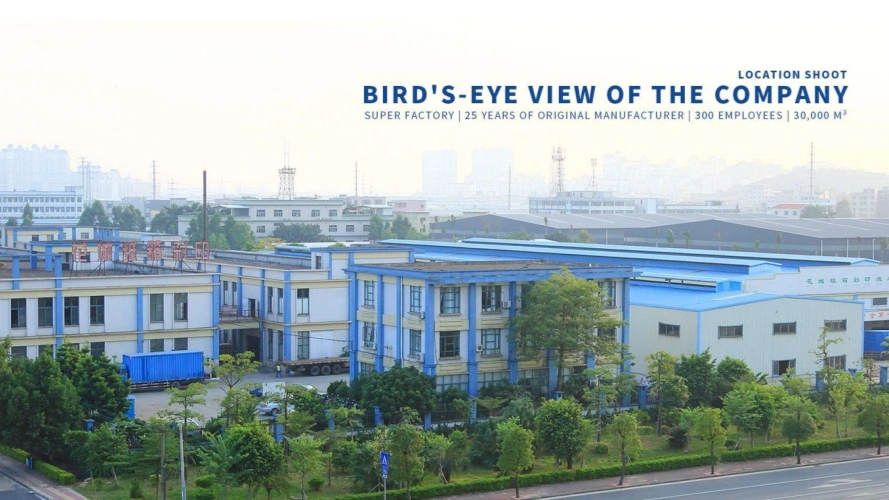
Protecting your retail investments requires expertise in specialized packaging solutions designed specifically for floor display applications. At Fetching Printing, our team of packaging engineers combines 25 years of industry experience with cutting-edge materials and testing protocols to ensure your displays arrive in perfect condition. Our complete quality management systems and advanced protective designs have helped top brands cut down on damage by more than 40% while lowering their transportation costs.
As a trusted floor display manufacturer, we understand the unique challenges facing procurement teams in today's competitive retail environment. Our R&D department specializes in custom packaging solutions that address specific transit risks while meeting sustainability goals and budget requirements. From initial concept through delivery, our support team at support@fetchingprinting.com is here to help you make sure that your packaging plan works and improves the image of your brand.
References
International Safe Transit Association. "Packaging Performance Standards for Retail Display Units." ISTA Technical Guidelines, 2023.
Smith, Robert J. "Advanced Materials in Protective Packaging: Applications for Retail Merchandising Fixtures." Packaging Engineering Quarterly, Vol. 45, No. 3, 2023.
Chen, Maria L. "Sustainable Packaging Solutions for Point-of-Purchase Displays: Environmental Impact and Performance Analysis." Journal of Packaging Technology, 2023.
Thompson, David K. "Logistics Optimization Strategies for Retail Display Distribution." Supply Chain Management Review, Issue 2, 2023.
Williams, Sarah M. "Smart Packaging Technologies: IoT Applications in Retail Display Transportation." Packaging Innovation Today, Vol. 12, 2023.
Johnson, Michael R. "Cost-Benefit Analysis of Multi-Modal Transportation for Retail Fixtures." International Logistics Management, No. 8, 2023.