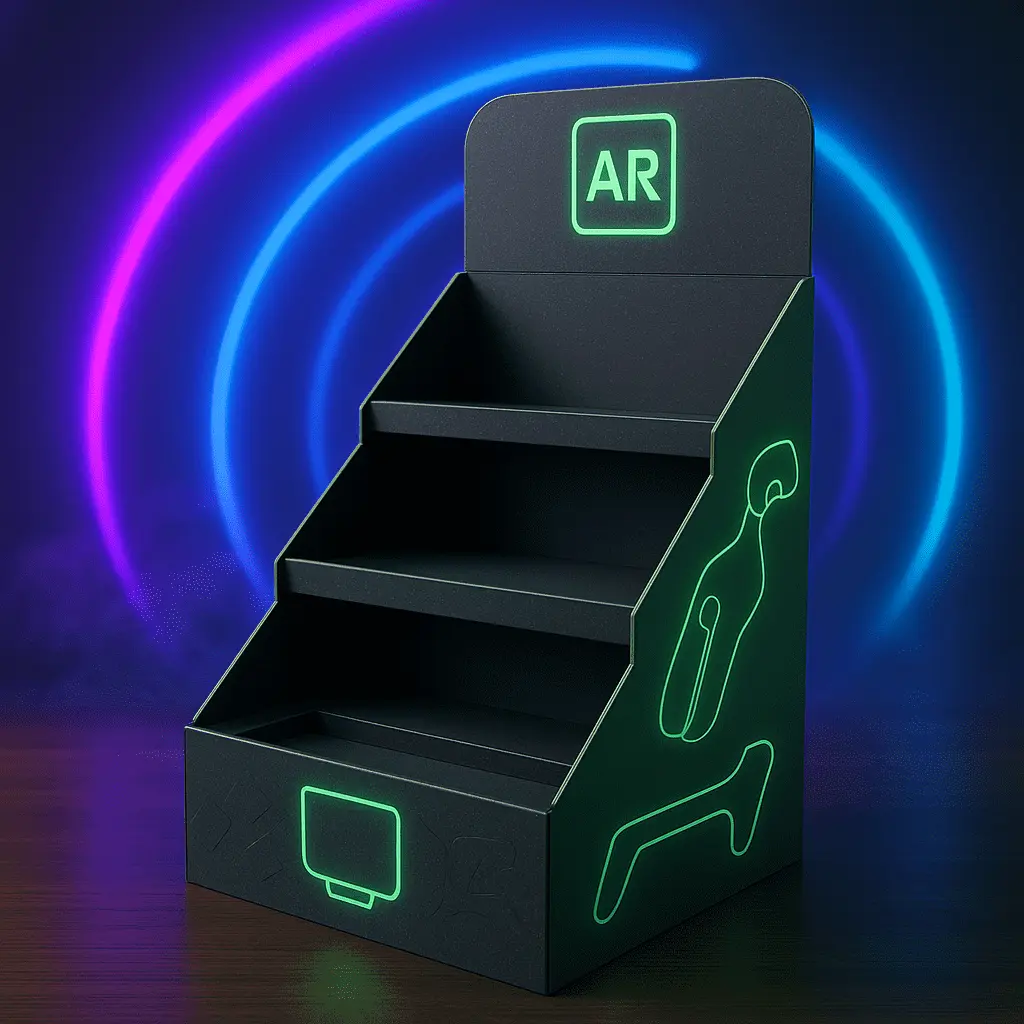
Quality Inspection Checklist for Floor Display Stands
When looking for store fixtures, it's important for business success to use a full quality review plan for floor display stands. The quality of these stand-alone display boxes has a direct effect on sales because they are important points of contact between brands and customers. To make sure your investment lasts, a good review procedure checks the structure's strength, the materials used, the print quality, and how well the product works. Knowing these quality standards helps purchasing teams make smart choices while lowering the risks of displays that aren't up to par, which could hurt the brand's image or put customers at risk.

Understanding Floor Display Stand Quality: Key Dimensions to Inspect
Material Specifications and Durability Standards
The first step in judging quality is to look at the main materials that were used to build it. High-quality chemical pulp and the right flute setups should be used to make corrugated cardboard displays. E-flute provides better print surfaces, while B or BC-flute combinations provide better structural strength. The thickness of the material must match the load standards. Depending on the weight of the product and how long it will be on show, the thickness should be between 3 and 7 mm.
When it comes to metal fixed displays, they need powder-coated finishes to keep them looking good for a long time. For the best security, the layer should be between 60 and 120 microns thick. To make sure they last under store lighting conditions, acrylic parts need to be checked for clarity and stress-crack resistance.
Load-Bearing Capacity Assessment
Testing for structural stability is an important part of quality checking that can't be skipped. Heavy-duty floor display stands must be able to hold 15 to 30 kg per shelf without bowing outwardly. Premium versions that are strengthened and have secret metal support bars should be able to hold more than 50 kg without losing their stability.
As part of load testing methods, the real weight of the product plus 20% is put on it for 48 to 72 hours. This longer testing time finds possible flaws in the structure that might not be seen during short checks. Any bending, tilting, or joint separation is a sign of bad building.
Print Quality and Surface Finish Evaluation
Visual appeal has a direct effect on how engaged a customer is, which is why evaluating print quality is so important. Litho-lamination methods should produce clear 4C CMYK impression printing that shows the same colors all over the surface. Using spectrophotometers to measure color brightness makes sure that brands are followed and that the product looks professional.
Surface treatments, such as UV varnish or shine coating, protect against water damage and wear. These finishes shouldn't have any popping, peeling, or spots where the spread isn't even. Standardized scratch resistance testing helps make sure that coatings will last in high-traffic store settings.
Floor Display Stand Quality Inspection Process: Step-by-Step Checklist
Visual Inspection Protocol
The checking method for floor display stand starts with a careful visual check to find any problems with the making and make sure it meets the design specifications. All areas should be checked by inspectors for quality of finish, color uniformity, and print alignment. Accuracy in edge cutting affects both looks and safety, so you need to pay close attention to make sure you get clean, burr-free cuts.
Joint construction needs extra attention because these parts are put under the most stress when the building is put together and used. Glue should be spread out evenly and enough so that there is no extra that could affect how it looks or how it works. Die-cutting accuracy has a direct effect on how easy it is to put together and how stable the end product is.
Mechanical Testing Procedures
Mechanical evaluation includes a number of testing situations that are meant to mimic how something would be used in the real world. Controlled strikes are used in impact resistance tests to find out how much damage can be done and how quickly the structure can rebound. This testing is especially important for stores with a lot of foot traffic where displays could accidentally hit each other.
Testing how easy it is to put up and take down temporary displays by putting them together and taking them apart again. The job should be done in 5 to 7 minutes without the need for special tools or too much force. Repeated assembly processes help find possible wear spots and patterns of joint decline.
Functional Performance Validation
In addition to testing for basic structure needs, functionality testing also looks at how the user will experience the product. Product usability testing makes sure that customers can easily get things without affecting the steadiness of the display. The width and space between shelves must be right for the items that will be put on them while still looking good.
Testing the functionality of the wheels, checking the closing mechanism, and analyzing the weight distribution are all parts of figuring out how portable a mobile display is. These things have a direct effect on how well and safely shop workers can move or store displays.
Comparing Floor Display Stands: What to Look for in Quality Between Types?
Temporary vs. Permanent Display Considerations
When it comes to quality, temporary cardboard displays are not the same as fixed features. For two to four week promotional efforts, cardboard pieces need to be able to be printed on easily and have enough strength to hold up. The corrugated board shouldn't be able to soak up water, which could cause it to break early in hot store settings.
Permanent floor display stand care more about how long they last than how much they cost at first. Metal frames must show they can fight corrosion by being tested with salt spray, and plastic parts must be checked for UV stability to make sure they don't lose their color or become brittle when exposed to store lighting.
Custom Design Quality Verification
It's important to pay extra attention to manufacturing quality when making custom floor display stands because changes to the design often create new stress points. CAD file compliance verification makes sure that the final product exactly fits the approved specs. For custom-fitting parts and features that are built in, tolerance values become very important.
Before full production starts, checking prototypes is a great way to find out about problems that might arise. Long-term load testing, environmental exposure, and human interaction simulations should all be part of this testing step so that design flaws can be found early on.
Material-Specific Quality Indicators
To make sure that products can be seen clearly, acrylic displays must be tested for visual sharpness. Stress-crack resistance testing at different temperatures stops field failures that could be dangerous. The quality of edge sharpening affects both how it looks and how safe it is to use. Smooth, professional finishes are needed.
For fixed parts, metal displays need to have their weld quality checked, and mechanical links need to have their hardware checked. The quality of the fasteners has a direct effect on the long-term stability and trustworthiness of the assembly. This is why material grade verification is an important part of buying choices.
Procurement Best Practices: How to Ensure Quality When Ordering Floor Display Stands?
Supplier Qualification and Assessment
Setting quality standards starts with a full review of the supplier's manufacturing skills, quality processes, and past performance. Verification of ISO approval gives a basic guarantee of structured quality management. FSC approval is becoming more and more important for brands that care about the environment and need proof of sustainable sources.
Checking references with past clients gives you information about real-world performance that specs alone can't give you. Site trips to factories let you see how they make things, how they check the quality of their work, and how skilled they are overall.
Quality Specification Development
Specifications must be very exact and include all important quality factors, such as material grades, limits for size and shape, finish requirements, and performance standards. Clear acceptance criteria get rid of biased perception and set objective standards for inspection upon arrival.
Sample review methods for floor display stand make sure that everyone knows what quality standards are expected before production starts. Approved samples are used to compare the quality of different batches and protect the company legally in quality issues.
Batch Inspection and Acceptance Protocols
Plans for statistical sampling that are based on the number of items ordered help balance the need for a full check with the limitations of time and money. AQL (Acceptable Quality Level) standards set the standards for how much of a flaw can be tolerated and what kind of defects should be rejected.
Inspection records, material certificates, and photos showing quality compliance should all be required as proof. This paperwork helps keep track of quality and gives useful feedback for efforts to keep getting better.
Maintenance and Post-Inspection Tips to Prolong Floor Display Stand Life
Preventive Maintenance Strategies
Regular care plans that are tailored to the materials and how they are used make floor display stands last longer while still looking good. When cleaning, the right chemicals or harsh methods must be used so that the materials don't get damaged.
Monitoring the structural stability helps find problems before they become dangerous or cause the display to stop working. Joints, hinges, and weight-bearing parts should be the main focus of regular inspections because they are under a lot of stress.
Storage and Handling Guidelines
Proper keeping conditions protect screens when they're not in use and make them last longer. Controlling humidity stops cardboard from breaking down and metal from rusting. Stable temperatures stop materials from breaking down and physical changes.
Retail workers who have been trained in proper handling are less likely to damage things when they are setting up, moving, or taking down. Clear directions and pictures help make sure that the right steps are taken to protect the structure and look of the display.
Troubleshooting Common Issues
When problems like weak joints, surface wear, and stability issues are caught early, they are usually easy to fix. To cut down on downtime and replacement costs, service processes and the availability of new parts should be set up during the initial purchase.
Warranty claim processes and seller contact techniques make sure that quality problems that last longer than expected are fixed quickly. Problems and answers should be clearly written down so that future procurement choices can be based on that information.
Conclusion
Using a thorough quality review plan for floor display stands will protect your investment and make sure they work well in stores. This methodical approach includes checking the materials, trying the structure, checking the functionality, and following regular care plans that make the display work better and last longer. Making good purchasing choices based on thorough inspection criteria lowers risks, keeps costs low, and improves how a brand looks in stores that are competitive.
FAQ
What are the most critical quality checks for floor display stands?
Some of the most important quality checks are checking the structure load, making sure the print quality is correct, making sure the material meets the specifications, and making sure the assembly works properly. Load tests should make sure that the display can hold the weight of the product plus an extra 20% for 48 to 72 hours without bowing.
How do I verify the durability of corrugated cardboard displays?
To make sure that corrugated cardboard displays are structurally sound, they need to be breaking strength tested (BST) and edge crush tested (ECT). Also, testing for moisture resistance makes sure that the display stays stable in normal store humidity conditions for as long as it's supposed to.
What certifications should I look for when purchasing floor display stands?
Important certificates include FSC certification for eco-friendly materials, ISO quality management system compliance, and REACH rule compliance for safe materials. These approvals make sure that store spaces are safe and good for the environment.
Partner with Fetching Printing for Superior Floor Display Solutions
Finding high-quality store displays takes knowledge and relationships with dependable manufacturers. It has been over twenty years since Fetching Printing has been making high-quality floor display stand solutions that meet the strictest quality standards. Our ISO-certified facilities and experienced engineering team make sure that every display meets your needs and gives your business the sturdiness and good looks it deserves.
Get in touch with our packaging experts at support@fetchingprinting.com to talk about your show needs and find out how our complete quality control systems can make the buying process easier. As a reliable floor display stand maker, we offer full solutions, from coming up with ideas to delivering the finished product.
References
International Safe Transit Association. "Packaging Testing Standards for Retail Display Units." ISTA Guidelines Manual, 2023.
Corrugated Packaging Alliance. "Structural Design Guidelines for Point-of-Purchase Displays." Industry Standards Publication, 2022.
Retail Industry Leaders Association. "Best Practices for In-Store Display Quality Management." Retail Operations Guide, 2023.
Forest Stewardship Council. "Certification Requirements for Retail Display Materials." FSC Standards Documentation, 2022.
American Society for Testing and Materials. "Standard Test Methods for Corrugated Board Strength Properties." ASTM International Standards, 2023.
Point of Purchase Advertising International. "Quality Benchmarks for Retail Display Manufacturing." POPAI Industry Report, 2022.