Can Mailed Box Be Any Color
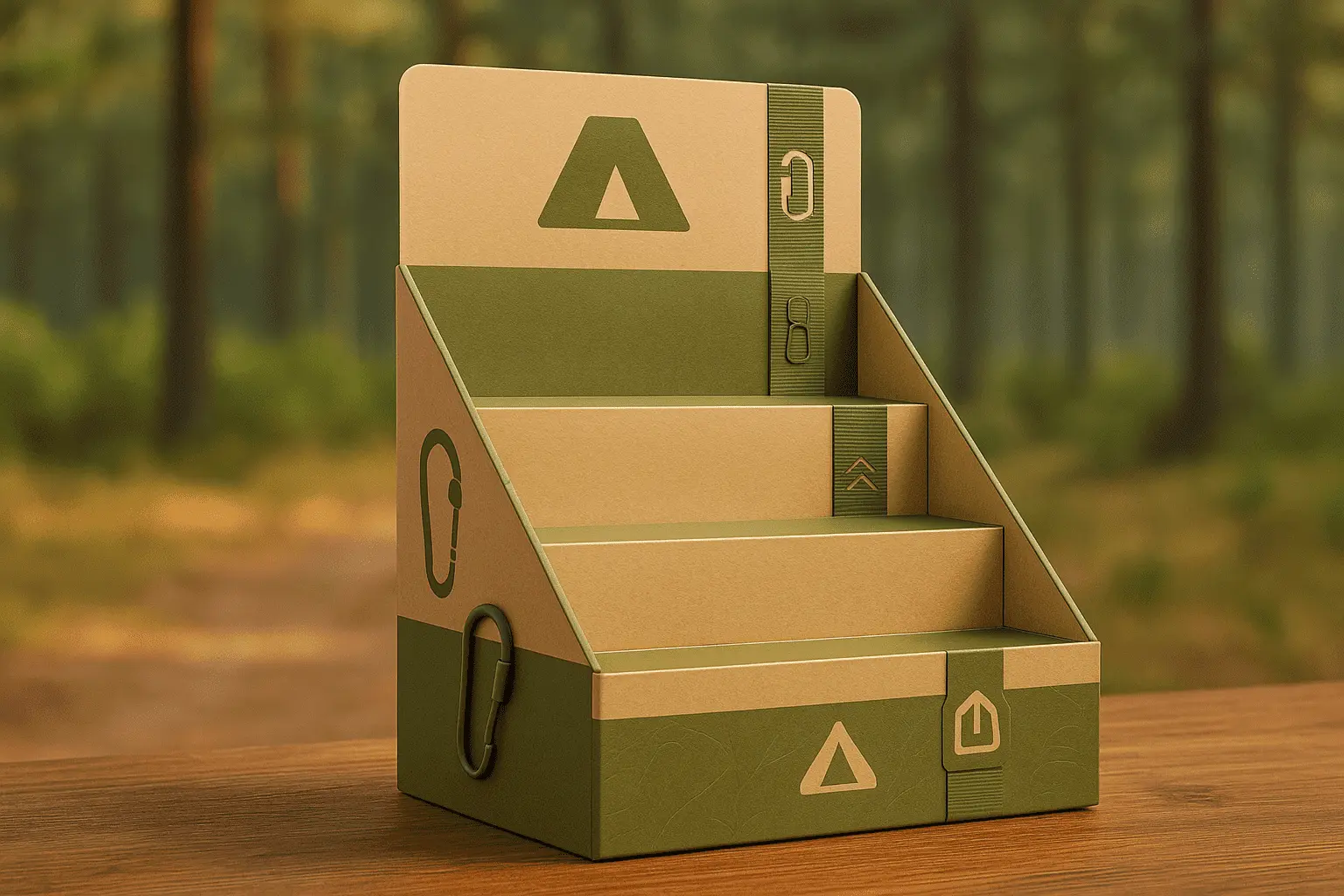
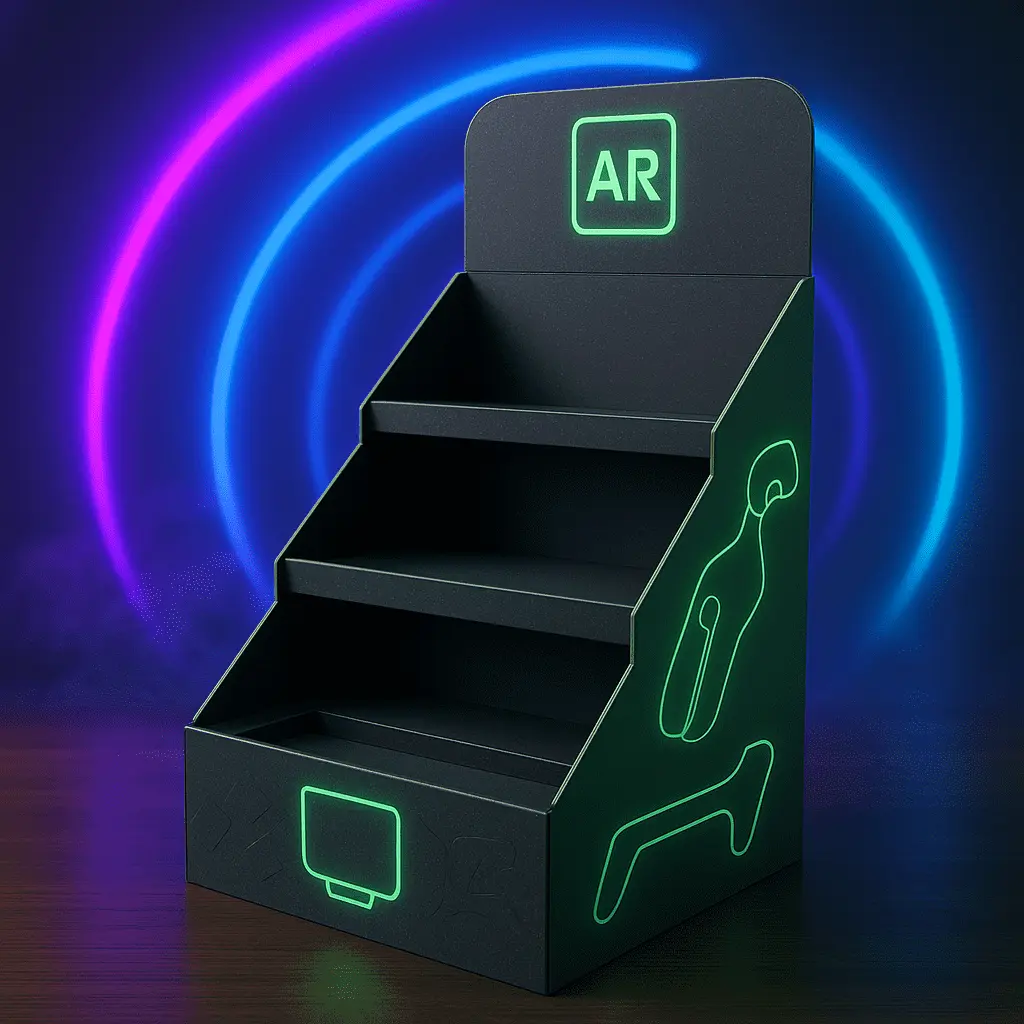
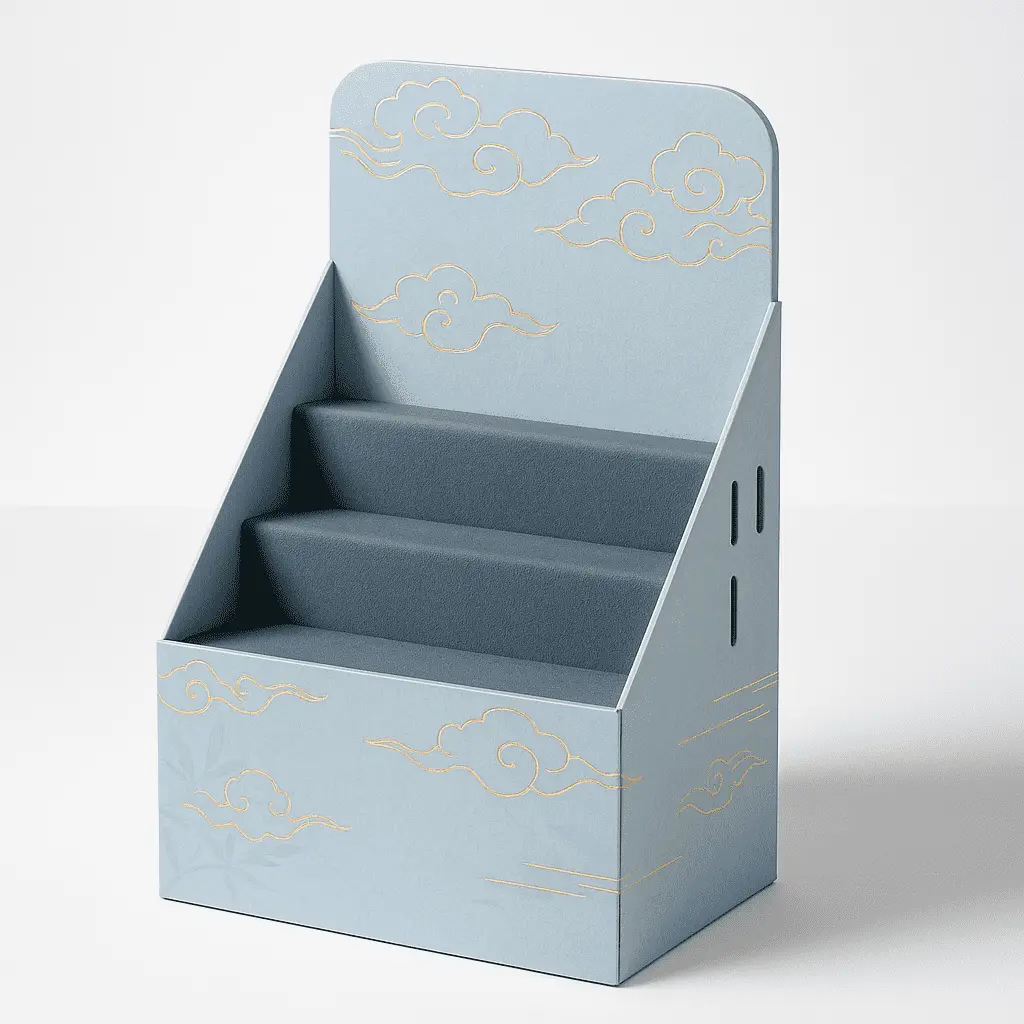
Yes, mailer boxes can be made in almost any color you can think of. CMYK, Pantone matching systems, and digital printing methods make it possible for businesses to make color mailer boxes with bright colors that cover the whole visible range. Today's corrugated packing options come in an endless range of colors, from bright brand colors to soft pastels and sleek metallics. They also keep the structure intact and last a long time during shipping. Because they are so adaptable, normal shipping crates can be turned into powerful marketing tools that help people recognize your brand from the warehouse to the door.
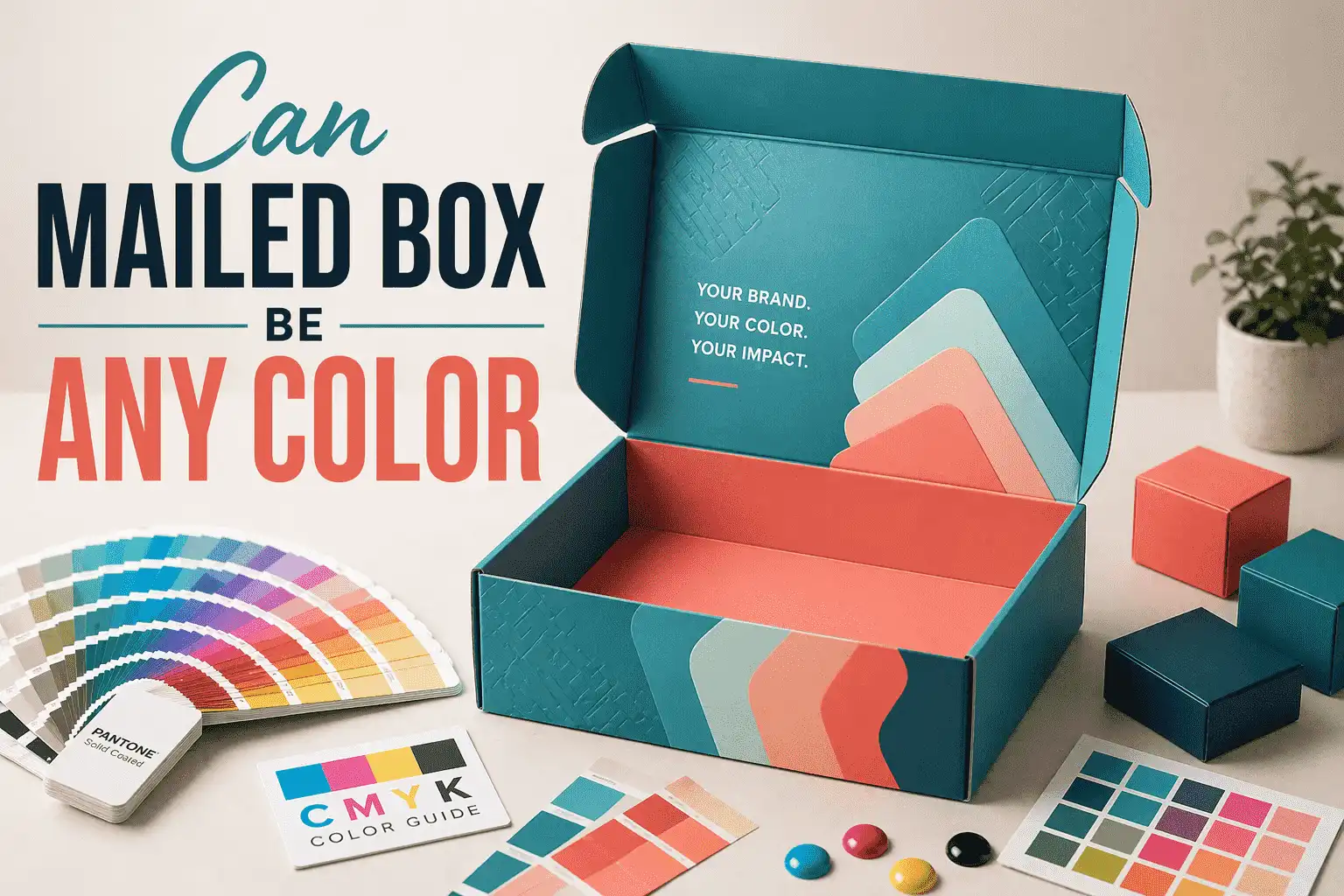
Understanding Color Mailer Boxes: What They Are and Why Color Matters
Technical Construction and Design Standards
A color mailer box is a high-end corrugated packing option that officially falls under FEFCO 0427 or 0426 style standards. These standards describe ear-lock mailers that are made to combine long-lasting logistics with brand promotion. Standard RSC shipping crates rely on external tape to keep them closed. These boxes, on the other hand, have die-cut self-locking systems that do away with the need for tape. This method to engineering makes the unpacking process cleaner while keeping the structure strong during shipping.
E-flute or B-flute corrugated board is usually used in the building because it strikes the best mix between protecting against impacts and being light. The flute choice has a direct effect on the quality of the printed surface, the ability to resist crushing, and the strength of stacks. E-flute profiles, which are about 1/16 of an inch thick, are great for printing high-resolution images because they keep the overall weight low, which is important for businesses that have to deal with cubic tier shipping rates. Good mailer boxes have double-walled side and front walls that protect goods even more during the last mile of delivery, which is often the roughest place to handle them.
Printing Technologies That Bring Color to Life
To print colors on curved surfaces, you need to use special printing methods that are very different from printing on paper. For high-fidelity lithographic lamination, designs are printed on liner paper and then laminated to corrugated board. This makes it possible to get pictures with photographic quality and complex color patterns. This method works especially well for makeup and luxury goods brands, since the way a product looks has a direct effect on how much people think it's worth.
Digital printing technology has made color options even wider and given companies the ability to print in shorter runs using changeable data. This new technology helps subscription services and limited-edition product sales where design changes too often would make plate-based printing too expensive. Both CMYK process colors and spot color systems that use Pantone matching make sure that brand colors stay the same across multiple production runs. This is very important for keeping brand recognition in markets that are very competitive.
Why Color Psychology Influences Purchasing Decisions?
Consumer psychology research constantly shows that color affects our buying habits at both the conscious and unconscious levels. When buying teams look at different package options, they need to think about how color choices affect how customers see the products and what they decide to buy. Orange and yellow are bright colors that make people feel excited and energized. This is why they are popular choices for food and drink brands that want to appeal to young people. On the other hand, sophisticated blues and blacks show industry and dependability, which are qualities that electronics and technology businesses value a lot.
In addition to looking nice, colored packaging has practical uses that affect how people think of a brand. Studies have shown that unique colors on boxes help people remember a brand up to 80% more than common colors. When a customer receives multiple items at once, a mailer box with a unique color will make your brand stand out. This will create an unforgettable experience that will encourage sharing on social media and word-of-mouth marketing. This natural brand promotion gives a clear return on investment that goes far beyond the cost of the package itself.
How to Customize Color Mailer Boxes to Suit Your Brand and Logistics?
Selecting Colors That Align With Brand Identity
To start customizing, you need to know how color choices affect how your brand is positioned and what your target audience expects. If a beauty or makeup company wants to communicate wealth and femininity, they often choose soft pinks, elegant purples, or stylish blacks. Electronics companies often choose sleek blacks, modern grays, or tech-forward blues that make you think of new ideas and accuracy. Food companies might choose warm earth tones or hunger-suppressing reds that make people think of natural foods or great food.
Marketing teams, buying pros, and package experts should all work together on the color mailer box selection process. The marketing department sets brand rules that include exact Pantone color codes, and the buying department looks at how color choices affect the cost of production and the minimum order quantity. Packaging experts help with technical questions about how different bases and coatings affect how colors look and how long they last. This method brings together people from different departments to make sure that the final choices about packaging support both brand goals and business efficiency.
Advanced Printing Techniques and Finishing Options
In addition to choosing the base color, different finishing methods improve the way things look and feel. Matte finishes give things a classy, modest look that luxury markets like, while glossy coats give things bright colors and a shine that brands aimed at young people like. UV soft-touch coatings give surfaces a velvety feel that expresses high quality through touch. This works especially well for high-end jewelry and makeup products.
Specialty styles give package depth, which turns it from a useful item to an experience. Spot UV treatments make matte and shiny areas stand out, which makes designs or product names stand out. Metal foils with gold, silver, copper, or holographic designs send messages of joy and luxury. By embossing and debossing, you can make design elements that are raised or recessed, which activates touch sensors and makes unboxing experiences more remembered and shared on social media sites.
Sustainable Materials and Eco-Certifications
Environmental responsibility used to be something that wasn't necessary for current B2B buying, but now it is. Customers, investors, and government agencies are putting more and more pressure on businesses to show they care about sustainability. Color mailer boxes can fully support these goals if they are made from recycled materials, virgin fibers that are carefully found, or other materials like fibers from farm waste.
FSC approval makes sure that paper comes from forests that are handled in a way that is good for the environment, people, and the economy. Volatile organic chemicals that pollute the air and cause health problems are not present in water-based inks and finishes. Biodegradable and compostable choices help with getting rid of waste at the end of its useful life, but buying teams need to carefully check to see if these materials keep their needed structural strength throughout transportation networks. We keep our ISO14001-2015 Environmental Management System certification up to date at Fetching Printing. This makes sure that the way we make color mailer boxes meets strict environmental standards and gives your brand the sturdiness and visual effect it needs.
Purchasing and Procurement Strategies for Color Mailer Boxes
Identifying Qualified Suppliers and Manufacturers
Getting color mailer boxes that work well starts with a careful review of the provider that goes beyond just comparing prices. Certifications like ISO9001-2015 Quality Management Systems, which make sure that work methods are standardized and quality is controlled in a planned way, show that a company is reliable. The G7 Color Management approval makes sure that a seller can keep colors the same across multiple production runs, which is very important for brands that need exact color matching.
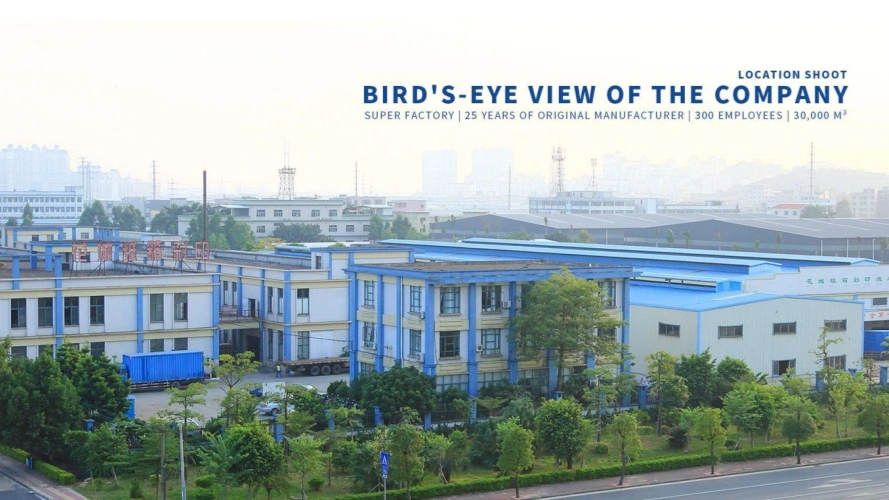
Another important rating factor is the ability to manufacture. Suppliers must show that they have the right tools and workers to meet your number needs within the time frames you set. Businesses whose sales change with the seasons need partners who can increase production without lowering quality or lengthening wait times. Site trips or virtual walks of factories can tell you a lot about their production capabilities, quality control methods, and general level of skill that quotes alone can't.
Volume Optimization and Pricing Structures
Color mailer box prices are based on tiered systems, where the cost per unit goes down a lot as the number of orders goes up. When procurement pros know these price breaks, they can place the best orders to balance the costs of keeping inventory with the saves in unit prices. For digital printing, the minimum order quantity for custom color printing is usually between 500 and 1,000 units. For offset lithographic processes, it is usually between 3,000 and 5,000 units, but the exact levels depend on the source and the difficulty of the job.
To do strategic buying, you need to be able to correctly predict demand so that you can combine orders and avoid having too much inventory, which wastes money and warehouse space. Businesses that know exactly how much they will need can save money by placing blanket purchase orders that lock in prices and let delivery times be spread out to match consumption rates. For planning reasons, this method gives you a clear picture of costs while keeping your inventory flexible so it can adapt to real market conditions instead of guesses.
Lead Time Management and Expedited Production
Standard production wait times for custom color mailer boxes are between 15 and 25 working days, from when the artwork is approved to when the boxes are delivered. However, these times can change depending on the complexity of the order, the number of boxes ordered, and the supplier's capacity. This schedule includes proofreading before production, preparing the plates or digital files, printing, die-cutting, folding, and checking the quality before shipping. To avoid expensive rush fees or running out of stock, procurement teams need to include these dates in their plans for when new products will be released and when holiday supplies will be needed.
When you need something quickly, many makers offer expedited production services that cut down on normal lead times. However, these choices come at a higher cost and can raise costs by 25% to 50%. To figure out if speeding up production is financially smart, you have to compare the cost of delayed product launches, missed sales chances, or contractual fines to the extra cost of packaging. It's often better to build relationships with providers who respond quickly and put your important requests first than to just choose the cheapest one.
Conclusion
Color mailer boxes are more than just shipping containers; they're also brand agents that help customers remember your business while keeping goods safe in complicated distribution networks. Businesses in e-commerce, technology, cosmetics, food, and luxury can set their products apart in crowded markets by using color psychology, advanced printing technologies, and structure engineering together in a smart way. A successful buying process involves combining aesthetic preferences with realistic issues like cost-effectiveness, production lead times, structural performance, and caring for the environment. Procurement professionals can turn packaging from a necessary evil into a strategic marketing advantage that boosts brand recognition, customer loyalty, and measurable business growth by working with certified manufacturers who consistently deliver high quality products, communicate openly, and take the time to understand your unique business needs.
FAQ
What Color Options Are Available for Mailer Boxes?
With today's printing technology, color mailer boxes can be made in almost any color. Full-color pictures and complicated gradients across the visible range can be printed in CMYK. With the Pantone Matching System, you can choose from more than 1,800 standard spot colors. This makes sure that all production runs match brand colors exactly. Metallic inks, bright colors, and custom color mixing to meet exact brand standards are some of the specialty choices. The main problem is with very light or pastel colors on recycled content board. The natural brown base may slightly change how the finished color looks, but a white liner coating usually fixes this problem.
How Long Does Custom Color Mailer Box Production Take?
Depending on the complexity, quantity, and current production plans, standard production times vary from 15 to 25 business days from acceptance of the final artwork to delivery. This time frame includes color approval proofs before production, setting up the plates or processing the digital files, printing and die-cutting, quality control, and shipping. For smaller amounts, digital printing may have slightly faster lead times, while offset lithographic printing takes longer to set up for larger quantities. When you need something quickly, expedited production services can cut the time it takes to 7–12 working days, but they cost more.
Are Colored Mailer Boxes More Expensive Than Plain Options?
Colored mailer boxes usually cost 15% to 40% more than plain paper boxes. The exact price difference depends on the complexity of the print, the number of colors used, the finishing choices, and the size of the order. A small amount of extra money is needed for single-color printing, but a lot more is needed for full CMYK printing with special finishes like UV coating or metal pressing. This extra expense should be weighed against the marketing worth that comes from better brand recognition, better customer experiences, and more exposure on social media. Many companies think that the extra costs of packing are worth it because it helps their brand and makes customers more interested in what they have to offer.
Partner With Fetching Printing for Premium Color Mailer Box Solutions
How your packaging turns into a strategic color mailer box brand asset or just another routine cost depends on which provider you choose. Fetching Printing adds over 20 years of experience in making high-quality products to every project. They use cutting-edge printing technology, strict quality control, and quick customer service. Our 50,000㎡ building has the best equipment in the business, and more than 300 trained workers run it to provide packing solutions that go above and beyond what is expected.
Our research and development (R&D) department has more than ten packing engineers who work on everything from designing new ways to use materials and building structures to improving process technology and artwork. We keep our ISO14001-2015 Environmental Management System, ISO9001-2015 Quality Management System, Smeta, G7 Color Management, FSC, and Disney certifications up to date. These show that we are committed to quality, sustainability, and fair labor practices. Our team offers expert advice that turns packing ideas into real things, whether you need large production runs with tight deadlines or specialized small-batch custom projects.
Contact our team at support@fetchingprinting.com to talk about your color mailer box needs with skilled packing experts who know how to meet the specific needs of the electronics, food, makeup, e-commerce, and luxury goods industries. We have full sample tools that let you check the quality, color accuracy, and structural soundness of our work before you commit to full production. As a well-known company that makes color mailer boxes for customers all over the world, we offer low prices and reliable shipping times that will help your business grow. Get in touch with Fetching Printing right away to learn how high-quality colored packaging can improve the way your brand looks and create positive customer experiences that lead to measurable business results.
References
Robertson, Gordon L. Food Packaging: Principles and Practice, 3rd Edition. CRC Press, 2013.
Klimchuk, Marianne Rosner and Krasovec, Sandra A. Packaging Design: Successful Product Branding From Concept to Shelf, 2nd Edition. John Wiley & Sons, 2012.
Soroka, Walter. Fundamentals of Packaging Technology, 5th Edition. Institute of Packaging Professionals, 2014.
Twede, Diana and Goddard, Ryan. Materials and Development of Rigid Packaging. DEStech Publications, 2018.
Hanlon, Joseph F., Kelsey, Robert J., and Forcinio, Hallie E. Handbook of Package Engineering, 4th Edition. CRC Press, 2018.
Singh, S. Paul and Burgess, Gary. Packaging Technology: Fundamentals, Materials and Processes. Apple Academic Press, 2017.