The Customize Boxes - Custom Mailer Boxes Are In High Demand
The growing need for custom mailer boxes shows a big change in how businesses buy things: packing is no longer just there to protect things; it's now an important part of building brand awareness. More and more businesses in the e-commerce, electronics, cosmetics, food and drink, and luxury goods industries are realizing that custom mailer boxes help them keep customers, keep products safe, and run their supply chains more efficiently. The fact that custom mailer boxes are both useful and a good way to make money has made them essential in competitive markets. This is why procurement professionals look for suppliers that offer advanced customization options, eco-friendly materials, and flexible production volumes.

Understanding Custom Mailer Boxes: Features and Benefits
custom mailer boxes are more than just shipping cases; they're also smart investments in the future that have a direct effect on how well operations run and how people think of your brand. Unlike standard corrugated packing, these customized options offer custom sizes, material mixes, and marking options that are made to fit the needs of each business.
Technical Specifications That Matter
The choice of material and flute shape for a custom mailer box is the first step in making sure it is structurally sound. E-flute corrugated board, which is between 1.1mm and 1.6mm thick, is now the standard for most uses because it is the best combination of strength and printability. About 120 to 140 flutes are set up in this way, making the printing surface smooth and reducing the "washboard effect" where flute lines show through printed images. The high flute count also makes it harder to crush during stacking and transport, which keeps the structure stable and protects the contents.
More safety is needed for bigger items, and B-flute corrugated material (2.5mm to 3.0mm thick) is about 20–30% more resistant to punctures than E-flute options. Several things affect the choice between these types, such as the product's weight, the distance it needs to be shipped, how it will be handled, and how it needs to be presented. When buying electronics or fragile consumer items, buyers often ask for dual-layer construction, which includes (CCNB) (Clay Coated News Back) or (SBS) (Solid Bleached Sulfate) linerboard on the outside and corrugated medium on the inside. This set-up can pass the Edge Crush Test (ECT) with scores between 32 ECT (32 pounds per linear inch width) for normal uses and 44 ECT for heavy-duty shipping.
Cost Efficiency Through Bulk Procurement
When you buy a lot of custom mailer boxes, you save a lot of money in ways other than lower unit prices. When procurement teams group orders with approved makers, they can negotiate better terms and cut down on the work that comes with handling multiple suppliers. Because of economies of scale that come with big production, companies can get the most out of their materials, cut down on setup costs, and speed up quality control processes. For buyers, this means lower prices per unit.
custom mailer box packaging not only saves money, but it also keeps products from getting damaged during shipping, which has a direct effect on the total cost of ownership. Industry data shows that the right package design can cut returns due to damage by 25–40%. This is especially true for subscription box services and electronics delivery operations where goods are handled many times. Modern mailer boxes have a self-locking design that means they don't need external adhesive tape. This cuts down on packing time by about 20 to 30 percent compared to traditional RSC (Regular Slotted Container) forms that need tape to be applied. This increase in speed is especially important in fulfillment centers that handle a lot of packages, where every second saved saves a lot of money on staff costs.
Environmental Responsibility and Sustainability
As people move toward more environmentally friendly ways to buy things, eco-friendly mailer boxes have gone from being a niche item to something that everyone needs. Modern custom mailers are made with reusable cardboard materials, water-based inks, and biodegradable coatings that meet the environmental goals of businesses while still being strong. Many business-to-business buyers now require FSC (Forest Stewardship Council) approval, which makes sure that paper comes from forests that are handled in a good way.
Subscription services and direct-to-consumer brands are using reusable mailer box designs more and more. These boxes have re-closable tuck-top structures that make it easy for customers to return items without damaging the packing. This feature helps with two important buying goals at the same time: protecting the environment by extending the lifetime of packages and making backward logistics work more efficiently. When customers can reuse the original packing, they don't have to find and store separate return materials, which speeds up the return process.
Solvent-based paints and varnishes have mostly been replaced by water-based ones in the production of high-end custom mailers. These offer better resistance to wetness and surface protection without adding volatile organic compounds (VOCs). These finishes are good for the environment and still print well and last a long time. They also meet the standards for sustainability reports by buying teams. UV-cured treatments make things more resistant to surface wear and sun bleaching, which means that packages that have to travel long distances or be delivered outside will look better for longer.
How to Design Custom Mailer Boxes That Align With Your Brand?
For custom mailer box design to work, it's important to carefully combine visual branding elements with engineering for functionality. The best custom mailer boxes strike a perfect balance between how they look and how well they protect your items. This creates a memorable unboxing experience and makes sure that your items arrive undamaged.
Material Selection and Structural Engineering
Dimensional efficiency is the key to designing unique packing that doesn't break the bank. Professionals in procurement should work closely with packaging engineers to find the exact sizes that will fit goods with little extra room, which will cut down on material use and shipping costs. Major carriers use cubic tier price systems that punish packages that are too big, so being accurate about the dimensions is a direct cost factor. When compared to stock one-size-fits-all options, a custom mailer box that is the right size can cut shipping costs by 15 to 25 percent while also making the product look better by fitting snugly and securely.
The design of the structure should take into account the features of the goods and the shipping conditions. Electronics need edges that are reinforced and double walls in high-stress areas. Cosmetics, on the other hand, need internal dividers or special die-cut inserts that keep the product from moving. When subscription box services ship multiple items at once, they often use divided designs to keep the contents organized and make the boxes look nice when they are opened. These useful design features turn packing from a simple way to hold things to a smart way to show off the product.
Advanced Printing Technologies and Brand Expression
Because it reproduces complicated designs, gradients, and photographic images with the most accuracy, lithographic lamination is the best choice for high-end packaging where visual impact is key to how people see the brand. In this method, images are printed on different sheets of paper, and then the printed sheet is laminated to a corrugated board substrate. The result has amazing color vibrancy and fine clarity that can't be reached with direct printing on corrugated materials.
Digital printing has changed the way short-run custom mailers are made by getting rid of the costs of making plates and making orders for smaller amounts more cost-effective. This new technology helps brands that are trying out new designs, running seasonal sales, or serving niche markets where the number of orders doesn't support using traditional offset printing sets. Digital printing also makes changeable data printing possible, so each box in a single production run can have its own unique codes, personalized messages, or images that are special to that area.
Flexographic printing is still the best way to make a lot of custom mailers because it strikes a great mix between quality, speed, and cost-effectiveness for big orders. These days' flexographic presses have very good color uniformity and registration precision thanks to their advanced plate-making and ink systems. They can meet the quality standards of consumer goods brands while still keeping up the production speeds needed for large fulfillment operations. Which of these printing methods you choose should depend on the size of your order, the difficulty of the design, your budget, and how quickly you need it.
Finishing Touches That Elevate Brand Experience
Surface treatments and coats have a big impact on how well something works and how well it looks. Matte polypropylene (PP) lamination looks classy and modern and is very resistant to scratches, which is important for packages that are going through automatic organizing equipment and conveyor systems. Gloss lamination makes bright, eye-catching presents that work well for cosmetics and gadgets for consumers who care about how they look. These films keep the images clean throughout the distribution chain by stopping ink from rubbing off during handling.
By adding high-gloss highlights to some design elements and keeping other areas matte, UV spot coating lets designers create textural difference. This adds depth without significantly raising costs. Soft-touch coatings give goods a luxurious feel that shows they are high-end. This is especially useful for beauty products and fashion items where the senses affect how people think about a brand. With these special finishes, shipping crates that are normally useful become brand champions that make people feel good about your business before they even see the goods inside.
Embossing and debossing add three-dimensional texture that you can see and touch, making physical experiences that you'll remember. Foil printing with shiny or holographic finishes sends a message of luxury and trustworthiness, which stops fakes and raises the status of the brand. It's important to plan these high-end finishing methods carefully during the design phase to make sure they work with structure needs and production processes. However, they make a big difference in a crowded market.
How to Choose the Right Custom Mailer Box Supplier for Your Business?
Choosing a supplier is probably the most important buying choice that affects the success of a packaging program. The best manufacturing partner doesn't just sell goods; they also offer complete solutions that include custom mailer box design advice, consistent quality, flexible production, and dependable transportation support.
Quality Certifications and Manufacturing Standards
The ISO 9001:2015 Quality Management System certification is used to evaluate suppliers and shows that they are committed to systematic quality control and methods for ongoing growth. This widely used standard makes sure that providers keep written records of how they manage production processes, do inspections, and deal with problems. People who work in procurement should check to see if their certifications are still valid and look over the audit results when they are ready.
If a provider has ISO 14001:2015 Environmental Management System approval, it means that they actively handle the effects on the environment through structured programs that focus on reducing waste, using energy more efficiently, and controlling emissions. This certification is becoming more important as corporate purchasing policies stress sustainability measures and environmental duty in the supply chain. The G7 Color Management license is all about controlling the quality of printing and making sure that colors stay the same across production runs by using standard methods for measuring and calibrating. This technical skill is very important for brands that want to stick to strict color standards for their products, marketing materials, and packages.
FSC (Forest Stewardship Council) and PEFC (Program for the Endorsement of Forest Certification) certifications show that paper products come from trees that are handled properly. This helps buying teams meet their reporting requirements for sustainability. Chain-of-custody approvals show that materials can be tracked from the forest to the final product. This is important for companies that want to meet their social responsibility goals and for customers who expect companies to be good environmental stewards.
Production Capacity and Scalability
The practical limits that procurement programs must work within are set by manufacturers' minimum order amounts (MOQs) and maximum production capabilities. In order to balance setup costs and production speed, suppliers that work with big e-commerce businesses usually need MOQs of 1,000 to 5,000 units per design. Smaller specialty makers may be able to handle lower minimums (500 to 1,000 units) at higher unit costs, which is good for brands that want to try designs or for niche markets.
Production lead times are very different depending on how complicated the design is, how many orders are placed, and how busy the factory is right now. It usually takes 10 to 15 business days from the time the artwork is approved until the standard custom mailer boxes are shipped. For more complicated designs that need special finishing methods or silkscreen lamination, the time may be 18 to 25 business days. When surprise demand spikes happen or a new product comes out, the ability to rush production can be useful, though faster services usually come at a higher cost.
Scalability means that sellers can make more products when buyers need them, without lowering quality or making wait times longer. Procurement workers should look at how much equipment producers have, how many employees they have, and how they get their materials to make sure that their partnerships can support the expected growth of their businesses. Talking about different situations for projected volume during the supplier review shows how makers plan to handle growth while keeping service levels high.
Design Support and Technical Consultation
Leading makers of custom mailer boxes offer a wide range of design services, such as structural engineering, visual design advice, and material suggestions. These extra services are especially helpful for buying teams that don't have their own package experts or for brands that want to improve designs they already have. Through well-thought-out technical suggestions, experienced package engineers can find ways to lower the cost of materials, improve the performance of structures, or improve the way things look.
Free design services should include making dielines, creating mockups, and sending out pre-production samples so that people can check out designs before agreeing to full production runs. Digital models let you see how the finished package will look, which speeds up the approval process and cuts down on the number of times the design has to be changed. Physical models are still needed to check the quality of the material, the accuracy of the printing, and the strength of the structure in real life, which helps buying teams make choices with confidence.
Conclusion
Custom mailer boxes continue to be in high demand because of their proven ability to increase brand recognition and customer satisfaction, as well as decrease product damage and shipping costs. Procurement workers in a wide range of industries know that smart investments in packaging pay off in ways that far exceed their direct costs. These benefits include stronger brand positioning, more loyal customers, and lower costs for reverse logistics. To get these benefits and keep buying costs under control, it's important to choose qualified manufacturing partners that can provide technical know-how, uniform quality, and on-time delivery.
FAQ
What minimum order quantities should I expect for custom mailer boxes?
How many custom mailer boxes do I need to order in order to get a discount? Minimum order numbers are usually between 500 and 5,000 units, but can be higher or lower depending on how complicated the customization is and what the seller can do. Digital printing technologies allow for smaller minimums (500–1,000 units), which are good for testing designs or serving niche markets. On the other hand, standard offset printing only starts to make sense when numbers go over 2,000–3,000 units. Due to the cost of setup, large-format printing lamination usually needs at least 5,000 units. Talking to potential providers about your exact volume needs helps you find makers that can meet your operational needs.
How long does production take from order placement to delivery?
The normal lead time is between 10 and 21 working days, but it can be longer or shorter based on how customized the item is, how it is printed, and how busy the factory is at the moment. Digital printing on stock materials for simple designs usually ships within 10 to 12 business days. However, complicated projects with custom structure designs or special finishes may take 18 to 25 business days. For pressing needs, rush production services can cut down on wait times by 30 to 40 percent, but the cost of faster handling is usually higher. By planning buying cycles around these dates, you can be sure that you have enough product without having to place expensive rush orders.
Can I receive samples before committing to large production runs?
Reliable makers usually give customers pre-production samples so they can check the quality of the material, the accuracy of the printing, the strength of the structure, and the overall look before giving the go-ahead for full production. Sample costs range from being free for simple designs to having reasonable fees for complicated requirements that need custom tools. Physical samples are still needed to check things like material texture, color accuracy in different lights, structural strength, and how easy it is to put together that can't be done with digital models alone. Asking for samples from more than one seller makes it easier to compare them, which helps you make smart purchasing choices.
Partner with Fetching Printing for Superior Custom Mailer Box Solutions
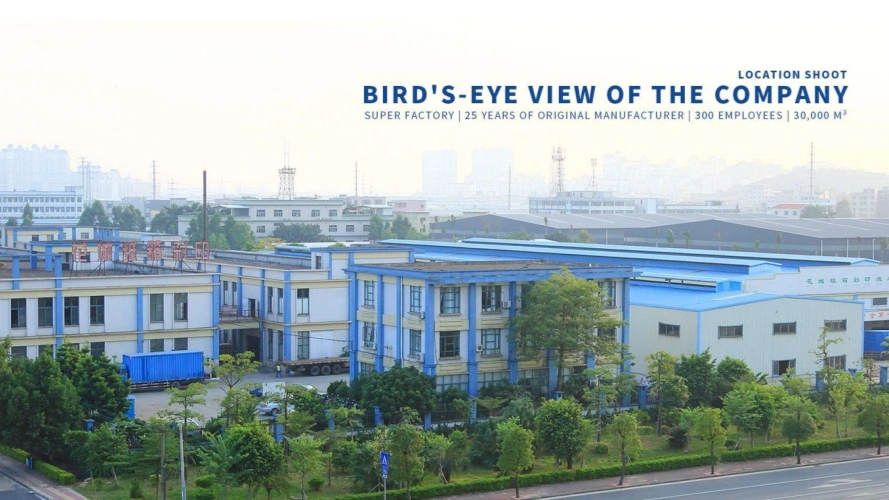
Since 1999, Fetching Printing has been providing complete package solutions that include top-notch technical skills, cutting-edge design, and dependable production capacity. Our 50,000㎡ factory has the best printing and finishing tools in the business. It makes custom mailer boxes that meet the high standards of e-commerce, electronics, cosmetics, food and drink, and luxury goods names across North America. Our ISO 9001:2015, ISO 14001:2015, FSC, and G7 standards show that we are dedicated to consistent quality, caring for the environment, and accurate color management. Our free design consultation services, reasonable volume price structures, and reliable logistics support your supply chain needs are all good for procurement pros. You can talk to our package engineering team at support@fetchingprinting.com about your needs and get detailed quotes from a custom mailer box maker with a lot of experience who can grow with your business.
References
Robertson, Gordon L. Food Packaging: Principles and Practice, 3rd Edition. CRC Press, 2016.
Soroka, Walter. Fundamentals of Packaging Technology, 5th Edition. Institute of Packaging Professionals, 2014.
Twede, Diana and Susan E.M. Selke. Cartons, Crates and Corrugated Board: Handbook of Paper and Wood Packaging Technology, 2nd Edition. DEStech Publications, 2015.
Yam, Kit L. The Wiley Encyclopedia of Packaging Technology, 3rd Edition. John Wiley & Sons, 2009.
Lockhart, Harold E. and James R. Paine. Packaging for Nonthermal Processing of Food, 2nd Edition. Blackwell Publishing, 2018.
Hanlon, Joseph F., Robert J. Kelsey, and Hallie E. Forcinio. Handbook of Package Engineering, 4th Edition. CRC Press, 2018.