Can Pizza Boxes Be Recycled
People often say that pizza boxes can be recovered, but it really depends on how dirty they are. When you are in the United States or Europe, most city recycle programs will take a clean cardboard fiberboard pizza box. The problem comes up when grease, cheese leftovers, and food bits damage the fiber quality of the cardboard. The parts of the packaging that are still clean, like the lid, can generally go into the recycling stream. However, the highly dirty bottom parts may need to be composted or thrown away. When procurement managers understand these differences, they can choose packing options that meet environmental goals and keep operations running smoothly.

Understanding Pizza Boxes and Their Composition
The Engineering Behind Modern Pizza Packaging
There's a lot more to pizza boxes than just wooden boxes. Corrugated fiberboard is used to make these custom package options. Corrugated fiberboard is a stacked material with a fluted medium inside and flat linerboards on the outside. This design has great thermal insulation qualities that keep pizzas hot during delivery. It also controls moisture levels strategically through carefully planned venting geometry. The design prevents what the industry calls "Soggy Crust Syndrome" by letting out extra steam without losing heat retention. This keeps the quality of the product during the last mile of delivery.
The material is usually made up of E-flute or B-flute curved board, which is chosen based on the performance needs. Because B-flute is better at insulating and padding, it's perfect for longer delivery routes where keeping the temperature stable is important. To keep the boxes from falling apart while they're being moved or stored, the cardboard must also have a high stacking strength, which can be found by looking at Edge Crush Test (ECT) numbers of 32 or higher. This structural stability keeps the lid from touching the cheese, which would ruin the appearance and make the customer unhappy.
Food-Grade Coatings and Compliance Standards
When buying things, it's important to know about the sealing methods used on pizza boxes. Many makers use grease-resistant shields to stop lipid migration, which is when oils move through the cardboard and could stain surfaces and weaken the structure. Traditional fluorochemical treatments (PFAS compounds) are being phased out more and more because they are bad for the environment and people's health. They are being replaced by bio-based acrylic coats or manually refined pulp liners that make physical barriers without using chemicals.
There are strict rules about food-contact materials that these boxes must follow. In the US, they must meet FDA standards, and in Europe, they must follow EU Regulation 1935/2004. Compliance makes sure that no dangerous chemicals get into the food from the packaging. This protects both the health of the consumers and the brand's image. When procurement teams are looking for packaging solutions, they should make sure that suppliers provide proof that they are following the rules. This is especially important when looking at recycled content materials, which need to be closely watched for mineral oils and leftover inks from previous uses.
The Recycling Challenge: Can Pizza Boxes Be Recycled?
Contamination Issues and Regional Processing Differences
The main problem with reusing pizza boxes is that they get dirty. In mechanical recycling sites, grease, cheese, and food scraps get in the way of the process used to dry paper. Unfortunately, when dirty cardboard goes into the recycling stream, the oils can spread to all of the reusable paper fibers, making the recovered material less good and maybe even making the whole batch unusable for reprocessing. Because of this, recycling rules often say to tear off clean parts of the package and throw away the dirty parts separately.
The amount of recycling that is accepted changes a lot from city to city. Some towns with more modern trash management systems, like San Francisco and Seattle, have set up special composting programs that take food-soiled paper products, like pizza boxes. These places use industrial composting methods to break down food trash and cardboard together, turning both into nutrient-rich soil amendments. In many other places, traditional recycling programs have strict pollution rules that don't allow any food-soiled cardboard.
Europe and the US are dealing with this problem in very different ways. In Europe, the infrastructure for managing trash usually includes more complete sorting centers with high-tech systems for finding contamination. Recycling in the US is still very disorganized, with rules that are different not only from state to state but also between towns that are close to each other. Because of this lack of stability, national food service chains have trouble with buying because they have to deal with different waste management rules across all of their locations.
Emerging Technologies and Alternative Pathways
Innovation is slowly getting around these problems with recycling. Chemical recycling methods, which break down cellulose fibers at the molecular level, could be useful for handling dirty cardboard that machines can't handle. These more advanced facilities are better at separating food residues from paper fibers, but the technology is still in its early stages of business use and hasn't reached the scale needed for general use yet.
Another way that is becoming more popular is using hydropulping systems that are made to handle paper goods that have been tainted with food. Before the main recycling process starts, these specialized facilities use water and controlled motorized motion to remove the fibers from the grease. After the oils are sorted, they can be used again in industry, and the fibers that have been cleaned go through normal recycle processes. The problem is the money that needs to be spent on infrastructure. For these systems to work monetarily, they need a critical mass, which means that they can only be used in bigger cities.
Businesses can get the most recycling done by following the right corporate rules. Teaching employees how to tell the difference between clean and dirty cardboard parts greatly increases the amount of trash that can be avoided. When procurement teams work with waste management companies that offer thorough tracking and reporting, they can figure out how much trash is diverted, how much damage is done to the environment, and where improvements can be made all the time. More and more, consumers and governing bodies want companies to be more open about their environmental performance, which makes these measures more important.
Environmental and Procurement Benefits of Using Recyclable and Eco-Friendly Pizza Boxes
ESG Contributions and Sustainability Reporting
Picking corrugated cardboard packaging that can be recycled has measured benefits for the environment, society, and government that are felt across all of a company's sustainable efforts. Making corrugated board from recycled fibers takes a lot less energy than making it from new materials. Studies show that using recycled products can save 25–30% of the energy needed. This decrease directly leads to lower carbon emissions, which helps businesses meet their climate goals while also lowering the costs of running their operations that come with buying new materials, which use a lot of energy.
There is strong evidence for these benefits in lifecycle evaluations. When you look at the big picture, comparing regular pizza boxes to eco-friendly ones shows big changes in many areas of effect. Recycled-content packaging uses less water to make, releases fewer greenhouse gases throughout the supply chain, and takes up less space in landfills when it's time to throw it away. These measurable measures make sustainability reports stronger and improve companies' names with eco-friendly customers and business partners.
Major pizza chains have written about how they switched to more environmentally friendly packing and how well it worked. Independent case studies show that moving to boxes that are recyclable, made from carefully sourced materials, and have a lot of recycled content can cut emissions related to packing by 15 to 20 percent per year across large operating networks. These changes make a real difference in meeting the sustainability goals of the company and also appeal to customers who are becoming more concerned about the environment when making purchases. Environmental responsibility becomes a differentiating factor in competitive markets, so it affects more than just how customers see you. It also affects your relationships with investors and how you hire people.
Balancing Performance with Environmental Responsibility
A common misunderstanding is that sustainable packing means giving up some efficiency benefits. Modern eco-friendly pizza boxes question this idea by offering the same level of heat insulation, moisture management, and structural strength as or better than traditional options. Material science has made progress that has led to grease-resistant coats made from green sources that work about as well as their chemical predecessors while also meeting stricter government rules about PFAS and other substances of concern.
The key is smart design that makes the best use of materials without losing utility. Engineers can get the performance they need by carefully choosing the flutes, making changes to the fiber makeup, and coming up with new structure designs that spread stress loads out well. These methods usually lead to less total material use, which has two benefits: it has less of an effect on the environment, and it lowers the cost of materials, which makes buying more cost-effective. When ordering in large amounts, like food service businesses do, these per-unit savings add up to big budget benefits.
Food safety is still very important, and boxes made from recycled materials that are carefully made meet all the standards that matter when they are properly designed. The inner liner, which is in direct contact with food, is made of pure kraft fibers from premium sources. The middle layers and outer liner, which are not in direct contact with food, are made of recycled content. This mixed method improves both safety and sustainability, giving purchasing teams packing options that meet the needs of many stakeholders at the same time without making them choose between competing goals.
How to Source and Procure Recyclable Pizza Boxes for B2B Needs?
Evaluating Supplier Credentials and Certifications
Thoroughly evaluating suppliers is the first step in effective buying. Sustainability licenses provide objective proof of environmental claims that would need a lot of research to be made otherwise. With the Forest Stewardship Council (FSC) approval, you can be sure that the fibers you use come from forests that are handled in a way that doesn't upset the ecosystem. The Sustainable Forestry Initiative (SFI) provides similar guarantees that are tailored to the way forests are managed in North America. Both certificates allow purchasing teams to check paperwork that shows the materials' journey from the forest where they were found to their final delivery.
The ISO 14001 Environmental Management System certification shows that providers have put in place systematic ways to keep their processes as environmentally friendly as possible. This system makes sure that things are always getting better in areas like controlling pollution, saving energy, and reducing waste. Suppliers with this certification usually keep specific environmental data that helps companies meet their sustainability reporting standards. This makes it easier for procurement teams to put together supply chain information for shareholder reports, which saves them time and effort.
You should also look into Smeta social checks, which make sure that workers are treated fairly throughout the supply chain, and G7 Color Management certification, which makes sure that print quality stays the same from one production run to the next. When a business needs unique branding, these certificates are especially important because color accuracy and print fidelity have a direct effect on how people see the brand. Environmental and quality certifications together show that a provider is committed to success in many areas that are important to picky B2B buyers.
Custom Solutions and Innovation Integration
There are a lot of different shapes and sizes of pizza boxes available today. Strategic providers let you customize the package, which turns it into a brand champion while still being good for the environment. Food-safe, water-based inks made from renewable sources allow for high-quality writing that shows off a brand's personality without using dangerous chemicals or making it harder to recycle. Flexographic printing, which is the standard for corrugated packing, has fast copy rates and low costs, making it ideal for large production runs.
Window covers made from reusable materials instead of regular plastics are one way that new ideas can be used. Cellulose-based covers and other biodegradable options let customers see what's inside while still being environmentally friendly. Because these things break down in industrial composting sites, they don't pollute recycle streams like plastic windows do. By using these new ideas, brands can show they care about the environment and meet customers' needs for clear (literal and symbolic) product displays.
Instead of just looking at how much it costs to buy one unit, pricing plans should take into account the total cost of ownership. When combined with long-term supply deals that give producers production certainty and allow them to improve efficiency, volume promises usually lead to big discounts. To find the real cost, you have to think about operations, the cost of keeping inventory, and the possible boost to your brand's image that sustainable packaging can provide. Suppliers with strong networks in both the European and U.S. markets can provide more reliable supplies and serve businesses in more than one area by coordinating production and delivery systems.
Conclusion
There are different answers to the question "can pizza boxes be recycled?" depending on how dirty the boxes are, the infrastructure in the area, and the right way to handle them. Most places allow clean corrugated cardboard boxes to go into recycling streams, but food-soiled pieces usually need to be composted or thrown away. To help the environment as much as possible, procurement workers should choose products that are properly sourced, work with certified suppliers, and set up good internal management systems. Sustainability and operational performance don't have to be at odds with each other anymore. Modern eco-friendly packaging meets the standards for food safety, thermal insulation, and structural integrity that food service operations need, while also meeting the environmental commitments and expectations of stakeholders.
FAQ
Can all parts of a pizza box be recycled together?
No, not usually. The lid and sides usually stay clean enough to recycle, but the bottom part that touches the pizza often picks up grease and cheese that makes it not acceptable for most recycling programs. Tearing the pizza box and sorting the clean parts from the dirty parts makes it possible to recover as much as possible. Some cities with industrial recycling programs will take the whole box, even if it's dirty, because the process of composting breaks down both the cardboard and the food leftovers at the same time.
What happens when contaminated pizza boxes enter recycling facilities?
Food and grease leftovers get in the way of the pulping process, which breaks down cardboard into a fiber liquid. The oils can get into the whole batch and lower the quality of the recovered paper products. They could even get into whole loads and make them so dirty that they have to be thrown away. This is why recycling programs stress keeping paper goods and food trash separate—even small amounts of contamination can have a big effect on a lot of material that would otherwise be recyclable.
Are pizza boxes made with recycled materials safe for food contact?
If it's made correctly, yes. Reliable sellers use new kraft fibers for the inside area that comes into close touch with food, and recycled materials in the middle and outer layers. This method meets FDA and EU food-contact rules and maximizes the amounts of recycled material. The important thing is to make sure that recovered fibers are carefully checked for impurities that could get into food, such as mineral oils and leftover inks.
Partner with Fetching Printing for Sustainable Pizza Box Solutions
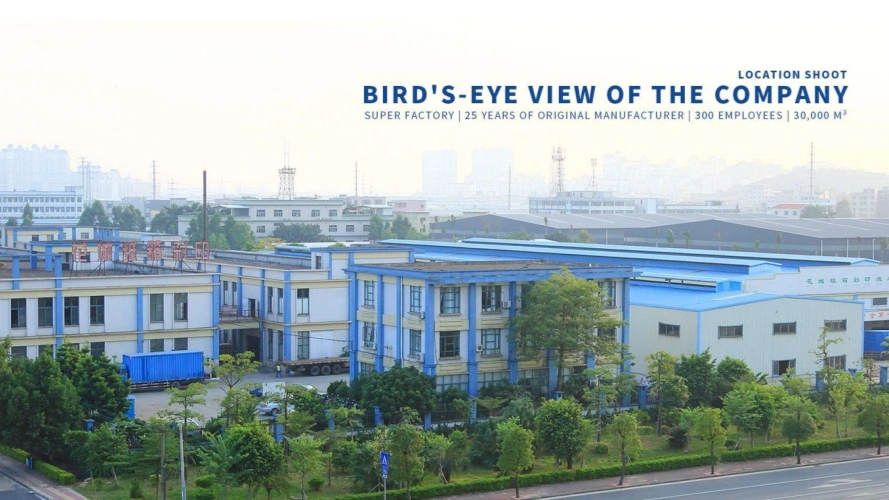
To get around the complicated world of reusable food packing, you need more than just basic shopping skills. Our R&D team of specialized packaging engineers at Fetching Printing has decades of experience coming up with long-lasting cardboard solutions that meet the needs of food service operations while also being good for the environment. We make FDA-approved, reusable pizza boxes with materials that come from responsible sources and grease-resistant treatments that don't contain PFAS. These boxes meet changing regulatory standards in all U.S. markets. Our FSC-accredited supply chains and ISO 14001-certified operations give you the proof you need for your sustainability reports. We can also print on any packaging you need using food-safe, water-based inks, which turns them into brand champions. Whether you need standard sizes for high-volume operations or custom solutions with unique features, our team can help you with everything, from the initial design to on-time delivery. We've been a pizza box seller to a wide range of businesses since 1999, so we know what e-commerce stores, food service businesses, and consumer goods brands want when they buy boxes. Email our support team at support@fetchingprinting.com to talk about how our eco-friendly packing options can help you reach your environmental goals while still meeting the quality and dependability needs of your business.
References
Smith, J. & Anderson, K. (2021). "Corrugated Packaging Recycling: Challenges and Innovations in Food-Contaminated Materials." Journal of Sustainable Packaging Technology, Volume 8, Issue 3, pp. 145-167.
Environmental Protection Agency (2022). "Municipal Solid Waste Recycling: Best Practices for Food Service Packaging." EPA Office of Resource Conservation and Recovery, Washington, D.C.
Reynolds, M. (2020). "Lifecycle Assessment of Pizza Box Materials: Comparative Analysis of Virgin and Recycled Fiber Performance." International Journal of Packaging Science and Engineering, Volume 15, pp. 89-112.
European Commission Directorate-General for Environment (2023). "Food Contact Materials: Regulatory Framework and Compliance Requirements for Paper and Board Packaging." Official Publications of the European Union, Brussels.
Williams, R., Chen, L., & Martinez, S. (2022). "PFAS Alternatives in Grease-Resistant Food Packaging: Performance Evaluation and Environmental Impact." Packaging Technology and Science, Volume 35, Issue 7, pp. 523-541.
National Restaurant Association (2021). "Sustainability in Food Service Operations: Industry Benchmarking Report on Packaging Waste Reduction Strategies." National Restaurant Association Educational Foundation, Chicago, Illinois.