Why Do Brands Invest in Custom POS Displays
At the point of sale, where it matters the most—the point of sale—brands spend money on custom POS display because they are effective marketing tools that can be measured. POS display that are well-designed can turn people who are just looking around into people who are actively buying things by getting people's attention, sharing brand identity, and making people make snap choices. Instead of generic fixtures that fit in with other store fixtures, POS display are made to match the look of your brand and the needs of your product. This creates memorable interactions that set your products apart from competitors. The strategic value comes from their ability to get the most out of each square foot of space, speed up the release of new products, and prevent brand blindness at the shelf level in busy stores.

Understanding the Role of Custom POS Displays in Brand Strategy
Your brand's quiet workers are custom POS display, which work around the clock to turn foot traffic into sales. These custom-built buildings do a lot more than just hold goods; they tell the story of your brand through the materials, colors, and interactive features that your target audience will find interesting.
How Custom Displays Reinforce Brand Identity
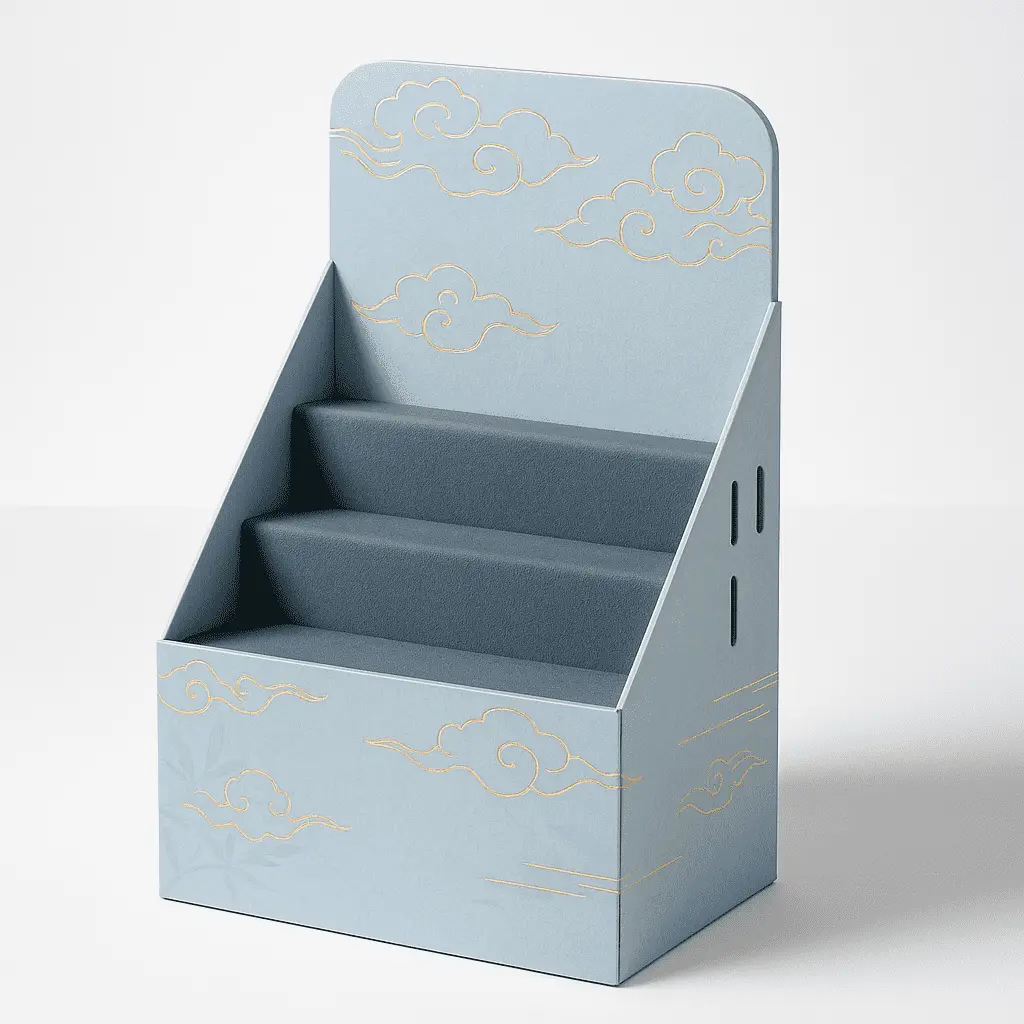
Each choice you make about the style of a POS display says something about your business. When a makeup company makes their counter POS display out of rigid boxes with sticky seals and soft-touch lamination, it shows that they care about quality and detail. Electronics brands that use toughened glass shelves and LED lights show that they are cutting edge and technologically advanced. These visual cues work in the background to match shoppers' thoughts with how the brand is positioned, making sure that all of the interactions with customers are consistent.
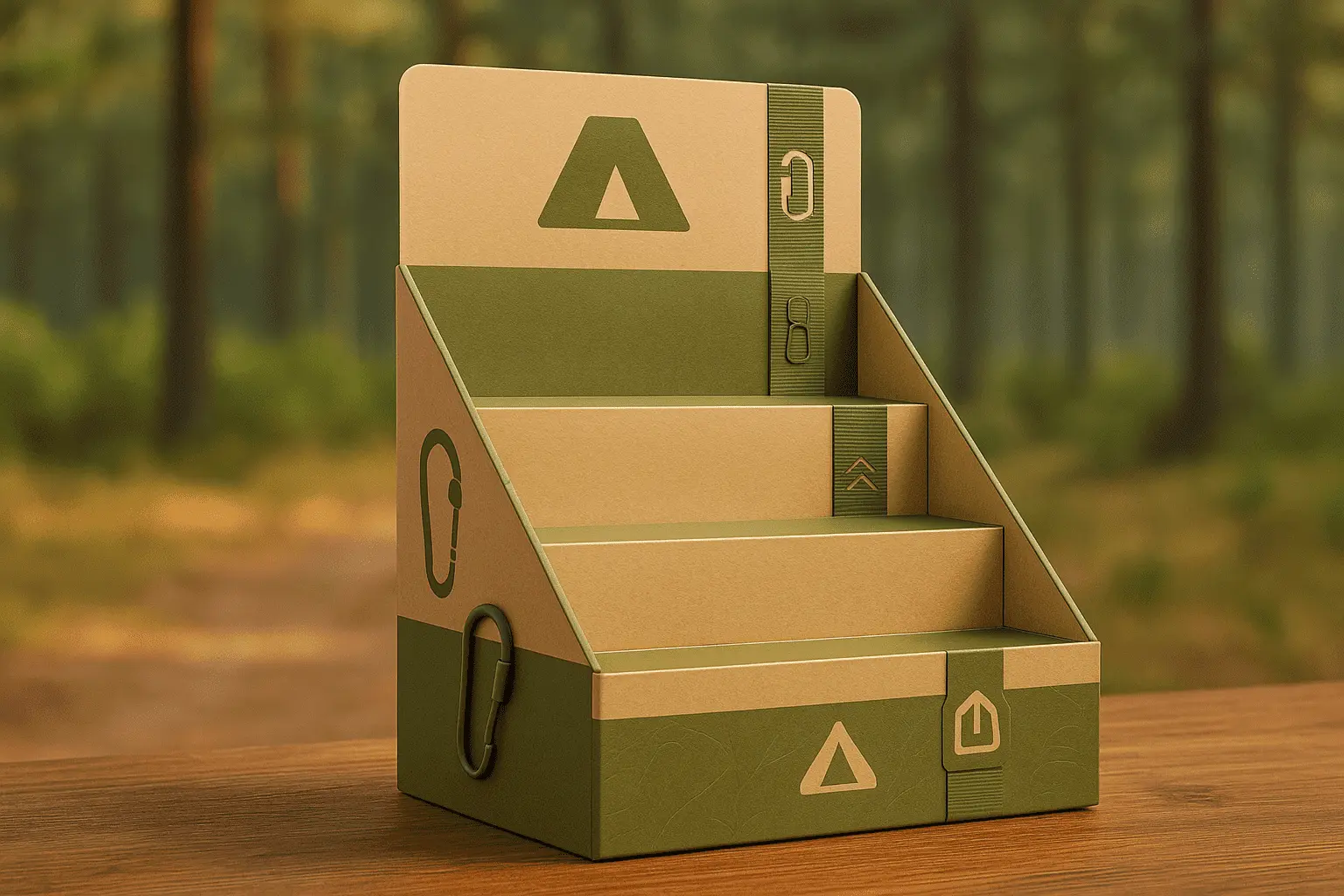
The things you choose have meanings that go beyond their practical use. Sustainable corrugated cardboard POS display show eco-conscious customers that you care about the environment, while powder-coated metal fixtures show that you care about sturdiness and stability. At Fetching Printing, we've seen that buying teams are becoming more aware of how show materials affect how people think about a brand. This is especially true in competitive industries where standing out is key.
Why Generic Fixtures Fall Short in Competitive Retail?
Generic POS display options mean that chances are lost. Standard shelf units don't have the visual effect needed to change the way people shop, and their standard sizes don't always work best for different types of products. Off-the-shelf fixtures that couldn't hold the weight of multiple product SKUs or didn't put things at the right eye-level heights for target groups caused stores to lose sales opportunities.
Customization gets around these problems by designing POS display around particular product sizes, weight limits, and how shoppers normally interact with them. When a food and drink company starts making specialty snack lines, they need the product that are certified as food-safe and have coatings that don't stick to grease. Regular lights can't meet these needs. When you compare the cost of missed sales to the cost of custom solutions made to make products more visible and easy to get to, the strategic benefit becomes clear.
Challenges Brands Face with Traditional POS Displays
Modern store operations are slowed down by traditional ways of displaying items, which limits flexibility and makes marketing less effective overall. More and more, procurement workers are under pressure to come up with solutions that can adapt to changing customer habits while still being cost-effective.
Limited Adaptability Reduces Campaign Effectiveness
Standard fittings force brands into strict arrangements that can't change to fit seasonal sales or new product lines. A clothing store that is getting ready for holiday gift sets finds that their current POS display don't have the modular parts they need to show off new package designs. As a result? Either expensive rush orders for brand-new fixtures or poor visual marketing that misses sales chances during certain times of the year.
We've worked with e-commerce brands that quickly learned this lesson when they went into real stores. At first, buying general counter POS display seemed like a good way to save money, but then they had to deal with different product sizes or add unique graphics. Because there weren't any customization choices, each new campaign had to be started from scratch, which added to the costs and caused problems in the supply chain that could have been avoided with custom solutions.
Generic Design Limits Shopper Engagement
Studies done in stores constantly show that customers spend more time and money at POS display that are visually interesting and make it easy to connect with the products. Generic lights don't have brand-specific design features that make people feel connected to the product. If a high-end jewelry brand uses standard plastic cases, they miss the chance to give their customers the high-end unboxing experience they expect. They could lose sales to rivals whose custom product better show off the value of their products.
Figuring out how much these intangible loses are worth is the hard part of buying. Consumer electronics brands usually see double-digit sales rises when they switch from standard shelves to interactive POS display with built-in screens that show off product features. These results support the strategic investment in customization, but many businesses still use old methods because they are afraid of the initial costs or don't know about other options.
Critical Components of Effective Custom POS Displays
To make POS display that get results, you have to balance a lot of different scientific, aesthetic, and legal factors. When evaluating providers, procurement teams must look at how well they can combine these parts into solutions that work in a variety of store settings.
Material Selection for Durability and Sustainability
Material science is the first step in making a good POS display. Freestanding POS display boxes in store aisles with a lot of foot traffic need corrugated cardboard with certain flute profiles, usually B-flute or E-flute, that are strong enough to hold up while still being easy to print on. These materials have to be able to handle the physical stress of shoppers and the weather problems that come with temperature changes and high humidity in stores.
Total cost of ownership is directly related to how long a material lasts. A POS display with stronger interior support bars and coatings that don't get damaged by water may cost more at first, but it will last longer and work better for months than cheaper options that need to be replaced more often. Our package experts at Fetching Printing do edge crush tests and box compression tests to make sure that the product meet load-bearing requirements for different product weights. This keeps POS display from failing in the field, which could hurt the brand's image and make retailers unhappy.
Sustainability issues used to be nice to have, but now they're necessary. The standards that current brands want are reflected in our ISO 14001-2015 Environmental Management System approval. The product made with FSC-certified materials and water-based inks meet the growing demands of retailers to be more eco-friendly and appeal to environmentally aware customers who pay attention to these kinds of details.
Design Elements That Drive Shopper Interaction
Visual order and ergonomics are important rules to follow when designing a POS display. Products that are put at eye level, which is about 60 inches above the floor, get the most attention. Secondary things that are close at hand urge people to buy more. Color psychology also plays a part. Graphics with a lot of contrast draw attention from across the room, and color schemes that are consistent with the brand make it easier to recognize.
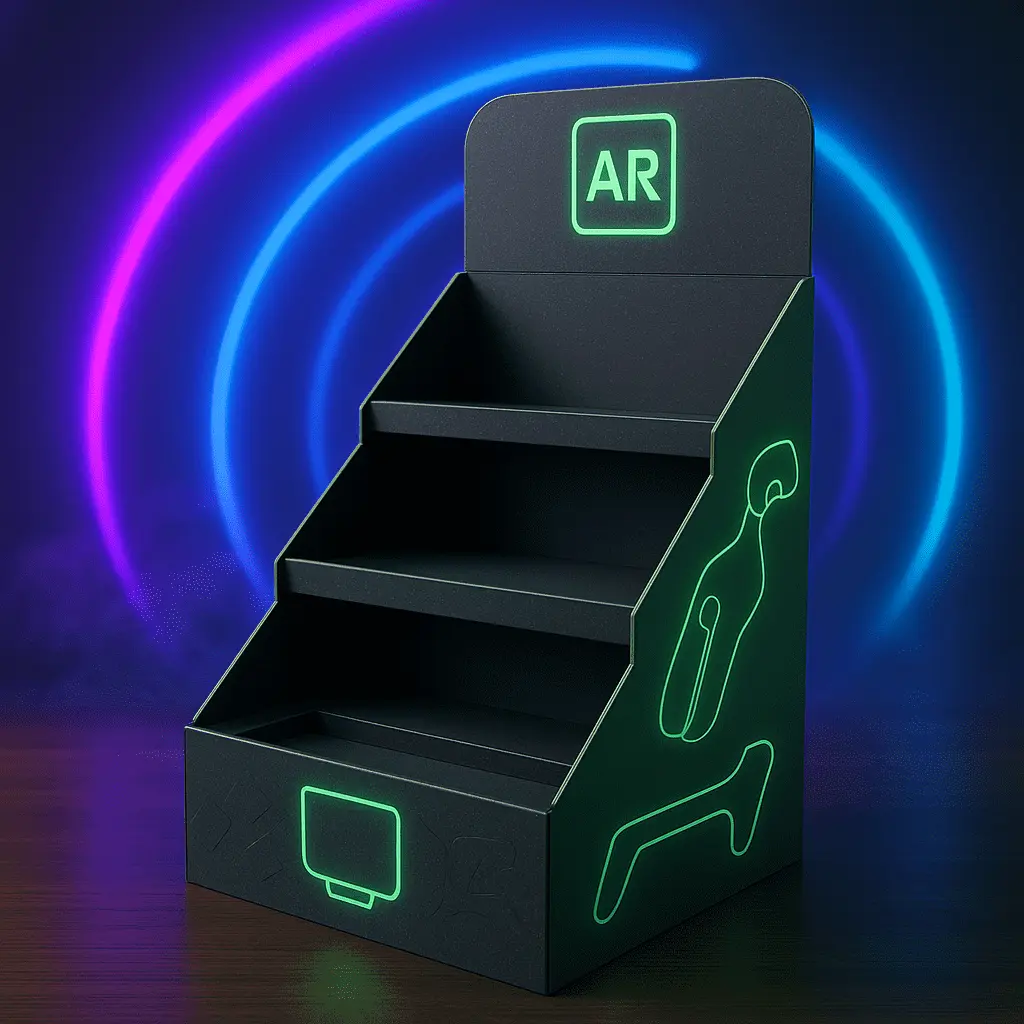
Interactive features turn POS display that are just there into tools that get people involved. Beauty brands that put testers at table height with built-in mirrors see higher conversion rates because customers can try items out before buying them. Adding technology opens up even more options. For example, near-field communication tags let you connect with products or special deals using your smartphone, collecting data that can be used to plan future marketing strategies.
When we create POS display, we think about the whole shopping experience. Shelf talkers placed at choice points give customers just-in-time knowledge that makes them want to buy. Endcap POS display take advantage of places where a lot of people walk by and naturally stop to look for interesting items. These smart places, along with eye-catching design, make it possible for people to buy things on the spot, which might not happen with normal retail methods.
Regulatory Compliance and Safety Standards
It can be hard for brands that sell in more than one market to figure out how to follow worldwide shopping standards. Fire safety rules say that the product must have flame-resistant coats on their materials. When the product could be touched by children or used in food stores where there is a chance of contamination, they must be made with non-toxic paints and glues.
We are dedicated to meeting strict quality and safety standards, as shown by our G7 Color Management and Disney certificates. These licenses aren't just credentials; they're part of a system that makes sure every product that leaves our 50,000-square-meter building meets or beats government standards. When purchasing teams work with certified suppliers, they lower their legal risks and avoid expensive recalls or store rejections that happen when POS display fail compliance checks.
Strategic Benefits of Investing in Custom POS Displays for B2B Buyers
The business case for personalized POS display is based on operational benefits that can be measured and marketing results that can be measured. Procurement pros can show that investments are worth making by showing how customized solutions meet multiple company goals at the same time.
Enhanced In-Store Visibility Drives Sales Lift
Custom POS display make focus points that help brands get shoppers' attention where they need it. A company that makes consumer goods that is releasing a new line of products can get valuable shelf space by using floor-standing units that take up space that isn't normally used for shelves. This specialized room lets brands tell stories through graphics and displays products in a way that isn't possible on a regular shelf.
Visibility directly affects how well sales go. Studies of stores show that putting goods on custom POS display can increase sales by 30% to 200% compared to putting them on regular shelves. These results come from shoppers seeing the product more often and getting dedicated POS display space, which they see as an endorsement. They see noticeable placement as proof of the product's quality or success.
The strategic value goes beyond just one effort. Brands that build libraries of movable POS display parts make systems that can be changed to fit different store styles and seasonal needs. This method cuts down on the time it takes to start new campaigns and keeps the look consistent, which helps people remember the brand over time.
Improved Supply Chain Management and Inventory Control
Well-designed POS display make store operations run more smoothly by setting up stock in a way that makes it easy to rotate and restock. Using stacked POS display with clear product separation by beauty brands helps store employees quickly spot cases where stock is low and follow the planogram. This operating efficiency cuts down on times when products are out of stock, which makes customers angry and sends their business to rivals.
Flat-pack POS display designs save money on shipping costs by making the most of each shipping container. A POS display that comes in a small package and can be put together without any tools saves money on shipping costs and makes it easier for stores to accept special programs. When e-commerce brands started selling in stores, the ease of setup was very important to them. Store employees like POS display that they can set up quickly and easily without any special tools or understanding.
Data Collection Capabilities Inform Marketing Strategy
Modern custom POS display use technology to record information about how shoppers behave that can't be gathered through normal marketing. Digital screens measure interest by keeping track of things like dwell time and contact patterns, which shows which product information really sticks with people. This information helps improve marketing messages for bigger efforts, building feedback loops that keep making ads more effective.
Interactive screens that use QR codes or NFC technology connect the real world and the digital world, making it possible to link interactions that happen in-store to purchases made online. A company that makes consumer goods might find out through the product analytics that people who are looking for technical specs are more likely to buy. This could help them decide what to focus on when optimizing their website and teaching their sales staff.
Conclusion
Custom POS display are smart investments that pay off in a big way by making brands more visible, getting shoppers more involved, and streamlining operations across all retail platforms. When stores switch from using standard tools to custom-made ones, they solve basic problems and gain competitive benefits that regular methods can't match. When looking at investments in the product, procurement workers should give more weight to partners that can do a lot of different things, such as giving advanced manufacturing technology, design expertise, quality certifications, and the ability to make more POS display at a later date. The strategy benefits go beyond instant increases in sales. They also include building a strong brand and improving the supply chain, both of which help the market grow over the long term.
FAQ
Which industries benefit most from custom POS displays?
Custom POS display are very useful for stores that sell consumer goods, technology, makeup, food and drinks, and high-end items. There is a lot of competition for shoppers' attention in these areas, and branding fixtures that effectively communicate product difference and quality positioning are helpful.
What are typical development timelines for custom display projects?
Depending on how complicated the project is, it can take anywhere from three to eight weeks from the time the idea is approved until it is delivered. Counter POS display using basic materials and printing can be finished faster, but complex floor-standing units with technology or high-end finishes need longer development times to make sure they are of high quality.
Can displays be reused across different campaigns or locations?
Modular POS display systems with images that can be switched out and parts that can be rearranged can support more than one campaign, which lowers the total cost of ownership. Branded elements change for sales, new goods, or holiday themes, but structural elements stay the same. This method makes the most of the original purchases while keeping the look fresh.
Partner With Fetching Printing for Your Custom POS Display Needs
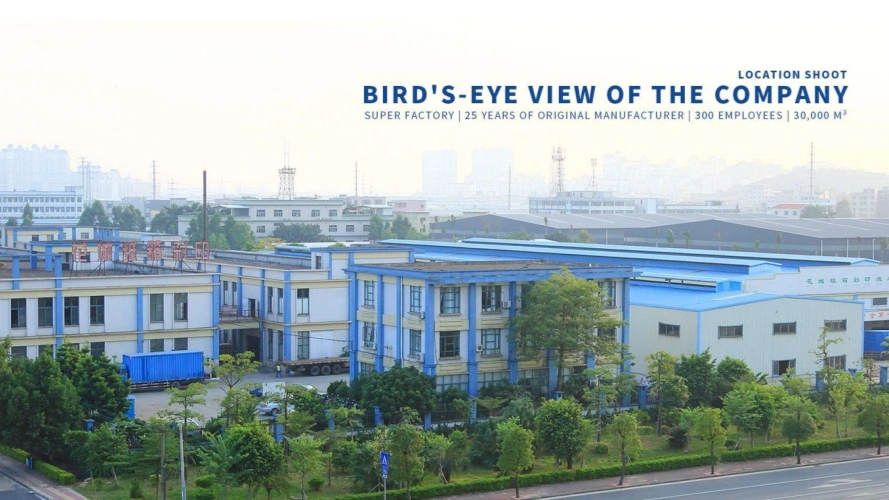
To change how your store looks, you need a POS display maker with technical know-how, high-quality products, and quick customer service. Since 1999, Fetching Printing has helped brands in the electronics, skincare, food and drink, and consumer goods industries with all of their package needs. Our 50,000-square-meter building has the best equipment in the business, and over 300 skilled workers are committed to making your idea come true.
We stand out because of our study and development skills. Your team and ten experienced package experts work together to make POS display that meet budget, structural, and visual standards. We have certifications from FSC, G7 Color Management, SMETA, Disney, ISO 9001-2015, and ISO 14001-2015, so you can be sure that your product meet the best quality and environmental standards that retailers around the world expect.
We can help you with everything, from coming up with ideas to delivering your goods. Whether you need counter POS display units for beauty products, freestanding POS display for food stores, or interactive fixtures for consumer electronics, we can do it all. Get in touch with our support team at support@fetchingprinting.com to talk about how unique POS display solutions can help your brand stand out and increase sales in a competitive store environment.
References
Chandon, Pierre, et al. "Does In-Store Marketing Work? Effects of the Number and Position of Shelf Facings on Brand Attention and Evaluation at the Point of Purchase." Journal of Marketing, Vol. 73, No. 6, 2009.
Inman, J. Jeffrey, et al. "The Roles of Channel-Category Associations and Geodemographics in Channel Patronage." Journal of Marketing Research, Vol. 68, No. 2, 2004.
Sorensen, Herb. Inside the Mind of the Shopper: The Science of Retailing. Pearson Education, 2016.
Underhill, Paco. Why We Buy: The Science of Shopping. Simon & Schuster, Updated Edition, 2009.
Retail Industry Leaders Association. "Point of Purchase Display Standards and Best Practices for Retail Environments." RILA Industry Guidelines, 2021.
Sustainable Packaging Coalition. "Material Selection Guidelines for Retail Display Manufacturing." GreenBlue Report Series, 2022.