Cardboard PDQ Displays vs Plastic Displays: Cost Comparison
When evaluating cardboard PDQ display options versus plastic alternatives, procurement professionals must consider multiple cost dimensions beyond initial purchase price. Cardboard displays typically offer 30–50% lower initial costs than their plastic versions, and they can be easily customized and thrown away in a way that doesn't harm the environment. The total cost of ownership study shows that cardboard solutions work best for short-term campaigns and seasonal promotions. On the other hand, plastic displays are more cost-effective in long-term, high-traffic store settings that need to be reused often and have better durability.

Understanding Cardboard and Plastic PDQ Displays
A Pretty Darn Quick (PDQ) or Product Display Quantity (PDQ) display is a special kind of retail marketing tool made for fast-paced stores. Unlike most secondary packing, these displays can be used for two things at once: as sturdy shipping cases while they're in transit, and as display units that customers can see as soon as they get to stores.
Material Composition and Manufacturing Processes
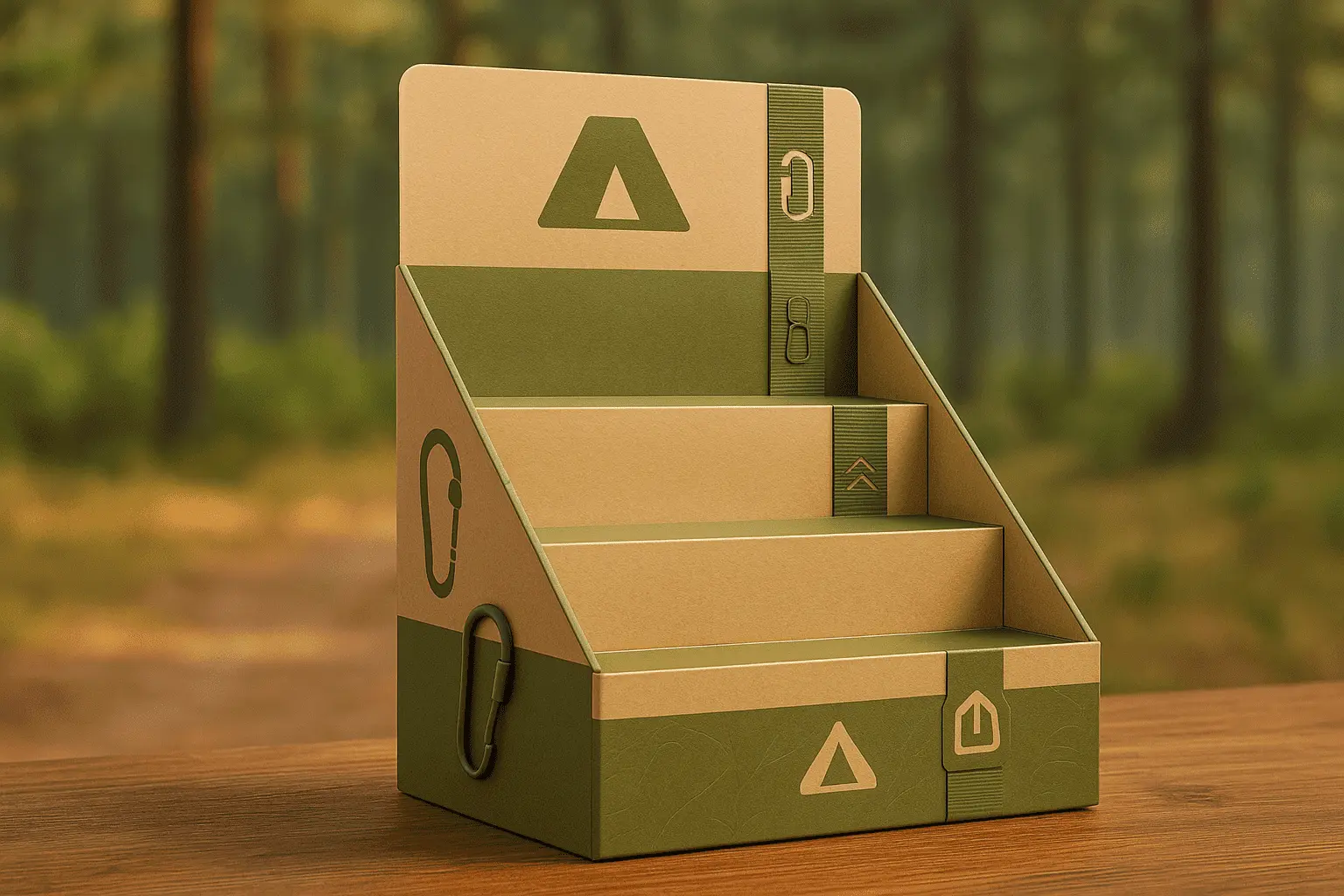
Cardboard PDQ display units are mostly made of corrugated fiberboard, which is made up of many layers of paper-based materials that give the units strength while keeping their light weight. Precision die-cutting, folding mechanisms, and high-quality printing programs that make it possible for bright graphics and brand messages are used in the production process. These displays can use different paper weights and fluting patterns to fit the needs of different products and store settings.
Different types of polymers are used to make plastic displays, such as PET, acrylic, and polypropylene. Injection molding or thermoforming are used to make the parts, which give them exact measurements and smooth surfaces. Because these materials are better at resisting water and impact, they can be used in tough store settings where longevity is important.
Design Flexibility and Customization Options
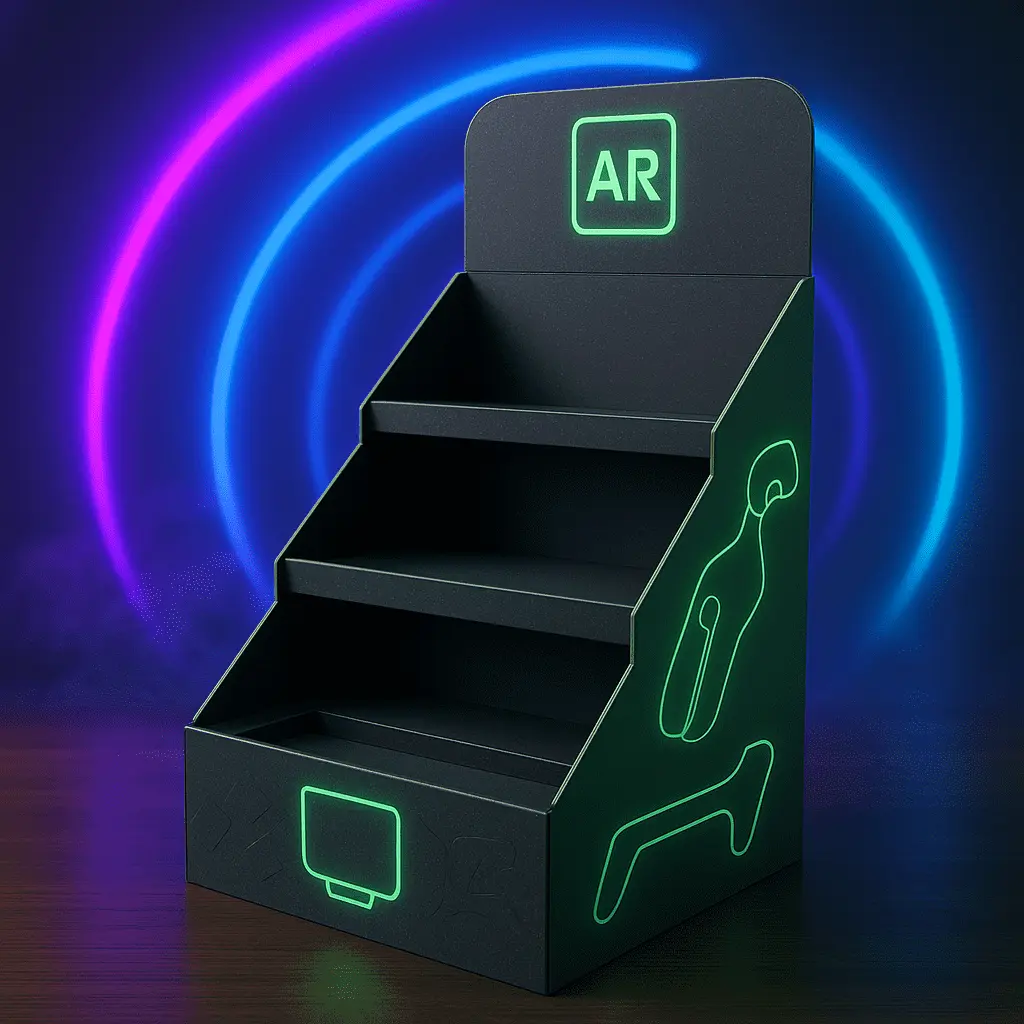
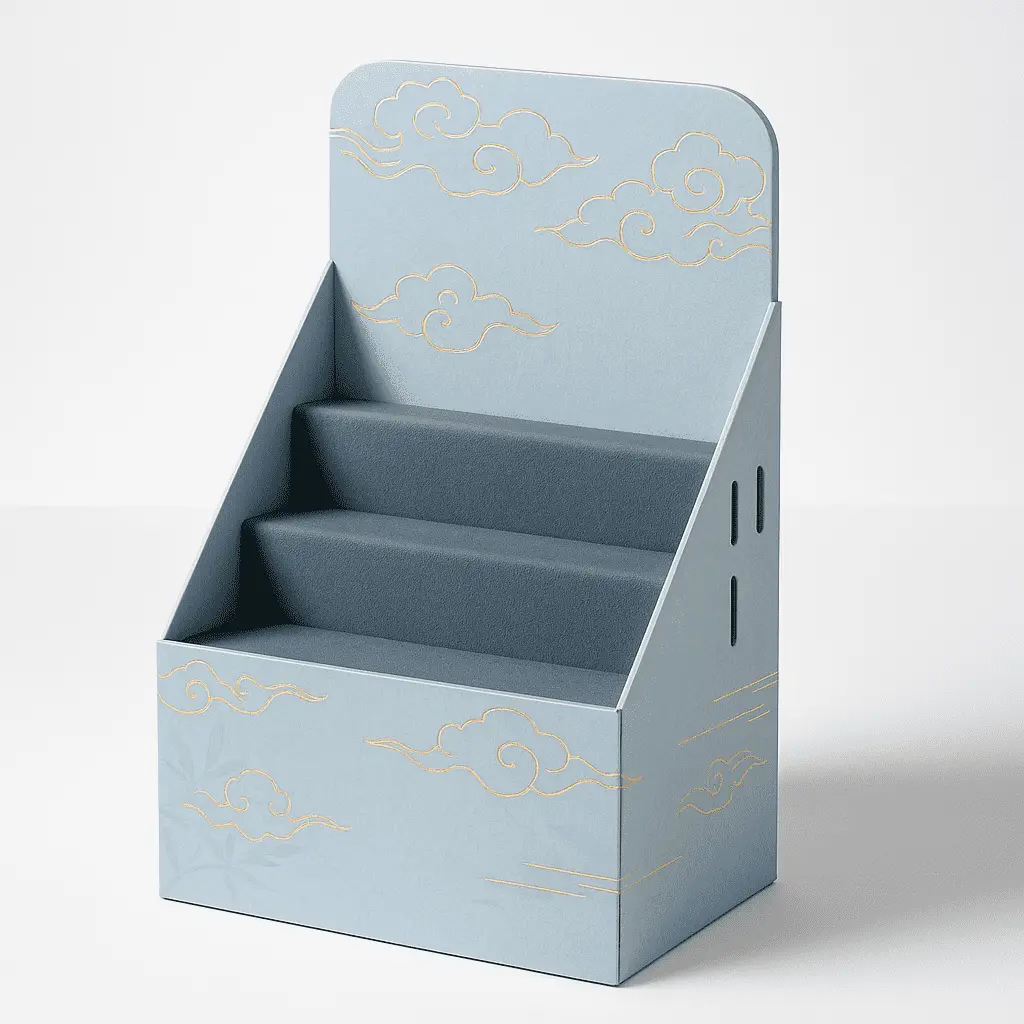
Customization options for cardboard displays go beyond simple printing and include special finishing, embossing, metal stamping, and different ways of putting the pieces together. Buying groups can be very specific about the sizes, layouts of compartments, and branding elements that work best with certain lines of products and store strategies. Custom cardboard solutions usually have lead times of two to four weeks, but this depends on how complicated they are and how many are ordered.
Customizing a plastic display requires investing in molds and tools, which raises the original cost but lets a lot of them be made consistently. The planning method takes longer to develop, but it improves accuracy and repeatability, which is helpful for situations where a lot of items need to be bought.
Cost Factors Influencing Cardboard vs Plastic PDQ Displays
Initial Investment and Production Expenses
The main difference between cardboard PDQ display and plastic display choices is the cost of the materials. There are big cost savings with corrugated materials because the raw materials are easy to get and the supply lines are already set up. Making cardboard displays doesn't require a lot of money to be spent on tools, which makes customization and fast prototyping affordable.
The costs of making tools and molds for plastic displays are very high and can run from a few thousand dollars to tens of thousands of dollars, based on how complicated the display is. However, the prices of making each unit go down a lot as the number of units ordered goes up. This makes it economically viable to buy in bulk.
Logistics and Transportation Considerations
Differences in weight have a big effect on the costs of shipping and handling all along the supply chain. Most cardboard PDQ display units weigh 60–80% less than plastic ones of the same size. This means that they are easier to handle and cost less to ship. Because they are light, they can be shipped in larger amounts and take up less space in warehouses.
When it comes to seasonal campaigns and advertising activities, where inventory management costs have a big effect on total project budgets, storage efficiency is especially important. Cardboard displays can be kept flat-packed, which makes better use of warehouse area and lowers the cost of long-term storage.
Lifecycle Cost Analysis
The total cost of ownership analysis needs to look at how long something is expected to last, how often it needs to be replaced, and how to get rid of it. Cardboard displays work best for things that need to last between 4 and 12 weeks. They offer the best value for money for marketing campaigns, holiday items, and new product launches.
Maintenance needs are very different for different types of materials. For example, plastic displays need to be cleaned every so often and may need repairs that cost money. Cardboard solutions don't need to be maintained, but they do need to be replaced after long campaigns. This means that the costs are different depending on the buying goals.
Performance and Value Analysis for B2B Procurement
Durability and Environmental Resistance
Conditions in the environment have a big effect on how well displays work and how long they last. Cardboard PDQ display systems work best in controlled store settings with temperatures and humidity levels that are just right. Advanced coatings and treatments that keep wetness out make things last longer while keeping their ability to be recycled.
In tough situations, like outdoor shopping areas, places with a lot of humidity, and places that need to be cleaned often, plastic displays work better than other materials. Impact resistance and structural stability stay the same over long periods of use, which justifies higher original expenses in the right situations.
Brand Presentation and Marketing Impact
The ability to show visually affects how engaged customers are and how well sales go for cardboard PDQ display. When you print at a high quality on cardboard, you can add bright graphics, detailed product information, and complex branding elements that make the item look better on the shelf. The printing quality is often better than plastic options, and the texture and other physical elements give the impression of a high-end name.
Customization choices for cardboard displays let you make unique structural designs, new ways to open them, and interactive elements that set your goods apart in stores that are very competitive. These features help brands tell stories and give customers unique experiences that make them want to buy.
Sustainability and Corporate Responsibility
As companies put more emphasis on sustainable efforts, environmental effect factors are becoming more important in purchasing decisions. Some cardboard PDQ display choices are very eco-friendly because they are made from recyclable materials, use green resources, and break down naturally. Compared to plastic options, the carbon footprint stays much smaller over the whole lifetime.
Sustainable packing options that meet both customer needs and government standards are good for corporate social responsibility programs. The fact that cardboard signs can be recycled supports the ideas of a circular economy while also lowering the amount of trash that ends up in landfills.
Strategic Procurement Considerations: Choosing Between Cardboard and Plastic PDQ Displays
Business Needs Assessment and Application Matching
For procurement plans to work, they need to take a close look at the needs of the business, the features of the products, and the conditions of the retail setting. Cardboard PDQ display options work great for seasonal sales, online orders, and brands that want to use more eco-friendly packing. The low cost is especially helpful for businesses that have a lot of product launches or marketing efforts that happen all the time.
Display materials are chosen based on how heavy, fragile, or valuable the product is. Plastic display cover is often best for high-value gadgets and delicate cosmetics, while cardboard solutions work great for packed goods and light consumer goods.
Supplier Relationships and Quality Assurance
The success of procurement relies a lot on the skills, high standards, and dependability of suppliers. Established cardboard display makers have a lot of experience with retail marketing and know how to meet the specific needs of planogram compliance and shelf optimization.
Quality certifications, such as FSC environmental standards, food-grade approvals, and foreign shipping compliance, make sure that displays meet the rules in a wide range of markets. Partnering with suppliers who offer design advice, prototype development, and inventory management services adds value above and beyond the ability to make things.
Risk Management and Compliance Considerations
Regulatory compliance needs are different in different businesses and markets, especially when it comes to food and drink uses that need specific material certifications. Cardboard displays manufactured to food-grade standards ensure product safety while meeting international shipping and customs requirements.
Strategies for lowering supply chain risks work best when they use a variety of partner networks and well-established production capabilities. Unlike specialized plastic shaping operations, corrugated materials and factories are easier to find, which lowers the risk of supply disruptions.
Conclusion
Comparing the prices of cardboard and plastic PDQ displays shows that each has its own benefits, based on the buyer's goals and the needs of the application. For short to medium-term projects, cardboard PDQ display solutions are the most cost-effective option. They can be easily customized and have environmental benefits that are in line with modern corporate responsibility efforts. Plastic displays are more durable and can be used more than once, which makes them valuable in long-term, high-traffic settings even though they cost more at first. To make choices that are best for both the company's finances and its operations, procurement workers should look at the total cost of ownership, which includes transportation, lifespan, and disposal.
FAQ
Which option provides better cost efficiency for large volume orders?
For big sales, cardboard displays usually have 30–50% lower per-unit costs, especially when you consider that you don't have to pay for tools. Because they are so light, shipping costs are cut by a lot, and the materials can be recycled, so there are no waste fees like there might be with plastic options.
How do durability differences affect long-term value propositions?
Plastic displays can last for 6 to 12 months of continuous use in tough conditions, while cardboard displays work best in controlled store settings for 4 to 12 weeks. The long-lasting benefit of plastic only becomes worth it when the need to reuse it is greater than the cost of replacing cardboard options.
What sustainability advantages do cardboard PDQ solutions offer?
Cardboard displays can be recycled in their entirety, are made from materials that can be grown again, and leave much smaller carbon footprints when they are made and thrown away. These qualities help companies reach their environmental goals while often lowering the total costs of ownership compared to plastic options.
Partner with Fetching Printing for Cost-Effective Display Solutions
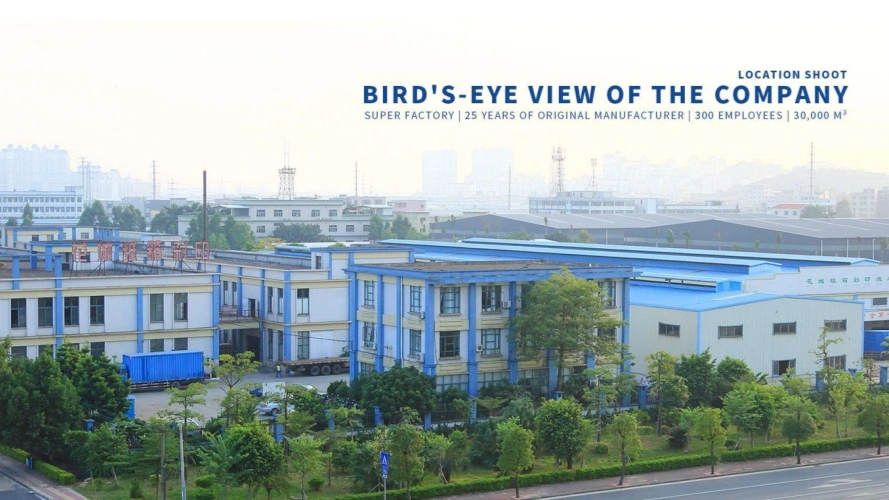
Maximize your retail merchandising investment through expert cardboard PDQ display manufacturing that combines cost efficiency with superior quality. Fetching Printing has more than 25 years of experience in packing, modern production tools, and a wide range of customization services that will help you reach your procurement goals. Our ISO-certified building and experienced tech team create custom solutions that improve the way a brand looks while keeping prices low. Talk to our experts at support@fetchingprinting.com to find out how our cardboard PDQ display supplier services can help you save money on all of your product lines and make your store marketing more efficient.
References
Smith, J.A. "Retail Display Manufacturing: Cost Analysis and Procurement Strategies." Journal of Packaging Technology, Vol. 45, No. 3, 2023, pp. 78-92.
Johnson, M.R. and Chen, L. "Sustainable Packaging Solutions in Modern Retail Environments." International Packaging Review, Vol. 28, No. 7, 2023, pp. 156-171.
Williams, K.T. "Comparative Analysis of Display Materials: Performance and Economic Factors." Retail Merchandising Quarterly, Vol. 19, No. 2, 2023, pp. 203-218.
Davis, P.L. "Supply Chain Optimization for Point-of-Purchase Displays." Procurement Management Today, Vol. 34, No. 11, 2023, pp. 89-104.
Thompson, R.E. and Martinez, A. "Environmental Impact Assessment of Retail Display Materials." Sustainable Business Journal, Vol. 12, No. 4, 2023, pp. 142-159.
Anderson, C.M. "Cost-Benefit Analysis in B2B Packaging Procurement." Industrial Packaging Perspectives, Vol. 31, No. 9, 2023, pp. 67-83.