PDQ Tray Design Guidelines for FMCG Brands
PDQ tray solutions are a key part of successful retail packing strategies for FMCG brands that want to make the most of their store appearance while also streamlining delivery. These number trays that have already been sent out are a new way to package items for store use. They turn plain product displays into moving displays that draw people in. PDQ tray designs combine structural strength with good looks so brands can easily move products from the warehouse to interacting with customers. This leads to more purchases through smart product placement and better exposure in stores that are competitive.
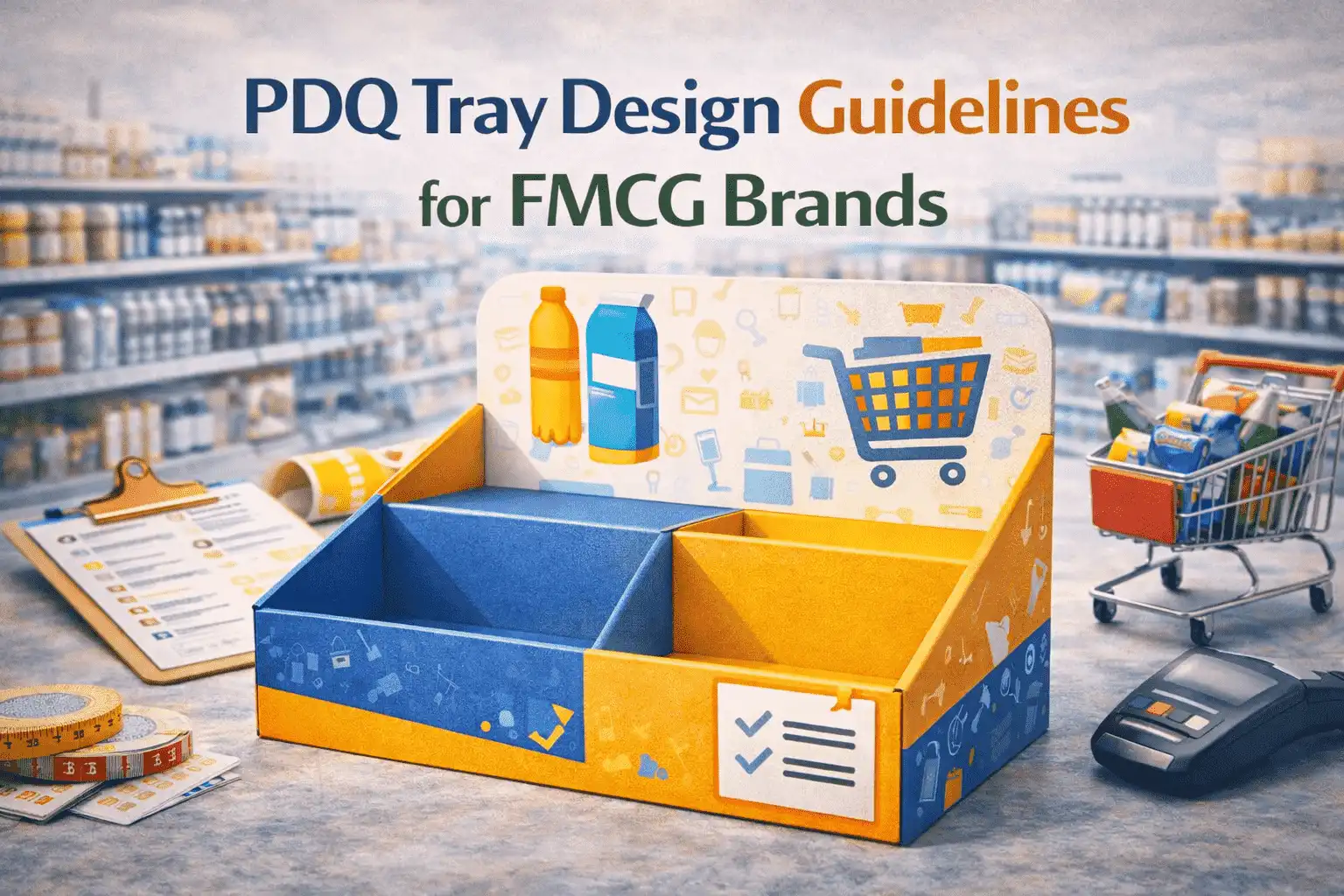
Understanding PDQ Trays and Their Role in FMCG Packaging
The way modern stores have changed over time means that packing needs to go beyond the usual lines between security and presentation. Pre-distributed quantity trays are high-tech packing methods that are designed to solve multiple supply chain problems at the same time. These creative solutions combine strong structure with usefulness that's ready for sale, making it easy for products to go from factories to places where customers can interact with them.
Structural Design Fundamentals
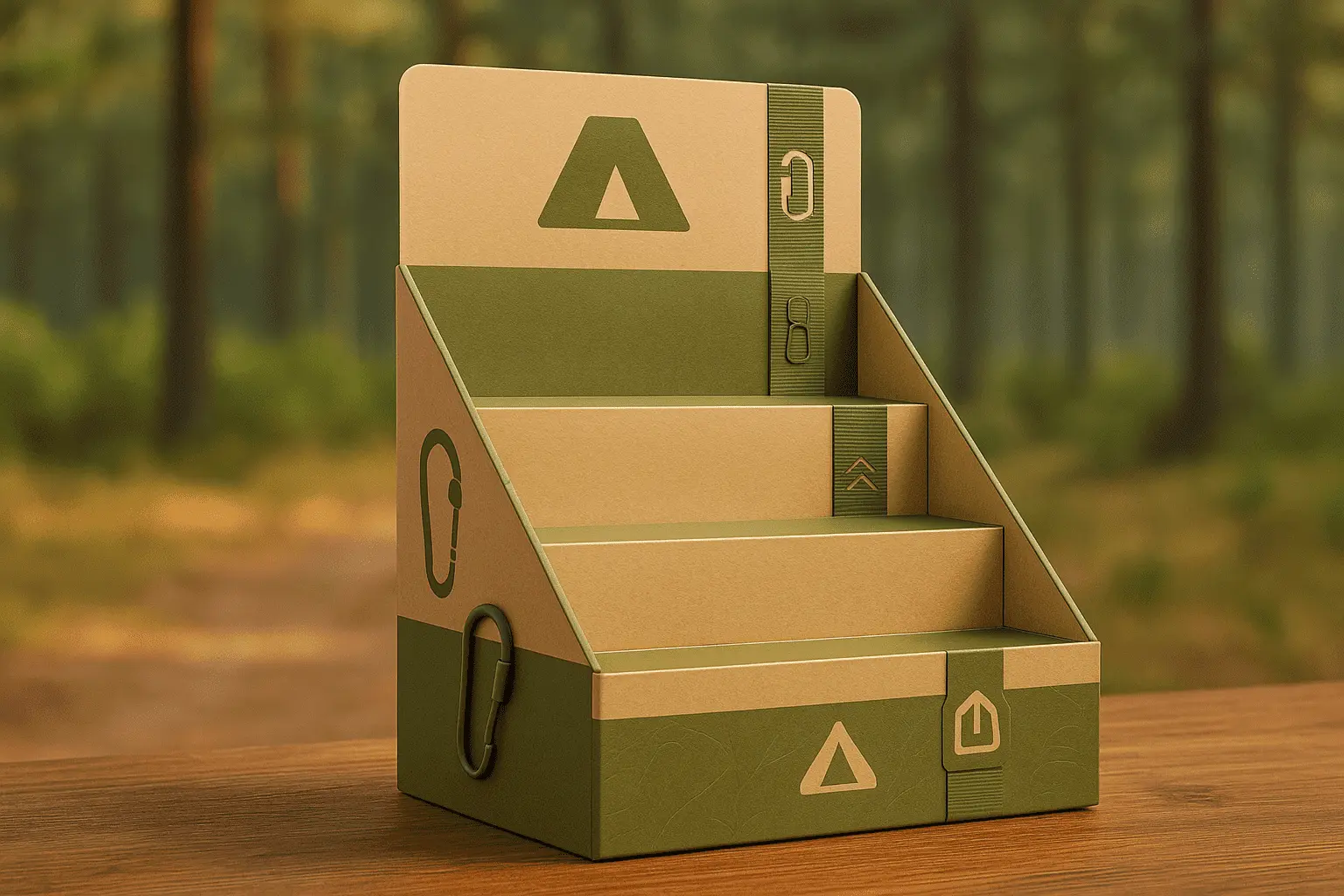
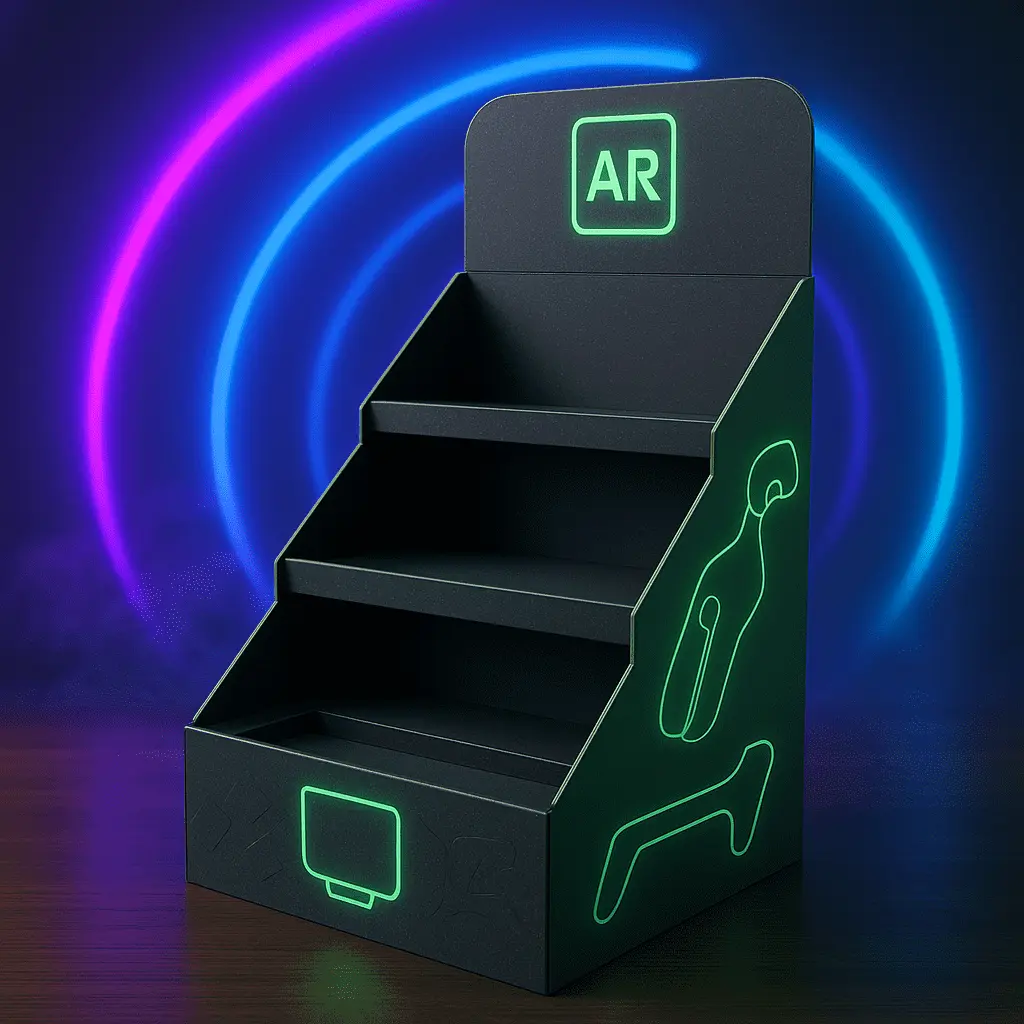
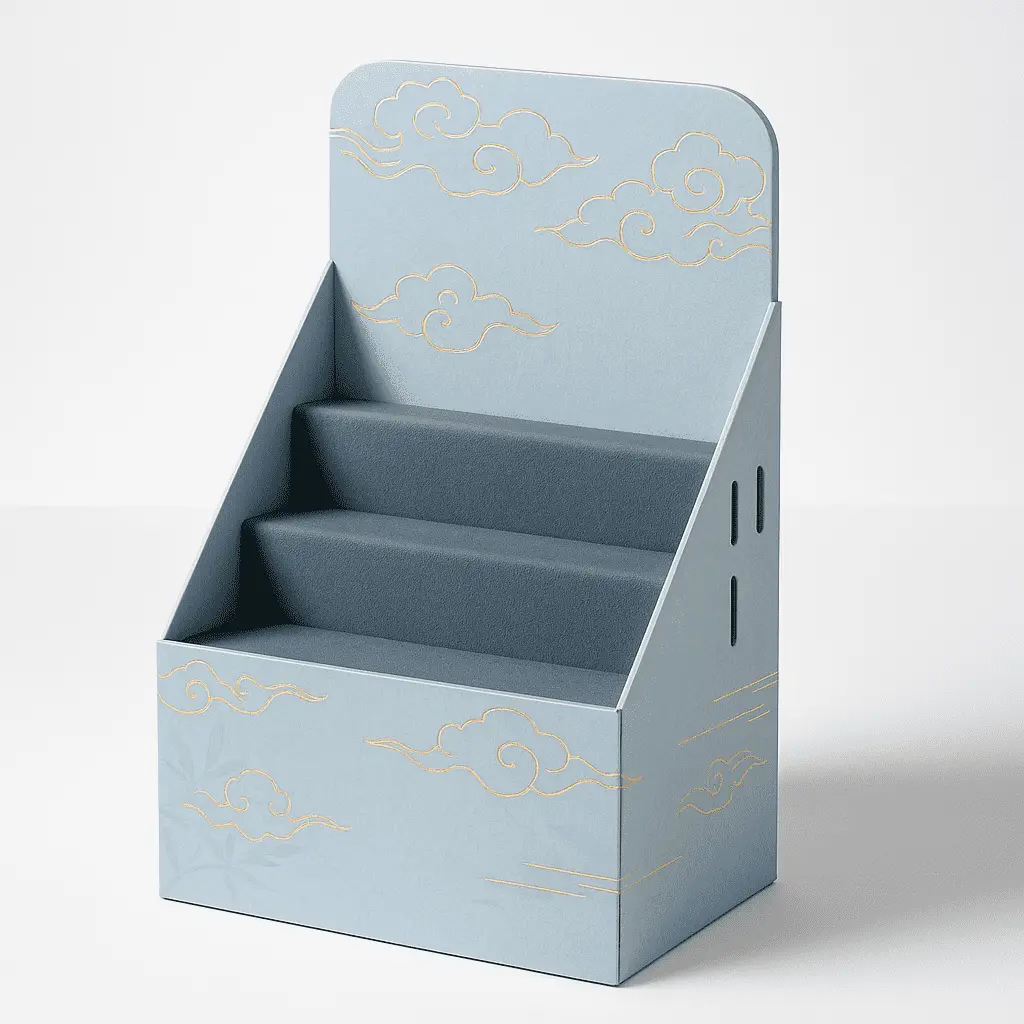
The building of PDQ tray units is based on precise technical principles that balance how well materials are used with how well they work. The base made of folded cardboard has a great strength-to-weight ratio and stays cost-effective even when making a lot of them. Modern die-cutting methods allow for complicated geometric shapes that can fit a range of product sizes without affecting the rigidity of the structure.
These containers are ready to be put on display. They have smart perforations and fold designs that make them easy to put together and make sure they always look good. The modular design method keeps production efficient while letting different types of products be customized. These kinds of retail-ready packing systems cut down on the labor costs that come with standard shelf stocking methods, which adds value to the whole delivery network.
Material Selection and Performance Characteristics
These days, high-performance corrugated substrates are used to make PDQ tray solutions that can survive the pressures of shipping while still looking good. Depending on the weight and fragility of the product, single-wall, double-wall, and triple-wall designs offer different levels of security. Edge crush strength, burst strength, and moisture resistance qualities are carefully thought through during the selection process.
Modern covering technologies make surfaces last longer and let prints stick better for branding purposes. Water-resistant treatments keep the quality of the presentation uniform across a wide range of retail settings by protecting against changes in humidity during storage and shipping. These new materials help products last longer on store shelves while keeping their structural stability over the course of their lifecycle.
Essential Design Principles for PDQ Trays in FMCG Packaging
To create successful store packaging, you need to know a lot about how people buy things and how displays work. PDQ tray solutions that work well combine visual appeal with practicality, making shows that are convincing enough to lead to purchases while also improving working efficiency.
Dimensional Optimization Strategies
The link between the size of the product and the size of the tray has a direct effect on how the tray looks and how well it uses space. The best design options make the product as visible as possible while using the least amount of materials and cutting down on shipping costs. Strategic height-to-width ratios make a visual order that draws attention to important brand aspects and product features.
Dimensional limits in stores are set by concerns about how well items will fit on shelves. Maximum box sizes are set by standard shelf widths and heights, while category management rules determine the best number of products to put on each display unit. These factors set the limits for designs that have to work with a wide range of products while still keeping a consistent brand presentation.
Branding Integration and Visual Communication
Using color psychology to help with branding in PDQ tray designs that work well. High-contrast color choices make items stand out more on the shelf, and brand-consistent color schemes help people recognize and like the brand. By putting brands, images of products, and messages in the right places, you can make visual hierarchies that effectively explain value ideas.
The choice of typography affects how easy it is to read at different distances and helps the brand's personality shine through. In store settings, sans-serif fonts are usually easier to read, while serif fonts can show that a product is more expensive when used correctly. To put these things together, you need to find the right mix between a lot of information and clear images.
Consumer Interaction Design
A user's experience includes more than just how something looks. It also includes how they connect with it physically. PDQ tray designs need to make it easy to choose products and keep the display's structure during the exhaustion cycle. Strategic placement of perforations allows limited entry without weakening the structure.
When figuring out where to put things in order to make them easier to reach, ergonomic principles come into play. Placement at a certain height changes how visible and easy to get to something, especially for certain groups of people. These human factors factors have a direct effect on the number of purchases made and the general success of the retail sector.
Comparing PDQ Trays with Alternative Packaging Solutions
There are many options to the standard PDQ tray methods in the competitive world of retail packing. Knowing about these choices helps you make smart choices that match your packing strategies with your company's goals and limitations.
Performance Analysis Across Packaging Categories
When it comes to design, corrugated display trays are better than plastic options, and they still have low prices. Unlike hard plastic cases, corrugated options can meet complicated geometric needs without having to buy expensive tools. Paper-based products are better for the environment because they can be recycled, which supports the circular economy.
Shelf-ready packaging methods do the same things, but they usually need extra protective outer cases for transport. This isn't needed with PDQ tray designs because they combine security and presentation features into a single packing system. This combination cuts down on the amount of material used and makes it easier to move things along the supply chain.
Cost-Benefit Evaluation Framework
A study of the economy shows that cardboard display options have big benefits in many cost groups. Compared to injection-molded options, the cost of materials stays low and the cost of setting stays low as well. Getting rid of the need for extra packing saves even more money on materials, storage space, and work.
Improving the speed of transportation leads to better dimensions and stackability properties. More products packed into a shipping crate means lower freight costs and less damage to the environment per unit shipped. These benefits add up to strong value offers for FMCG applications that focus on volume.
Environmental Impact Assessment
Sustainability concerns are becoming more and more important in choosing packing for all kinds of market goods. PDQ tray options made from recovered materials support efforts to create a circular economy while still meeting performance standards. Standard recycling sources don't require any special care when it comes to end-of-life disposal choices.
Life cycle assessments show that these materials are better for the earth than plastic alternatives in a number of effect areas. Sources of renewable raw materials and production methods that use less energy lead to smaller carbon footprints. These benefits for the environment help companies keep their green promises and appeal to people who care about the environment.
Procurement Guidelines: How to Source the Best PDQ Trays for FMCG
Good buying strategies make sure that you can always get high-quality PDQ tray options, while also keeping the supply chain flexible and lowering costs. The best results come from professional buying methods that combine technology needs with business concerns.
Supplier Evaluation Criteria
Manufacturers who are qualified show that they can do a wide range of tasks, including designing products, increasing production, and making sure the quality is good. Some of the things that are needed to get an ISO certification are quality management systems, environmental standards, and compliance processes that are specific to the business. With these qualifications, you can be sure that the performance will be the same across broader partnerships.
Assessments of production capacity look at how well a company can meet peak demand while still meeting quality standards. Precision die-cutting and consistent printing across big production runs are made possible by high-tech machines. Quality control systems need to show that they use statistical process control and keep track of results.
Technical Specification Development
Detailed specs make it clear what performance is needed and allow for accurate cost estimates and delivery schedules. To get consistent results, it's important to clearly define things like printing specs, material grades, and limits for measurements. Before committing to production amounts, sample review methods make sure that design ideas are sound.
Protocols for testing make sure that the structure works well in situations that are like those in transportation and shopping. Objective performance validation is provided by compression tests, edge crush evaluation, and print quality reviews. These technical reviews help people make confident choices about purchases while reducing risk.
Contract Negotiation Strategies
Volume-based price systems reward loyalty and make costs predictable over long periods of time. When buying PDQ tray units, people usually buy a lot of them, which is why they should get better prices. Seasonal changes in demand can be accommodated by flexible delivery schedules, which also make the best use of capital investment.
Quality assurance rules include ways to fix goods that don't meet standards and promises of performance. Clear communication rules set up ways for people in the partnership to help each other and set up ways for complicated problems to be taken to the next level. These parts of the contract lay the groundwork for long-term partnerships that work.
Sustainability and Future Trends in PDQ Tray Design for FMCG Brands
Environmental responsibility is having a bigger impact on new package ideas for all kinds of market goods. PDQ tray creation combines environmental duty with performance needs to make solutions that meet both business goals and environmental obligations.
Material Innovation and Circular Economy Integration
Advanced substrate development works on getting the most recyclable material while still meeting standards for structure performance. Bio-based paints can be used instead of standard treatments made from petroleum, and they don't hurt the print quality or resistance to water. These new ideas help reach goals for lowering carbon emissions while still meeting useful needs.
Recycling infrastructure compatibility makes sure that the value of end-of-life materials can be recovered through existing systems for collection and processing. Design for recyclability principles help choose the best materials and adhesives to get the highest recovery rates. These things support the ideas of a revolving economy while reducing the amount of trash that is made.
Digital Integration and Smart Packaging Technologies
Digital integration features of new technologies make it possible to improve PDQ tray units. QR codes and NFC technology make shopping more fun and give you useful information about how people are using your products. These features help with omnichannel marketing strategies while still letting standard packing do its job.
Tracking through embedded sensors improves awareness in the supply chain and makes managing goods easier. Real-time location data optimizes logistics, and tracking temperature makes sure that product quality stays high. These improvements in technology add value beyond what packing normally does.
Customization and On-Demand Production Trends
Improvements to manufacturing freedom allow smaller batches to be made while keeping costs low. Personalization and regional customization are possible with digital printing, and there are no setup fees like there are with traditional printing. These improvements make it easier for people in a wide range of market groups to get customized packaging options.
Rapid manufacturing technologies shorten the time it takes to build a design and lower the cost of samples. 3D printing lets you test complicated geometric designs in real life before making production tools. These skills help with new ideas while lowering the risk of development and speeding up the time it takes to get a product to market.
Conclusion
Using PDQ tray units strategically changes the way standard packaging is done into dynamic retail experiences that keep customers interested while improving business efficiency. When you combine great structure engineering with eye-catching visual communication, you get strong tools for FMCG success in retail settings that are very competitive. Today's demands for sustainability and advances in technology keep opening up new possibilities while sticking to basic performance principles. Professional buying methods make sure that brands can get new solutions that help them reach their short-term and long-term strategy goals. This sets them up for continued growth in a market that is always changing.
FAQ
What materials work best for PDQ tray construction?
Corrugated cardboard is still the best choice for most FMCG uses because it has great strength-to-weight ratios, can be customized easily, and is better for the environment. Single-wall design is best for smaller items, while double-wall and triple-wall choices protect heavier items better.
How do PDQ trays improve retail presentation compared to traditional packaging?
PDQ tray designs get rid of the need for extra handling and make product displays that are more organized and easy to see and get to. The structured presentation style and built-in branding possibilities lead to higher attention rates and better buy conversion.
What minimum order quantities should I expect when sourcing PDQ trays?
Typical minimum orders range from 5,000 to 10,000 units depending on customization complexity and dimensional requirements. Volume commitments often unlock preferential pricing while ensuring production efficiency for manufacturers.
How long do PDQ tray procurement cycles typically require?
Standard lead times span 2-4 weeks for established designs while custom development projects may require 6-8 weeks including sampling and approval phases. Rush production capabilities can reduce timelines for urgent requirements.
What sustainability certifications should I look for in PDQ tray suppliers?
FSC certification ensures responsible forestry practices while ISO 14001 demonstrates environmental management system implementation. Recycled content verification and recyclability documentation support comprehensive sustainability reporting requirements.
Partner with Fetching Printing for Premium PDQ Tray Solutions
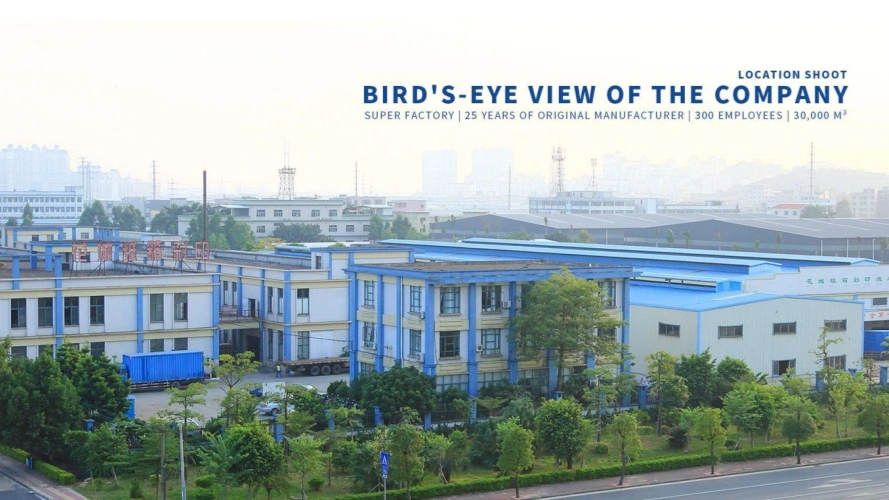
To move your FMCG package plan forward, you need to work with experienced PDQ tray makers who know how complicated modern retail settings can be. Fetching Printing has been in the package business for more than 20 years and has a wide range of quality certifications, such as ISO9001, FSC, and G7 Color Management standards. Our team of packaging engineers specializes in creating unique solutions that strike a balance between how the product looks and how well it works. This way, your goods will have the best chance of standing out on the shelf while still being cost-effective. Email our support team at support@fetchingprinting.com to talk about your unique needs and find out how our advanced PDQ tray supply services can help your business succeed.
References
Smith, R.J., "Retail Display Packaging: Engineering Principles for FMCG Success," International Packaging Technology Journal, 2023.
Anderson, M.K., "Sustainable Corrugated Solutions in Consumer Goods Packaging," Environmental Packaging Research Quarterly, 2023.
Thompson, L.A., "Supply Chain Optimization Through Strategic Packaging Design," Journal of Retail Operations Management, 2022.
Williams, D.C., "Consumer Behavior and Point-of-Purchase Display Effectiveness," Marketing Psychology Review, 2023.
Johnson, P.R., "Material Science Advances in Corrugated Packaging Applications," Industrial Packaging Technology, 2022.
Davis, K.M., "Procurement Best Practices for FMCG Packaging Solutions," Supply Chain Management Professional, 2023.