Choosing a Trusted Supplier for Custom Retail Packaging
One of the most important strategic choices that B2B buying teams make is which provider to use for custom retail packaging. Packaging costs make up 15 to 25 percent of all product costs in most industries. Picking a reliable partner has a direct effect on how people see your brand, how efficiently you run your business, and how much money you make at the end of the day. The best supplier uses high-quality production, new design ideas, and a reliable supply chain to provide package solutions that keep goods safe and raise brand awareness at the retail level.
Understanding the Role of Custom Retail Packaging in B2B Procurement
Figure out what role custom retail packaging plays in buying things for businesses. It's more than just a protective wrapper for custom retail packing; it's also a quiet salesperson that promotes brand values, protects product quality, and makes unboxing memorable. In today's competitive market, 72% of customers decide what to buy based on the package. This makes choosing a supplier an important part of brand strategy.
Defining Custom Retail Packaging and Its Strategic Value
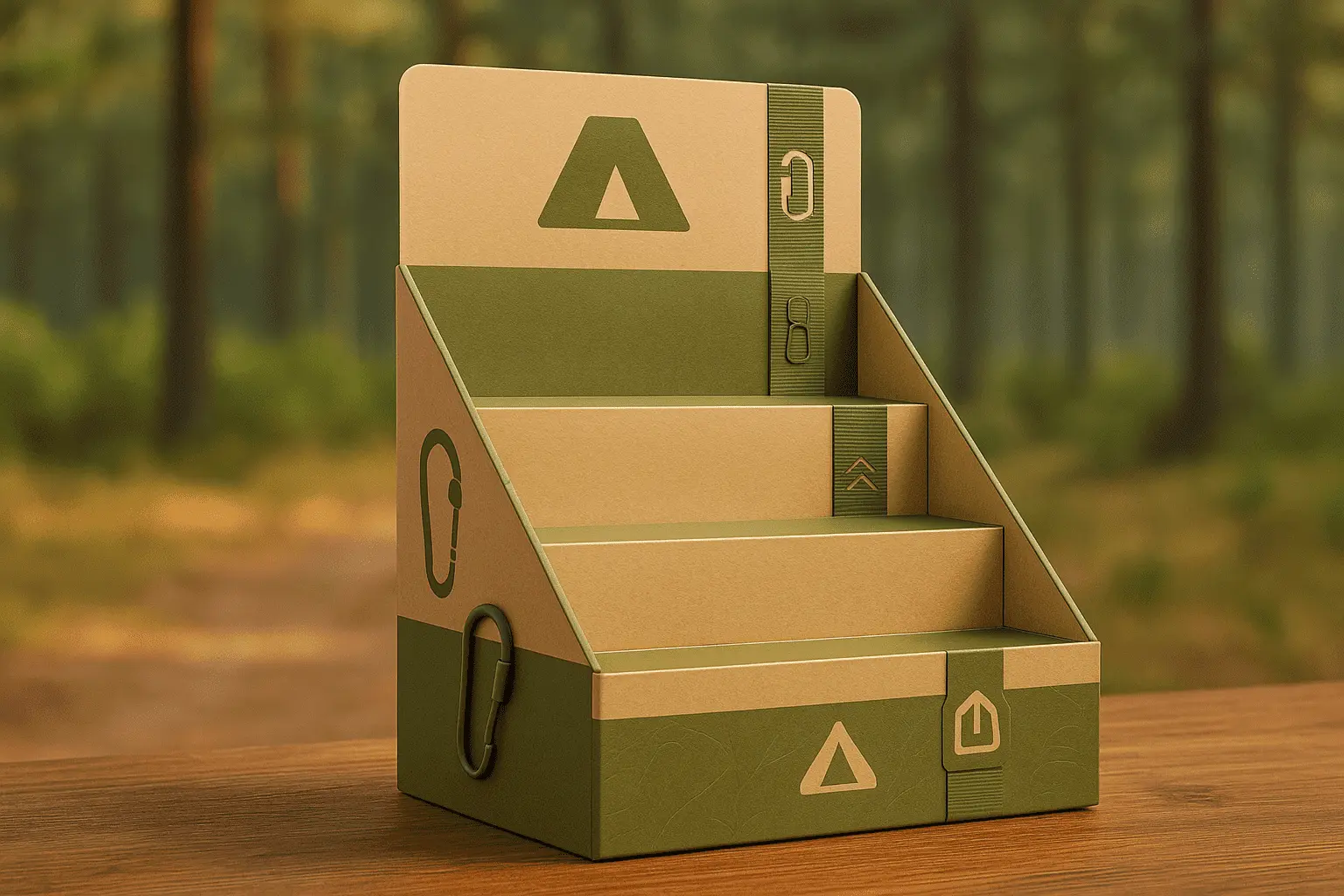
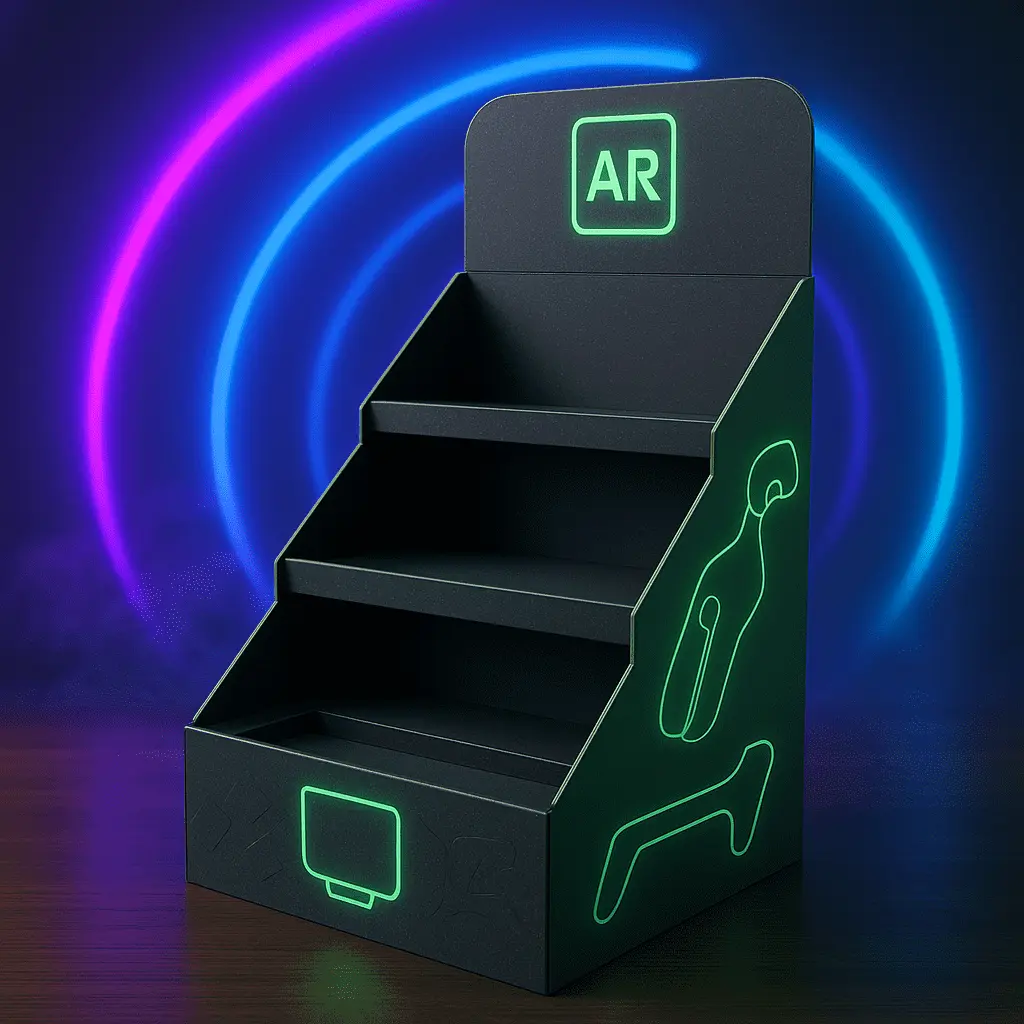
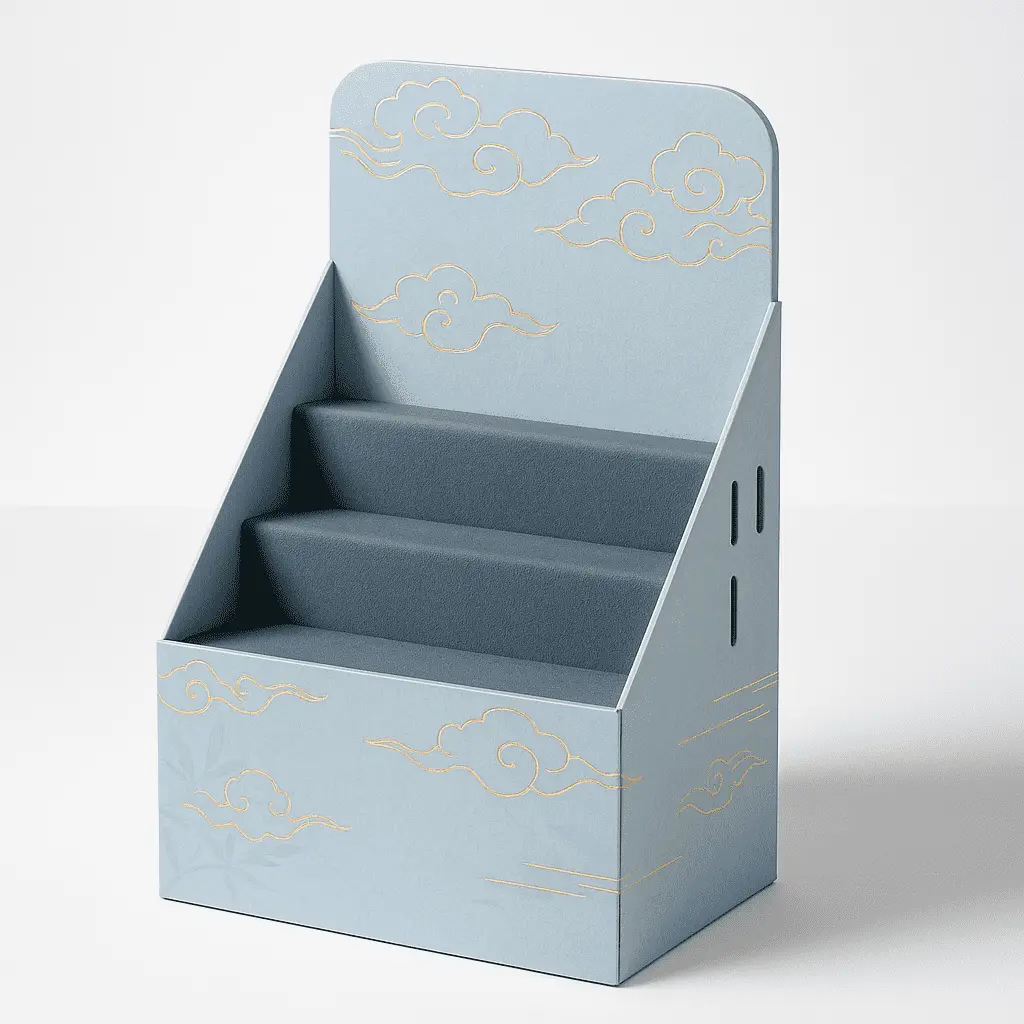
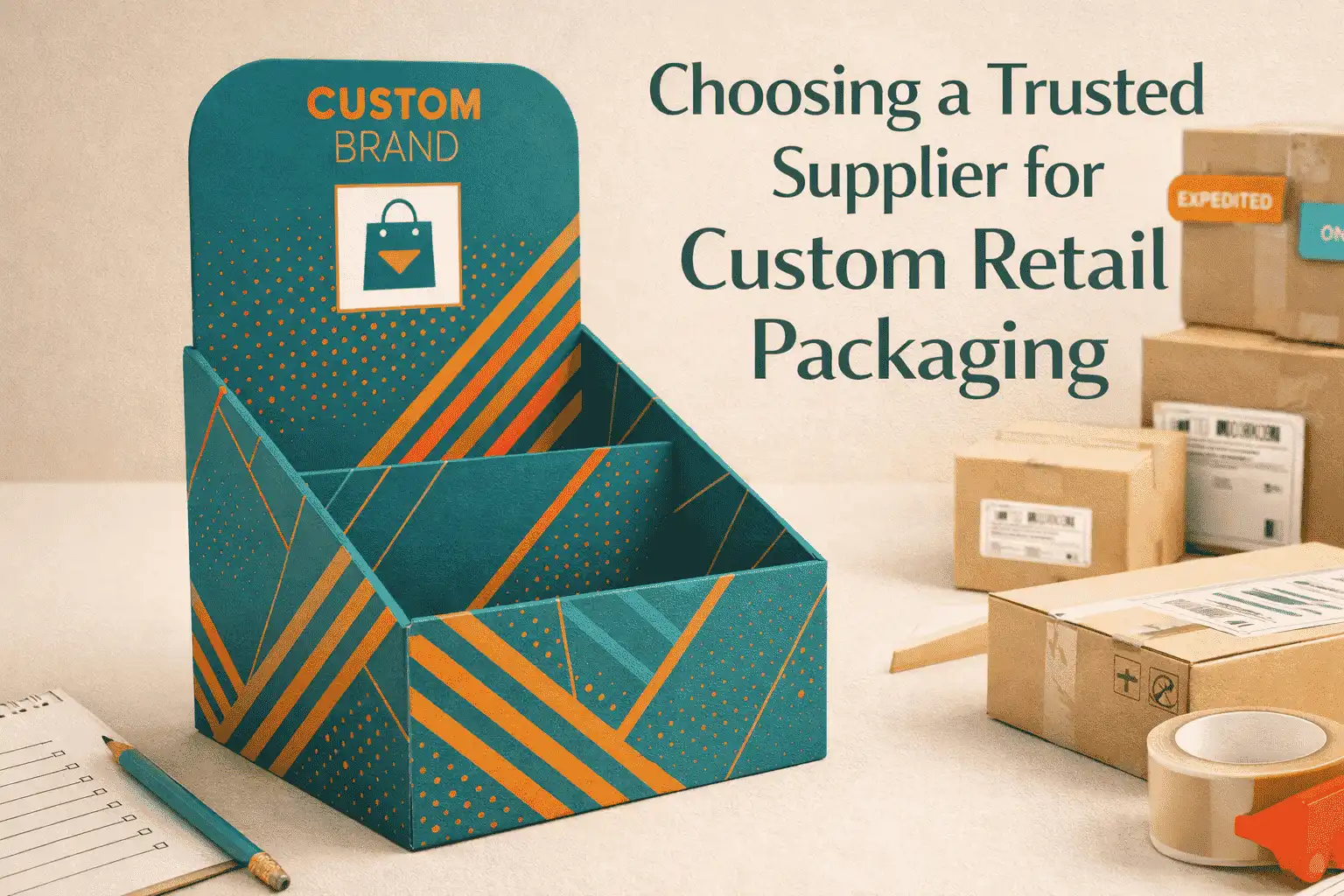
Custom retail packaging includes all branded package elements that are made to fit specific goods or lines of products. These solutions are different from generic packaging because they include brand colors, logos, messages, and structure design elements that are in line with marketing goals. There are many types of packing, such as shipping boxes, product displays, protected inserts, and different ways to package gifts.
The strategic value goes beyond how it looks. Product damage during shipping and handling can be cut by up to 40% with good packing. This directly affects customer happiness scores. Also, well-designed packaging cuts down on delivery time by making storage operations run more smoothly and making inventory management more effective.
Material Innovation and Sustainability Trends
Modern package companies offer a wide range of materials, from standard corrugated cardboard to new bio-based choices. Sustainable products have become very popular; in fact, 67% of B2B buyers choose eco-friendly choices over other options. Paperboard with recycled content, water-based inks, and protective films that can be broken down and composted are some of these materials. They last longer and have less of an effect on the earth.
In the process of choosing a material, cost and efficiency needs have to be balanced. For high-end gadgets, you need anti-static materials and custom foam inserts. For food items, you need FDA-approved coatings that don't stick to grease. Being aware of these important effects helps purchasing teams make smart choices that meet both financial and product security requirements.
Core Criteria for Selecting a Trusted Custom Retail Packaging Supplier
To evaluate a supplier for custom retail packaging, you need to follow a set process that looks at many aspects of their success. Structured assessment frameworks that rank key success factors and point out possible risk areas are used by successful procurement teams.
Quality Certifications and Manufacturing Capabilities
Industry certifications are a good way to tell if a seller meets operations and skill standards. Important certificates include FSC (Forest Stewardship Council) certification for environmentally friendly forestry methods and ISO 9001 Quality Management Systems certification for consistent quality control processes. Customers who buy food and drinks should give more weight to sellers who are FDA-compliant and BRC (Brand Reputation Compliance) certified.
Manufacturing skills include both the complexity of the tools and the amount of work that can be done. Digital printing and other new printing technologies make it possible to customize small batches of items at a low cost, while offset printing produces better quality items in large quantities. Suppliers who can die-cut, laminate, and put together items in-house give you more options and faster response times.
Production Capacity and Supply Chain Resilience
When figuring out production capacity, you have to look at both what you can do now and how much you could make. Suppliers should show that they can handle the expected number of orders while still meeting quality standards during times of high demand. After recent global problems, 83% of procurement workers said that supplier reliability was their top concern. This shows that supply chain resilience is becoming more important.
Diverse sources of raw materials, backup production sites, and strong transportation agreements are all important signs of resilience. Strategic distribution planning can help suppliers with multiple manufacturing locations handle problems in different regions better and lower shipping costs.
Cost Transparency and MOQ Considerations
Clear pricing systems let you stick to your budget and compare prices from different sources. Reliable sellers break down costs into many different categories, such as material costs, printing costs, tooling costs, and shipping costs. This openness makes it easier for buying teams to find ways to save money and deal better.
Different sellers have very different Minimum Order Quantity (MOQ) rules, which can affect your cash flow and how you handle your goods. Businesses with changing demand trends can work with suppliers whose MOQs are flexible. On the other hand, suppliers whose MOQs are bigger often offer better unit prices for steady, large-volume buyers.
Comparing Custom Retail Packaging Suppliers: What Sets Trusted Partners Apart?
To tell the difference between good and great suppliers for custom retail packaging, you need to look at relationship strategies and value-added services that go beyond basic production skills.
Design Consultation and Technical Support
Leading suppliers offer full design advice services that turn ideas for packing into solutions that can be made. Some of these services are structural engineering help, visual design help, and suggestions on how to make the best use of materials. Suppliers with their own design teams can find ways to cut costs while also improving the look and usefulness of their products.
Technical help includes prototyping, testing, and continued advice on how to make things better. When suppliers offer 3D models and virtual testing, they cut down on development time and the number of expensive design changes that need to be made. This technical knowledge is especially useful when there are a lot of different parts to package or special ways to put them together.
Local vs. International Supplier Considerations
When deciding between local and foreign providers, you have to weigh the benefits of lower costs against the challenges of better service and more complicated logistics. International providers can save you a lot of money on costs; their manufacturing costs may be 20–40% less than those of domestic options. But these savings have to be set against longer wait times, trouble communicating, and possible problems with quality control.
Local providers offer benefits such as faster response times, easier site trips, and less complicated logistics management. They also fit better with local rules about the climate and standards for sustainability. The best choice for a business relies on its objectives, order volume, and level of risk tolerance.
Sustainability Commitments and Environmental Compliance
Environmental duty used to be something that businesses could choose to do, but now many of them have to. Suppliers with complete sustainability plans show their dedication by using green energy, starting projects to cut down on waste, and being open about their carbon footprint. These promises often lead to new types of materials and ways of making things that help clients reach their environmental goals.
Environmental claims can be checked by a third party through certification programs such as PEFC (Program for the Endorsement of Forest Certification) and LEED (Leadership in Energy and Environmental Design). Suppliers with more than one environmental certification are likely to have a wider range of eco-friendly packing choices and can help clients meet their environmental reporting needs.
How to Streamline Your Ordering Process with a Trusted Supplier?
Ordering systems that work well for custom retail packaging make it easier for people to manage things, make sure things get delivered on time, and keep the standard high. Procurement teams that are good at their jobs set up standard processes that make communication easier and reduce the number of places where things could go wrong.
Step-by-Step Ordering Workflow Optimization
A better buying process starts with clear specification paperwork that gets rid of confusion and cuts down on the number of times things need to be changed. This paperwork should have specifics about the sizes needed, the materials used, the printing, and the level of quality that is expected. Standardized guideline forms from suppliers make it easier to get accurate quotes and lower the risk of misunderstandings.
The process keeps going with sample approval steps that make sure the design purpose is clear before committing to full production. Options for expedited sampling help people make decisions more quickly, and digital approval systems make it easier for many people to review things at once. Clear permission paperwork keeps everyone safe and gives you a place to start for future sales.
Managing Lead Times and Production Scheduling
To handle lead times, you need to know when your suppliers make things and plan ahead for that. Lead times for easy packaging are usually between 2 and 4 weeks, while lead times for complicated, multi-part solutions are usually between 6 and 8 weeks. When you need something quickly, suppliers who offer faster production choices can help, but they usually charge more.
Scheduling for production works better when people talk to each other often and plan ahead. Suppliers with online order tracking tools let you see the state of production and shipping at any time. This openness makes it easier to plan supplies and lowers the chance of running out of stock.
Building Long-Term Partnership Strategies
Long-term relationships with suppliers can be good for both parties. For example, both parties can get better prices, more flexible schedules, and chances to work together on new ideas. Regular performance reviews, joint efforts to make things better, and aligned strategy planning are all parts of relationships that work well. Because of these connections, companies often have first-mover advantage when it comes to new materials, technologies, and creative tools.
Setting up clear rules for communication, regular business reviews, and shared success measures are all parts of building a partnership. When suppliers take the time to learn about their clients' business goals, they can offer ways to make things better and spot new chances that will help growth.
Conclusion
When looking for a reliable provider for custom retail packaging, you need to weigh a number of factors, such as their quality, their prices, and their potential for a strategic relationship. Systematic review methods that put long-term value creation ahead of short-term cost minimization are used by successful buying teams. The money spent on evaluating suppliers and building relationships with them gives the company long-term competitive benefits through better packaging performance, higher business efficiency, and a stronger brand. As packaging keeps changing to be more eco-friendly and use technology more, working with a trusted source becomes more important for keeping up with changes in the industry and taking advantage of new possibilities.
FAQ
What factors should I prioritize when evaluating custom packaging suppliers?
The most important things to look at when judging are quality certifications, output ability, clear pricing, and design capabilities. Long-term value is usually better with suppliers who have ISO certifications, enough capacity for your volume needs, clear price systems, and full design support. Also, look at their commitments to sustainability and the robustness of their supply chain to make sure they match your business needs and risk tolerance.
How long do custom packaging orders typically take from design to delivery?
Standard lead times are between two and four weeks for easy packaging designs and between six and eight weeks for complicated solutions with many parts. Design complexity, material supply, the state of the production queue, and shipping distance are all things that can change the timeline. Many sellers offer faster choices for people who need them quickly, but the prices are usually higher. Delays are kept to a minimum by having clear paperwork of specifications and quick review processes.
Do suppliers offer sustainable packaging options for environmentally conscious businesses?
Most reliable suppliers now offer a wide range of environmentally friendly packaging choices, such as materials made from recycled materials, biodegradable materials, and printing inks that are based on water. Look for suppliers with FSC certification, carbon footprint reporting, and waste reduction programs. These providers can give you detailed information about how their products affect the environment and help you reach your sustainability goals while still meeting performance standards for packing.
Partner with Fetching Printing for Your Custom Retail Packaging Needs
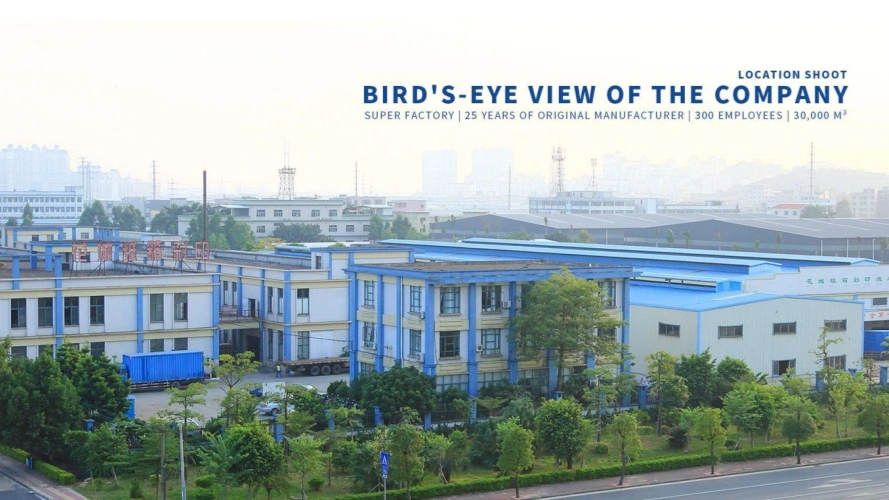
Finding the right custom retail packaging provider changes how you buy things and how your brand looks. Fetching Printing offers package solutions that go above and beyond standards by combining 25 years of experience in manufacturing with cutting-edge technology and full design services. Our buildings are ISO-certified, we offer sustainable materials, and we have a specialized engineering team that will make sure your packaging needs are met from the first idea to the final delivery.
Connect with our packaging experts at support@fetchingprinting.com to find out how our custom retail packaging maker services can help you show your products better while cutting costs. We offer thorough talks, rapid prototyping services, and clear price models that help you make smart choices. You can find out more about why top brands trust Fetching Printing for their most difficult packing needs by going to insights.fetchingpack.com.
References
Smith, J. et al. "Strategic Procurement in Custom Packaging: A Comprehensive Analysis of Supplier Selection Criteria." Journal of Supply Chain Management, 2023.
Anderson, M. "Sustainable Packaging Solutions: Environmental Impact and Business Performance." International Packaging Review, 2024.
Chen, L. "Quality Management Systems in Custom Packaging Manufacturing: ISO Standards and Best Practices." Manufacturing Excellence Quarterly, 2023.
Thompson, R. "Cost Optimization Strategies in B2B Packaging Procurement." Procurement Professional Magazine, 2024.
Williams, K. "Digital Transformation in Custom Packaging: Technology Trends and Implementation Strategies." Packaging Technology Today, 2023.
Garcia, A. "Supply Chain Resilience in Packaging Manufacturing: Risk Management and Continuity Planning." Industrial Management Review, 2024.