Retail-Ready Packaging Solutions for Global FMCG Brands
Retail-ready packaging is a strategic edge in today's competitive FMCG market because it makes the transition from efficient supply chain operations to strong store presence. This unique secondary packaging solution makes it easy for goods to go from distribution centers to store shelves with little to no human help. This cuts down on labor costs by up to 40% while increasing brand exposure and customer access across global markets.

Understanding Retail-Ready Packaging: Definitions and Benefits
What Makes Packaging Truly Retail-Ready
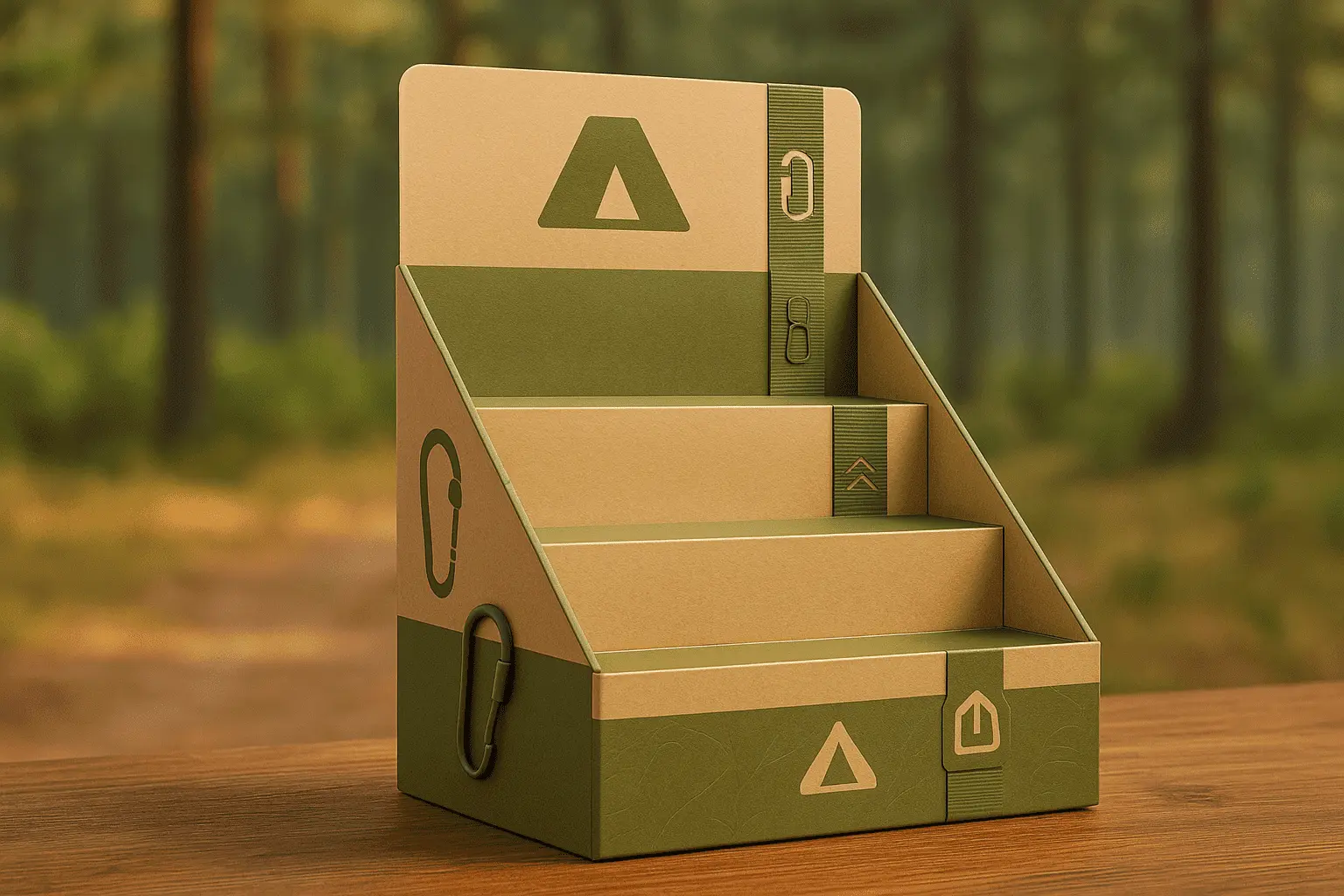
Retail-ready packaging, also known as shelf-ready packaging (SRP), is a more advanced way to handle secondary packaging that is based on the "5 Easys" principle: Easy to Find, Easy to Open, Easy to Replenish, Easy to Shop, and Easy to Throw Away. Unlike traditional master cartons, which need to be handled by hand a lot, this packaging strategy combines the ability to move with the ability to show.
For retail-ready solutions to work, the engineering behind them needs to take precise structure design into account. High-performance perforations, multi-depth die-cutting, and strengthened tray-and-hood shapes make sure that the opening mechanisms are clean and that the transit strength is kept. These design features strike the important balance between the Box Compression Test (BCT) needs for distribution and the ease of use for store staff.
Operational Advantages Across the Supply Chain
Modern stores are under more and more pressure to keep products available while also making their workers more efficient. Retail-ready packaging directly handles these problems by making operations better in ways that can be measured.
It turns out that the biggest benefit is lower labor costs. Studies show that standard shelf filling can take up to 40% of a store's operating costs. RRP solutions make restocking easier and reduce shelf-out situations that hurt sales by getting rid of the need to handle each unit individually and setting up displays before they are used.
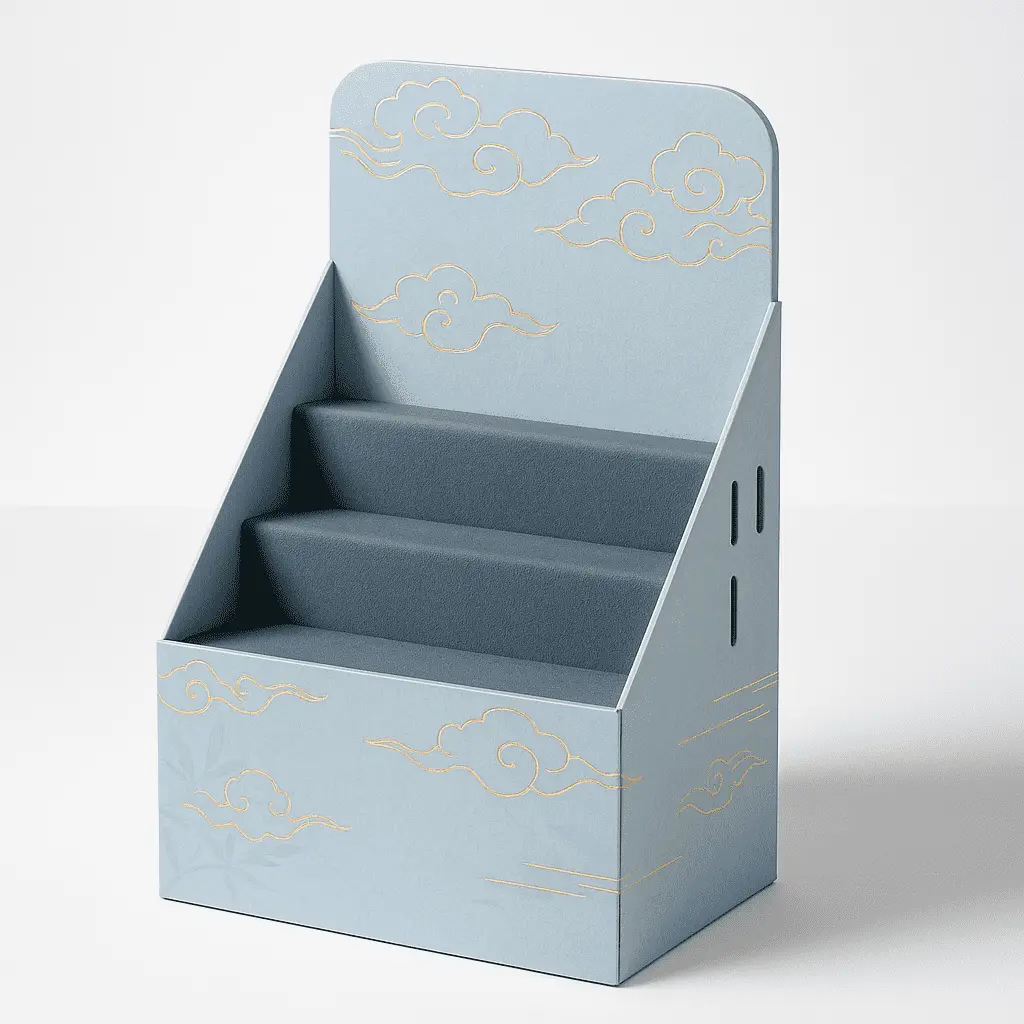
Through combined images and structural innovation, brand owners have more control over how their products look. Using high-quality flexographic and lithographic printing on the display sides keeps brand messages constant and gets rid of the need for different point-of-sale materials.
Sustainability Integration and Material Innovation
In line with company environmental pledges, modern retail-ready packaging uses advanced, sustainable materials. In the year 2024, common practices in the business include biodegradable barrier coats, water-based adhesive systems, and recyclable cardboard board with a lot of recovered material.
When transport and show tasks are combined, less material is used than when shipping containers and display pieces are kept separate. This efficiency continues to the end of life, where single-material construction makes recycling easier and supports the circular economy concepts that big stores are requiring more and more.
How to Choose the Right Retail-Ready Packaging Solution for Your Brand?
Strategic Assessment of Packaging Requirements
Professionals in procurement have to look at package needs through a number of different lenses, including the features of the product, how the brand is positioned, and what the store wants. For strong two-piece designs that separate transport safety from show utility, heavy items like beverage cans are needed. Lighter consumer goods, on the other hand, can use integrated perforated solutions.
Brand placement affects how things look and how complex the structures are. Value-oriented goods focus on being cost-effective and having simple functions, while premium FMCG brands often ask for better pictures and new ways to open packages that make people think the quality is higher.
Key Procurement Metrics and Evaluation Criteria
Choosing the right provider depends on carefully looking at all the practical factors that have a direct effect on how well the supply chain works.
Cost analysis looks at more than just unit prices. It also looks at the total cost of ownership, which includes things like reduced waste, saved work, and better use of goods. Minimum order amounts need to be in line with predicted demand and storage space, especially for brands that handle multiple SKUs across different retail platforms.
Customization options decide how unique a package can be and how it can be used to show a brand. Lead times affect when products come out and when yearly campaigns run, so how quick a supplier is an important factor in choosing one.
Printing Technology Considerations and Branding Impact
Digital printing technologies are better for short runs and applications that use changeable data. They make it easier to test the market and make changes based on location without having to pay a lot of money for setup. For large production runs, traditional offset printing is the best way to get consistent colors and save money.
Color management systems, especially G7-certified ones for retail-ready packaging, make sure that the brand stays the same across production runs and markets. This level of uniformity is very important for global FMCG brands to keep their brand image the same in all kinds of store settings.
Implementing Retail-Ready Packaging Solutions: Best Practices and Case Studies
Design Development and Prototyping Strategies
For retail-ready packaging to be implemented successfully, it needs a planned method that includes validating the design, trying prototypes, and running a pilot program. Brand teams, packaging experts, and store partners work together across functions to make sure that business needs and brand goals are met.
The goal of structural engineering is to find the best balance between strength and weight while keeping the clean opening function. With offset cuts and zipper openings, you can avoid the "ragged edge" look that can hurt how people think of your brand. Validation testing includes compression tests that are approved by ISTA and models of how things would be handled in real life.
Supply Chain Integration and Retailer Compliance
Retail-ready packaging standards are governed by specific vendor rules maintained by major stores. Walmart's RRP standards, Target's packaging rules, and other store procedures set limits on sizes, strength requirements, and opening device requirements that suppliers must meet.
Compliance includes things like labeling rules, environmental certificates, and being able to move things easily. The measurements of the packaging must make the best use of the pallets while still fitting standard store shelf layouts. These things have a direct effect on how well the product is distributed and how well it is received by retailers.
Proven Design Tactics for Enhanced Shelf Impact
At the point of sale, color psychology and visual order have a big effect on what people buy. Using brand colors, product images, and fonts in a smart way can make items stand out on shelves and make people more likely to buy them.
Integrated marketing methods work, as shown by case studies of successful implementation. Through the use of retail-ready packaging that blends eye-catching graphics with easy product access, leading beverage brands have seen their sales grow by 15 to 20%. These examples show how useful design and good marketing can work together.
Future Trends and Innovations Shaping Retail-Ready Packaging in 2026 and Beyond
Sustainability Leadership and Circular Economy Principles
Packaging innovations are being driven more and more by environmental concerns. Brands are following circular economy concepts that reduce trash and increase material recovery. Advanced protective coatings made from green sources can be used instead of coatings made from fuel while still protecting the product.
Global market regulations are always changing. For example, Extended Producer Responsibility (EPR) programs and plastic reduction laws affect the choices we make about materials and how we create things for retail-ready packaging. Retail-ready packaging options need to be able to adapt to these new rules while still being cost-effective and well-performing.
Technology Integration and Smart Packaging Applications
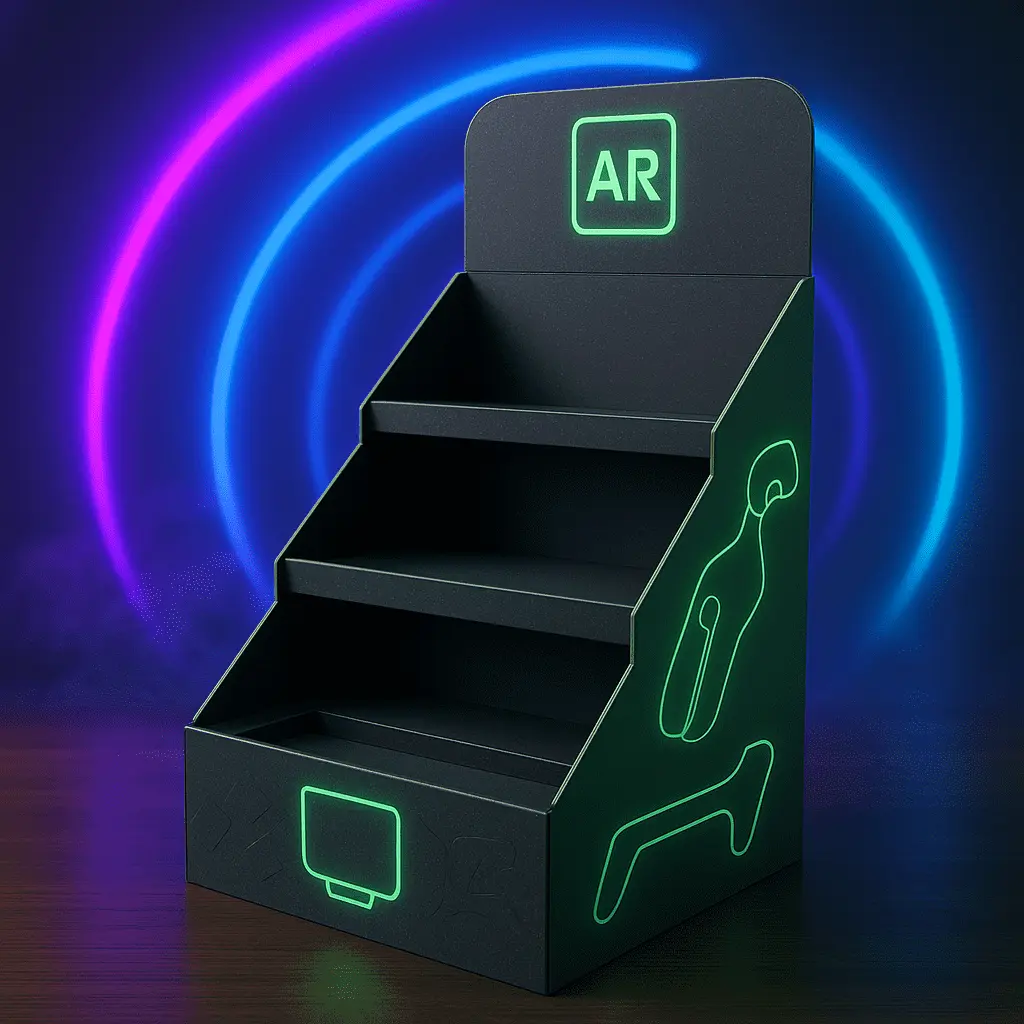
With QR codes, NFC technology, and augmented reality features, digital integration turns standard packaging into engaging connections for customers. These technologies make it possible for aware customers to interact directly with brands, verify products, and see how the supply chain works.
Adding RFID helps with inventory control and preventing loss, which are two things that stores value more and more. Smart packaging lets you see how products move and how customers interact with them in real time, giving you data insights that will help you improve packing in the future.
Market Dynamics and Strategic Recommendations
As e-commerce continues to grow, it changes the needs for packaging. Omnichannel retail plans need packaging options that work well across multiple fulfillment platforms. Retail-ready packing needs to be able to work in both standard stores and shipping directly to customers.
Consumers who care about the environment are becoming more common, which increases the need for clear environmental messages and claims that can be checked. Brands have to find a balance between environmental duty and useful performance while keeping costs low in markets that are becoming more price conscious.
Why Partnering with Leading Retail-Ready Packaging Suppliers Matters?
Essential Supplier Capabilities and Partnership Benefits
With established packaging providers, you can get technical know-how, legal information, and the ability to make more of what you need for a successful retail-ready packaging application. Design engineering, legal compliance, quality assurance, and transportation management are just a few of the many skills that support global FMCG operations.
Manufacturing freedom lets prototypes be made quickly and production levels can be raised or lowered to meet changing market needs. Suppliers that offer a wide range of materials and printing methods give brands a wide range of solutions that can be used to meet the changing needs of the market.
Quality Assurance and International Standards Compliance
Leading providers keep ISO certifications, FSC awards, and quality standards relevant to their business to make sure that their products always meet legal requirements. These certifications are especially important for brands that sell in a lot of different foreign areas with different rules.
Some of the tests that can be done are compression testing, print quality validation, and sustainability reviews that make sure the packaging works well before it goes on sale. This thorough evaluation lowers the risks of adoption and makes sure that retailers will accept the product.
Customization Versus Standardization Considerations
While customized packaging options allow for unique brand expression and better product presentation, they come with higher costs and longer wait times. Standardized solutions save money and can be put into place quickly, but they may make it harder to stand out.
The best way to do things is usually a mix of different approaches that use standard building blocks along with personalized pictures and finishing choices. This method strikes a mix between cutting costs and making each brand stand out, all while keeping output flexible.
Conclusion
In the global FMCG sector, retail-ready packaging is a big step toward more efficient supply chains and better customer experiences. RRP solutions are important parts of successful retail strategies because they combine practical benefits, the need to be environmentally friendly, and technical advances. Comprehensive retail-ready packaging strategies give brands a competitive edge by lowering costs, making products stand out more on shelves, and making them easier for customers to reach. The future of fast-moving consumer goods packaging comes in solutions that combine environmental duty with cutting edge technology.
FAQ
How does retail-ready packaging improve supply chain efficiency?
Retail-ready packaging speeds up the supply chain by getting rid of the need for multiple handling steps between delivery centers and store shelves. This efficiency cuts down on labor costs by up to 40%, speeds up product restocking cycles, and lowers the number of times that shelves run out, all of which have a direct effect on sales performance.
What are typical minimum order quantities for custom retail-ready packaging?
Minimum order amounts change a lot depending on how complicated the structure is, how much customization is needed, and the printing requirements. Standard corrugated options usually run from 5,000 to 15,000 units, but for complicated multicolor printed packages, 25,000 units or more may be needed to get the best price.
How does retail-ready packaging support sustainability initiatives?
Retail-ready packaging is better for the environment because it reduces trash, combines materials, and is made in a way that makes it easy to recycle. RRP gets rid of unnecessary materials by mixing transport and show functions. They use high-recycled-content bases and biodegradable coatings that support the circular economy and their environmental promises.
Partner with Fetching Printing for Advanced Retail-Ready Packaging Solutions
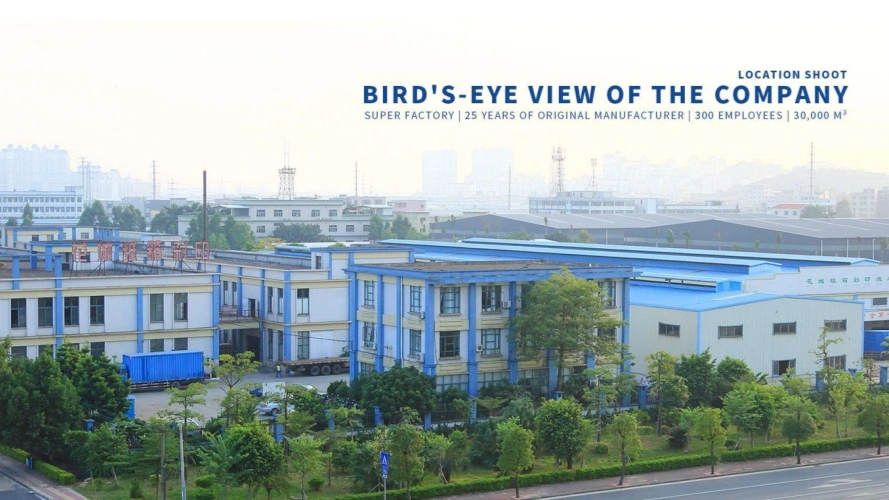
Fetching Printing's extensive retail-ready packaging knowledge will help you elevate your brand's retail exposure. Our specialized team of packaging experts uses more than 25 years of experience in the field to create unique solutions that improve the store effect and make the supply chain more efficient. We help you with every step of the process, from coming up with the idea to mass production, to make sure your packaging meets the strict requirements of retailers and meets environmental standards.
Our ISO-certified factory has 50,000㎡ of high-tech production equipment, such as G7 color management systems and FSC-certified materials that help global FMCG businesses. Our skills as a retail-ready packaging provider can be tailored to your needs, whether you need high-volume cardboard solutions or high-end printed packaging with complicated structural features. Email our experts at support@fetchingprinting.com to find out how our custom packing solutions can change the way you do business and help you see real results in markets around the world.
References
Johnson, Michael R. "Retail-Ready Packaging: Optimizing FMCG Supply Chain Efficiency Through Integrated Design Solutions." International Journal of Packaging Technology and Engineering, 2024.
Anderson, Sarah K., and David Chen. "Sustainable Packaging Innovation in Global Fast-Moving Consumer Goods: Trends and Implementation Strategies." Journal of Sustainable Supply Chain Management, 2024.
Williams, Robert J. "The Economics of Shelf-Ready Packaging: Cost-Benefit Analysis for Modern Retailers." Retail Operations Quarterly, 2023.
Martinez, Elena S. "Consumer Behavior and Packaging Design: Impact of Retail-Ready Solutions on Purchase Decisions." Consumer Psychology and Marketing Review, 2024.
Thompson, James P., et al. "Regulatory Compliance and Quality Standards in International FMCG Packaging: A Comprehensive Guide." Global Packaging Standards Institute, 2024.
Liu, Amanda Y. "Digital Integration and Smart Packaging Technologies: Future Directions for Retail-Ready Solutions." Technology in Packaging Innovation, 2024.