Corrugated Floor Displays vs Pallet Displays: A Comparison
To make smart buying decisions when looking at store display choices for business-to-business sales, it's important to know the differences between standard pallet displays and corrugated floor displays. Displays in modern stores need to be a good mix of being cost-effective, looking good, and being able to do their job. Corrugated cardboard displays are lightweight, can be customized, and are great for branding. Pallet displays, on the other hand, have strong structures that are good for heavy-duty uses. In today's competitive retail world, the choice between these two types of displays has a big effect on your marketing budget, how your brand is presented, and the overall success of your campaign.
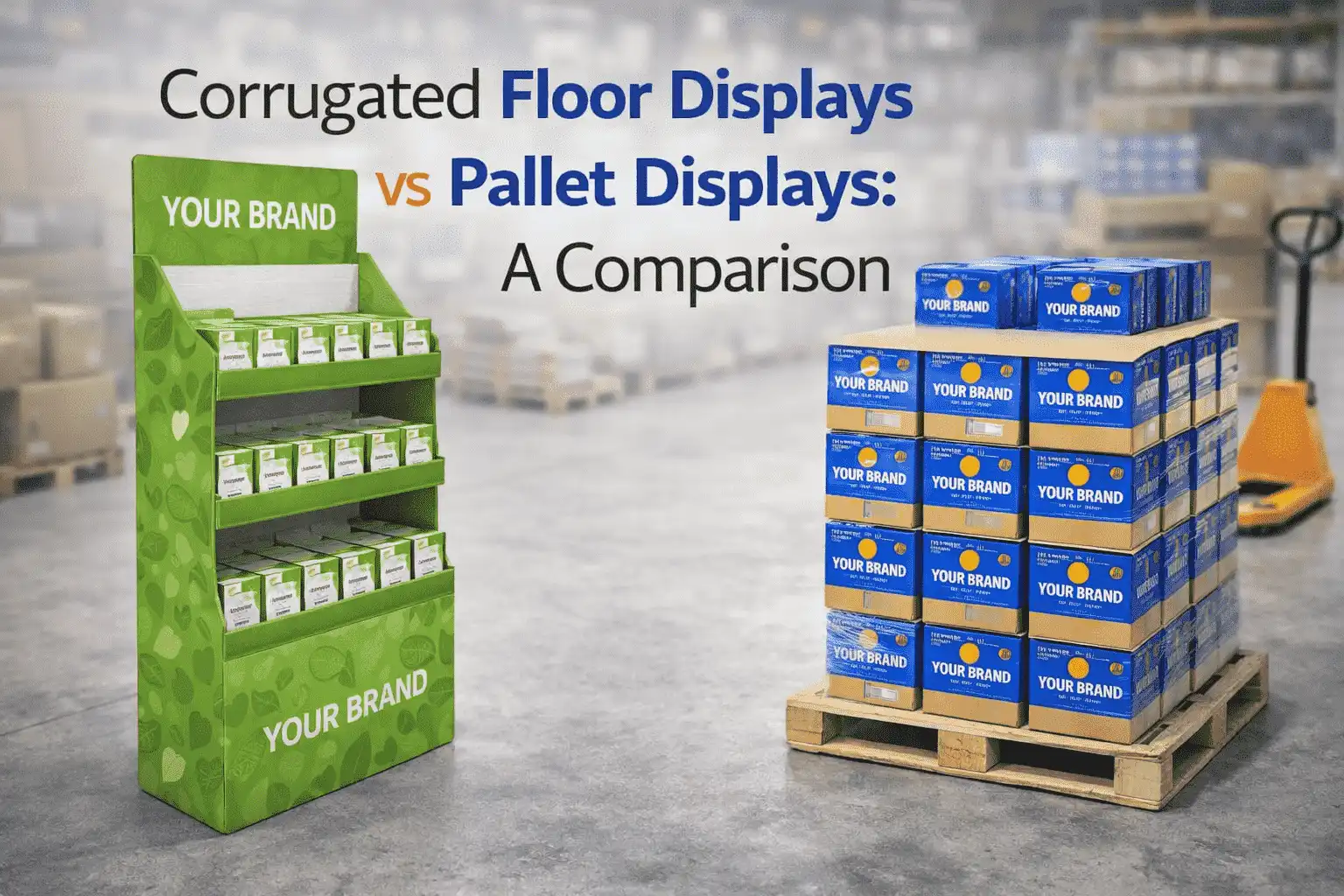
Understanding Corrugated Floor Displays and Pallet Displays
Material Composition and Construction Methods
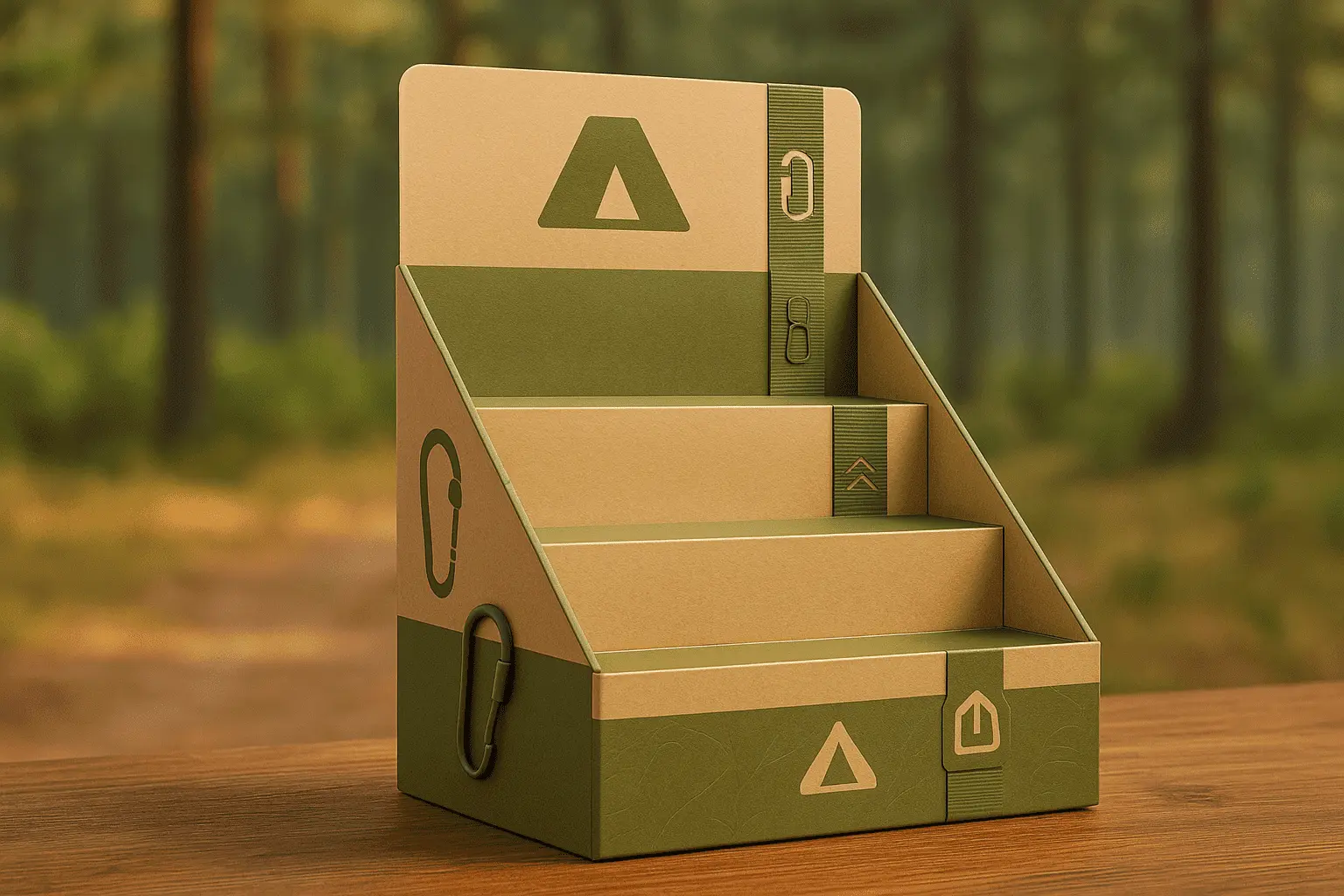
Advanced cardboard engineering methods are used to make surprisingly strong structures out of reusable materials that are used to make corrugated floor display units. There are several layers of corrugated board with different-sized flutes in these displays. This lets makers change the strength properties based on the needs of each product. The honeycomb structure in corrugated materials gives them great strength-to-weight ratios. This means that these displays can hold a lot of product while still being easy to move around.
A completely different method is pallet displays, which are made from frames made of plastic, wood, or metal. These strong bases work great in heavy-duty situations where sturdiness is more important than being able to make changes. Wood pallets look natural and are good for organic or handcrafted goods. Plastic pallets, on the other hand, don't get damaged by water and are great for use outside or in the fridge.
Design Adaptability and Branding Potential
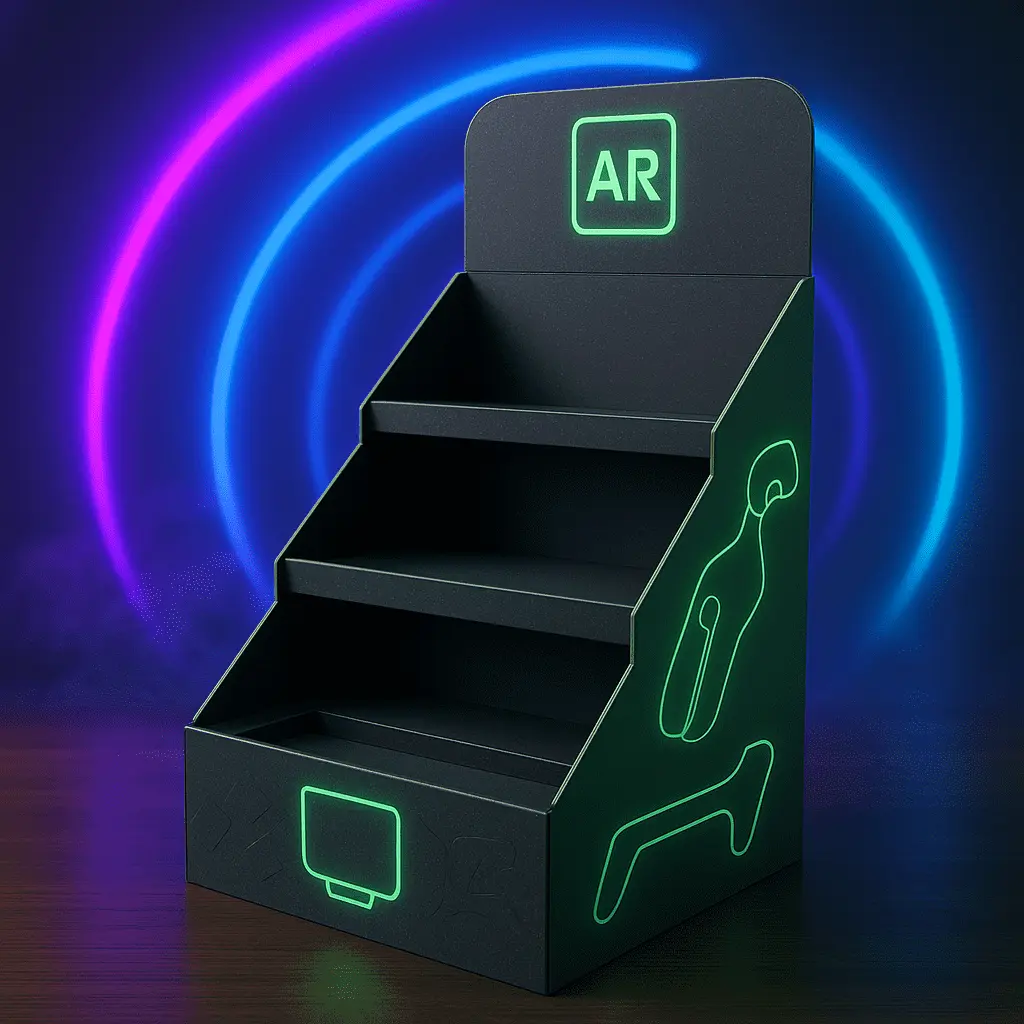
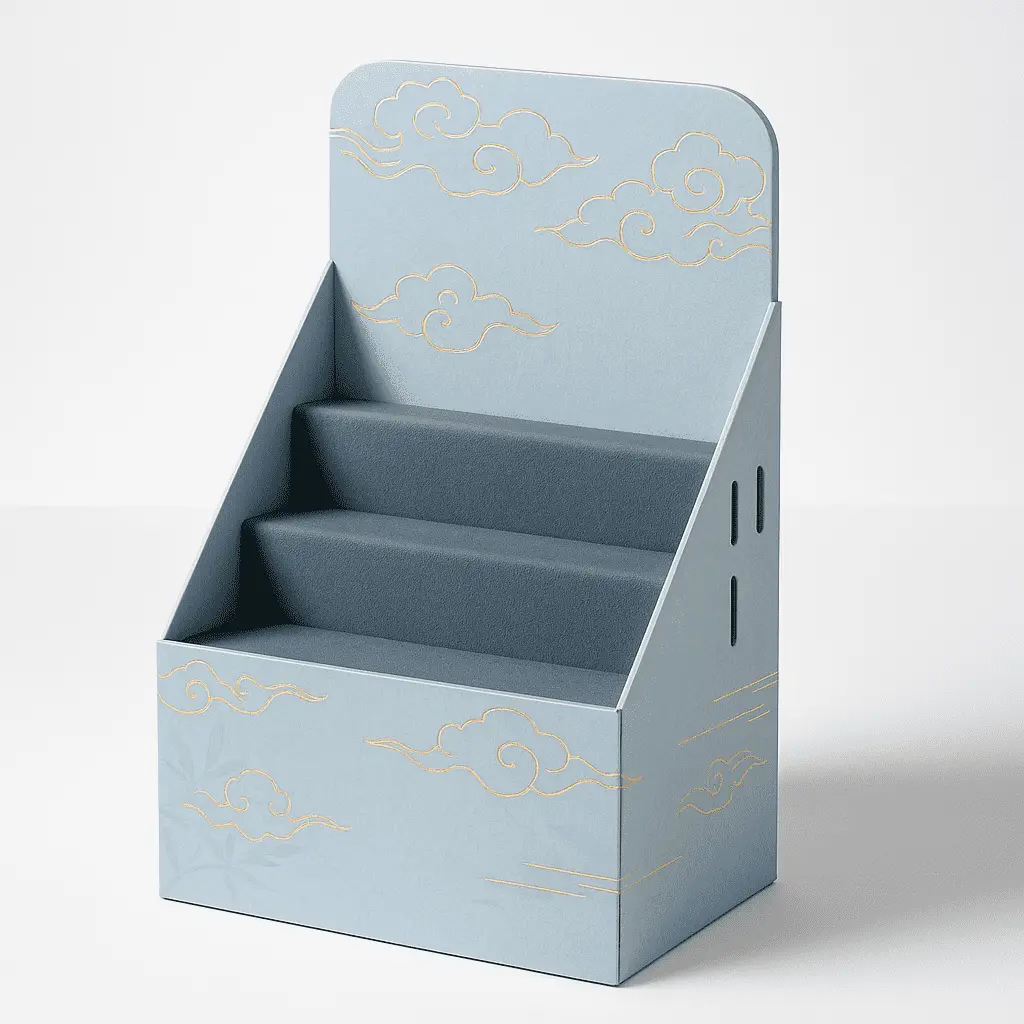
Because corrugated displays are structurally flexible, they can be put together in unique ways that standard pallet systems can't. Modern die-cutting methods allow for complicated forms, built-in product holders, and multi-tier layouts that make the best use of vertical space. Full-color lithography, spot UV treatment, and embossing effects can be used for printing, which can turn plain cardboard into high-end brand shows.
On the other hand, pallet displays use different signs or product boxes to get their brand message across. This modular method makes it easier to reuse things, but it also makes it harder to integrate branding, and different stores may end up with different visual presents.
Key Comparison Metrics for Corrugated Floor Displays and Pallet Displays
Structural Performance and Load Capacity
Test results show that properly built corrugated displays can hold a lot of weight. For example, high-strength designs can hold up to 200 pounds when they are made with the right reinforcement structures. Measurements of the edge crush strength and box compression tests make sure that these displays stay stable during long store campaigns.
Procurement managers can make better choices based on facts when they understand these success characteristics for corrugated floor display instead of making assumptions. Newer corrugated engineering uses things like double-wall construction, reinforcing tabs, and smart perforation designs that make the structure stronger while keeping the building process as efficient as possible.
Cost Analysis Across Production and Logistics
The costs of production strongly favor corrugated options for most store uses. The costs of making things are still much lower because production methods are computerized and raw materials are easy to get. Shipping more efficiently saves even more money by lowering the weight and improving the density of the packing, which lets more units fit into a freight container.
The economic benefits go beyond the cost of the original buy. When compared to pre-assembled pallet units, flat-packed corrugated displays take up less storage room because they are easier to store. When it comes to well-designed cardboard systems with easy-to-understand building methods, labor costs for setup and assembly are usually very low.
Customization Capabilities and Lead Time Considerations
Modern corrugated manufacturing lets you make quick prototypes and small runs of products that can be used for holiday marketing and new products. Digital printing technologies allow for variable data printing, which lets you print messages that are specific to a place or patterns that are only made in small numbers during a single production run.
Custom cardboard displays usually have lead times of two to four weeks, but this depends on how complicated they are and how many you need. This quick turn-around lets marketing plans adapt to new trends or take advantage of competitive advantages.
Advantages and Challenges of Corrugated Floor Displays vs Pallet Displays
Environmental Impact and Sustainability Considerations
As businesses try to be more environmentally responsible, sustainability measures are becoming more and more important in their purchasing decisions. Corrugated displays have clear benefits in this area because they use recyclable materials and have a disposal system that is already in place. In many developed markets, more than 90% of cardboard packaging that has been used is recycled again, which is a real benefit of the circular economy.
The carbon footprint study shows that there are more environmental benefits, such as less energy used for hauling and no need for the logistics of returning reusable pallet systems. The methods used to make corrugated displays also produce fewer environmental gases than making plastic or metal displays.
Durability Performance in Various Retail Environments
Performance tests done in the real world show that current corrugated floor display units work well in stores when they are built correctly for their purpose. Treatments that prevent moisture and reinforced base structures solve common problems with longevity while keeping cost benefits.
However, curved materials may not be able to handle high-stress situations. Metal or strengthened plastic pallet displays are often the best choice for heavy electronics, car parts, or industrial equipment because they can hold more weight. Knowing these limits on use makes sure that the right material is chosen for each type of product.
Brand Visibility and Consumer Engagement Factors
Studies on the efficiency of marketing show that custom-designed corrugated displays get people more involved than basic pallet presentations. When you can add product information, advertising messages, and interactive elements directly to display structures, you can make brand experiences that are unified and encourage people to buy.
Another big benefit of cardboard systems is that they are flexible for visual marketing. Retailers can easily change the layout of displays, add seasonal items, or add lighting features without having to make structural changes to bin systems.
How to Choose Between Corrugated Floor Displays and Pallet Displays – A Decision Support Approach?
Product Category Analysis and Application Requirements
To choose the right display, you should first do a full study of the product, looking at its weight, how it needs to be handled, and your show goals. Consumer packaged goods, makeup, and gadgets often benefit from the flexibility that corrugated solutions offer. On the other hand, industrial goods or heavy tools may need strong pallet platforms.
The length of the campaign has a big effect on the choices about what materials to use. Short-term advertising efforts that last a few weeks or months work great with corrugated displays. On the other hand, fixed installations that need to last for years may be worth the higher starting cost of reuse pallet systems.
Budget Optimization and Total Cost Analysis
Total ownership costs are more important than just the initial buy price when it comes to effective sourcing strategies. This thorough study looks at everything: the costs of making the product, the time it takes to put it together, the space it needs, and how to get rid of it when it's no longer useful.
When you buy in bulk, the cost per unit of both types of displays can go down by a lot. However, corrugated displays usually have better scale economics because they ship flat-pack more efficiently and have standard production methods that can handle different number needs without major cost increases.
Market-Specific Considerations for American Retail Environments
American shopping settings have their own problems, like different weather conditions, store layouts, and rules that must be followed for corrugated floor display. Adapted corrugated displays for American markets have features like better resistance to moisture for humid climates and meeting the requirements of store chains for sizes and building methods.
Regional tastes also affect how well a show works. Consumer research shows that American buyers like displays that make value ideas and product benefits clear through integrated messages. These can be easily incorporated into corrugated floor display designs.
Working with Trusted Suppliers: What to Expect in Corrugated Floor Display Procurement?
Supplier Evaluation Criteria and Quality Assurance
To find the right manufacturing partners, you need to look at their professional skills, quality processes, and how reliable their service is. Leading cardboard display makers keep certifications like ISO 9001 quality management systems and FSC sustainable forestry standards that make sure their products are always of high quality and are good for the environment.
Evaluations of manufacturing facilities should look at the testing labs, design support resources, and the skills of the tools. Digital printing, precise die-cutting, and automatic quality control systems in modern facilities make sure that results are the same across big production runs.
Order Management and Fulfillment Processes
Professional cardboard display providers offer full project management services that make the buying process easier from the first idea to the final delivery. These services usually include design advice, making prototypes, planning production, and coordinating transportation, all of which make complicated rollouts in multiple locations easier.
Communication rules set up at the start of a project make sure that everyone involved gets regular reports on how things are going and can deal with any problems before they affect delivery dates. Suppliers with a lot of experience have backup plans in case there are shortages of materials or problems with production that could delay important campaign starts.
Quality Control Standards and Performance Validation
Standard testing methods in the industry make sure that finished screens meet certain performance standards before they are sent out. Some of these tests are measuring the edge crush strength, checking the print quality, and making sure the displays are put together correctly to make sure they will work well in stores.
Test certificates, assembly directions, and performance standards are some of the paperwork that comes with quality packages. It helps meet the needs of store partners and internal quality checks. This paperwork is very helpful when working with several store groups that have their own strict requirements for qualified vendors.
Conclusion
When you compare corrugated floor display solutions to traditional pallet displays, you can see that each has its own benefits that depend on the needs of the application. Corrugated signs are great for most store marketing efforts because they are easy to customize, don't cost much, and are good for the environment. Their light weight, excellent marking options, and ability to be made quickly all meet the needs of modern retailers looking for flexible, low-cost display options. Although pallet displays are better for heavy-duty tasks that need the strongest structure, corrugated alternatives are more flexible and cost-effective, making them the better choice for most purchases in e-commerce, consumer goods, cosmetics, food and beverage, and luxury retail.
FAQ
What weight capacity can corrugated displays handle compared to pallet displays?
Modern engineering corrugated displays can hold up to 200 pounds if they are built correctly with the right base configurations and reinforced structures. Even though pallet displays can hold more weight, most store items are well within the weight limits of corrugated displays. For most uses, cost and flexibility are more important than weight.
How do sustainability benefits compare between corrugated and pallet display options?
Corrugated displays are better for the earth because they are made from green materials, can be recycled 90% of the time or more, and use less energy for shipping. Pallet displays, especially plastic ones, need more energy to be made and often don't have set recycling systems. For companies that want to be more environmentally friendly, corrugated options are the best option.
What customization timeline should buyers expect for corrugated display orders?
Standard customization projects usually take between two and four weeks from the time the design is approved until the production is finished. Timelines may be pushed back to six weeks for designs that are hard to print, have unique structure features, or come in large numbers. Most of the time, rush orders can be met by speeding up the production schedule, but there may be extra costs for faster delivery.
Contact Fetching Printing for Premium Corrugated Floor Display Solutions
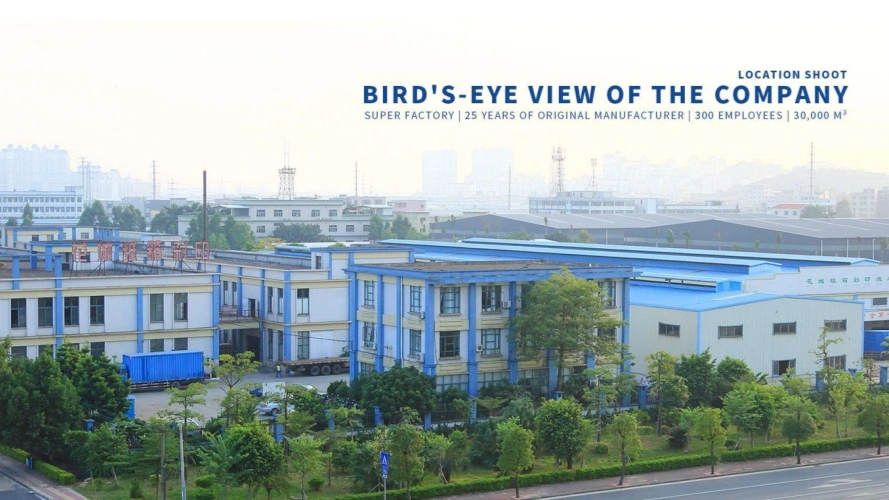
Sourcing managers and procurement professionals seeking reliable corrugated floor display manufacturing partnerships will find comprehensive solutions through Fetching Printing's specialized production skills. We have been making things for 25 years, and we use cutting-edge printing technologies and environmentally friendly production methods to make cost-effective display solutions that work better than expected and help you meet your sustainability goals. Our 50,000㎡ building is home to over 300 experienced professionals who work on everything from coming up with ideas to delivering the finished product. We make sure that your store campaigns have the most impact possible by designing and engineering the best display solutions. Contact our team at support@fetchingprinting.com to talk about your specific needs and find out how our experience as a corrugated floor display maker can help you show your brand better while lowering the cost of buying it.
References
Packaging World Magazine. "Sustainable Display Solutions: Environmental Impact Analysis of Retail Point-of-Purchase Materials." Annual Sustainability Report, 2023.
National Retail Federation. "Visual Merchandising Effectiveness Study: Consumer Response to Different Display Materials and Configurations." Retail Research Foundation, 2023.
International Corrugated Case Association. "Structural Performance Standards for Corrugated Point-of-Purchase Displays." Technical Guidelines Publication, 2022.
Sustainable Packaging Coalition. "Life Cycle Assessment of Retail Display Materials: Comparative Environmental Impact Analysis." Environmental Research Institute, 2023.
Retail Industry Leaders Association. "Cost Analysis of Retail Display Solutions: Total Ownership Economics for Procurement Professionals." Supply Chain Management Study, 2022.
Point of Purchase Advertising International. "Consumer Engagement Metrics for Retail Display Technologies: Effectiveness Measurement and ROI Analysis." Marketing Research Division, 2023.