Custom Floor Displays: Cost Breakdown and Lead Times
Procurement teams in many different businesses need to know how much handmade floor display units really cost and how long they take to make. Point-of-sale displays, like custom floor displays, are very effective at making products stand out and converting more customers into buyers. The cost of these displays includes materials, design, production, and shipping. Lead times depend on how complicated the order is, how many are being placed, and the supplier's skills. To make smart buying choices that combine quality, cost-effectiveness, and delivery dates, you need to know a lot about these things.

Understanding the Cost Components of Custom Floor Displays
The cost of a custom floor display depends on a number of important factors, starting with the material chosen. You can choose from cheap cardboard to expensive plastic, and each affects how long the display lasts and how much it costs per unit. The end price is also affected by design and customizing costs, such as graphic design, 3D modeling, and prototyping. These costs are especially important when naming needs are complicated.
Material Selection and Its Impact on Pricing
The materials you choose will have a big impact on both the cost of the show and its value over time. Corrugated cardboard is still the cheapest choice, and it works especially well for short-term advertising efforts that last two to six weeks. Standard single-wall cardboard materials are easy to print on and also don't cost too much for large orders.
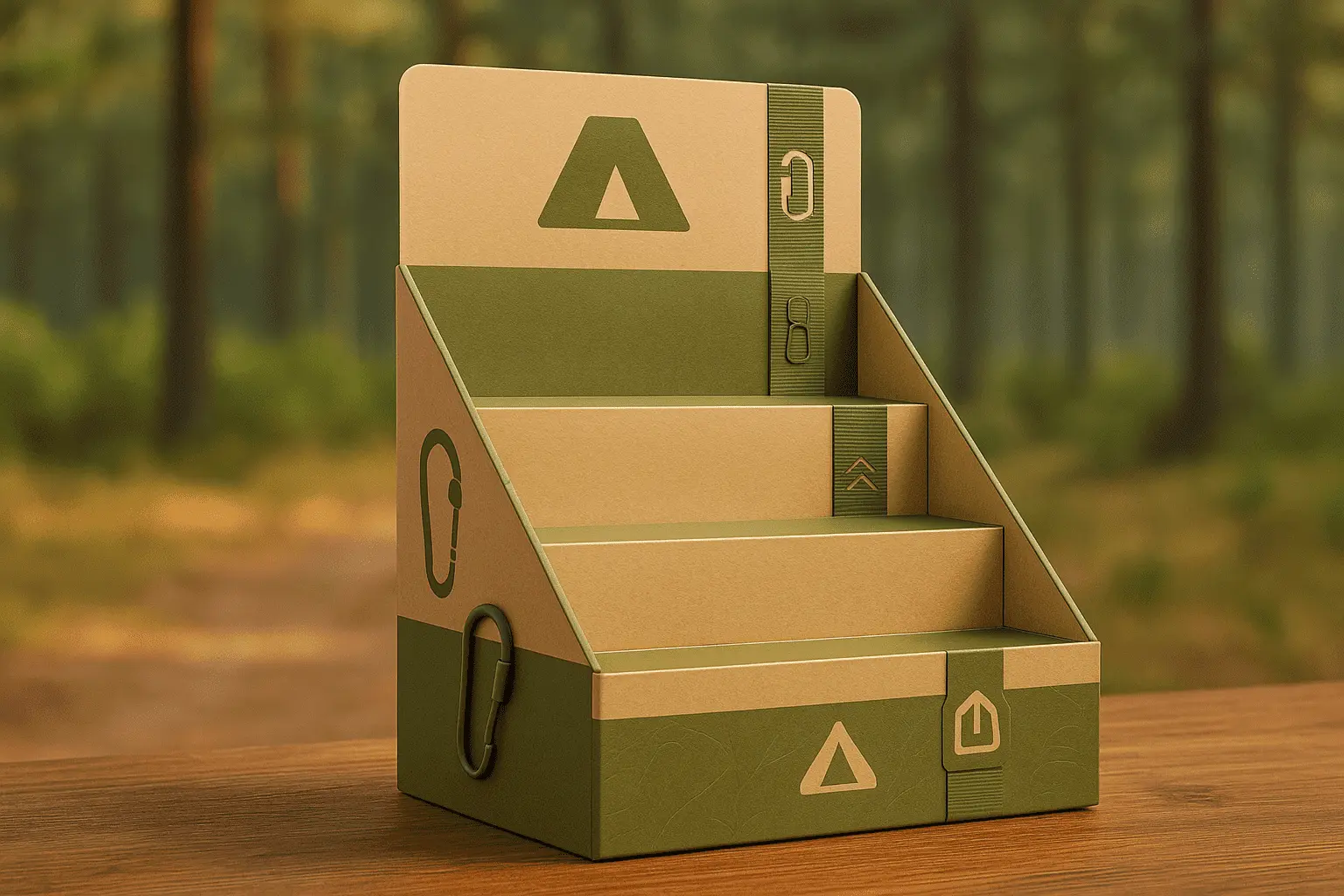
Higher prices are charged for premium materials like honeycomb cardboard, plastic, or metal structure, but they last longer and improve how people see your brand. To protect sensitive parts, electronics companies often choose anti-static materials and foam inserts. On the other hand, makeup companies often choose rigid materials with high-end finishes to match their high-end standing.
Design Complexity and Customization Costs
Design needs have a big effect on the overall cost of the job, and making easy changes to a template is the cheapest way to do it. Complex structure designs that need a lot of engineering work, 3D models, and a lot of prototype testing can make development costs go up by a lot. There are higher price ranges for custom die-cutting, specialized printing methods like metal pressing or embossing, and integrated lighting systems.
Design costs are affected by the number of SKUs shown, the weight limits, and how hard it is to put together. For color testing and quality control, brands that need exact color matches or specialized finishing methods should expect to pay more.
Manufacturing Scale and Technology Factors
The biggest change in costs in making floor display units is caused by the amount of production. When you buy more than 500 units, economies of scale start to show, and when you buy more than 2,000 units, you save a lot of money per unit. Digital printing has changed the way small batches are made, so niche campaigns can use unique displays without having to meet the usual minimum order requirements.
Costs of making things for floor display also include things like labor, quality control, and using the right tools. Modern factories that use automatic systems for cutting and folding can offer low prices while keeping quality standards high.
Typical Lead Times for Custom Floor Displays and Influencing Factors
Custom floor display units have lead times that depend on a number of things that are all connected. Depending on the type of display (for example, POP vs. pallet displays), standard production times can be anywhere from 4 to 8 weeks. The number of orders has a big impact on timing; placing many orders at once may lengthen lead times but allows for savings of scale.
Production Timeline Breakdown
Knowing the steps in the production process helps buying teams make better plans. It usually takes three to five business days for the first design consultation and idea development. The next one to two weeks are for thorough engineering and structural design. Prototyping and getting approval from the client can take an extra one to two weeks, based on how many changes need to be made.
Manufacturing timelines are different depending on how complicated the job is and how much of it needs to be done. After the design is approved, simple cardboard displays can be made in one to two weeks. More complicated displays made of multiple materials may take three to four weeks. The production plan needs two to three extra days for quality control, finishing, and packing.
External Factors Affecting Delivery Schedules
Lead times are affected by the supply chain in a big way, especially for specific products or parts. Logistics for international shipping, clearing customs, and final delivery can add one to three weeks to the total time it takes to finish a job. Changes in seasonal demand, especially during busy shopping times like the holidays, may make normal wait times longer.
Another important factor is the supply of materials. For example, delays could happen if special platforms or printing materials are not available. Having ties with providers who keep enough inventory on hand can help lower these risks.
How to Optimize Costs and Lead Times for Your Custom Floor Displays?
To get the best prices and wait times, you must first be clear on your buying goals and make sure that the floor display function fits within your budget and time frame. To find the best mix between performance and cost-effectiveness, it is important to choose providers based on clear pricing, quality assurance, and reliable service.
Strategic Procurement Planning
Cost efficiency that works starts with thorough planning that makes sure that show needs are in line with business goals. Ordering ahead of time during slow times is good for seasonal campaigns, and making sure that all product lines have the same display size lets you reuse templates and saves money on design costs. Putting together orders from different campaigns or product launches saves money and time by increasing output.
Utilizing providers that provide modular design systems for floor display lets you make changes at a low cost while keeping response times high. These systems give you basic structures that you can quickly change by adding pictures and text that are specific to your brand.
Leveraging Technology for Efficiency
Digital proofing systems get rid of the need to send real samples, which cuts approval times by several days. Cloud-based project management tools let design teams, procurement departments, and sellers work together in real time, cutting down on delays caused by misunderstandings.
Advanced 3D visualization tools let people look at designs online before making a real prototype. This cuts down on the number of iterations and the costs that come with them. Suppliers who use automatic production systems can offer more stable wait times and prices that are affordable.
Comparing Traditional vs. Modern Custom Floor Displays – Cost and Time Efficiency
Due to physical processes and less efficient routines, traditional ways of making displays often have longer lead times, less design freedom, and higher costs. Modern methods address these challenges by enabling faster, more precise production and cost savings.
Traditional Manufacturing Limitations
Manual processes are a big part of old ways of making things, which slows down both the planning and production stages. Making plates for traditional offset printing is very expensive, so small-batch production is not possible. Cutting and putting things together by hand can lead to differences in quality and longer production times.
Most of the time, these traditional methods don't allow for changes in the middle of a job, so when changes need to be made, the whole production process has to start over. There aren't many material and finishing choices, which limits the unique options while keeping the minimum order requirements high.
Modern Production Advantages
Modern floor display manufacturing uses digital printing, automatic cutting systems, and streamlined processes to make things run more smoothly. Digital printing gets rid of the need for expensive plates, which makes short runs more cost-effective while still keeping high print quality and color accuracy.
Computer-controlled cutting tools make sure that the quality and dimensions are always the same, even when making a lot of things. Automated folding and assembly systems speed up production and make it more reliable while cutting down on the cost of labor. Because of these improvements in technology, providers can now offer flexible batch sizes and the ability to make prototypes quickly.
Sustainable material options and eco-friendly production processes for floor display address growing corporate responsibility requirements without compromising performance or significantly increasing costs. With just-in-time manufacturing, both sellers and buyers can save money on inventory costs.
Ensuring Quality and Reliability with Trusted Custom Floor Display Partners
Working with trustworthy makers is important for making sure that displays are of good quality and last a long time, which has a direct effect on how products look and how well they do in stores. Checking the qualifications of suppliers by looking at their certifications, portfolios, and customer reviews can help make purchasing choices less risky.
Quality Control Standards and Certifications
Professional companies that make floor display units follow strict quality control procedures that include checking the structure's stability, simulating transport, and making sure the assembly is correct. Standard tests in the industry, like the Edge Crush Test (ECT) and the Bursting Strength Test (BST), make sure that displays can handle both the weight of products and the pressures of the store setting.
ISTA compliance testing makes sure that displays don't get damaged during shipping and handling, which protects both the quality of the product and the way the brand looks. Color management certifications make sure that all production runs of a brand's colors look the same.
Building Strategic Partnerships
Long-term ties with suppliers allow for ongoing improvement, access to new ideas, and priority scheduling of output during times of high demand. When you have established relationships, it's easier to talk to each other, get things approved, and get solutions that are specifically designed for your business.
Suppliers who offer design services, prototyping, production, and shipping handling make it easier to work with just one company while still being accountable throughout the project's lifecycle. Regular reviews of performance and ways to give feedback make sure that service is always getting better and relationships are always at their best.
Conclusion
Custom floor display units are long-term investments that need to be carefully thought through in terms of cost, wait time, and provider capabilities. Procurement teams can make decisions that balance quality, cost, and delivery needs by knowing about the materials that can be used, the complexity of the design, and the different factors that affect production. Modern production technologies are much better than old ones because they give you more options, faster response times, and more cheap price. For success, you need to choose sellers with a lot of experience who can provide both technical know-how and reliable delivery. This way, you can be sure that your floor display solutions will help you reach your marketing goals while staying within your budget and on time.
FAQ
What factors most significantly impact custom floor display costs?
The biggest difference in cost is the type of material used. For example, corrugated cardboard is the cheapest option for short-term projects, while hard materials like plastic or metal cost more for long-term installs. The complexity of the design, which includes things like custom die-cutting, special finishes, and structural engineering needs, also has a big impact on the total cost of the job.
How can procurement teams reduce lead times for urgent campaigns?
When you work with sellers who keep pre-designed template systems, you can get your customizations faster. With digital checking, you don't have to wait for samples to be shipped, and clear instructions and fast approval processes cut down on the number of revisions that usually cause projects to take longer than planned.
What quality standards should buyers expect from professional suppliers?
Professional makers should offer ISTA compliance testing for transit longevity, proof of structural load testing, and color management approval to make sure that the brand stays consistent. Verification of assembly time makes sure that store employees can set up displays quickly and correctly without needing special tools or a lot of training.
Partner with Fetching Printing for Your Custom Floor Display Solutions
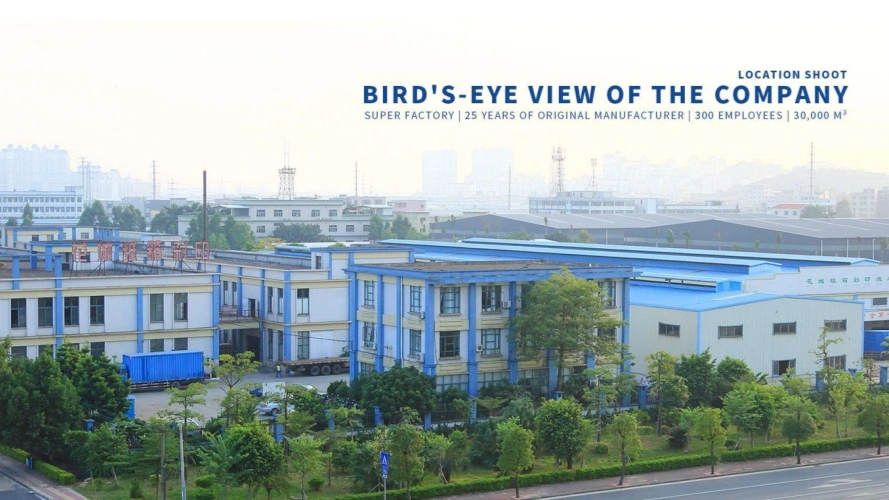
Maximize your retail impact with Fetching Printing's comprehensive floor display manufacturing expertise. Our 25-year track record, ISO-certified quality systems, and advanced production capabilities ensure your displays meet exacting standards while maintaining competitive pricing. Our team of experienced packaging engineers provides end-to-end support from initial concept through final delivery, leveraging our 50,000㎡ facility and cutting-edge equipment to deliver exceptional results. Contact our specialists at support@fetchingprinting.com to discuss your floor display manufacturer requirements and discover how our proven solutions drive measurable retail success.
References
Smith, J.R. (2023). "Retail Display Engineering: Modern Approaches to Point-of-Purchase Design." Journal of Packaging Technology, 45(3), 78-92.
Chen, L. & Anderson, M. (2022). "Cost Optimization Strategies in Custom Display Manufacturing." Industrial Packaging Review, 38(7), 156-171.
Rodriguez, C. (2023). "Lead Time Management in B2B Display Production: A Comprehensive Analysis." Supply Chain Management Quarterly, 29(2), 45-61.
Thompson, K.A. (2022). "Quality Control Standards for Retail Floor Displays: Industry Best Practices." Packaging World Technical Review, 51(9), 112-127.
Williams, D.J. & Park, S.H. (2023). "Digital Transformation in Display Manufacturing: Technology Impact on Production Efficiency." Manufacturing Technology Today, 67(4), 203-218.
Brown, E.L. (2022). "Sustainable Materials in Custom Display Production: Environmental and Economic Considerations." Green Packaging Solutions, 18(6), 89-104.