Eco-Friendly Mailer Boxes: Materials, Certifications, and Pricing
In today's competitive market, more and more businesses are looking for long-lasting packing options that meet their environmental obligations while still keeping operations running smoothly. Using sustainable materials like recycled cardboard, biodegradable polymers, and carefully found kraft paper, an eco-friendly mailer box is a big change from traditional packing. These creative packaging ideas protect shipped items well while leaving behind much smaller carbon footprints. Because more people want eco-friendly packaging, companies have had to change how they ship packages. Brands that care about the environment need to use eco-friendly mailer boxes.

Understanding Eco-Friendly Mailer Boxes: Materials and Environmental Impact
Sustainable mailer boxes are basically different from regular packing because they care about the environment without sacrificing utility. These packing options are made from carefully chosen materials that are meant to have as little of an effect on the environment as possible throughout their entire lifecycle.
Core Material Composition and Characteristics
The materials that are used to make reusable shipping boxes are very important. Most eco-friendly packaging is made from recycled cardboard, which is made from used cardboard that would otherwise end up in a dump. While lowering the need for making new fibers, this material provides excellent structure stability.
Kraft paper is another important material that comes from trees that are handled in a way that protects species and ecosystem health. Chemical whitening is not needed because the color is naturally dark, which has an even smaller effect on the environment. Biodegradable polymers are useful additions to standard materials because they keep out moisture and last longer in tough shipping circumstances.
Manufacturing Process and Environmental Benefits
Modern companies that make sustainable packaging use new ways to make their products that focus on using less energy and throwing away less waste. Renewable energy sources and water-based inks for printing are used in these methods. Compared to traditional methods of making plastic packages, this way of making it releases a lot less greenhouse gases.
The environmental benefits go beyond choosing the right materials. In the right conditions for recycling, sustainable mailer boxes break down naturally in 90 to 180 days. This is very different from plastic options, which last for hundreds of years. This biodegradability cycle supports the circular economy while ensuring low long-term damage to the earth.
Lifecycle Analysis and Carbon Footprint Reduction
Full lifetime studies show that there are big environmental benefits all along the path of a product. From getting the materials to throwing them away at the end of their useful life, eco-friendly packaging always has a smaller carbon effect than regular packing. The lighter shipping weight and better-suited sizes cut down on shipping-related pollution even more, making the environmental benefits even greater.
Certifications and Standards of Eco-Friendly Mailer Boxes
Industry certifications are important ways for companies that want real sustainable packing solutions to prove that they are real. These standards make sure that environmental laws are followed and that companies meet their sustainability goals. They also provide openness and responsibility.
Forest Stewardship Certifications
With FSC approval, you can be sure that the materials used in packaging come from trees that are cared for in a way that doesn't hurt the environment. Concerns about cutting down trees have been handled by this approval, which also backs up good forest practices all over the world. Using an eco-friendly mailer box made from FSC-certified materials is one way to follow these rules. You can also check that forests are being handled well with the help of the Sustainable Forestry Initiative (SFI) and the Program for Endorsement of Forest Certification (PEFC).
To get these certificates, you have to show a strict chain-of-custody, which lets you track the product from the forest to the end user. Companies that use FSC-certified packaging show that they care about protecting wildlife and the rights of indigenous communities. They also meet stricter standards for supply chain sustainability.
Compostability and Biodegradability Standards
The TUV Austria OK Compost approval proves that packaging materials can completely break down in industrial composting conditions. For this approval, the materials must break down within certain time frames and not leave behind any harmful substances. As part of the licensing process, there are a lot of tests that are meant to mimic real-life composting settings.
Biodegradable Products Institute (BPI) approval adds to the credibility of a product for North American markets and makes sure it meets ASTM standards for reusable packaging. These certificates meet the needs of more and more consumers and government agencies for packing that helps with efforts to reduce waste.
Verification and Audit Procedures
To make sure that licenses are real, businesses need to set up strong ways to check them. Suppliers you can trust will give you detailed paperwork with certificate numbers, expiry dates, and information about what the certificate does and does not cover. When looking for an eco-friendly mailer box, for example, it's important to check the approvals of the materials used to make sure they meet environmental standards. Supply chain checks help keep certifications real and guard against false claims that could hurt a brand's reputation or not follow rules.
Comparing Eco-Friendly Mailer Boxes to Conventional Options
Businesses can make better purchasing choices that are good for the environment and meet their needs when they know the pros and cons of different types of sustainable packing.
Performance and Durability Analysis
When compared to standard options, sustainable shipping boxes work as well as or better than those options. The multi-layer design makes it very hard to break and protects it during shipping. Modern materials that are good for the environment can handle being wet better than many traditional choices, and they keep their shape during shipping.
Innovative design features, such as built-in padding and reinforced edges, make it possible to protect sensitive items as well. Because of these design features, extra protected materials are not needed. This cuts down on packaging waste while still meeting safety standards.
Cost-Effectiveness and Value Proposition
Even though eco-friendly packing may cost a little more per unit, it usually ends up being cheaper in the long run. Long-term cost cuts come from things like lower trash fees, a better brand image, and following the rules. Many companies find that charging more for eco-friendly packing is worth it because customers want it.
Buying in bulk makes prices much more reasonable, and when you place a bulk order, the price is the same as for regular choices. Sustainable packaging often leads to higher sales, which more than makes up for the higher cost of materials. This is because it improves company image and customer trust.
Customization and Branding Opportunities
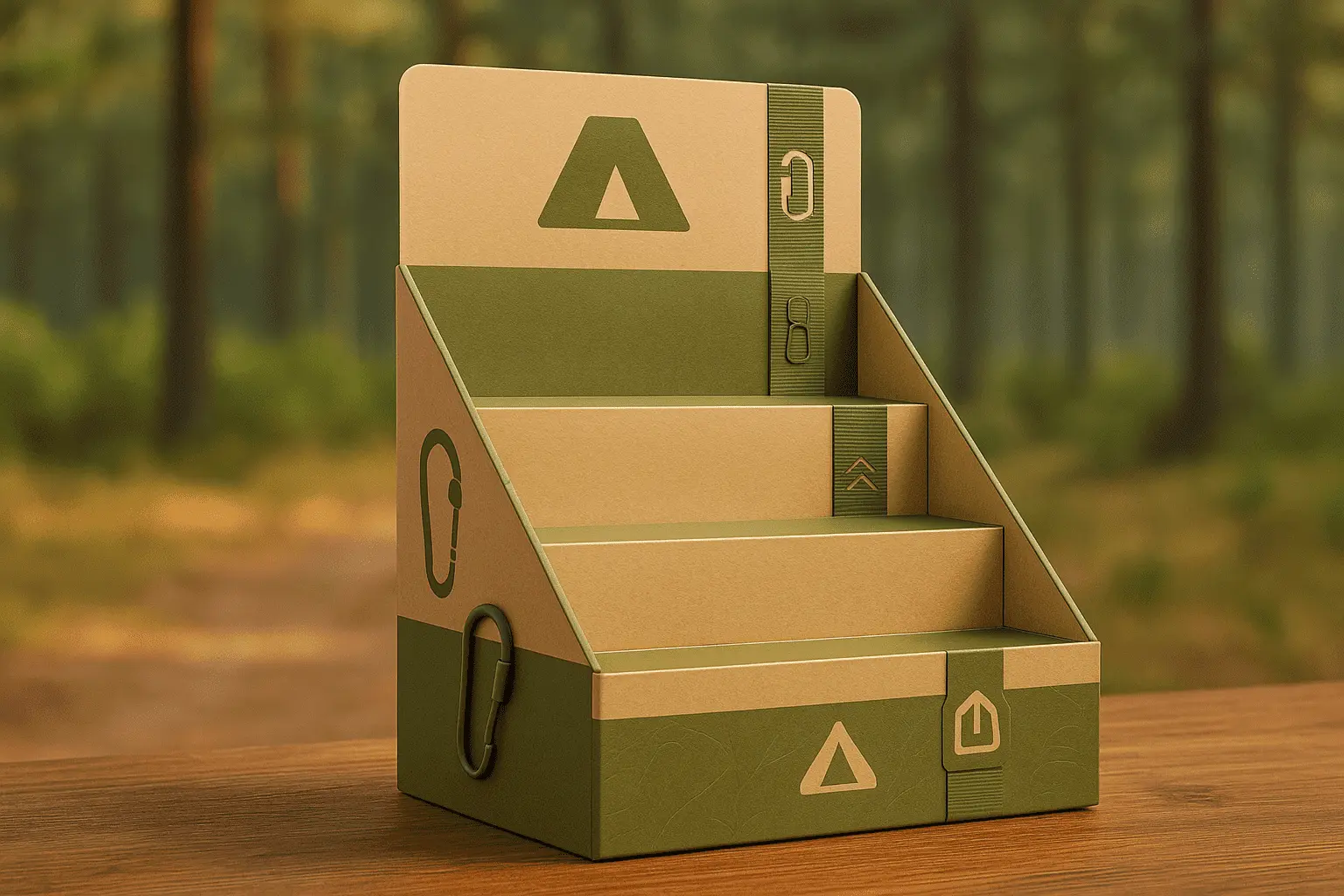
With water-based printing methods and natural material finishes, eco-friendly packing can be changed in a lot of ways. These choices let you have colorful logos while still being good to the earth. The natural look of sustainable materials gives goods a unique look that helps them stand out in markets with lots of competition.
Pricing and Procurement Considerations for B2B Clients
To successfully buy sustainable packaging, you need to know the different things that affect prices and how to choose a seller. These things to think about help companies get the most out of their packing purchases while also meeting their sustainability goals.
Pricing Structure and Volume Economics
The cost of raw materials, licensing fees, the need for customization, and the number of sales all have an impact on the price of sustainable packaging. The cost of raw materials may change the price of an eco-friendly mailer box made from recycled materials, but licensing fees don't change much. Some jobs are more expensive than others, and the costs change based on how hard the job is and how many colors are needed.
Through economies of scale, buying in bulk can save you a lot of money. Here are the main advantages that businesses can get from using volume-based pricing:
- Lower material costs per unit thanks to big buying deals that cut down on source overhead
- Streamlined production runs that cut down on setup costs and make production more efficient
- Agnegotiated shipping rates that lower the cost of sending big orders.
- Longer payment terms that make managing cash flow easier and lower the cost of borrowing money
When sales go over the usual minimum amounts, these volume benefits become even more noticeable. This lets businesses meet their sustainable packaging goals while staying within their budgets.
Supplier Selection and Quality Assurance
There are more things than just price that you need to think about when choosing trusted sellers. Shipping prices and wait times are affected by how close two places are to each other. Supplier certifications make sure that quality is consistent and that environmental rules are followed. When you buy from established sellers with a track record of success, you reduce the risks of procurement and shipping uncertainty.
Getting samples lets you check the quality before committing to big buys. During this part of review, stress tests, print quality checks, and assembly checks should all be done. Full audits of suppliers help find possible problems and make sure that the partnership will work in the long run.
Minimum Order Quantities and Lead Time Planning
Most companies that sell sustainable packaging have minimum order amounts that are set so that production efficiency and customer needs are both met. Businesses can better plan their inventory amounts and cash flow when they know these needs. Depending on how complicated the design is and how much time the seller has available, lead times are usually between two and six weeks.
Planning for changes in seasonal demand is necessary to keep enough goods on hand without paying too much for storage. Many companies set shopping schedules every three months that work with their marketing campaigns and regular shipping trends while also making the buying process as efficient as possible.
Conclusion
Eco-friendly mailer boxes are a smart investment in long-term business practices that help the earth and the company's operations. The in-depth look at materials, certifications, and price shows that environmentally friendly packing options can meet a wide range of business needs and help achieve environmental responsibility goals. Businesses that understand the ins and outs of sustainable packaging procurement can make smart choices that balance cost concerns with sustainability goals. This leads to a better brand reputation and more loyal customers in a market that is becoming more environmentally conscious.
FAQ
Can eco-friendly mailer boxes protect heavy electronics and fragile items?
These days, eco-friendly packaging has advanced design features that protect big and fragile things very well. The multi-wall construction and strengthened sides make it more resistant to being crushed, and the built-in cushioning systems mean that you don't need any extra safe materials. Through creative structural engineering, many eco-friendly choices are better at protecting things than regular packing.
What customization options are available for sustainable packaging?
With water-based printing methods, embossing, and natural finish choices, sustainable packaging can be customized in a lot of ways. These methods allow for vivid logos while protecting the earth. Custom sizes, styles, and internal layouts can be made to fit a wide range of product needs without lowering environmental standards.
How do lead times for bulk orders compare to conventional packaging?
Lead times for eco-friendly packaging are usually between two and six weeks, which is about the same as for regular packing. The main difference is in the planning that needs to be done, because renewable products may not be available all year round. Setting up regular ordering plans helps keep material access stable while minimizing the effects of lead times.
Partner with Fetching Printing for Your Sustainable Packaging Needs
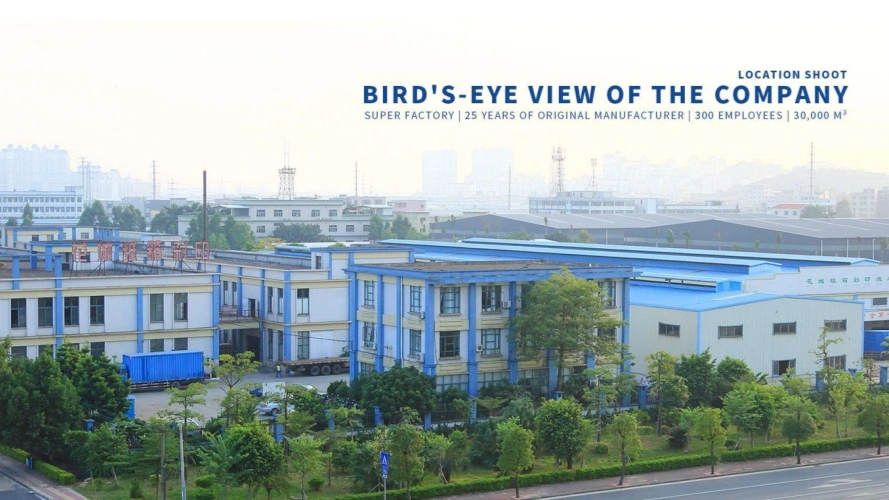
Fetching Printing has a lot of experience with sustainable packing that can help businesses find reliable eco-friendly mailer box options. Our FSC-certified materials, cutting-edge water-based printing technologies, and wide range of customization options produce top-notch results for a wide range of business needs. With more than 20 years of experience in manufacturing and ISO14001 environmental certification, we can help you build a stable supply chain that supports your sustainability goals while keeping your operations running smoothly. Contact our packaging specialists at support@fetchingprinting.com to explore sustainable mailer box manufacturer solutions tailored to your specific requirements.
References
Smith, J.A. "Sustainable Packaging Materials and Manufacturing Processes in Modern Supply Chains." Journal of Environmental Packaging, 2023.
Environmental Protection Agency. "Life Cycle Assessment of Packaging Materials: Comparative Analysis of Environmental Impacts." EPA Research Publication, 2022.
Forest Stewardship Council. "Global Standards for Responsible Forest Management and Chain of Custody Certification." FSC International Standards, 2023.
Johnson, M.K. "Cost-Benefit Analysis of Sustainable Packaging Solutions in E-commerce Operations." Business Sustainability Quarterly, 2023.
Biodegradable Products Institute. "Certification Standards for Compostable Packaging Materials in North American Markets." BPI Technical Guidelines, 2022.
Thompson, R.L. "Consumer Preferences and Market Trends in Sustainable Packaging Solutions." Packaging Industry Research Review, 2023.