Shelf-Ready Packaging for E-commerce and Omnichannel Retail
In today's competitive e-commerce and multichannel retail environment, shelf-ready packaging is a game-changer for how products are shown off and how efficiently the supply chain works. Unlike traditional packaging methods, SRP makes the move from warehouse to shelf smooth, cutting down on steps that aren't needed and increasing brand exposure. This packing strategy meets the important point where logistics efficiency and marketing compliance meet, making sure that goods get to stores ready to be displayed right away. More and more modern stores are realizing that SRP is important for managing goods better, cutting costs, and making customers happier across all sales platforms.
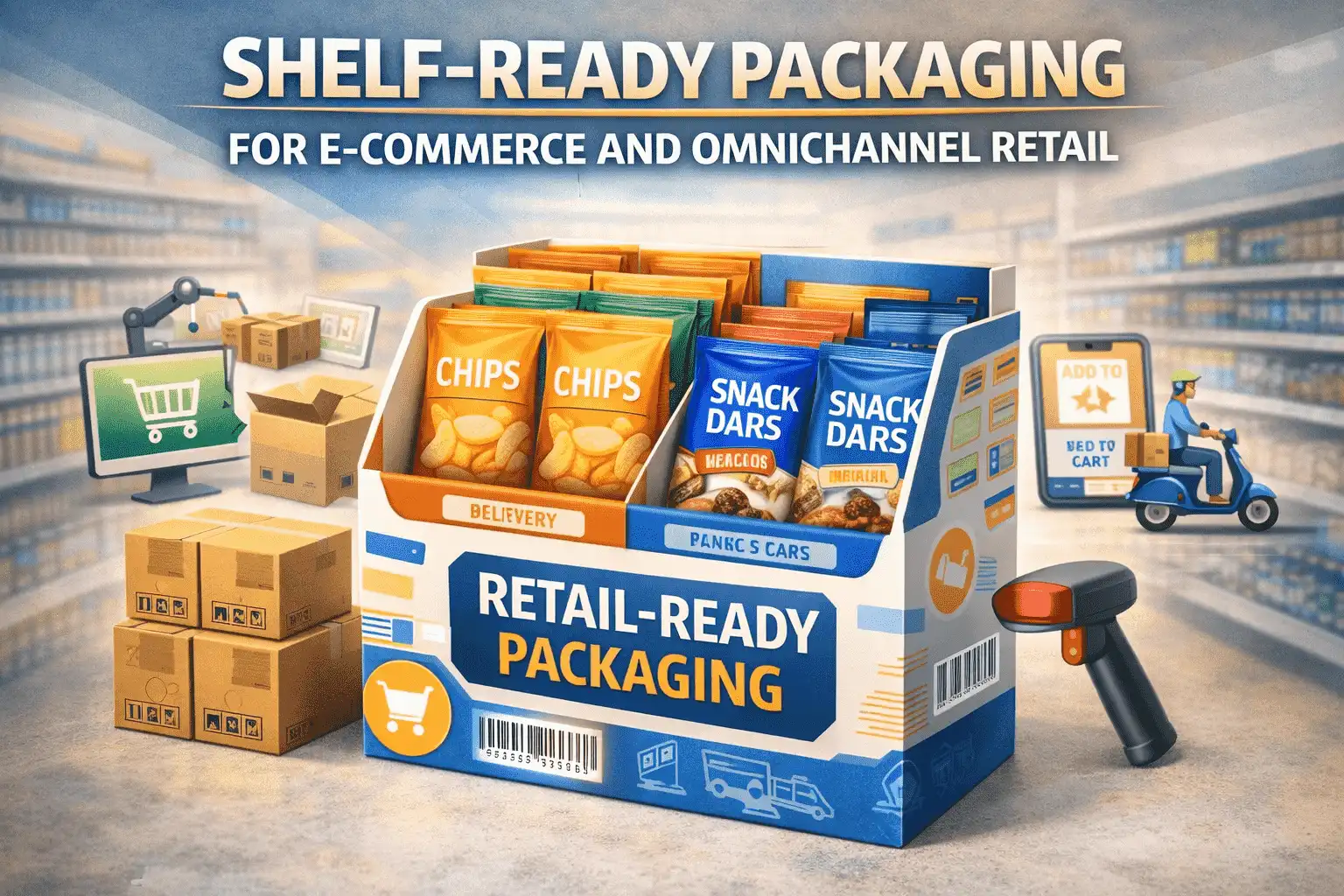
Understanding Shelf-Ready Packaging and Its Role in Modern Retail
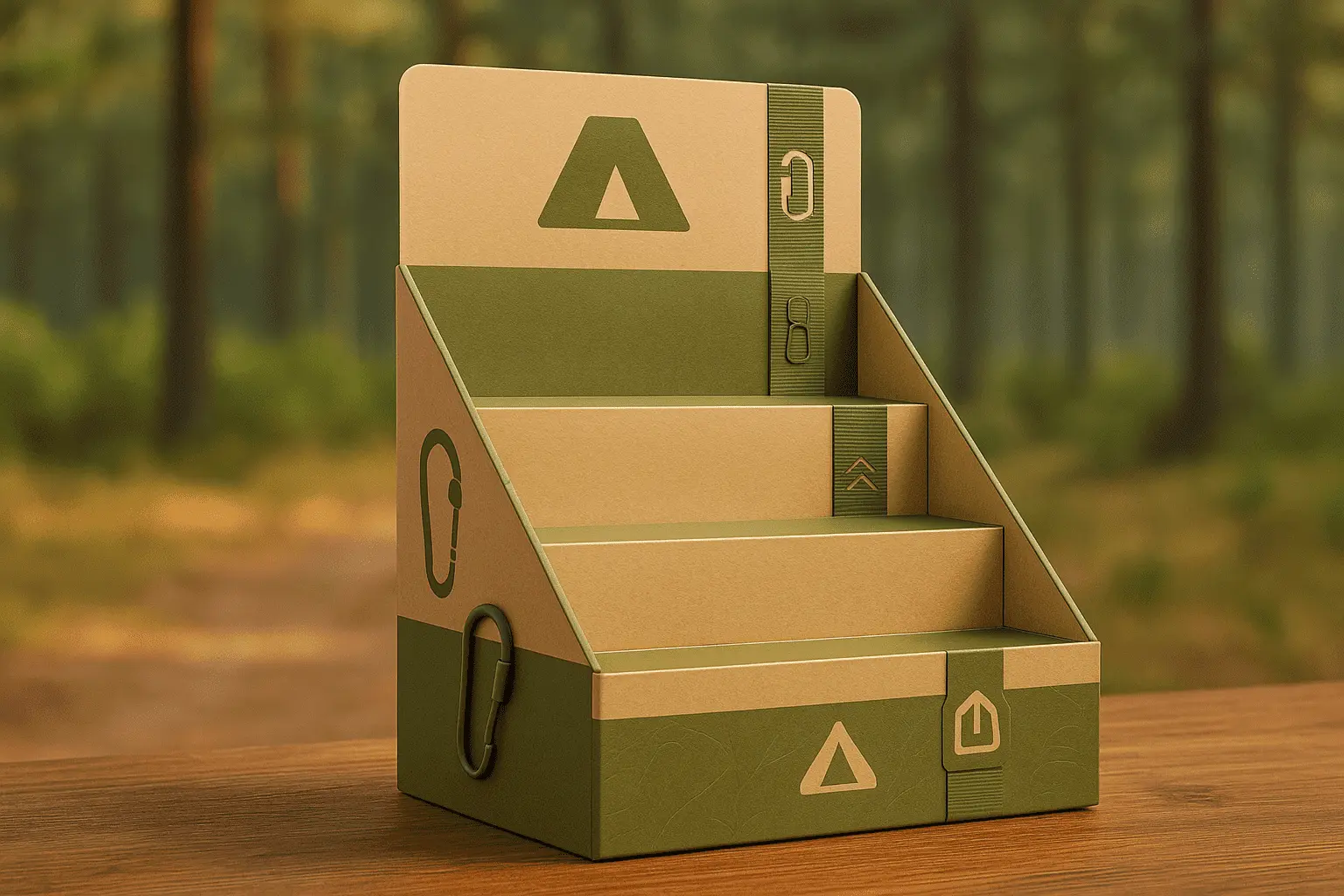
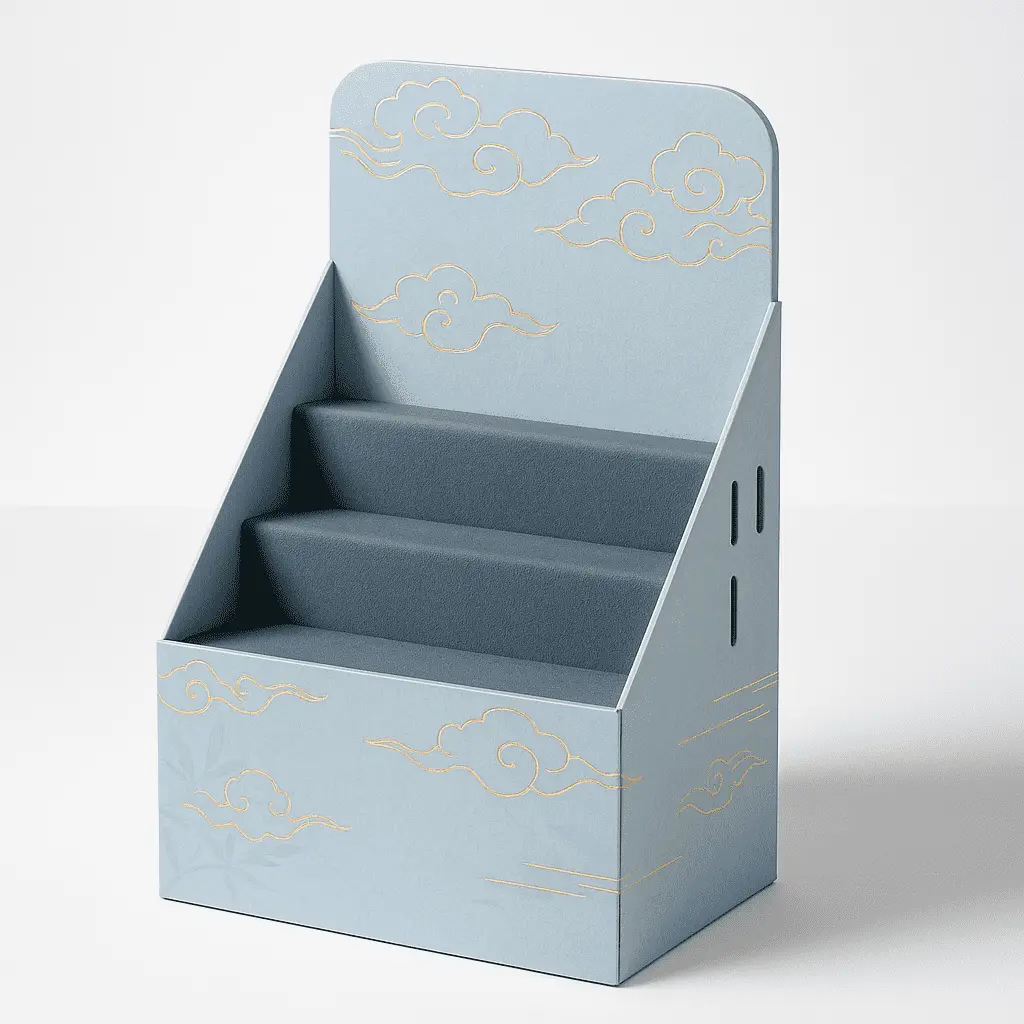
Shelf-ready packaging completely changes how goods move through the store supply chain by making packaging options that can be put on show right away without any extra work. With this secondary packing strategy, goods move smoothly from the factory floor to the point of sale, and they don't need to be handled as much in the shop. Instead of having to go through separate loading and restocking steps, SRP lets whole transport units be put right on store racks.
The "Five Easies" concept, which sets professional SRP standards, was created by the Institute of Grocery Distribution. These factors make sure that packages are easy to find with high-visibility colors, easy to open with simple perforations, easy to restock with one-touch merchandising, easy to shop with better on-shelf access, and easy to throw away with single-materials for efficient recycling. This all-around method cuts down on shelf-stacking time by up to 40% while keeping the quality of the product intact during the whole marketing process.
Technical Specifications and Material Requirements
Professional shelf-ready packaging mostly uses E-flute or B-flute curved board to get the best print surface quality. High-density solid board is only used for high-end jobs. The material must have the right amount of structural strength to protect the supply chain and managed frangibility to make it easy to open. Box Compression Test (BCT) values must be able to support more than 200 kg of standing load per bottom box when stacking pallets without breaking or weakening the structure.
For accurate perforation profile, you need to know the exact amounts of cut-to-hold nicks in the perforation lines. Standard standards find the right mix between low tear resistance (below 15N force for hand opening) and high tensile strength to keep the bag from opening too early during shipping vibration. These rules make sure that packages keep their ability to protect while still letting stores run smoothly.
Integration with Automated Systems
More and more, automated warehouses and robotic picking systems are used in modern e-commerce delivery hubs. To make SRP designs work with vacuum grippers and robotic handling tools, vacuum zones must be set up where there are no holes or cutouts. This flexibility makes it easy to use automatic palletizing systems, but the package's main purpose as a retail-ready display unit stays the same.
Comparing Shelf-Ready Packaging with Traditional Packaging Solutions
Traditional packing methods are mostly about keeping the goods safe while they're being shipped, and they need extra work and materials to be displayed in stores. Shelf-ready packaging gets around these problems by adding display features directly to the shipping package. This gets rid of unnecessary steps and lowers the amount of material used overall.
Performance Advantages Across Industry Applications
Compared to options like retail-ready, bulk, or shrink wrap, SRP is more flexible and can be used in more industries. For high-volume FMCG uses in stores, packages need to be able to handle being handled quickly while also being able to hold products and keep their shape even when they're only half full to keep products from getting mixed up. When used in cold chain applications, normal corrugated board loses up to 50% of its stacking strength in high humidity areas. This means that special adhesives and barrier coats that don't absorb moisture are needed.
Discount and club stores use designs that are ready to be put on pallets and are big enough to hold a lot of weight vertically. These designs also fit nicely with Euro-pallet or ISO measurements. These two-piece tray and hood designs make the best use of truck room, so there is no lost space when the forklift is moving things around. They also keep things stable during the distribution process.
Cost-Benefit and Sustainability Analysis
SRP cuts down on package waste by getting rid of the need for extra display materials that are usually needed with standard packing. The single-material structure, mostly cardboard board, makes it easier to recycle than mixed-material options. When you switch from plastic tear-tape to holes made of paper, you get units that can be recycled over and over again and meet world standards.
Right-sizing software integration cuts down on headroom and cardboard needs while keeping the structure strong. FSC-certified fibers and water-based coatings protect the environment without affecting the performance of the product. These changes to sustainability are in line with business responsibility efforts and will save money on packaging in the long run.
How to Choose the Best Shelf-Ready Packaging for Your Procurement Needs?
Order number needs, shipping timelines, product variety considerations, and distribution model compatibility are just a few of the factors that procurement teams must take into account when choosing shelf-ready packaging solutions. Knowing about these factors helps people make smart choices that balance lowering costs with improving operations in a range of store settings.
Critical Selection Criteria
Material longevity is an important thing to think about, especially for goods that need to last a long time or are used in harsh environments. Flexibility in design must be able to meet the needs of the brand while keeping the structure's integrity throughout the supply chain. Cost-value should take into account things like saving time and money on work, making better use of materials, and possible deals for buying in bulk based on purchasing scales.
When evaluating suppliers for shelf-ready packaging, it's important to look at their regional reach, production skills, ability to come up with new ideas, and reliability measures. Manufacturing plants with state-of-the-art equipment and skilled tech teams can make things more precisely while still meeting quality standards. Certifications like ISO9001, ISO14001, FSC, and standards related to the business show that a provider cares about quality and the environment.
Supplier Evaluation Framework
When looking at possible suppliers, buying teams should compare the suppliers' production capacity to the expected number of orders. This way, they can make sure that the suppliers can grow with the company in the future. For custom uses that need unique structure designs or printing needs, technical knowledge is very important. Logistics costs and shipping times may be affected by where something is located, especially for store launches that need to happen quickly.
Quality management systems and licenses show what standards the provider is working to and how reliable they are. Companies that have strong research and development (R&D) teams can help with finding new uses for materials, building structures, and making processes run more smoothly. These skills are very useful for solving difficult packing problems that need creative solutions that go beyond standard options.
Current Trends and Future Outlook of Shelf-Ready Packaging in 2024 and Beyond
The SRP business is still changing quickly, thanks to requirements for sustainability and new technologies that change how companies interact with customers. Biodegradable and reusable materials are becoming more popular as stores put environmental duty and operational efficiency at the top of their list of priorities. Because of these changes, procurement workers who are forward-thinking can now make choices about packages that are in line with their companies' green goals.
Technological Integration and Smart Packaging
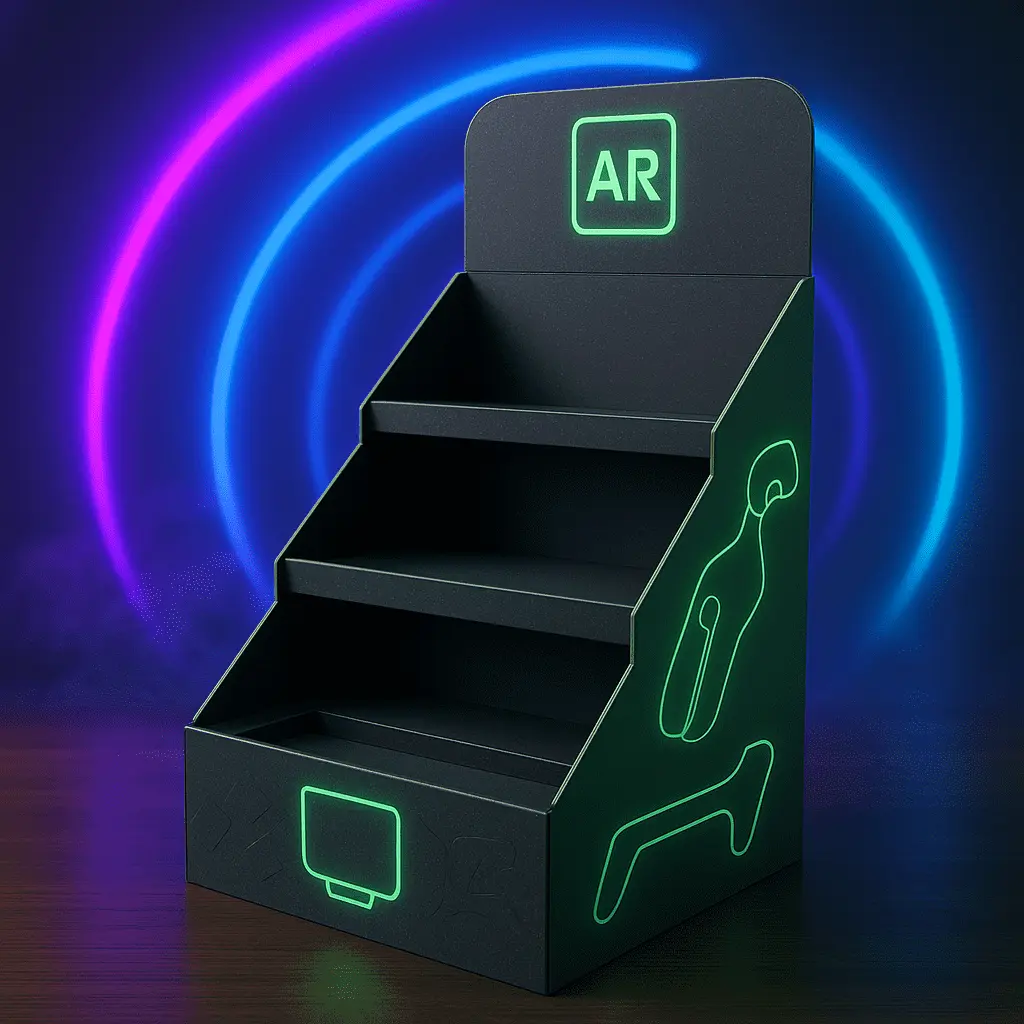
Smart packaging technologies that use RFID tags, QR codes, and augmented reality make standard point-of-sale (SRP) into engaging places of contact with customers. These innovations make it possible to keep track of goods, make sure items are real, and give customers better digital experiences that get them involved. But execution needs a careful look at the costs and benefits and how well it will work with current store systems.
Augmented reality apps let people use their phones to interact with package images and get information about the product, how to use it, or promotional material. Even though these technologies offer great marketing chances, procurement teams need to find a mix between new ideas and realistic issues like how much they will cost and how hard they are to use.
Sustainability and Material Innovation
New, reusable materials keep making SRP more useful while also meeting strict environmental standards. Barrier coats are used instead of wax treatments that can't be recycled to protect against moisture. They keep working well and make it easier to get rid of old products. Semi-chemical fluting gives materials better strength for tough uses without affecting their ability to be recycled.
Water-based inks and glues for shelf-ready packaging get rid of dangerous volatile organic chemicals while keeping the quality of the print and the structure of the material. These materials are in line with changing government rules and customer tastes for packaging that is good for the environment. When suppliers spend in these technologies, it shows that they are committed to long-term growth.
Practical Guidance for Procuring Shelf-Ready Packaging: From Inquiry to Delivery
To buy SRP effectively, you must first do a lot of research on suppliers using reliable industry lists, trade groups, and suggestions from other buyers. Online markets give buyers a lot of options for suppliers, but local makers may be better for contact, customization, and shipping options. Understanding how prices work, like bulk rates and minimum order amounts, helps you make accurate budget plans and come up with ways to cut costs.
Managing Lead Times and Custom Requirements
Custom shelf-ready packaging usually has longer lead times than standard choices, so the project schedule needs to be carefully managed. Complex structural designs, special printing needs, or specific material requirements can all make production times much longer. Teams in charge of buying things should set clear deadlines with sellers and include enough time to account for delays or changes.
For sample approval processes to work, there needs to be enough time for trying and improving, especially for goods that need to perform in certain ways. Box compression testing, drop testing, and shelf life testing may show that changes need to be made to the design before it can go into full production. These steps of validation keep problems from happening during execution that would cost a lot of money and make sure the performance of the package meets practical needs.
Quality Assurance and Performance Testing
Professional SRP designs need to follow ECMA and FEFCO rules, especially the 7000 series rules that make packages ready for sale. ISTA 3 series testing proves that hole lines keep their ability to protect packages during distribution without affecting the structure's strength. These standards make sure that packages work successfully in a wide range of store settings and handling situations.
Regular performance tracking and quality checks help keep provider standards consistent and find ways to make things better. Setting clear requirements and standards for acceptance stops misunderstandings and makes sure that given packages meet practical needs. Keeping track of performance measures allows for data-driven provider reviews and efforts to keep getting better.
Conclusion
Shelf-ready packaging changes how modern stores work by making the supply chain more efficient and improving how brands look in both online and offline stores. Strategically implementing SRP lowers organizational costs, makes it easier to keep track of inventory, and produces compelling customer experiences by integrating design in a thoughtful way. Sustainability standards and technology are always changing, so buying workers who know the basics of SRP will give their companies a long-term edge in the market. To be successful, you need to choose reliable providers, set high quality standards, and make sure that your packaging plans are in line with your overall business goals.
FAQ
What materials work best for sustainable shelf-ready packaging?
Corrugated cardboard utilizing FSC-certified fibers provides optimal sustainability while maintaining structural performance. Water-based inks and adhesives eliminate harmful chemicals while mono-material construction enhances recyclability. Moving from plastic tear-tape to integrated paper perforations creates completely repulpable packages meeting global environmental standards.
How does SRP improve efficiency in omnichannel retail operations?
SRP reduces shelf-stacking time by up to 40% through one-touch merchandising while improving inventory rotation through FIFO stock management. Automated warehouse compatibility enables seamless integration with robotic systems while maintaining display functionality. These efficiencies translate to reduced labor costs and improved product availability across multiple retail channels.
Should we choose custom or standard packaging for our products?
Custom packaging helps brands stand out more and improves the structural performance of certain goods, but it comes with higher minimum orders and longer wait times. Standard choices save money and get them to you faster, but they might not have as much of an effect on your brand. When making this choice, you should think about things like the number of orders, the deadlines, and the importance of brand positioning.
Partner with Fetching Printing for Superior Shelf-Ready Packaging Solutions
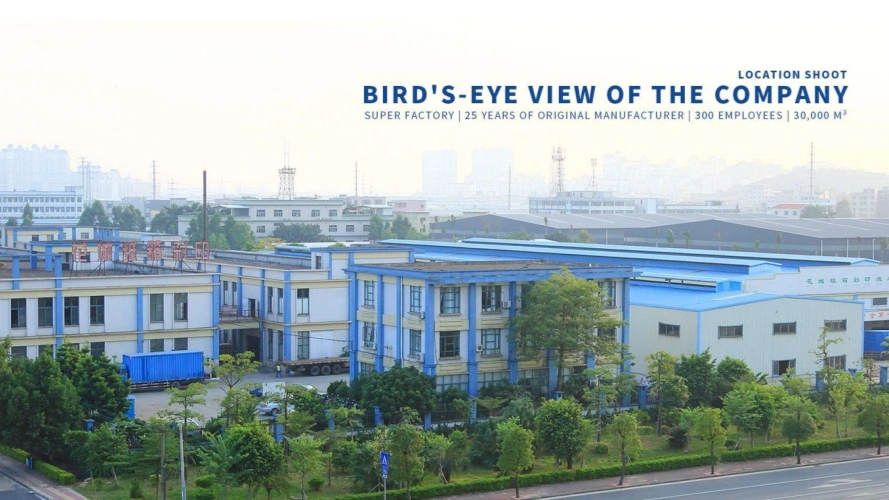
Businesses seeking reliable shelf-ready packaging solutions benefit from partnering with experienced manufacturers who understand both technical requirements and market dynamics. Fetching Printing combines 25 years of industry expertise with advanced manufacturing capabilities across our 50,000㎡ facility, supported by over 300 skilled professionals dedicated to packaging innovation.
Our comprehensive R&D department features more than ten packaging engineers specializing in new material applications, structural development, and process optimization. We maintain certifications including ISO9001-2015 Quality Management, ISO14001-2015 Environmental Management, FSC, and G7 Color Management, ensuring consistent quality while meeting sustainability requirements. Contact our expert team at support@fetchingprinting.com to discuss your specific requirements and discover how our shelf-ready packaging supplier capabilities can enhance your retail operations through innovative, cost-effective solutions tailored to your procurement needs.
References
Institute of Grocery Distribution. "Shelf Ready Packaging Guidelines: Implementing the Five Easies Principle in Modern Retail." IGD Research Publications, 2023.
European Federation of Corrugated Board Manufacturers. "FEFCO 7000 Series: Technical Standards for Retail-Ready Packaging Design and Implementation." FEFCO Technical Guidelines, 2024.
International Safe Transit Association. "ISTA 3 Series Testing Protocols: Validation Methods for Shelf-Ready Packaging Performance in Distribution Environments." ISTA Standards Documentation, 2023.
Packaging Technology Research Institute. "Smart Packaging Integration in Omnichannel Retail: Trends and Implementation Strategies for Shelf-Ready Solutions." PTRI Industry Analysis, 2024.
Sustainable Packaging Coalition. "Mono-Material Design Principles for Enhanced Recyclability in Retail-Ready Packaging Applications." SPC Environmental Guidelines, 2023.
Global Retail Technology Association. "Automated Warehouse Integration: Optimizing Shelf-Ready Packaging for Robotic Handling Systems." GRTA Technical Report, 2024.