Eco-Friendly Subscription Box Packaging Buyers Should Consider
The rise of subscription-based business models has made it more important than ever to find packaging options that are both good for the earth and good for business. Modern eco-friendly subscription box packing represents a planned move away from conventional materials and toward long-lasting options that protect products while also being better for the environment overall. Smart buying teams know that the type of sustainable packaging they choose has a direct effect on the image of the business, customer loyalty, and the control of long-term costs. Modern eco-friendly choices include biodegradable parts, reusable materials, and new designs that cut down on waste throughout the supply chain. These are important things for businesses that want to stay ahead of the curve to think about.

Understanding the Challenges of Subscription Box Packaging
Environmental Impact of Traditional Packaging Materials
Traditional subscription box packing uses a lot of multi-layered plastics, composites that can't be recycled, and extra protection materials that end up in landfills in large amounts. According to research, traditional packing materials can take decades to break down. This means that they create long-lasting environmental problems that modern customers are rejecting more and more. Regulatory bodies in several countries have made it harder for businesses to meet environmental standards because of the large amount of packaging trash from membership services. This has made businesses rethink the materials they use.
Supply Chain Inefficiencies in Conventional Procurement
Buying packing the old-fashioned way often has problems like broken supply lines, uneven quality standards, and limited customization options that make operations less efficient. Most of the time, traditional providers don't have the technical know-how to offer options that are both environmentally friendly and meet functional needs. These flaws show up as longer wait times, higher total costs of ownership, and less ability to adapt to changes in the market or the seasons.
The difficulties go beyond just choosing the right materials; they also include issues like storage space, shipping, and getting rid of them when they're no longer useful. When businesses use old-fashioned packing methods, they often find that managing trash, following rules, and dealing with unhappy customers because of too much packaging waste have hidden costs.
Regulatory Pressures and Market Demands
Governments around the world are putting more limits on single-use plastics and materials that can't be recycled. This makes it harder for monthly box companies to follow the rules. The Single-Use Plastics Directive in the European Union and related laws in North America set clear dates for moving away from packaging materials that are bad for the climate. These regulatory systems make companies show clear progress toward using sustainable packaging or else they will have to pay big fines.
Consumer standards have changed a lot. For example, studies show that over 70% of subscription box customers make environmentally friendly packaging a top priority when they decide what to buy. This change in how people act as consumers puts pressure on the market that goes beyond following the rules and includes ways to set your brand apart from others in the same field.
Key Criteria for Selecting Eco-Friendly Subscription Box Packaging
Material Selection and Environmental Impact
Effective eco-friendly subscription box packing strategies are built on the basis of sustainable material selection. When made from a single-material polymer like polyethylene, recyclable stand-up boxes are very easy to recycle while still protecting the contents. These materials work well with the recycling systems that are already in place. This makes them easier to use and saves money for businesses that do a lot of recycling.
Polylactic acid and plant-based materials are used to make compostable options that break down completely in industrial composting settings. Even though these choices may cost more, they are better for the earth and are in line with companies' climate goals. Putting money into package materials that can be broken down naturally usually pays off in the form of better brand recognition and customer loyalty.
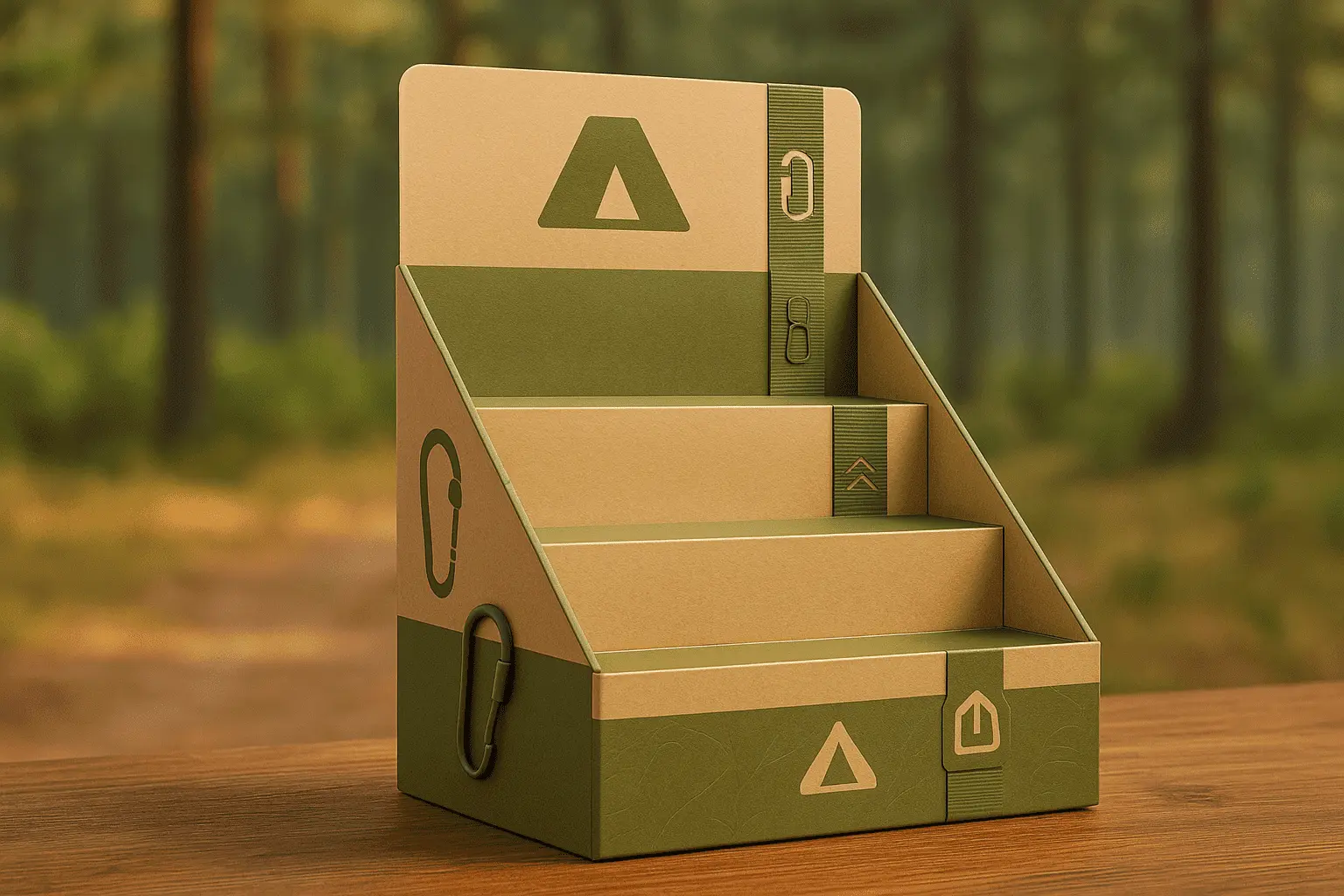
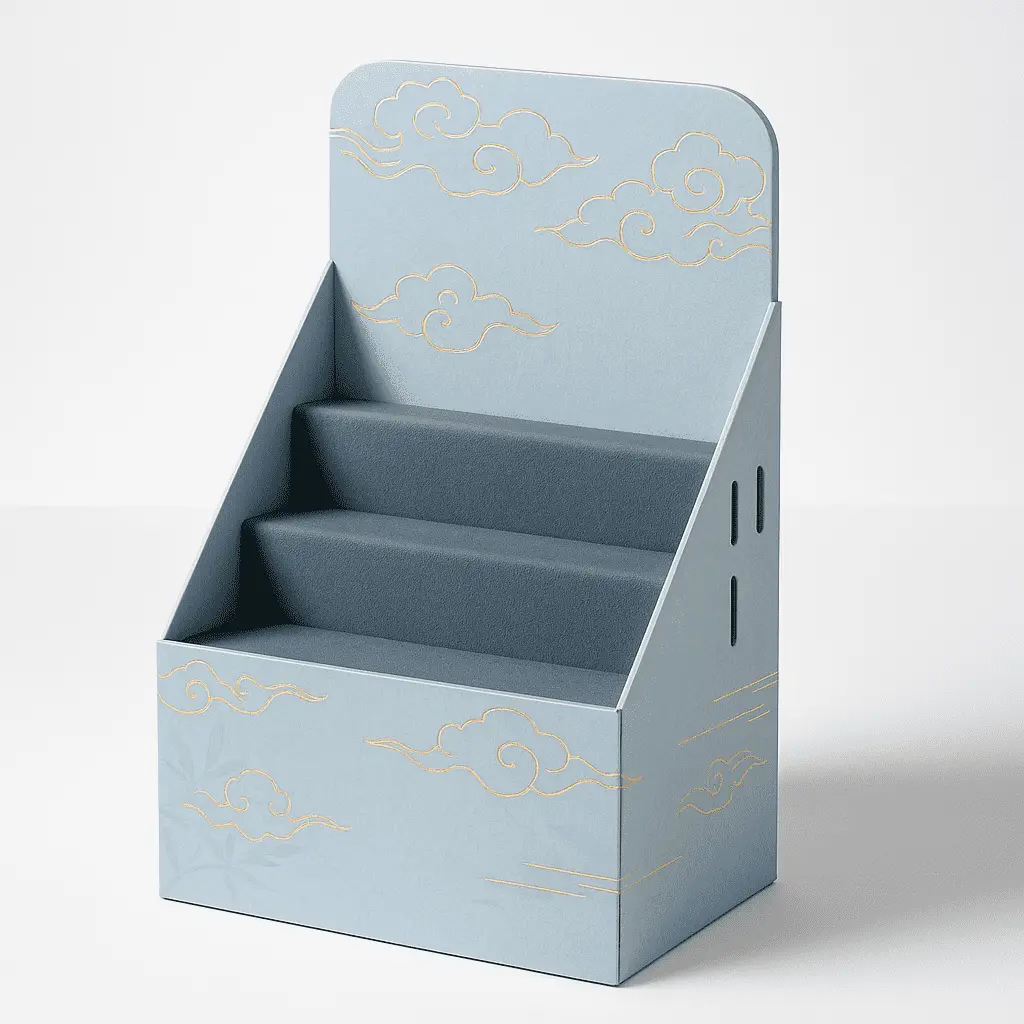
Kraft paper solutions are both aesthetically pleasing and useful. They offer fully recyclable wrapping that breaks down much more quickly than plastic alternatives. Custom printed paper stand-up boxes are a great way to promote your brand while also being good for the environment. This makes them especially appealing for subscription services that deal directly with customers.
Structural Design and Product Protection
For sustainable packaging to work, it needs to protect products well without hurting environmental goals. Modern methods for designing structures allow for big reductions in material while keeping or even improving their defensive qualities. New folding patterns, smart placement of reinforcements, and improved measurements all help to use materials more efficiently without compromising the integrity of the product during transport.
Modern environmentally friendly packaging has safety features like shock-absorbing inserts made from recycled materials, moisture shields made from plant-based materials, and tamper-evident seals that make things safer without hurting the environment. These design features help meet green goals while keeping the quality of the product high.
Supplier Capabilities and Certifications
By working with providers who know a lot about sustainable packaging, you can be sure that you will have access to the latest products and manufacturing methods. Leading providers keep environmental management systems like ISO 14001, FSC standards, and Cradle to Cradle verification up to date with certificates that show they are serious about protecting the environment.
When evaluating a supplier, you should look at their ability to make things, their ability to customize them, their quality control systems, and their expert help resources. The best partnerships have providers who offer joint design services, help with making prototypes, and ongoing optimization support. This way, the performance and environmental impact of packaging can keep getting better.
Comparing Eco-Friendly Packaging Options for Subscription Boxes
Environmental Performance Analysis
There are measurable environmental benefits to using eco-friendly subscription box packing choices instead of traditional materials. Life cycle analyses show that packaging that can be recycled has a lower carbon footprint than traditional materials with many layers by as much as 60%. Compostable options get rid of all long-term trash pileups, but they need access to the right composting facilities to work at their best for the environment.
The environmental effect goes beyond the materials themselves and includes how they are made, how efficiently they are transported, and how they are thrown away when they are no longer useful. Most sustainable packing choices are made with less energy-intensive methods and use room more efficiently, which lowers pollution related to shipping.
Industry-Specific Applications
Depending on the type of subscription box, the package needs to be specially designed to meet both environmental and useful needs. For beauty and makeup packages, rigid boxes with sticky closures and high-end finishes make opening more enjoyable while still being recyclable. For use in food and drinks, materials need to be certified as food-grade and be able to fight water, which is easy for sustainable materials to do.
Subscriptions for electronics and consumer goods need better protection, which modern sustainable materials provide through creative design methods. Modern perforated structures and molded fiber layers make this product very good at absorbing shock and can still be recycled completely.
Here are the main benefits of sustainable packing options that are made for specific types of goods:
- Beauty Products: Magnetic closing systems and high-quality finishes improve the customer experience while keeping the products recyclable, which helps the brand's marketing and meets environmental goals at the same time.
- Food items: standards that are safe for food and moisture shields keep the food safe and fresh while it breaks down naturally at the end of its life.
- Electronics: Molded fiber protective plugs are better at absorbing shock than foam options in electronics, and they are completely biodegradable.
These specialized methods help companies meet the specific needs of their products while also working toward their environmental responsibility goals.
Supplier Network and Performance Benchmarks
Leading providers of sustainable packaging are always coming up with new ways to improve materials, make production more efficient, and help customers. Top-tier suppliers keep up global manufacturing networks that keep the supply chain running smoothly and offer support services that are tailored to each location. Performance standards include delivery rates that are more than 95% on time, failure rates that are less than 0.5%, and answer times for technical questions that are less than 24 hours.
When a business works with a seller for eco-friendly subscription box, the best relationships involve working together to create solutions that meet the needs of the business. These connections give you access to new technologies, chances to be a part of pilot programs, and better prices that help your business grow over the long run.
Implementing Sustainable Packaging in Your Subscription Box Business
Strategic Integration and Workflow Optimization
To adopt sustainable packaging successfully, the processes for purchasing, designing, and running the business must all be fully integrated. To set clear environmental goals and performance measures, procurement managers, product developers, and packing experts work together on cross-functional teams. This way of working together makes sure that environmental goals are in line with how things work and what customers expect.
Baseline evaluations are the first step in the implementation process. They measure the current environmental effect, cost structures, and success metrics. During the change process, these evaluations serve as standards for measuring progress and finding chances to improve things even more.
Real-World Performance and ROI Analysis
Companies that use eco-friendly packaging options regularly say that their brand image, customer retention, and working efficiency all get better. Case studies show that investments in eco-friendly subscription box packing usually pay off within 18 to 24 months through lower material costs, more efficient shipping, and stronger customer loyalty.
Differentiating your brand has benefits that go beyond just saving you money right away. These benefits include better positioning chances and easier access to new markets. Sustainability-focused packaging lets you reach customers who care about the environment and work with stores that value environmental responsibility.
Long-term views show more benefits, such as being ready for legal compliance, having a resilient supply chain, and being able to place yourself better in the market. When businesses invest in environmentally friendly packing, they set themselves up well for future changes in regulations and changing customer tastes.
Performance Measurement and Continuous Improvement
Setting up complete performance measurement systems lets sustainable packing programs be optimized and kept getting better using data. Key performance indicators (KPIs) include the cost of materials per unit, the percentage of waste that is reduced, the score of customer happiness, and environmental effect metrics like the decrease of carbon footprint.
Regular performance reviews for eco-friendly subscription box make it easier to find ways to improve things and adopt new technologies. The most effective programs have feedback loops that let them respond quickly to changes in the market and performance.
How to Choose the Perfect Eco-Friendly Subscription Box Packaging?
Business Needs Assessment and Requirements Definition
Before choosing the best sustainable packing, a business should carefully look at its unique needs, such as the nature of the product, the amount of shipping that needs to be done, and what the customers expect. Material choice and structure design decisions are directly affected by how fragile the product is, how its size changes, and how it needs to be handled. Forecasts of volume and changes in the seasons affect how suppliers are chosen and how inventory is managed.
Customers expect the packaging to look nice when they open it, be easy to throw away, and match the brand, and sustainable packaging must meet all of these needs without any problems. Eco-friendly subscription box packing choices need to meet all of these different needs while also being cost-effective and operationally efficient.
Evaluation Metrics and Decision Frameworks
Using systematic review frameworks makes it possible to compare different packaging options based on a number of factors, such as how they affect the environment, how much they cost, how well they work, and how reliable the seller is. Scorecards with weighted criteria make decision-making clear, which makes it easier for stakeholders to agree on what to do and for vendors to be chosen.
Here are the most important things to look for when choosing recyclable packaging:
- Environmental Impact: Life cycle assessment scores, recyclability rates, and carbon footprint measures make it possible to compare how well different types of packaging do in terms of the environment.
- Cost Performance: A full financial study is possible by looking at the total cost of ownership, which includes material costs, shipping costs, and waste management costs.
- Functional Capabilities: Ratings for protection, customization, and aesthetic appeal make sure that packing meets business and marketing needs.
When procurement teams use these review models, they can make smart choices that meet many goals at once.
Implementation Planning and Risk Management
For packaging changes to go smoothly, there needs to be a lot of planning for time, allocating resources, and reducing risks. Before going live on a large scale, pilot programs let you check the performance and make process improvements. Inventory management plans make sure that changes go smoothly and that as little packing material as possible is wasted.
Risk management includes things like vetting suppliers, making sure quality standards are met, and planning for what to do if there are problems in the supply chain. The best methods use a variety of supplier relationships and adaptable buying strategies that keep operations running smoothly and help reach sustainability goals.
Conclusion
The switch to eco-friendly monthly box packing is both necessary for the environment and a good business move. Modern eco-friendly subscription box services strike a good mix between caring for the environment and running a business efficiently. They also offer real benefits like cost savings, brand uniqueness, and legal compliance. This guide gives procurement professionals detailed review frameworks and execution strategies to help them adopt sustainable packaging in a way that gets the best results for their businesses. Businesses that are looking to the future know that investing in sustainable packing will help them in the future market while also meeting current customer needs and government regulations.
FAQ
What materials are genuinely eco-friendly for subscription box packaging?
Genuinely eco-friendly materials include FSC-certified kraft paper, plastics that can only be recycled once, like polyethylene, and bioplastics made from plants that can be broken down in a waste pile. These materials are safe for the earth, work well with the trash management system that is already in place, and protect the products well enough.
How can buyers verify supplier sustainability claims?
Third-party approvals like FSC, Cradle to Cradle, and ISO 14001 norms must be looked at for verification. Ask for thorough records of the manufacturing methods, audits of the supply chain, and life cycle evaluations. Site trips and customer references are two more ways to make sure that a company is living up to its environmental promises.
Are eco-friendly packaging options cost-competitive with traditional materials?
While initial material costs may be higher, sustainable options often have a lower total cost of ownership due to better shipping efficiency, lower waste management costs, and higher brand value. Cost balance is reached by many businesses within 12 to 18 months, and they gain a competitive edge by presenting themselves as sustainable.
Partner with Fetching Printing for Your Sustainable Packaging Solutions
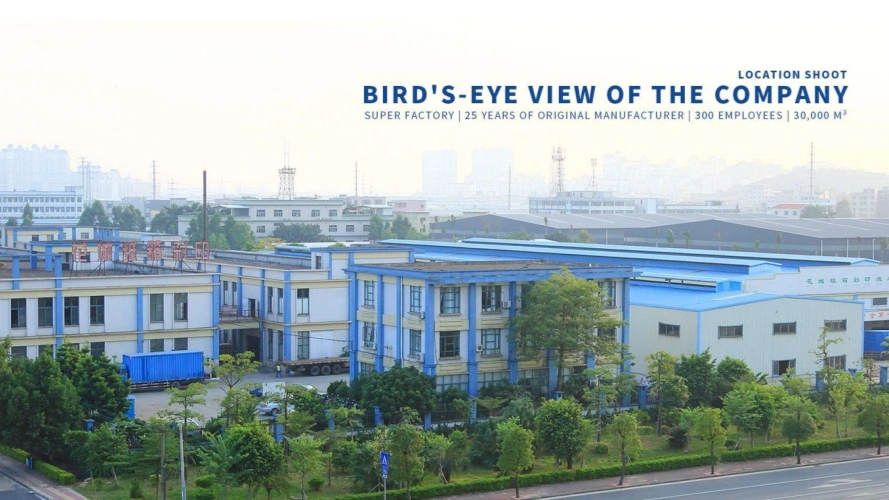
To change packaging in a way that is sustainable, you need knowledge, new ideas, and production relationships you can count on to deliver consistent quality and performance. Fetching Printing offers complete eco-friendly subscription box solutions that are custom made to your needs by combining 25 years of package excellence with cutting-edge sustainable material technologies. Our team of packaging experts creates unique sustainable packaging that is both good for the environment and efficient. They are backed by top certifications in the field, such as ISO 14001 Environmental Management Systems and FSC sustainability standards. We are a reputable eco-friendly subscription box maker, and we provide scalable solutions, quick prototyping, and committed support services to ensure the success of your sustainability efforts. Get in touch with our team at support@fetchingprinting.com to talk about how our knowledge of sustainable packaging can help your brand's image while also improving business efficiency and reducing the damage to the environment.
References
Johnson, M. et al. "Sustainable Packaging Materials in E-commerce: Performance Analysis and Environmental Impact Assessment." Journal of Environmental Packaging, 2023.
Smith, R. "Supply Chain Optimization for Sustainable Subscription Box Operations." International Packaging Review, 2023.
Environmental Packaging Institute. "Life Cycle Assessment of Eco-Friendly Packaging Materials: Comprehensive Study Report." EPI Publications, 2023.
Williams, K. "Consumer Behavior and Sustainability Preferences in Subscription Commerce." Market Research Quarterly, 2023.
Thompson, L. "Regulatory Compliance and Environmental Standards for Packaging Materials." Packaging Law Review, 2023.
Davis, A. "Cost-Benefit Analysis of Sustainable Packaging Implementation in Subscription-Based Business Models." Business Sustainability Journal, 2023.