Corrugated PDQ Displays: Benefits, Costs, and Applications
Corrugated PDQ displays represent a revolutionary approach to retail merchandising, combining shipping efficiency with powerful point-of-sale marketing capabilities. These versatile corrugated PDQ display units serve dual purposes as protective shipping containers and instant retail displays, eliminating the need for time-consuming shelf stocking while maximizing product visibility. Businesses across industries leverage these cost-effective solutions to reduce labor costs by up to 50% while ensuring consistent brand presentation at the crucial point of purchase.
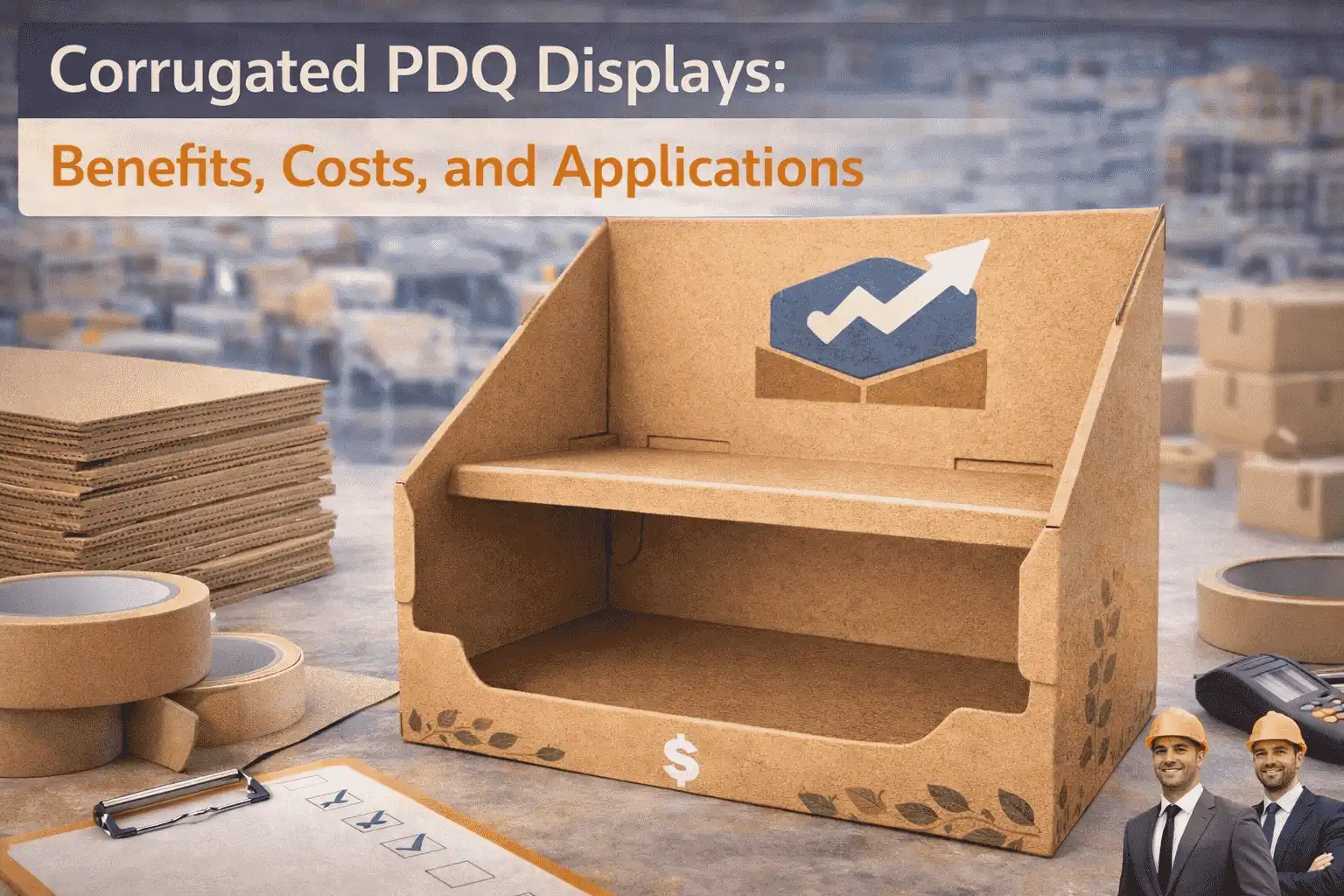
Understanding Corrugated PDQ Displays: Key Concepts and Benefits
What Makes PDQ Displays Unique
PDQ displays, which stand for "Product Display Quantity" or "Pretty Darn Quick," are smart packing options that can easily be changed from shipping containers to displays that customers see. Unlike regular secondary packaging that needs to be thrown away after being opened, these displays come to stores ready to be put on shelves right away with very little setup needed from store staff.
The design of corrugated cardboard makes it very durable while still being lightweight, which is important for shipping costs. Depending on the weight of the item and the distance it needs to be shipped, these displays usually use single-wall, double-wall, or triple-wall cardboard board. Because of how the material is made, it is possible to print images and brand messages that stand out and grab people's attention at the point of sale.
Environmental and Economic Advantages
In today's stores, eco-friendly packaging is becoming more important, which makes cardboard displays a good alternative to plastic display boxes. Because corrugated materials can be recycled, they help companies meet their green goals and have less of an effect on the environment over the course of a product's lifecycle. When thrown away properly, these screens break down naturally, unlike plastic ones that stay in dumps for decades.
The economic benefits go beyond the cost of materials and include things like saving money on labor and better managing supplies. Retail studies show that corrugated PDQ display units cut filling time by 40–60% compared to placing each item individually. This means that stores who manage thousands of SKUs across multiple locations can save a lot of money on labor costs.
Structural Engineering and Design Flexibility
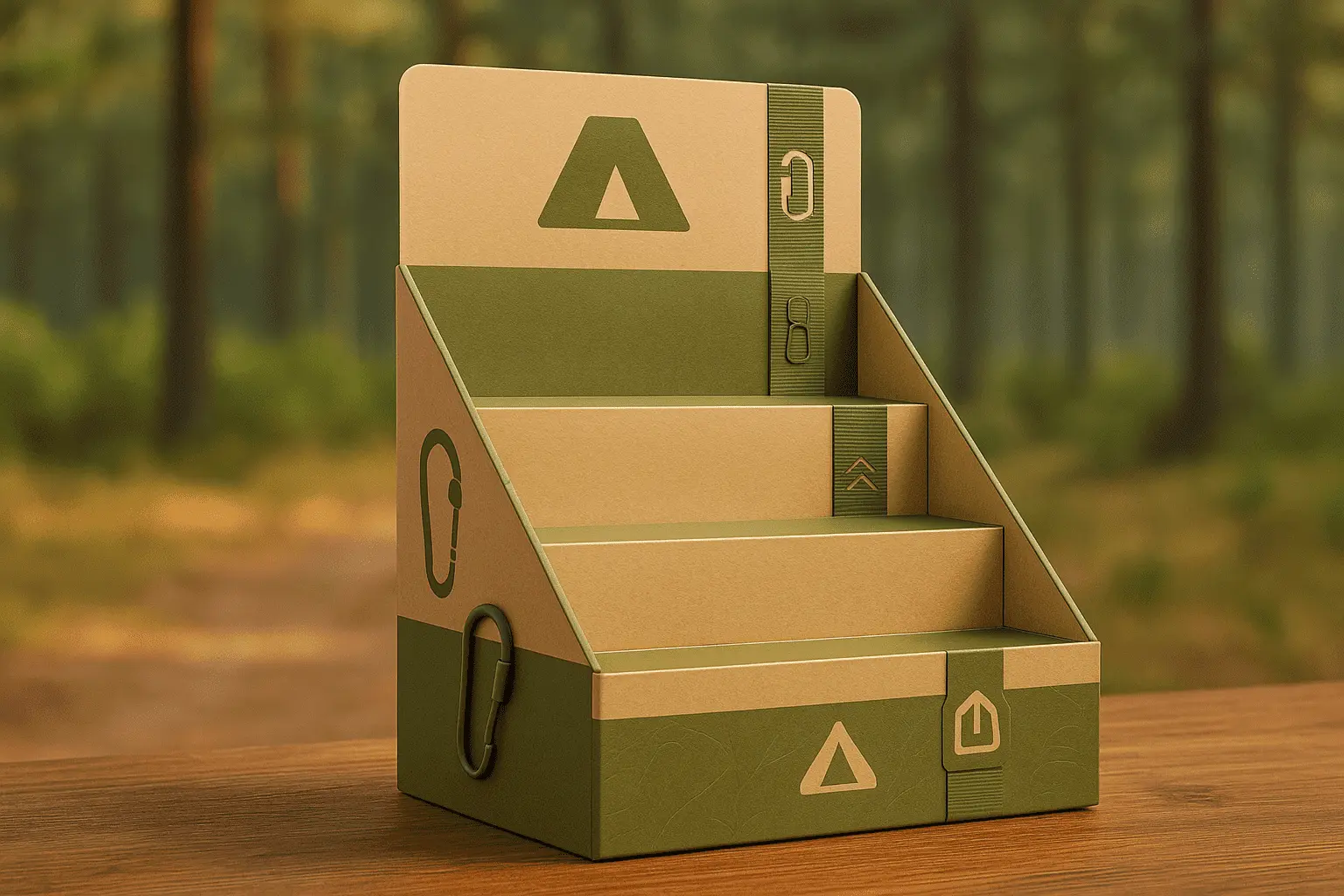
Engineers have made cardboard displays that can be used with a wide range of products and in a variety of store settings. Reinforcing pieces like corner posts, internal dividers, and base supports make the structure stronger while keeping its good looks. Modern die-cutting technologies allow for complicated forms and arrangements that make products stand out more and make better use of shelf space.
Different types of corrugated board for corrugated PDQ display can be customized, from the light ECT-32 for small consumer items to the heavy-duty ECT-71 for electronics or appliances. The type of board you choose has a direct effect on both cost and performance, so you need to think carefully about the weight of the product, how it will be shipped, and how long it will be on show.
How to Design Effective Corrugated PDQ Displays?
Ergonomic Considerations for Retail Success
To make good display designs, you need to know how people shop and how much room is available in stores. Height factors make sure that a product can be reached by a wide range of customers, and width specs meet standard planogram needs. The normal height of a store display is between 12 and 18 inches so that customers can see everything and don't get frustrated while choosing what to buy.
Accessibility features like curved product displays and easy-grip holes make shopping more enjoyable and encourage people to buy things they don't really need. Displays that are at eye level get 35% more attention than those that are at floor or ceiling height, which shows how important it is to plan for the right dimensions.
Graphics and Branding Integration
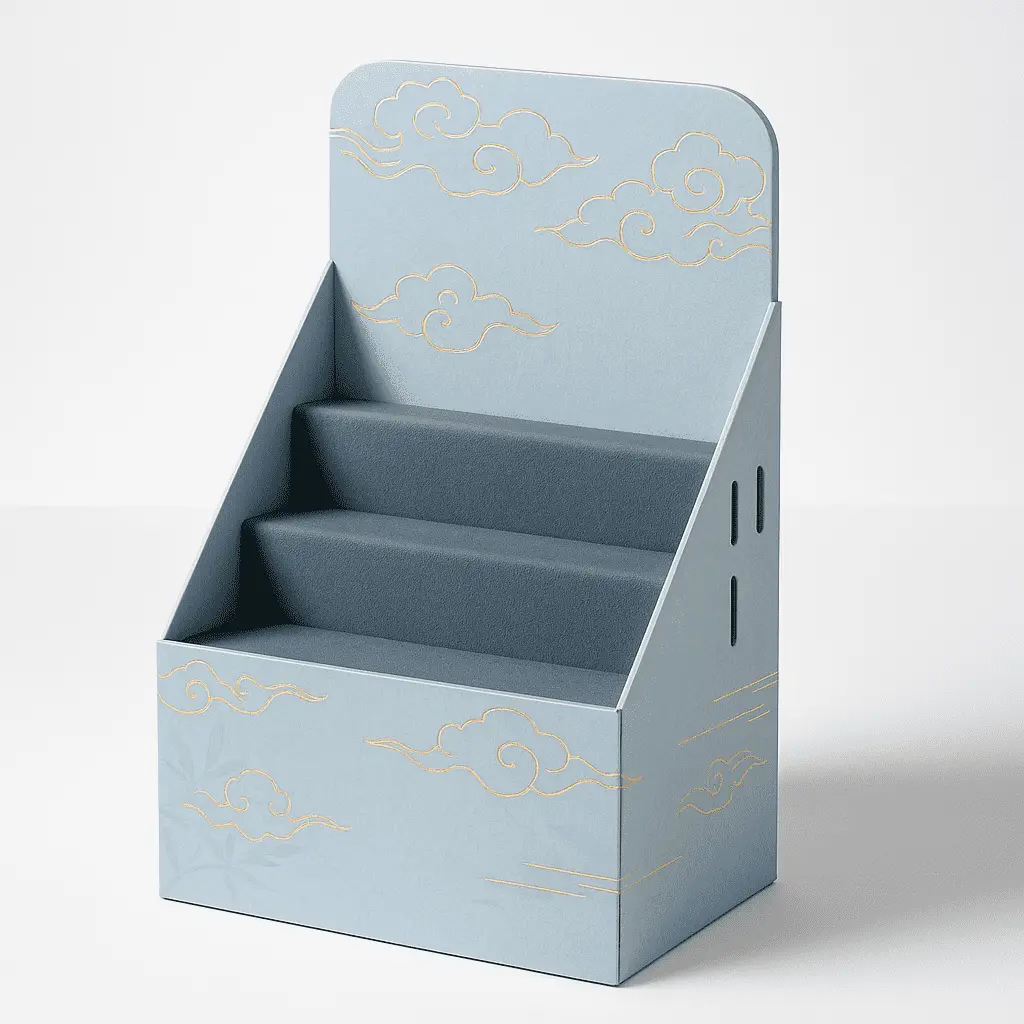
With good lithographic printing, simple cardboard structures can be turned into strong marketing tools that help build brand recognition and explain the benefits of a product. Modern printing methods allow for full-color graphics, photos, and special effects like spot UV treatment or stamping that make the product seem more valuable.
To keep colors the same across print runs, you need to pay close attention to how the inks are made and how the substrates are made. The thin nature of corrugated board means that special printing methods are needed to get bright colors and clear images. There are different cost structures and quality levels for pre-print and post-print choices. For big sales, pre-print methods usually give better color saturation.
Sustainable Design Practices
Modern corrugated PDQ display design takes environmental concerns into account from the beginning of the idea to the final removal. Traditional solvent-based paints are being replaced by water-based ones. This cuts down on volatile organic compound emissions during production. Structural optimization cuts down on the amount of material used while keeping the required strength levels.
When you design a corrugated PDQ display to be recyclable, you should stay away from mixing materials and glues that make recycling harder. Tear-away bands and perforated sections make it easy to separate printed images from structural parts, which is important for recycling at the end of its useful life.
Comparing Corrugated PDQ Displays with Alternative Solutions
Cost-Effectiveness Analysis
When purchasing displays, people in charge of getting them must look at the total cost of ownership, not just the price of the initial purchase. When you add up the costs of tooling, minimum order amounts, and shipping, corrugated displays are usually 30–50% cheaper than injection-molded plastic options. Corrugated construction is light, which lowers freight costs, especially for foreign shipments where dimensional weight price applies.
Plastic signs may last longer when they are permanently installed, but their higher cost and longer wait times make them impractical for campaigns that need to run quickly or seasonal ads. Being able to quickly make prototypes and production runs of cardboard displays is very helpful in markets for consumer goods that move quickly and where marketing success depends on getting products to market quickly.
Durability and Performance Considerations
Environmental factors have a big effect on how well different materials show. Corrugated displays work great in climate-controlled stores, but they might need extra coats or treatments for places with a lot of humidity. Moisture-resistant layers make displays last longer in harsh settings while still being able to be recycled.
Corrugated screens don't change shape as much as plastic ones do when the temperature changes. Plastic ones can break when it's cold and bend when it's hot. Because corrugated construction is naturally flexible, it can handle impacts that would break hard plastic displays. This lowers the cost of repair and upkeep.
Customization Capabilities Comparison
The customization flexibility of corrugated PDQ display options are the best because they can be changed to fit your needs. It is possible to add complex die-cut forms, internal compartments, and built-in book holders without having to spend a lot of money on tools. This adaptability is especially helpful for brands that are trying out different display layouts or going after different retail channels with different room requirements.
To make plastic signs, you need expensive injection molding tools that make it hard to change the design and raise the minimum order quantity for corrugated PDQ display. Digital cutting tools makes it possible to quickly make prototypes of cardboard displays. This lets designers make changes and test the market before committing to large production runs.
Procurement Guide for Corrugated PDQ Displays
Supplier Selection Criteria
To find good providers, you need to look at their production skills, safety certifications, and service levels. Some important certifications are ISO 9001 for quality management systems, FSC for sustainable sources, and industry-specific standards like FDA approval for food contact uses. These certificates show that you are dedicated to maintaining quality and following the rules.
The measurement of manufacturing capacity looks at both the capabilities of the tools and the flexibility of the production. Suppliers that offer a range of printing technologies, die-cutting options, and automatic assembly tools can meet the needs of different projects while still meeting delivery dates. Being close to major shipping hubs cuts down on hauling costs and speeds up the process of fulfilling orders.
Understanding Pricing Variables
Pricing based on volume takes into account the savings of scale that are built into making cardboard displays. Prices usually go down at 500, 1,000, 2,500, and 5,000 units or more. As the quantity goes up, the cost per unit goes down a lot. Understanding these break points allows for smart order planning that meets campaign time needs while saving the most money.
Graphic design complexity, special coatings or finishes, building needs, and packing requirements are some other things that affect the cost. Full-color process printing is much more expensive than simple spot-color graphics. Plus, unique effects like metal stamping or embossing cost extra. Assembling complicated screens with many parts can cost 20 to 30 percent of the total cost, so making the design simpler is an important way to keep costs down.
Lead Time Planning and Order Management
Standard wait times for making corrugated displays are between two and four weeks, but this can change based on how complicated the design is and how busy the factory is at the moment. Faster fees may be able to handle rush orders, but planning enough lead time guarantees the best prices and quality results. Changes in seasonal demand, especially around back-to-school and holiday times, can make lead times much longer.
Strategies for managing inventory for corrugated PDQ display, like blanket orders with planned releases, help find a good mix between saving money and not having enough space for storage. These agreements lock in good prices and give you options for when and how much to send. Standard ways of talking to providers should include giving them regular reports on production and warning them of possible delays.
Applications and Case Studies of Corrugated PDQ Displays
Retail Environment Applications
Corrugated PDQ display screens work great in a wide range of store settings, from areas with a lot of customers to areas where specific products are shown off. In grocery stores, these displays work well to sell impulse items like snacks, drinks, and seasonal goods while still being able to handle customers coming and going all the time. Because it is made of light materials, it is easy to move for promotional events or to change the plan of a store.
Electronics stores use cardboard displays to show off accessories. The displays' cushioning qualities keep fragile items safe while still letting you see the products clearly. To meet specific security needs for sensitive electrical components, anti-static treatments and foam inserts can be added.
Industry-Specific Success Stories
Consumer goods companies report significant sales increases when transitioning from traditional shelf placement to dedicated PDQ displays. A major snack food manufacturer documented 23% higher sales velocity when products were presented in eye-catching corrugated cases instead of just being put on shelves. The displays' prominent placement and eye-catching images led to impulse sales and raised knowledge of the brand.
Beauty and makeup companies use cardboard displays to promote new products and holidays because they are easy to set up and can be customized at a low cost. Including product samples, literature, and interactive elements makes the experience more interesting for customers, which leads to choices to try the product or buy it.
Emerging Trends and Innovations
Digital printing technologies allow for shorter run lengths and more customization options, which means that smaller brands and campaigns in specific areas can use cardboard displays. Variable data printing lets you add custom or regional messages to a single production run, which makes the campaign more relevant and effective.
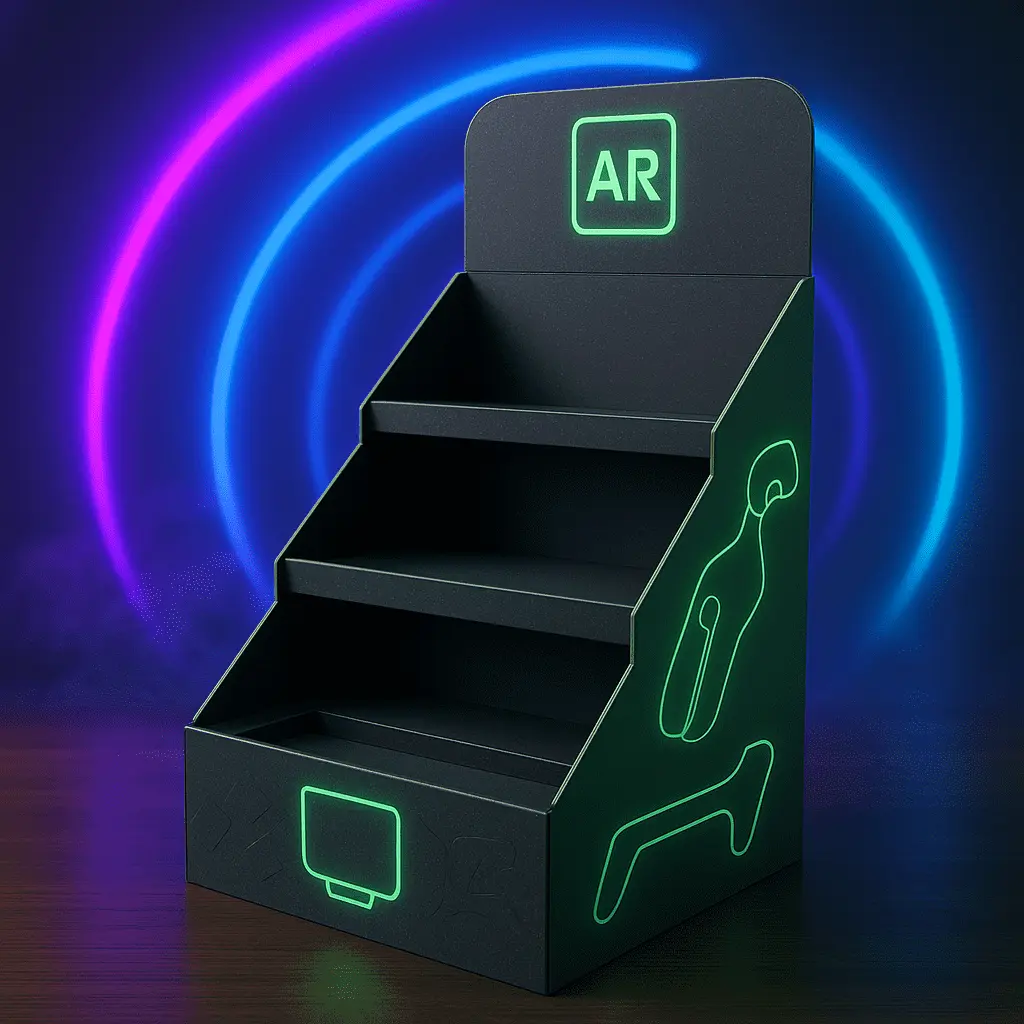
Interactive features like QR codes, virtual reality triggers, and social media integration turn flat screens into digital platforms for participation. These technologies help connect traditional and digital marketing outlets and give campaign metrics and customer information that can be measured.
Conclusion
Corrugated PDQ displays represent an optimal balance of cost-effectiveness, environmental responsibility, and marketing impact for modern retail environments. Their dual functionality as shipping containers and instant displays delivers substantial labor savings while ensuring consistent brand presentation. The customization flexibility and rapid production capabilities make these displays particularly valuable for time-sensitive campaigns and evolving market demands. As retail continues evolving toward sustainable practices and efficient operations, corrugated display solutions provide businesses with competitive advantages that drive both immediate sales results and long-term brand building success.
FAQ
What is the typical lifespan of a corrugated PDQ display?
Depending on the amount of foot traffic and the conditions of the store, corrugated displays usually keep their shape for 30 to 90 days. Displays that are in places with a lot of foot traffic may wear out faster, while those that are in controlled settings can last for a long time.
Can corrugated PDQ displays support heavy products?
Yes, cardboard displays can hold things that weigh more than 50 pounds as long as the engineering and material choices are right. These displays can hold a lot of weight while still looking good because they are made with three walls and smart support.
How do minimum order quantities compare to other display options?
For corrugated displays, the minimum order size is usually smaller than for molded plastic displays, starting at 100 to 250 pieces instead of 500 to 1,000 or more for molded plastic displays. Because they are easy to get to, they are perfect for smaller projects or testing the market.
What customization options are available for branding?
Full-color printing, special finishes, embossing, die-cut windows, built-in book holders, and product-specific sections are all ways to make the product your own. When these features are put together, they can make displays that are one-of-a-kind and fit the needs of a certain brand or store space.
Partner with Fetching Printing for Your Corrugated Display Solutions
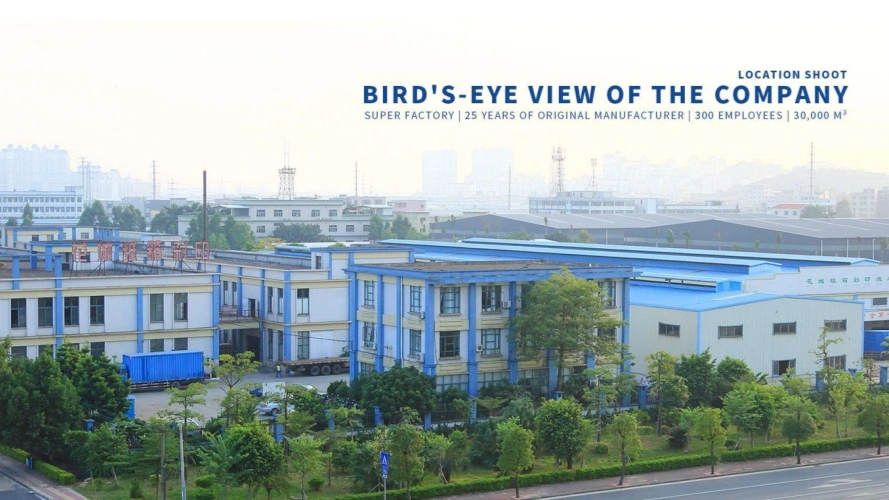
Fetching Printing stands as a premier corrugated PDQ display manufacturer with over two decades of packaging expertise and innovation. Our 50,000㎡ factory has high-tech printing and die-cutting tools that are run by skilled workers who are dedicated to providing the best quality and service. We understand the unique requirements of e-commerce retailers, consumer goods brands, and specialty makers seeking cost-effective display solutions that drive sales results.
Our experienced team of packaging engineers works closely with clients to create unique display designs that make the best use of space and time to show off products in the best way possible. With ISO9001, FSC, and G7 Color Management certifications, we make sure that all of our projects have the same level of quality and environmentally friendly practices. Get in touch with our team at support@fetchingprinting.com to talk about your unique display needs and find out how our all-around method can help your retail marketing.
References
Smith, J.R. & Associates. "Retail Display Effectiveness Study: Impact of PDQ Systems on Consumer Purchasing Behavior." Journal of Retail Marketing Research, 2023.
Thompson, M.L. "Sustainable Packaging Solutions in Modern Retail Environments." International Packaging Technology Review, 2023.
Rodriguez, C.A. "Cost Analysis of Point-of-Purchase Display Materials: A Comparative Study." B2B Procurement Quarterly, 2022.
Williams, D.K. et al. "Labor Efficiency in Retail Merchandising: The PDQ Advantage." Supply Chain Management Today, 2023.
Chen, L.Y. "Environmental Impact Assessment of Corrugated versus Plastic Display Systems." Sustainable Business Practices Journal, 2022.
Anderson, R.P. "Engineering Considerations for High-Performance Corrugated Displays." Packaging Design & Technology, 2023.